Financial Tips, Guides & Insights Blog
Expert advice, guides, and insights to help you become debt-free
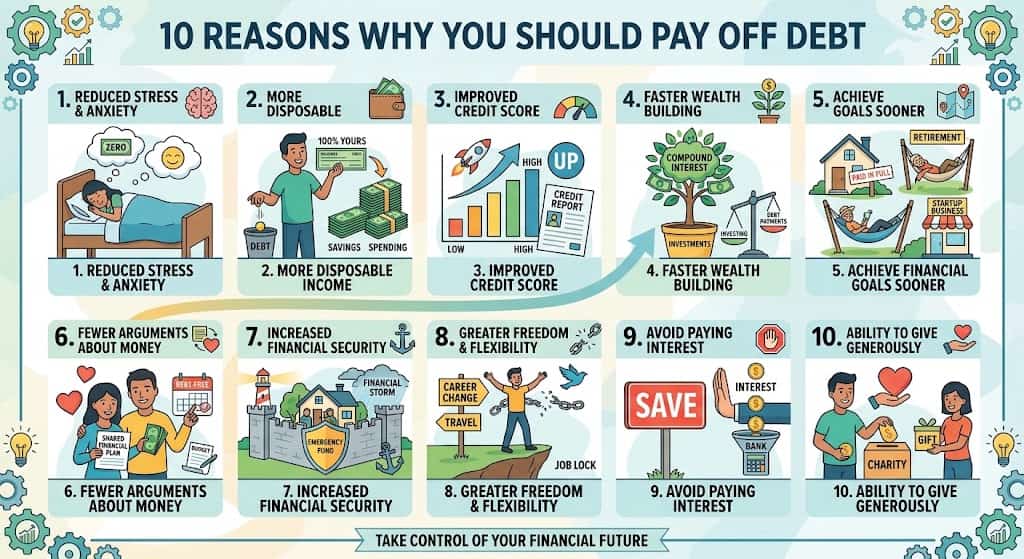
10 Reasons Why You Should Pay Off Debt
South Asian households in the USA often carry hidden debt from cultural obligations, weddings, and remittances. Paying off debt improves credit scores, reduces stress, saves interest, and strengthens immigration standing. Achieving financial freedom restores control, allowing individuals to support loved ones sustainably while building lasting, generational wealth for the future.
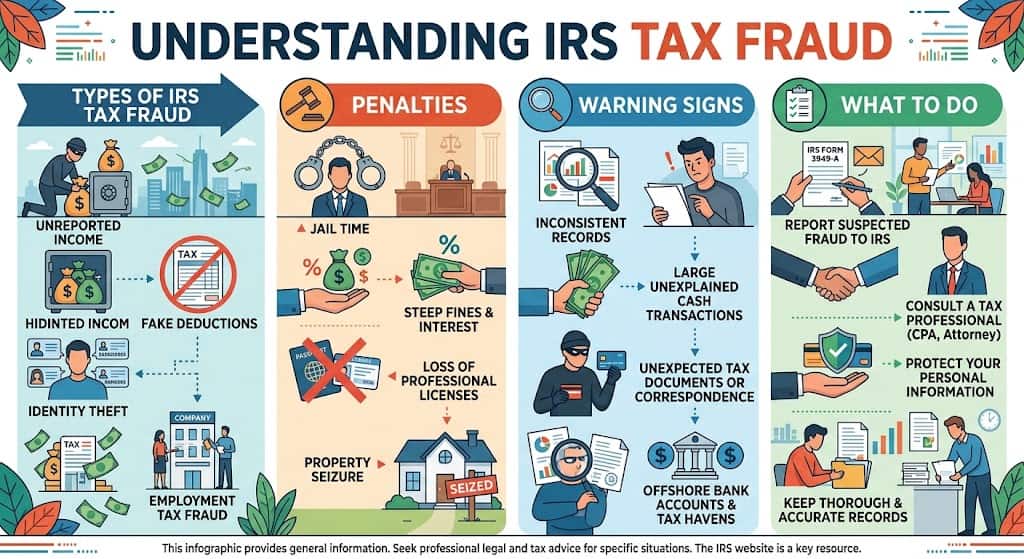
IRS Tax Fraud: Types, Penalties, Warning Signs, and What to Do
IRS tax fraud requires intentional deception, distinguishing illegal evasion from honest mistakes like unreported foreign accounts or cash business errors. Understanding civil versus criminal penalties, identifying warning signs like CP2000 notices, and consulting credentialed professionals early helps South Asian immigrant families resolve complex tax issues before they escalate.
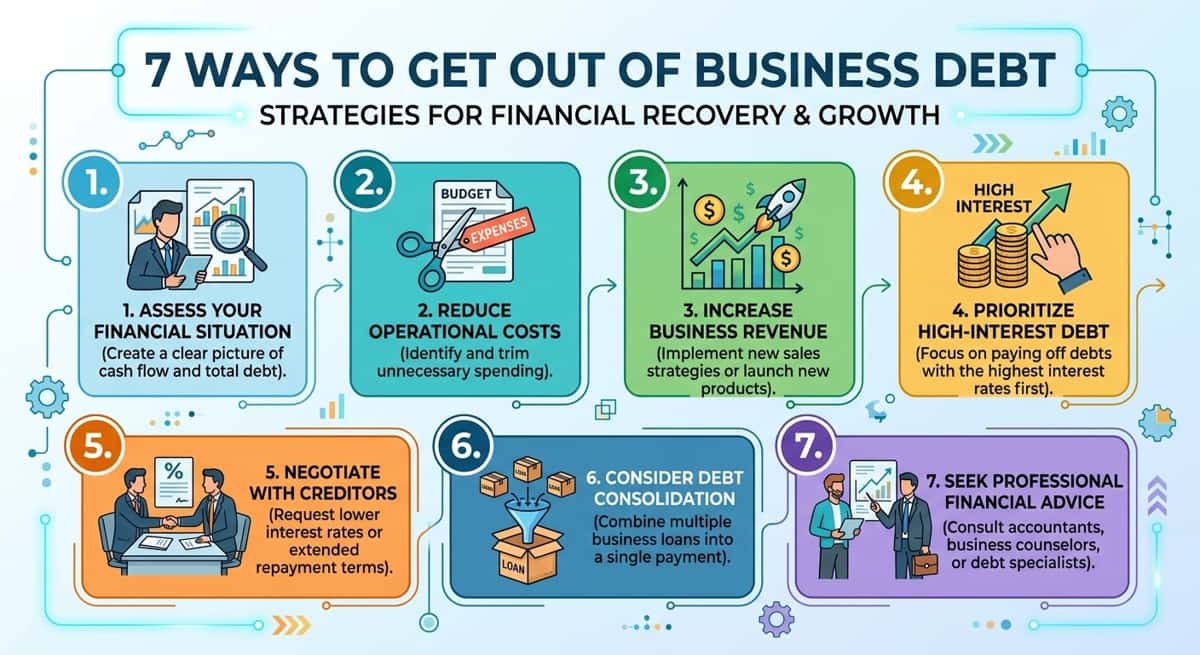
7 Ways To Get Out Of Business Debt
Business debt is a common, manageable challenge rather than a personal failure. Overcoming it requires early, methodical action: communicating with lenders, consolidating high-interest debt, trimming non-essential expenses, speeding up cash flow, and leveraging professional or community relief resources to protect both your business and personal assets.
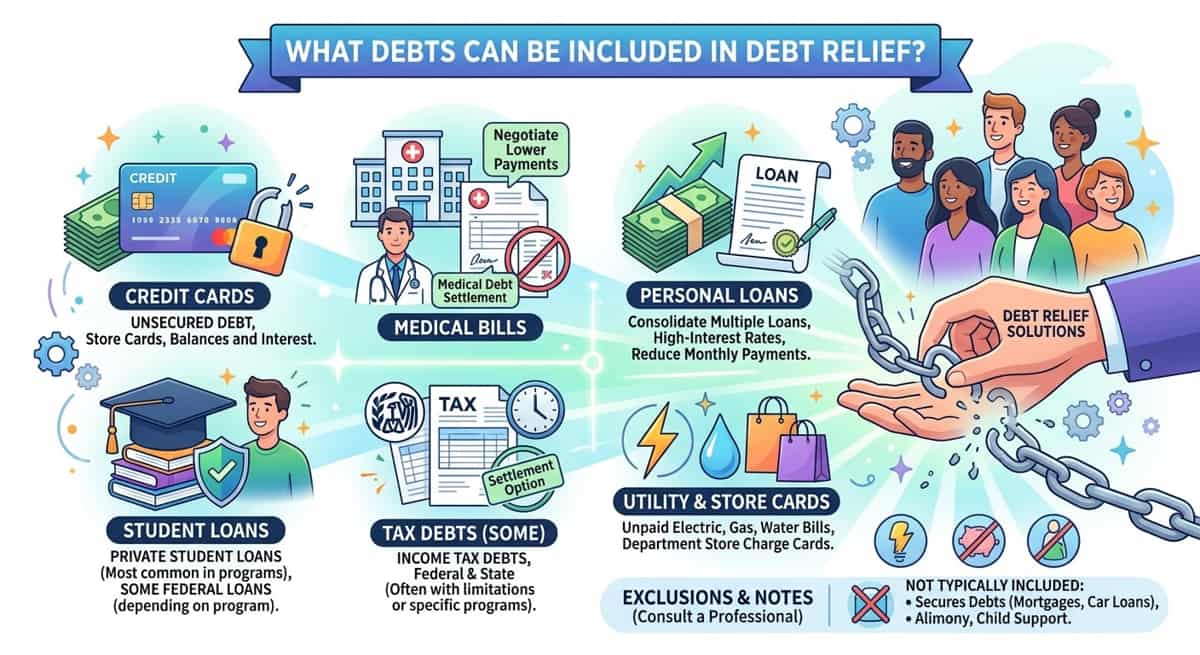
What Debts Can Be Included in Debt Relief?
Debt relief programs handle unsecured debts like credit cards, medical bills, and personal loans, while excluding secured assets, tax debt, federal student loans, and informal family obligations. Structured options like debt settlement, management, consolidation, and bankruptcy fit different financial situations, making an eligibility assessment the crucial first step toward relief.
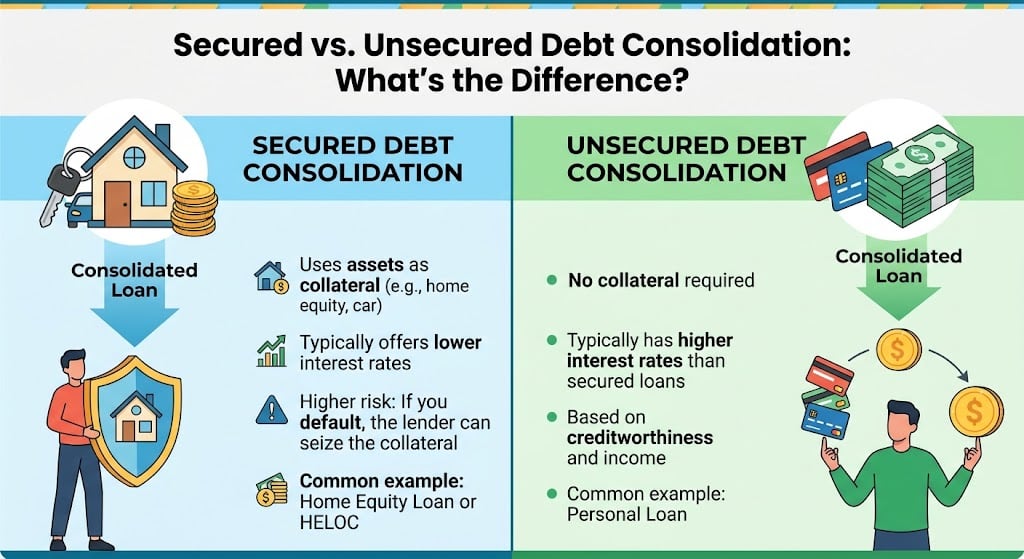
Secured vs Unsecured Debt Consolidation: What's the Difference?
Debt consolidation combines multiple debts into one single payment through secured or unsecured options. Secured loans require collateral like a home, offering lower interest rates but risking asset loss upon default. Unsecured loans need no collateral, relying on your credit profile, which means higher rates but no direct asset risk.

Debt Settlement for $20,000 in Credit Card Debt: What to Expect
Settling $20,000 in credit card debt can lower your payout to roughly $14,000 after fees, but comes with trade-offs. Expect temporary credit damage, a 24–48 month timeline, and potential taxes on forgiven debt. Given the added financial stigma for South Asian families, exploring free professional debt evaluations first is vital.
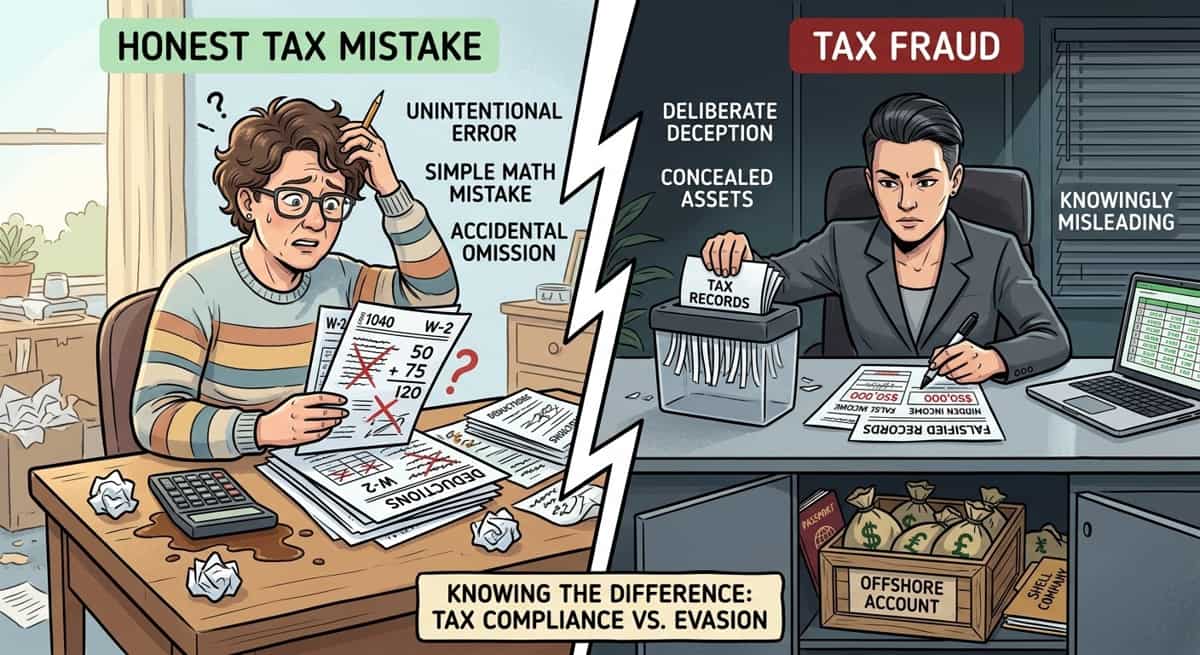
What Is the Difference Between Tax Fraud and an Honest Tax Mistake?
The IRS distinguishes honest mistakes from tax fraud based entirely on intentional deception, not error size. While unintentional errors like missing 1099s or unreported foreign assets incur mild penalties, deliberate fraud brings heavy fines or criminal charges. Catching mistakes early and maintaining clear documentation protects taxpayers during IRS reviews.
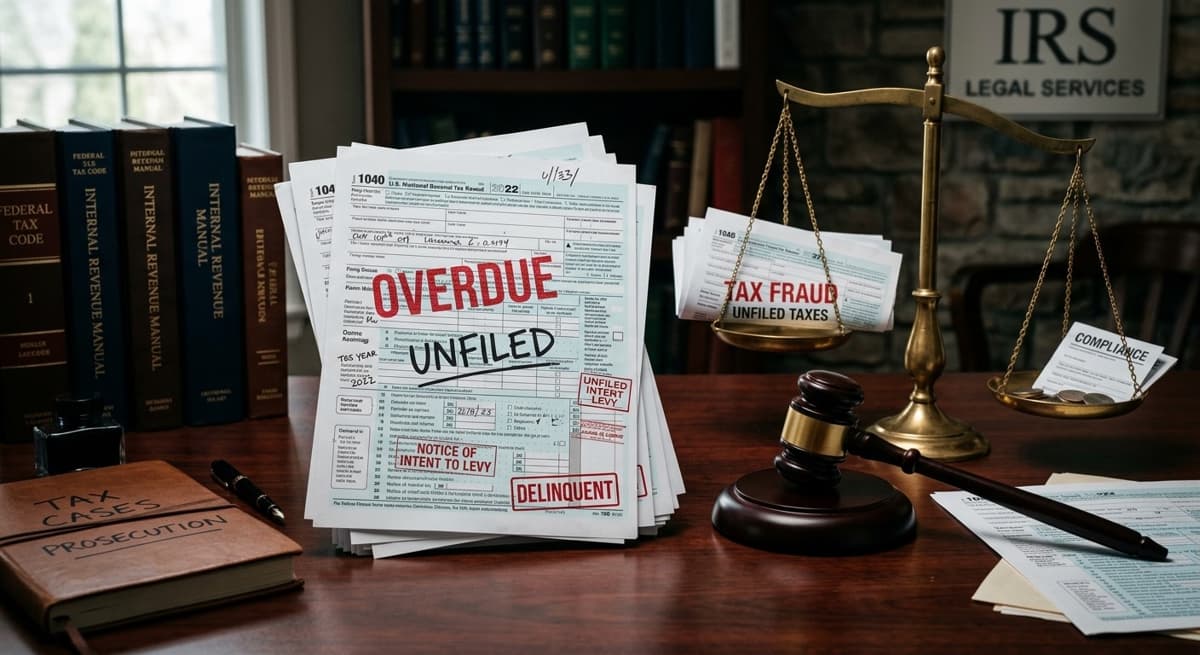
Can You Be Charged With Tax Fraud for Not Filing Taxes?
Unfiled taxes are usually a civil issue involving penalties, not a crime, unless the IRS proves willful evasion. South Asian families facing unique factors like cash businesses or foreign account reporting can resolve back taxes safely by voluntarily filing missing returns, setting up payment plans, or seeking professional tax guidance.
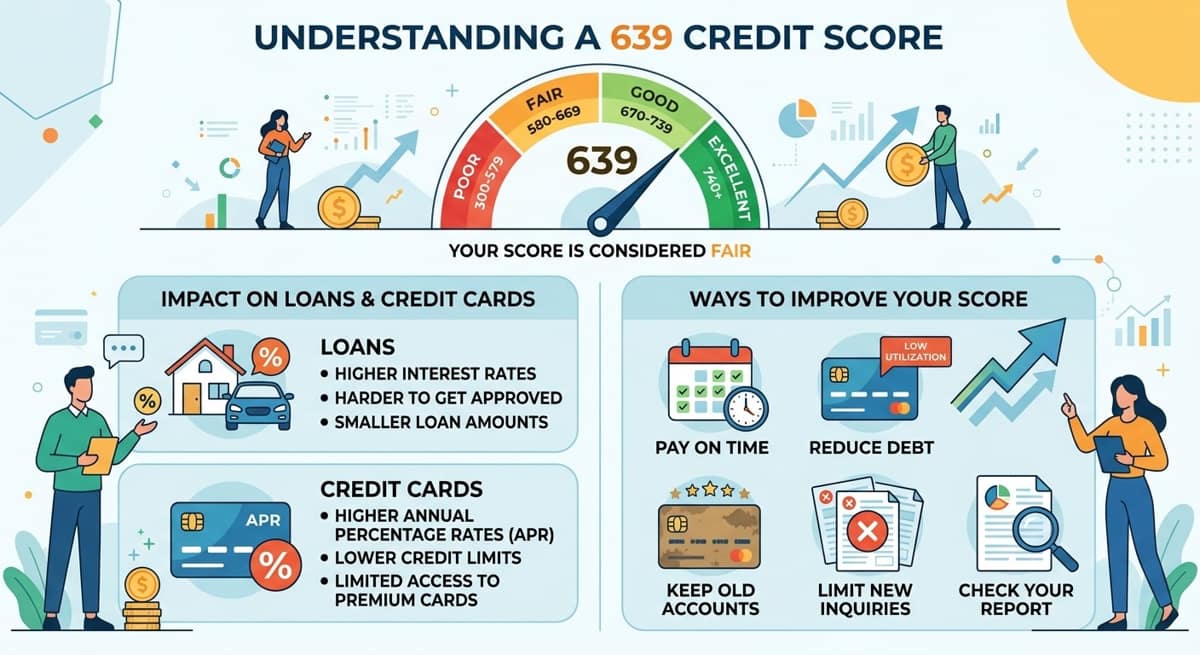
Is 639 A Good Credit Score? How It Affects Loans, Credit Cards And Ways To Improve It
A 639 credit score is fair and common among U.S. newcomers. While it permits loan and card approvals, it incurs higher interest rates. You can quickly improve your standing within months by paying bills on time, lowering credit utilization, and leveraging authorized user status or Ooraa's professional debt management services.
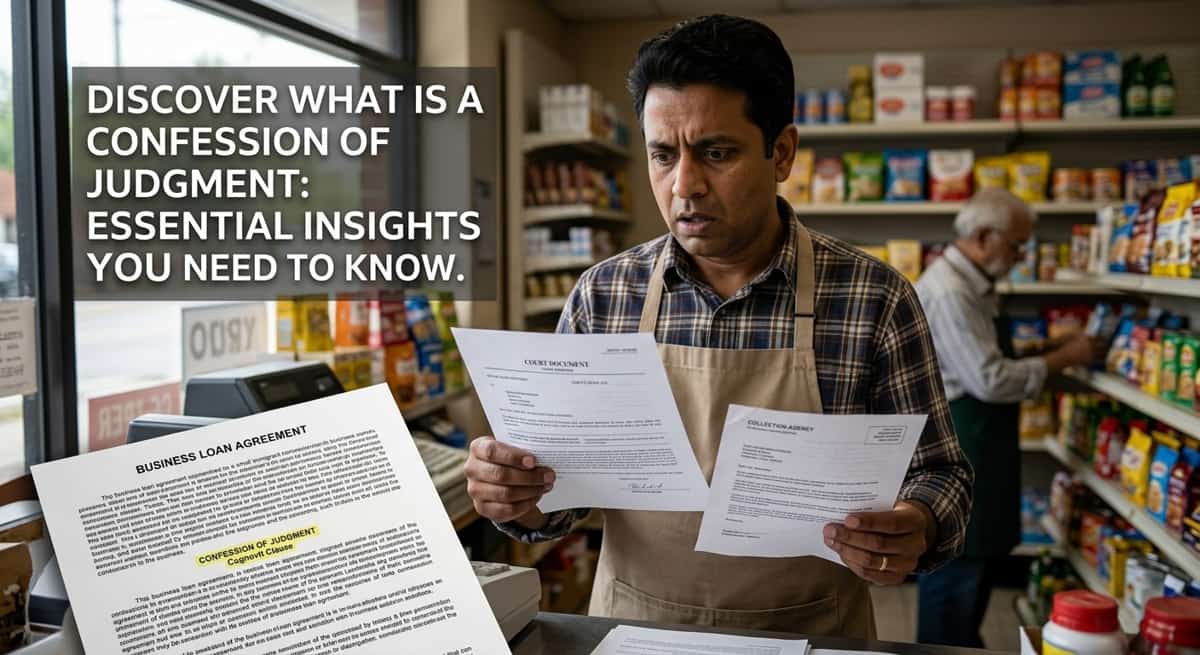
Discover What Is A Confession Of Judgment: Essential Insights You Need To Know
A confession of judgment is a contract clause allowing lenders to obtain an immediate court judgment against a borrower without notice or trial. Frequently hidden in merchant cash advances targeting small businesses, it bypasses legal defense rights, enabling rapid asset seizures. Business owners should review contracts carefully and act fast.
Popular Articles
Calculate Your Savings
See how much you could save with our debt relief program.
Need Personal Advice?
Speak with a certified debt consultant for free. No obligation.
Get Free Consultation