Financial Tips, Guides & Insights Blog
Page 3 of 34
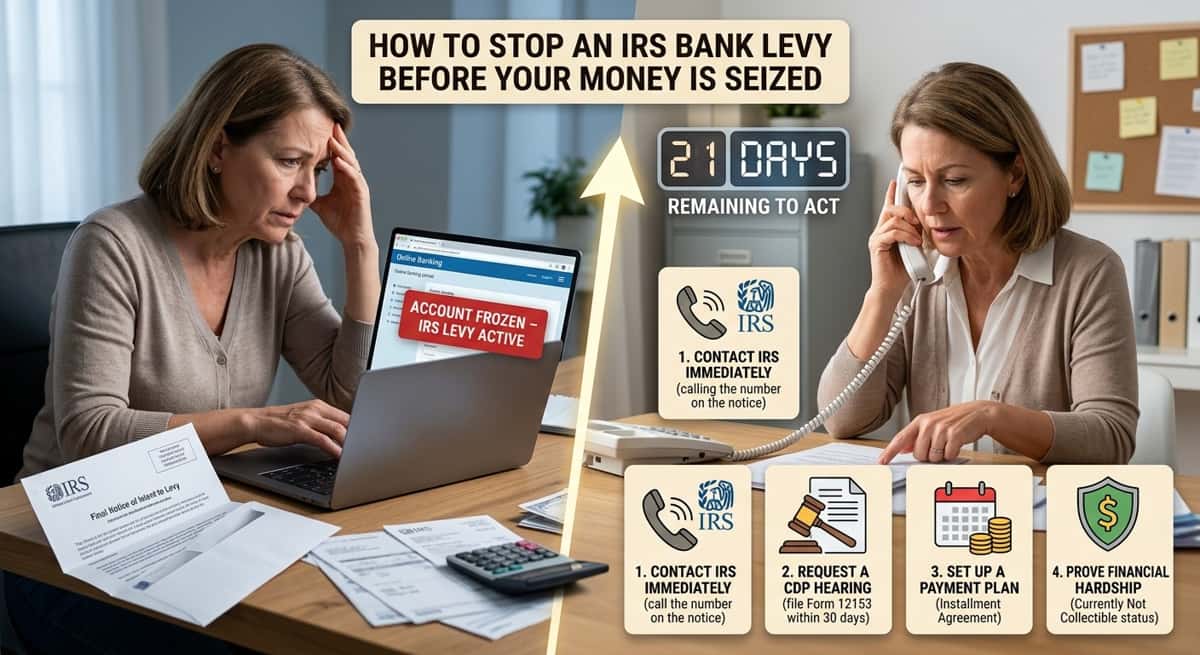
How to Stop an IRS Bank Levy Before Your Money Is Seize
An IRS bank levy legally freezes your funds to settle unpaid taxes. Once notified, you have a 21-day window before your bank transfers the money. You can stop the levy by requesting a formal hearing, setting up an installment agreement, proving financial hardship, or negotiating a settlement through an Offer in Compromise.
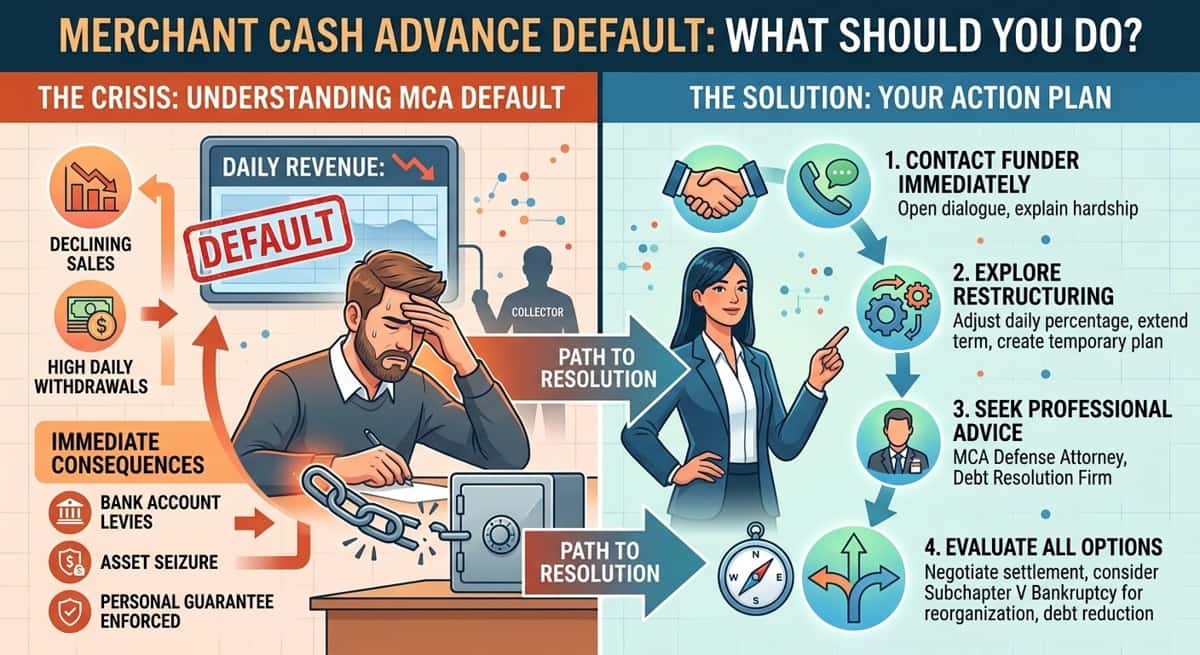
Merchant Cash Advance Default: What Should You Do?
Defaulting on a Merchant Cash Advance (MCA) leads to aggressive collections, bank account freezes, and personal liability under guarantees. To navigate a default, avoid taking new advances to cover existing debt. Instead, gather contracts, maintain lender communication, and consult a debt attorney to explore settlement, restructuring, or bankruptcy options.

IRS Certified Mail Audit Letters: The Different Types And What You Should Do
IRS certified mail provides official, time-sensitive notice, not proof of illegal activity or immigration trouble. Verify notice numbers on IRS.gov to avoid scams, carefully note response deadlines, and reply calmly in writing with supporting records. For complex business audits or back taxes, consult a CPA, EA, or tax attorney.
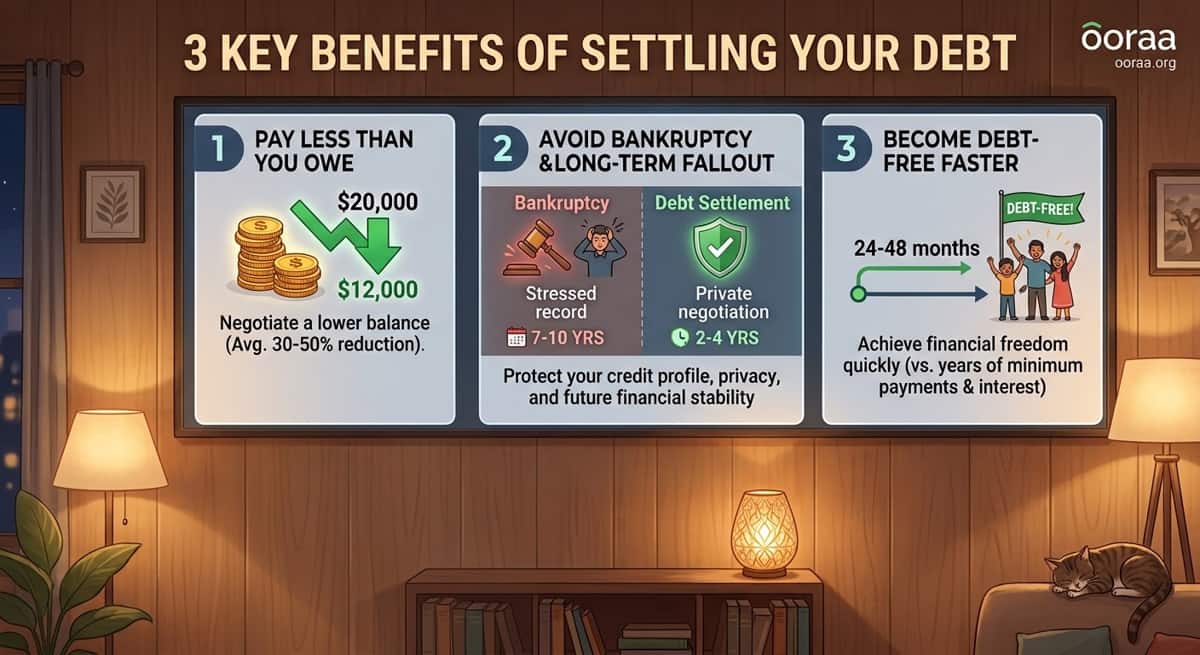
3 Key Benefits of Settling Your Debt
Debt settlement helps families resolve unsecured debts by negotiating a single reduced payment typically 30% to 50% less than owed. It offers a private, faster path to becoming debt-free in 24 to 48 months, allowing you to avoid bankruptcy while balancing personal goals and family financial obligations.
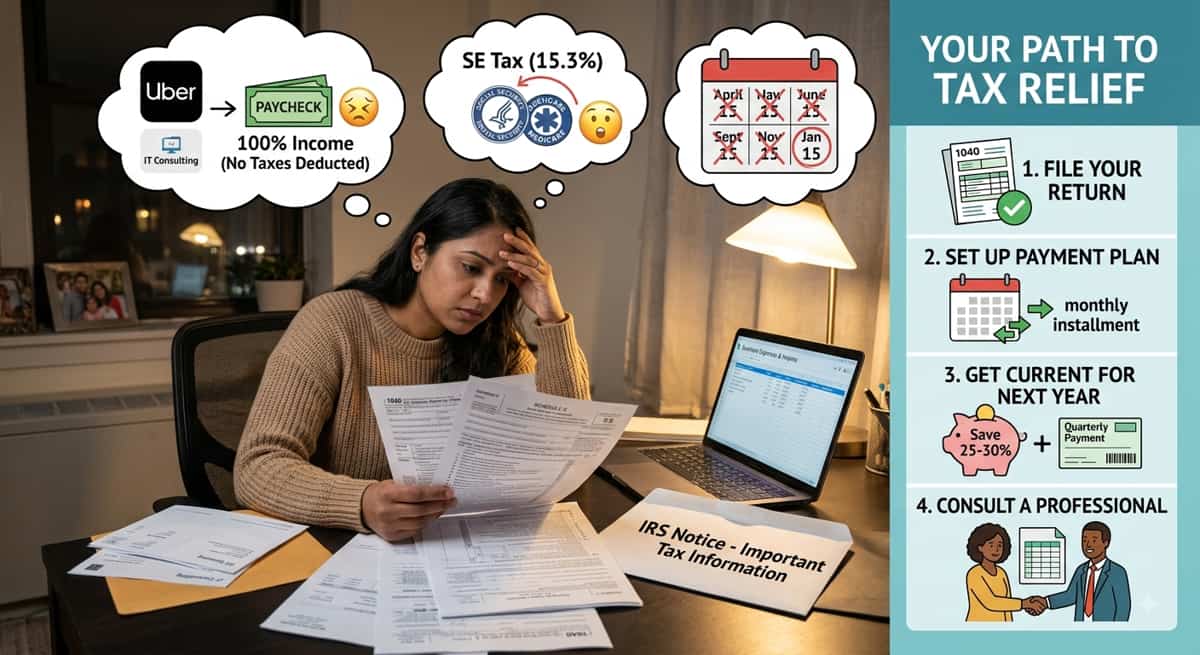
Self-Employed and Owe Taxes? A Guide for 1099 Workers
Self-employed 1099 workers often face unexpected IRS tax bills due to missing withholdings and self-employment taxes. Ignoring tax debt leads to compounding penalties, liens, or levies. Fortunately, manageable solutions exist: always file on time, establish payment plans, request penalty relief, and consult professionals to regain complete financial peace of mind.
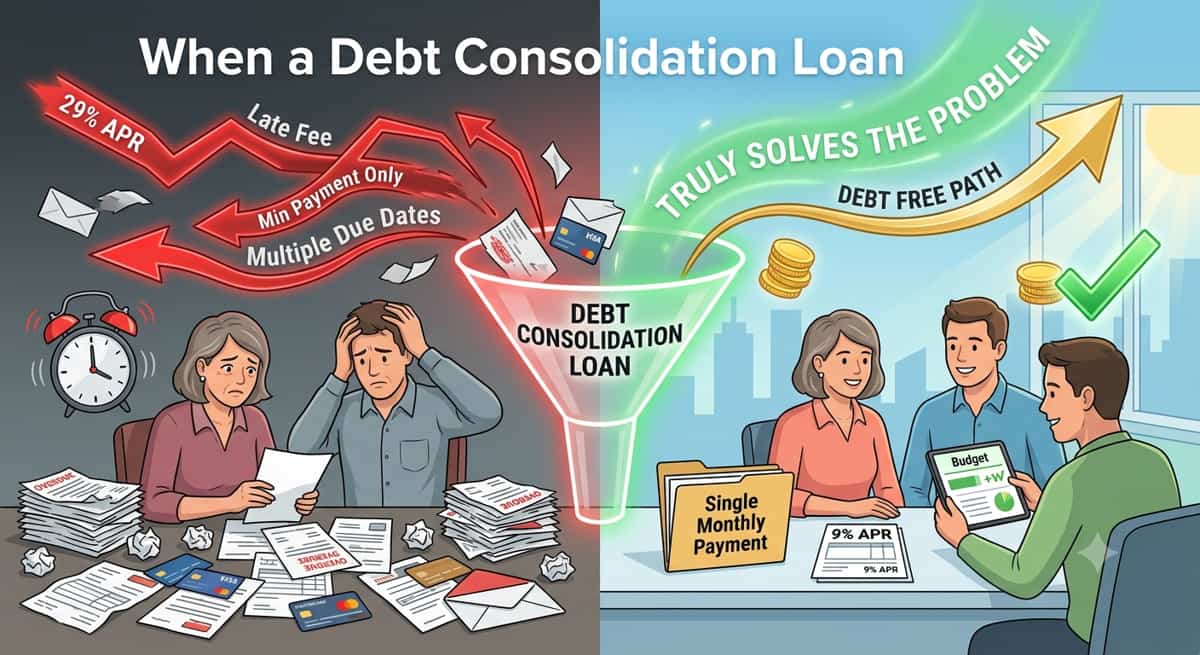
When a Debt Consolidation Loan Truly Solves the Problem
Debt consolidation simplifies multiple high-interest balances into a single monthly payment. It truly works when it reduces your overall interest rate, fits a stable budget, and inspires lasting spending habits. Without addressing root behaviors, consolidation merely delays financial trouble, making alternative debt relief strategies a smarter path.

What Happens If You Can’t Pay Your Business Credit Card?
Unpaid business credit card debt damages both personal and business credit due to personal guarantees, escalating from late fees to charge-offs and potential lawsuits. However, business owners have viable options: contacting creditors early for hardship plans, exploring debt settlement or consolidation, utilizing credit counseling, or considering strategic bankruptcy.
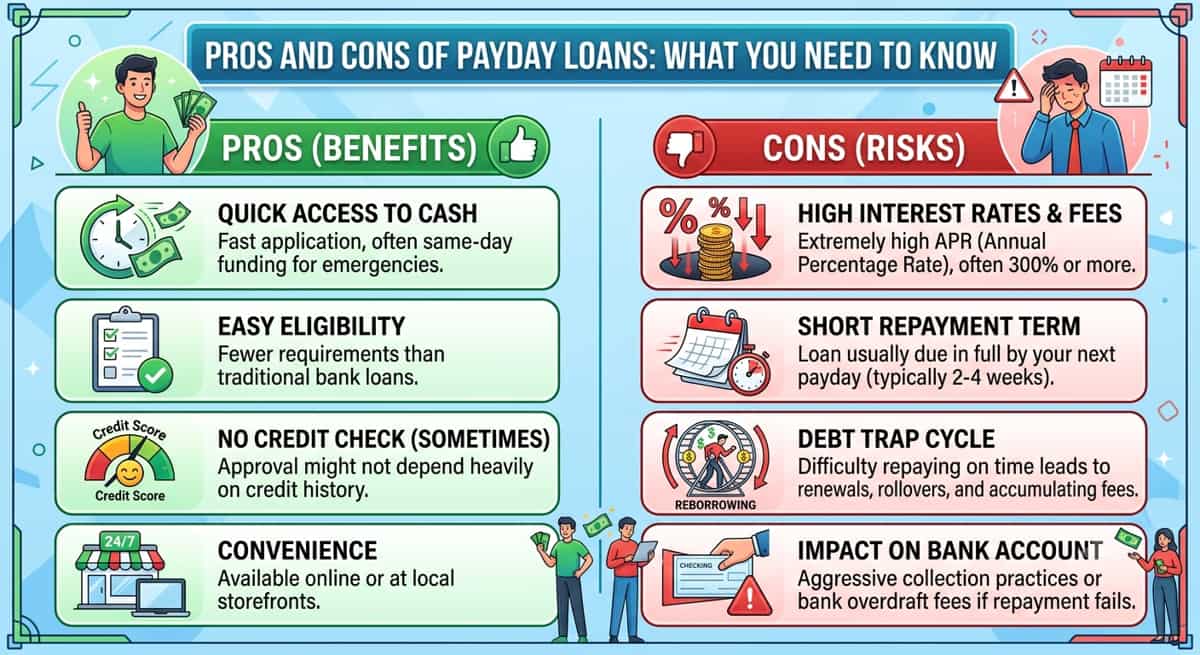
Pros And Cons Of Payday Loans: What You Need To Know
Payday loans provide fast cash without traditional credit checks, making them tempting during financial emergencies. However, extreme APRs (300%–400%+) and rollover fees frequently trigger a severe debt trap without building credit. Borrowers should consider safer options like credit union alternative loans, community lending circles, and free nonprofit credit counseling.
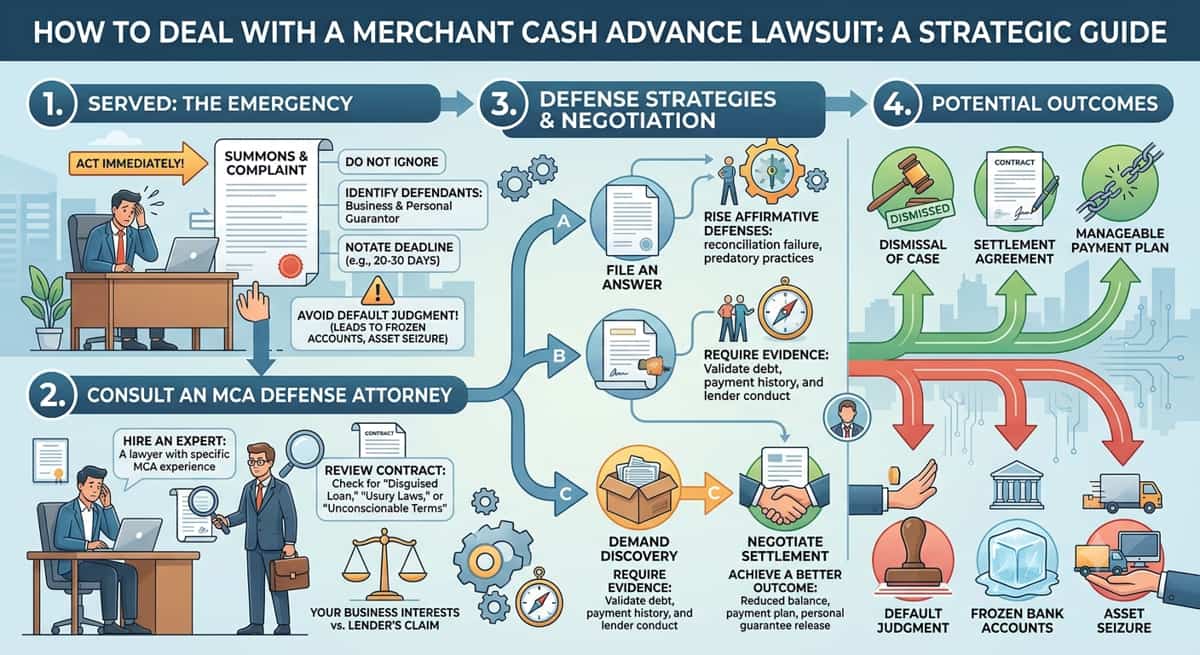
How To Deal With A Merchant Cash Advance Lawsuit?
Facing a Merchant Cash Advance lawsuit? Never ignore it—missing your deadline leads to default judgments and frozen bank accounts. Immediately gather paperwork, consult a specialized MCA attorney, and file a formal response. Learn your rights regarding personal guarantees and Confessions of Judgment, explore legal defenses, and protect your business.
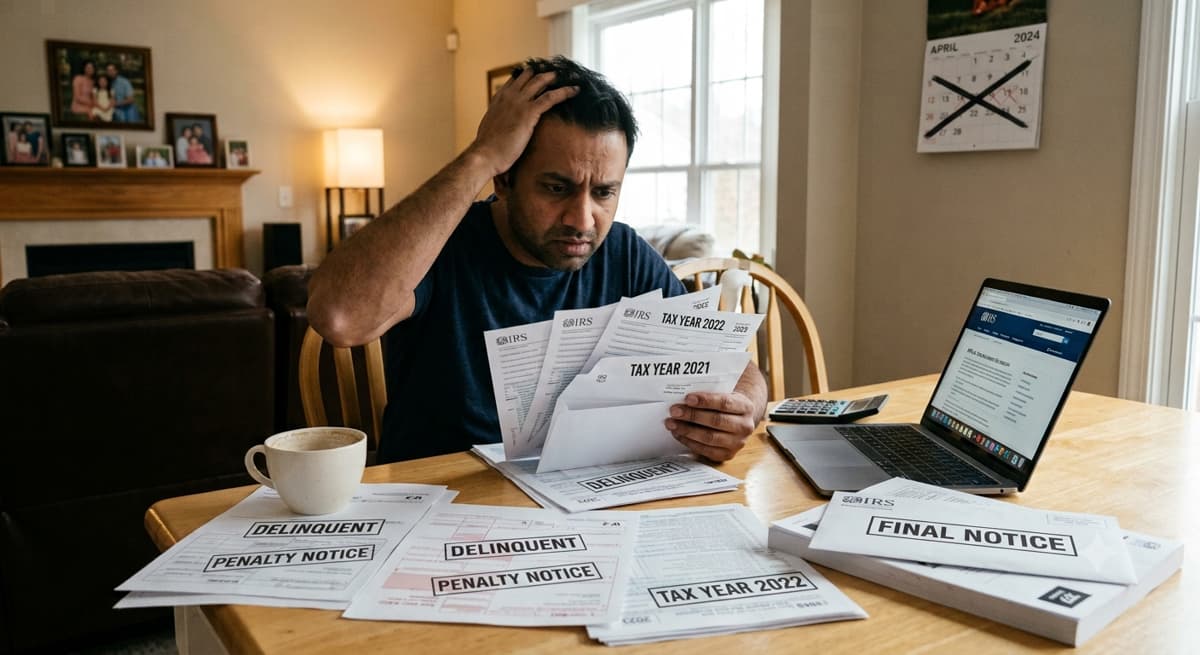
Unfiled Tax Returns: What Should You Do?
Ignoring unfiled tax returns leads to escalating IRS penalties, lost refunds, and potential immigration complications for visa or green card holders. Fortunately, catching up is straightforward: gather wage documents, file past-due returns (typically the last six years), and utilize IRS payment resolution programs. Acting early protects both your finances and legal status.