When a Debt Consolidation Loan Truly Solves the Problem
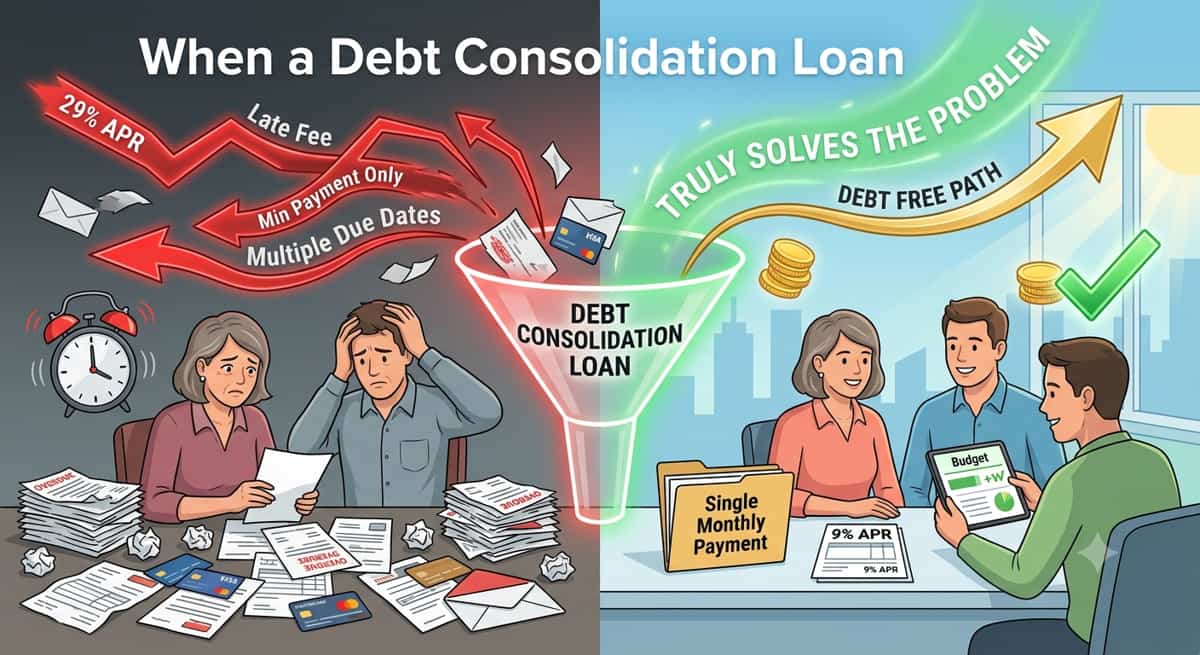
A debt consolidation loan works when it lowers the interest you're actually paying, turns several confusing payments into one you can comfortably afford, and comes with a real change in how you spend. It doesn't work when it's simply a way to feel better for a few months while the same habits and the same gap between income and expenses quietly continue underneath.
If you're staring at multiple credit card bills, a personal loan, maybe some money you borrowed from a relative or a community lending circle, and wondering whether rolling it all into one loan will actually fix things, you're asking exactly the right question. Let's walk through it honestly.
What a Debt Consolidation Loan Actually Does
A debt consolidation loan isn't magic, and it isn't debt forgiveness. It's a tool. Understanding exactly what it does and doesn't do is the first step to knowing whether it's right for you.
How It Combines Multiple Debts Into One Fixed Payment
Instead of juggling three credit cards, a store card, and maybe a personal loan from a family member, a customized debt consolidation plan allows you to take out one new loan large enough to pay all of those off. From that point on, you owe one lender, one monthly payment, and one interest rate. For many people, this alone brings enormous relief no more remembering five due dates, no more wondering which bill to prioritize when money is tight that month.
Why "Lower Payment" Doesn't Always Mean "Less Debt"
Here's where things get tricky, especially if you're newer to how credit works in the U.S. A lower monthly payment can happen simply because the loan is stretched over a longer period say, five years instead of two. That can feel like progress, but if the new loan's interest rate (APR) isn't actually lower than what you were paying before, you could end up paying more in total interest over time, even though each individual payment feels smaller. A smaller number on your monthly statement is not the same thing as a smaller debt. Always check the total cost of the loan, not just the monthly figure.
The 5 Conditions Where Consolidation Truly Works
Debt consolidation isn't good or bad on its own it depends on your situation. Here are the five conditions where it genuinely helps.
1. Your New Interest Rate Is Meaningfully Lower Than Your Current Blended Rate
If your credit cards are charging you 24-29% interest and you can qualify for a consolidation loan at 10-12%, that's a real difference you're paying less to borrow the same amount of money. But if the new loan's rate is close to what you're already paying, or only slightly lower, the benefit shrinks fast, especially once you factor in any fees. Before signing anything, add up the average rate across all your current debts and compare it honestly to the new loan's rate.
2. Your Income Is Stable Enough to Sustain the New Fixed Payment
A consolidation loan usually comes with a fixed monthly payment for a set number of years. That only helps you if you're confident you can make that payment every month, even during a slow month at work, a job change, or an unexpected expense. If your income fluctuates a lot common for small business owners, gig workers, or those supporting family both here and abroad it's worth being conservative and choosing a payment amount you could manage even in a leaner month.
3. You're Consolidating High-Interest Unsecured Debt — Not Adding It to Secured Debt Like a Home
Credit cards and most personal loans are "unsecured," meaning there's no property backing them up. Consolidating that kind of debt into a personal loan keeps the risk level roughly the same. But some people are tempted to use a home equity loan to pay off credit card debt. Be very careful here if you can't keep up with payments, you could put your home at risk to pay off debt that was never secured by anything in the first place. Consolidation works best when you're not trading unsecured debt for a risk to something you can't afford to lose.
4. You've Identified and Addressed Why the Debt Happened in the First Place
This is the step people skip most often, and it's the one that matters most. Did the debt come from a medical emergency for a parent? A wedding that cost more than expected? A stretch where you were sending more back home than your budget really allowed? A period between jobs? Consolidation can clear the immediate mess, but if the underlying cause whether it's an ongoing expense, a gap in emergency savings, or a spending pattern isn't addressed, new debt tends to creep back in, often on the very credit cards you just paid off. Take real time to understand what led here before assuming a loan alone will resolve it.
5. You Qualify for Terms Without a Predatory Fee Structure
Not all consolidation loans are created equal. Some come loaded with origination fees, prepayment penalties, or interest rates that look reasonable at first glance but aren't once fees are included. Before accepting an offer, ask directly: What is the total cost of this loan, including every fee? A trustworthy lender will answer this clearly and without pressure. If a lender is vague, rushes you, or guarantees approval before checking your finances, treat that as a warning sign, not a convenience.
When a Debt Consolidation Loan Won't Solve the Problem
Just as important as knowing when it works is recognizing when it won't because in these situations, consolidation can quietly make things worse.
Red Flag: You Keep the Old Credit Cards Open and Active
This is the single most common way consolidation backfires. You pay off your credit cards with the new loan, feel a wave of relief seeing zero balances, and within a few months, those same cards fill back up leaving you with the original credit card debt plus the new consolidation loan on top of it. If you're not confident you can leave those cards untouched, consider cutting up the physical cards, freezing them, or having someone you trust hold them, while keeping the accounts open only for your credit history.
Red Flag: Your Debt-to-Income Ratio Is Too High to Qualify for a Genuinely Lower Rate
If the amount you owe is very high compared to what you earn, lenders see you as higher risk and that usually means they'll only offer you a rate close to or worse than what you're already paying. In this case, consolidation doesn't actually reduce your cost of borrowing; it just moves the debt around. This is often a sign that exploring all your debt options like credit counseling or a customized repayment plan may serve you far better than taking on a new loan.
Red Flag: You're Using It to Delay a Harder but Necessary Conversation With Family
For many South Asian households, financial decisions aren't made alone they involve parents, a spouse, or the wider family, and money conversations can carry real weight and discomfort. Sometimes a consolidation loan gets used to avoid having a hard conversation: about a family member who needs to contribute more, about remittances that need to be renegotiated for a season, or about a joint expense that needs to be reconsidered. A loan can buy time, but it can't replace that conversation. If the real issue is a family financial dynamic, it will resurface until it's addressed directly.
Red Flag: Your Credit File Is Too Thin or New to Qualify for Competitive Terms
If you've recently arrived in the U.S. and your credit history is limited, lenders may not have enough information to offer you a good rate even if you're financially responsible. In this case, taking a consolidation loan with a high rate just to "get it over with" often isn't worth it. It may be more effective to spend a few months building credit history through a secured card or credit-builder loan first, so that when you do consolidate, you qualify for terms that actually help.
Debt Consolidation Loan Options to Know
Not all consolidation paths look the same. Here's a quick look at the main options.
Unsecured Personal Loans vs. Secured Loans
An unsecured personal loan doesn't require collateral approval is based on your income and credit. A secured loan requires you to put something up, like a car or savings account, which can get you a lower rate but adds risk if you can't repay it. For most people consolidating credit card debt, an unsecured loan is the safer starting point.
Credit Union and Community Development Financial Institution (CDFI) Options
Credit unions and CDFIs are often more willing to work with people who have limited or thin credit files than large national banks are, and many offer lower rates and more personal guidance. Some CDFIs specifically serve immigrant communities and understand the financial realities of building a life in a new country. It's worth checking whether one operates in your area before assuming a big bank is your only option.
Balance Transfer Credit Cards vs. Installment Loans
A balance transfer card moves your debt to a new card, often with a 0% introductory rate for a limited time helpful if you can realistically pay off the balance before that period ends. An installment loan, by contrast, gives you a fixed payment and end date, which tends to work better for larger debts or when you know you'll need more than a year to pay it off.
Special Considerations for South Asian Families in the U.S.
Debt doesn't exist in isolation it's shaped by family, culture, and circumstance. A few things worth thinking through.
Navigating Joint and Co-Signed Family Debt
It's common for family members to co-sign loans or share financial responsibility for major expenses. If you're consolidating debt that involves a co-signer, have an honest conversation with them about the new terms and what it means for their obligation too clarity now prevents strain later.
Building U.S. Credit History Alongside Consolidation
If you're relatively new to the U.S. credit system, consolidation can actually be part of building a stronger credit history, since on-time payments on an installment loan are reported to credit bureaus. Just make sure you're not closing every other account in the process a mix of account types, kept in good standing, tends to help your credit profile over time.
Culturally Competent, Confidential Credit Counseling Resources
You don't have to figure this out alone, and you don't have to discuss it with anyone you're not ready to. Nonprofit credit counseling agencies affiliated with the National Foundation for Credit Counseling (NFCC) offer free or low-cost sessions, and everything you share is confidential. A good counselor won't judge your situation they'll simply help you see your options clearly through tailored credit counselling services designed to bring clarity to complex family finances.
A Simple Checklist: Is a Debt Consolidation Loan Right for You?
Answer honestly:
Will my new interest rate be clearly lower than what I'm paying now, once fees are included?
Can I comfortably make the new payment even in a lower-income month?
Am I consolidating credit card or personal debt not risking my home to do it?
Do I understand what caused this debt, and has that situation changed or been addressed?
Do I have a real plan to avoid running my old credit cards back up?
Have I compared at least two or three lenders, including a credit union?
If you answered yes to most of these, a consolidation loan is likely to genuinely help. If you answered no to several, it's worth exploring the alternatives below before committing.
Alternatives If Consolidation Isn't the Right Fit
A consolidation loan is one option among several here are others worth knowing about.
Nonprofit Debt Management Plans (DMPs)
A DMP is arranged through a nonprofit credit counseling agency, which negotiates lower interest rates with your creditors on your behalf. You make one monthly payment to the agency, which distributes it to your creditors. This can work well if you don't qualify for a low-rate loan but are still able to make consistent payments.
Debt Settlement and Its Risks
Debt settlement involves negotiating to pay less than you owe, often through a for-profit company. Debt settlement can reduce your total debt, but it usually damages your credit significantly, may involve tax consequences on the forgiven amount, and isn't guaranteed to work with every creditor. Approach this option carefully and only after understanding the full trade-offs.
When Bankruptcy Protection May Be the More Responsible Option
If your debt is significantly larger than your income can realistically manage, even with a lower interest rate, bankruptcy isn't a failure it's a legal protection designed for exactly this situation. Qualified bankruptcy attorney can help you understand whether this path makes more sense than continuing to take on new loans.
Make the Decision With Clear Eyes, Not Just Relief
A debt consolidation loan can be a genuinely smart move but only when the numbers actually work in your favor and you've been honest with yourself about how the debt happened in the first place. "Run through the checklist above, compare a few real offers, and learn how our debt relief process works to see how we can help you navigate your options. The goal isn't just to feel better this month it's to actually be in a stronger position a year from now.
Ready to Get Started?
Get a free consultation with a certified debt consultant to see if debt settlement is right for you.
Get Free ConsultationAbout the Author
Bhupinder Bajwa
.
Related Articles
What Debts Can Be Included in Debt Relief?
13 min read
Secured vs Unsecured Debt Consolidation: What's the Difference?
8 min read
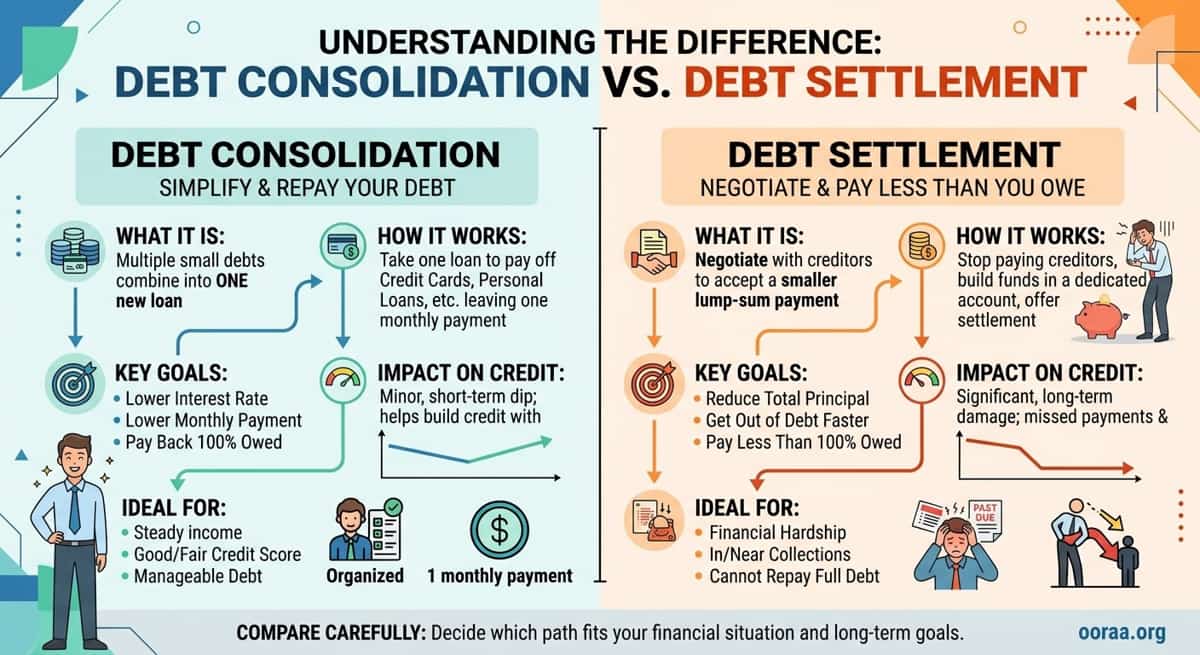
What’s The Difference Between Debt Consolidation And Debt Settlement?
12 min read
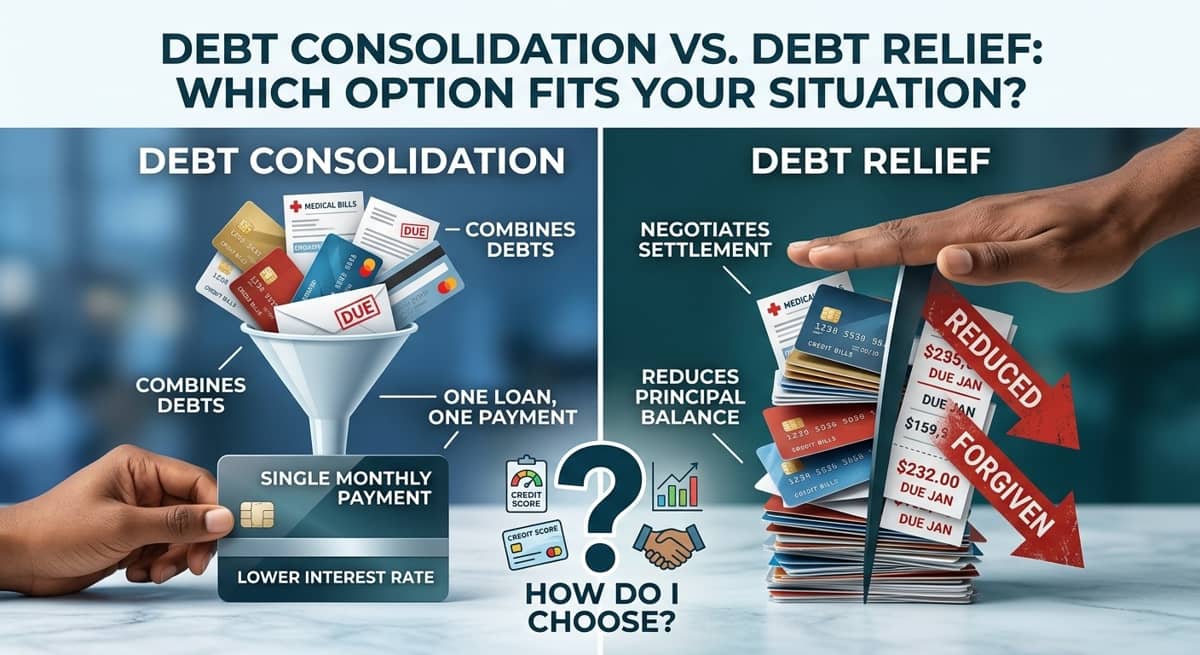
Debt Consolidation vs. Debt Relief: Which Option Fits Your Situation?
10 min read
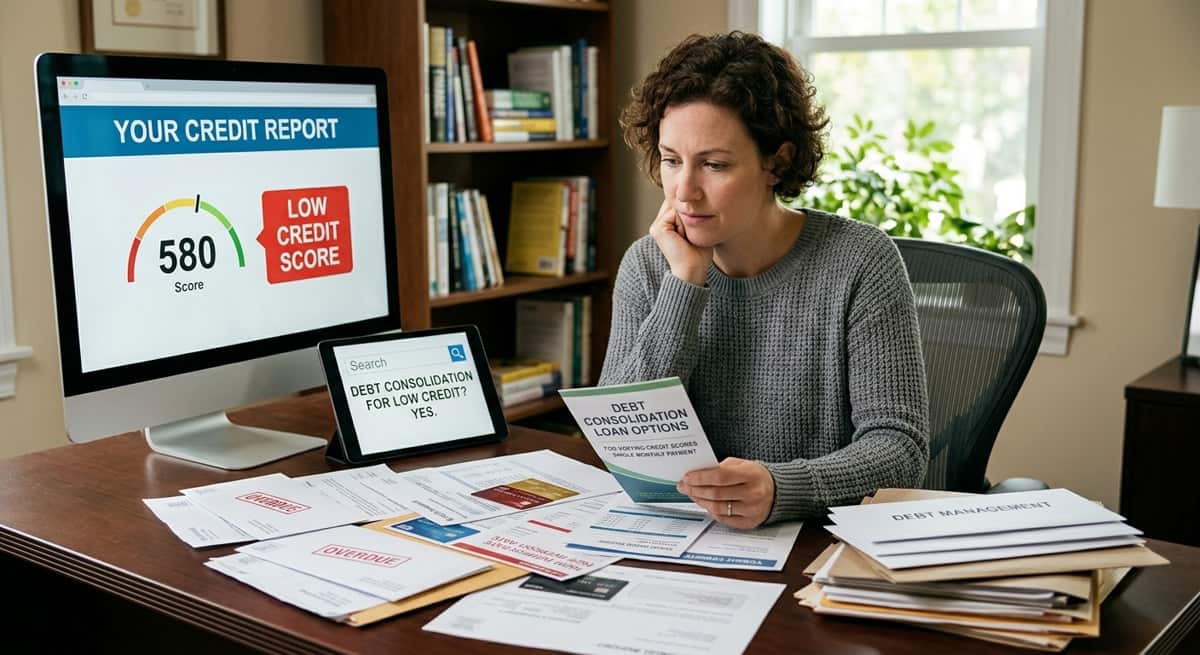
Can You Consolidate Debt With a Low Credit Score?
11 min read
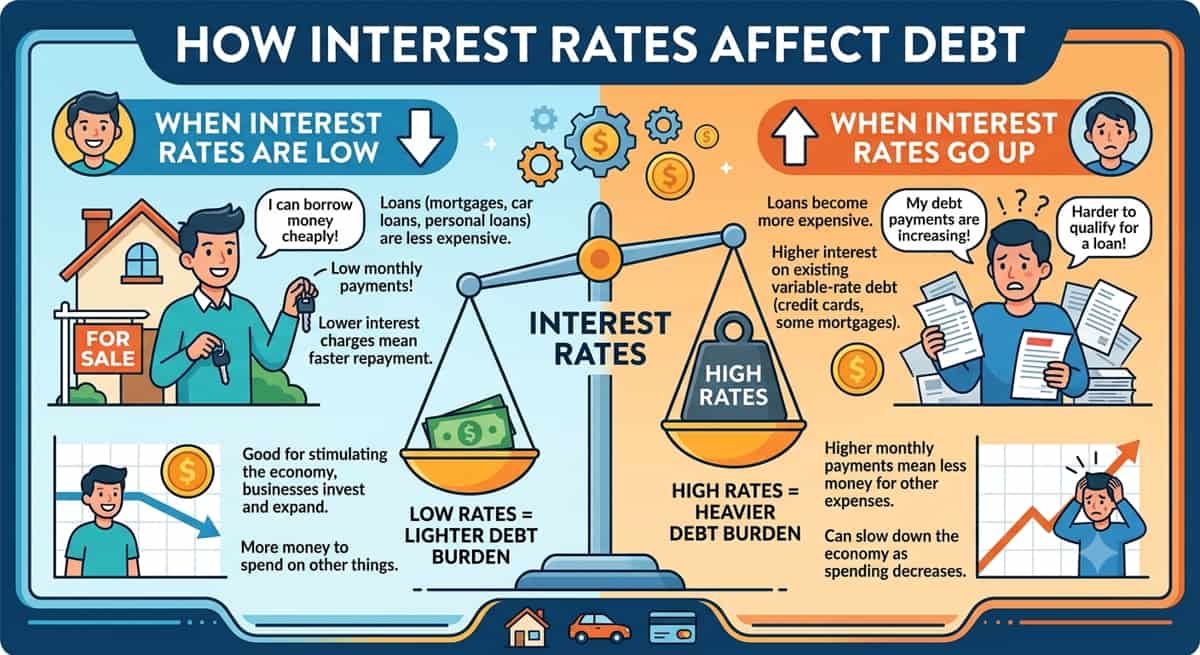
How Interest Rates Affect Debt
13 min read
Get Your Free Consultation
Speak with a certified debt consultant to explore your options.
Start NowNo obligation • Free consultation