Financial Tips, Guides & Insights Blog
Page 2 of 34
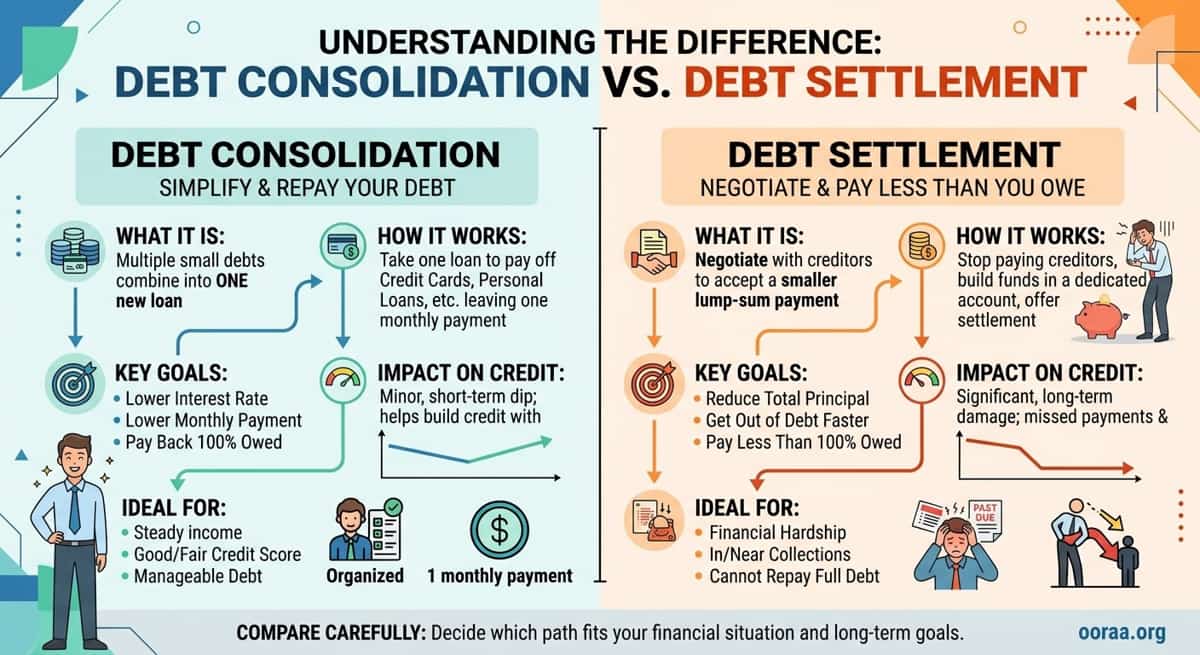
What’s The Difference Between Debt Consolidation And Debt Settlement?
Debt consolidation merges multiple debts into one loan, allowing 100% repayment at lower interest while protecting your credit score. Debt settlement negotiates lower overall balances, providing relief but causing lasting credit damage and potential tax bills on forgiven amounts. The right choice depends on your credit standing and repayment ability.
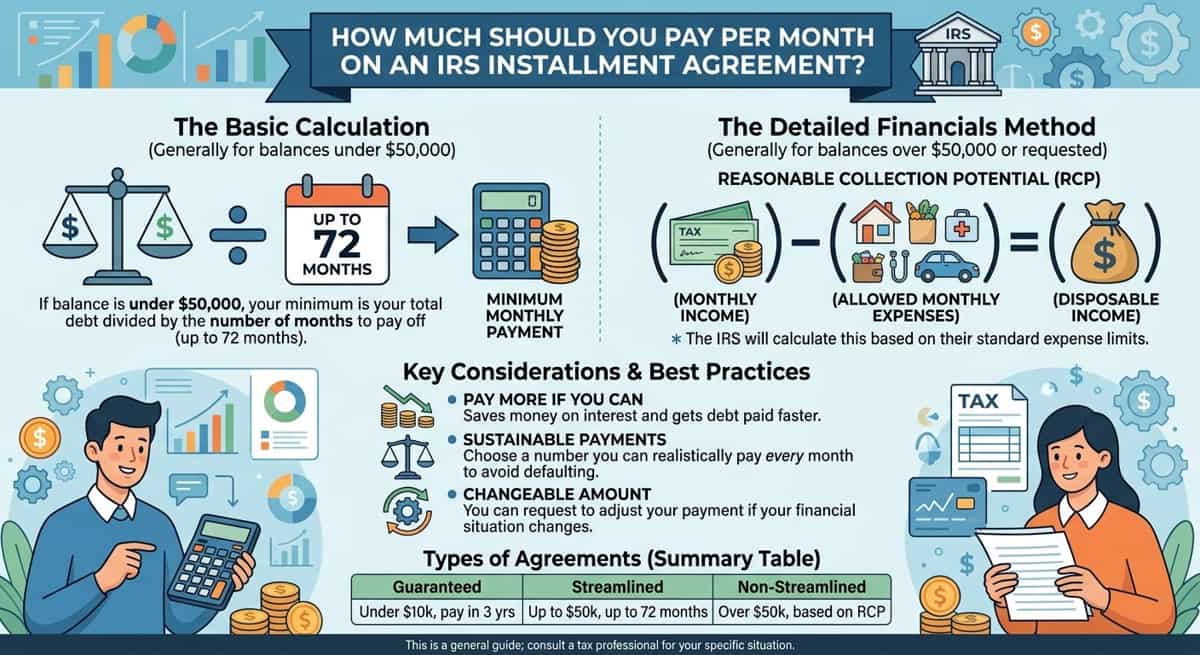
How Much Should You Pay Per Month on an IRS Installment Agreement?
Your IRS minimum monthly payment is the higher of your balance divided by up to 72 months or your disposable income. Standard IRS allowable expenses exclude costs like remittances, but setting a sustainable payment plan prevents defaulting and protects your finances without putting your immigration status at risk.
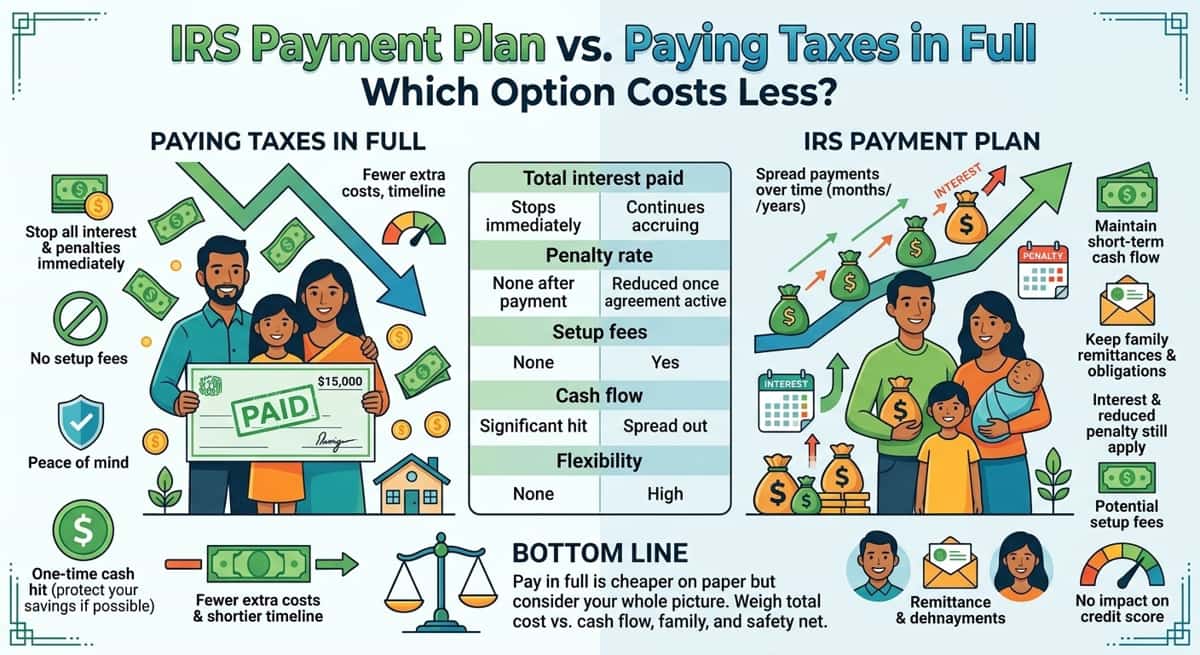
IRS Payment Plan vs. Paying Taxes in Full: Which Option Costs Less?
Unexpected IRS debt can strain immigrants balancing budget needs and family remittances. While paying in full halts accruing interest and penalties immediately, an IRS payment plan provides manageable monthly flexibility without impacting credit scores. Choose by weighing total interest costs against your emergency savings and cultural financial commitments.
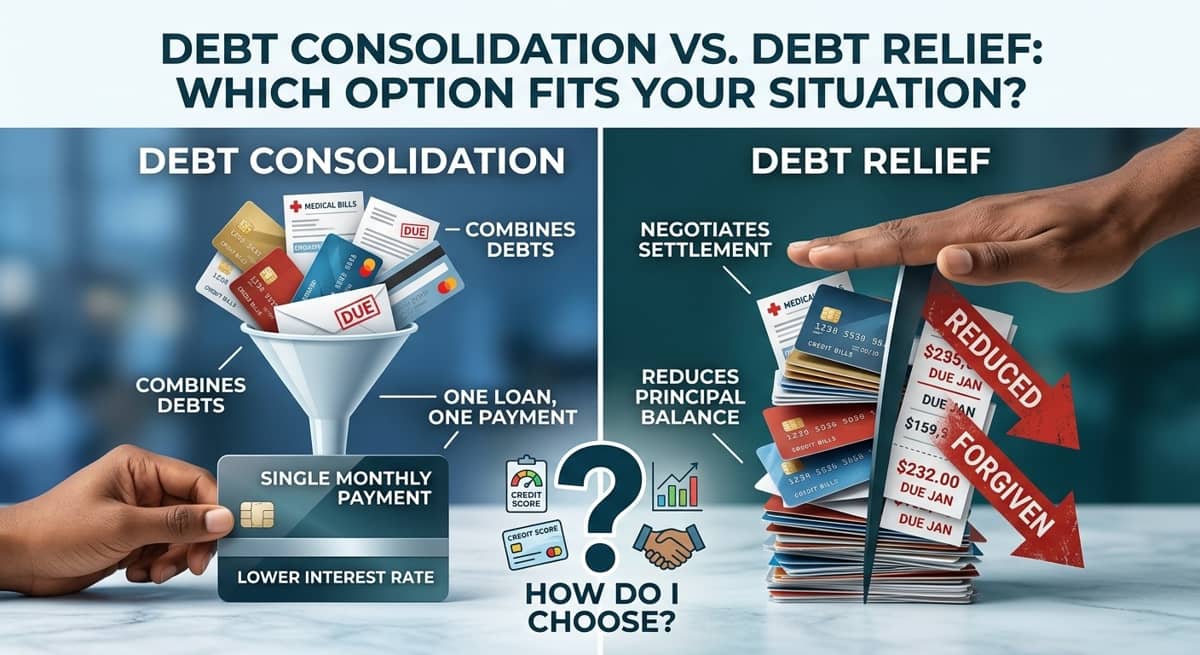
Debt Consolidation vs. Debt Relief: Which Option Fits Your Situation?
Debt consolidation combines multiple debts into one lower-interest payment without reducing the total amount owed, best for solid credit. Debt relief lowers interest or settled balances through management plans or settlement, impacting credit scores. Your best option depends on your credit score, repayment ability, and uncounted expenses like remittances.

Can You Consolidate Debt With a Low Credit Score?
Having a low credit score or thin credit file doesn't rule out debt consolidation. Viable options include nonprofit Debt Management Plans, credit union loans, secured loans, and cosigners. Always account for real expenses like remittances, watch for predatory scams, and consult a free accredited credit counselor to choose your path.
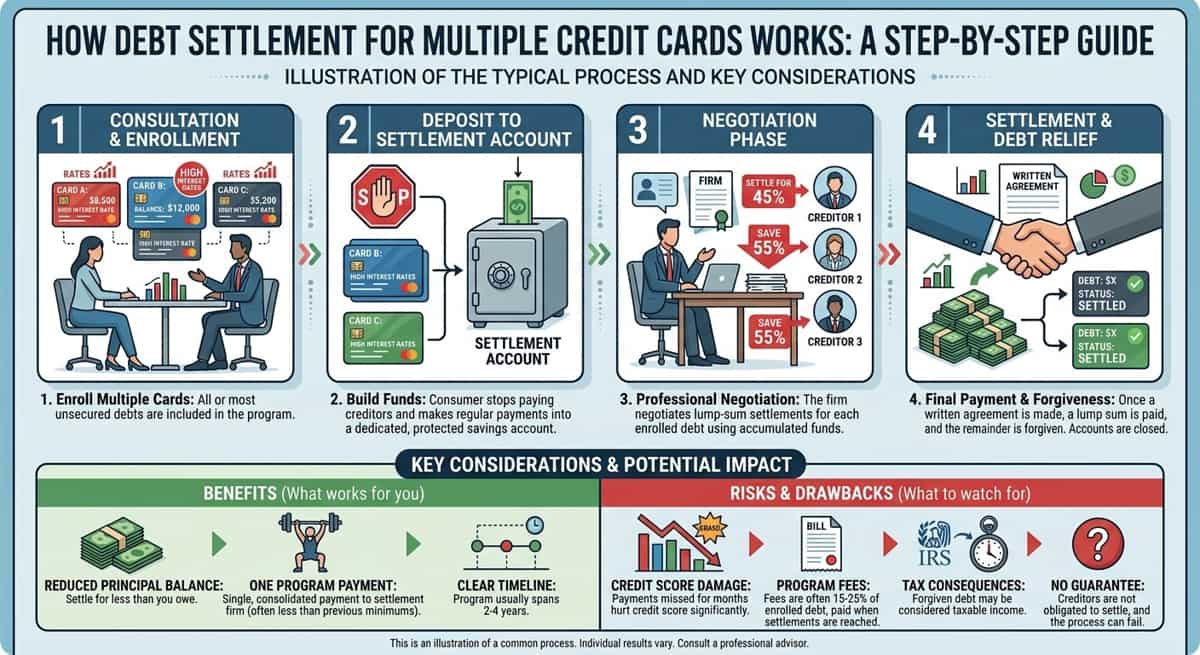
Debt Settlement for Multiple Credit Cards: How Does It Work?
Debt settlement negotiates multiple credit card balances down one by one over 2 to 4 years, offering relief but temporarily harming credit and adding potential tax liabilities. For South Asian families in the U.S., shared financial obligations, community stigma, and thin credit histories add distinct layers to this process.
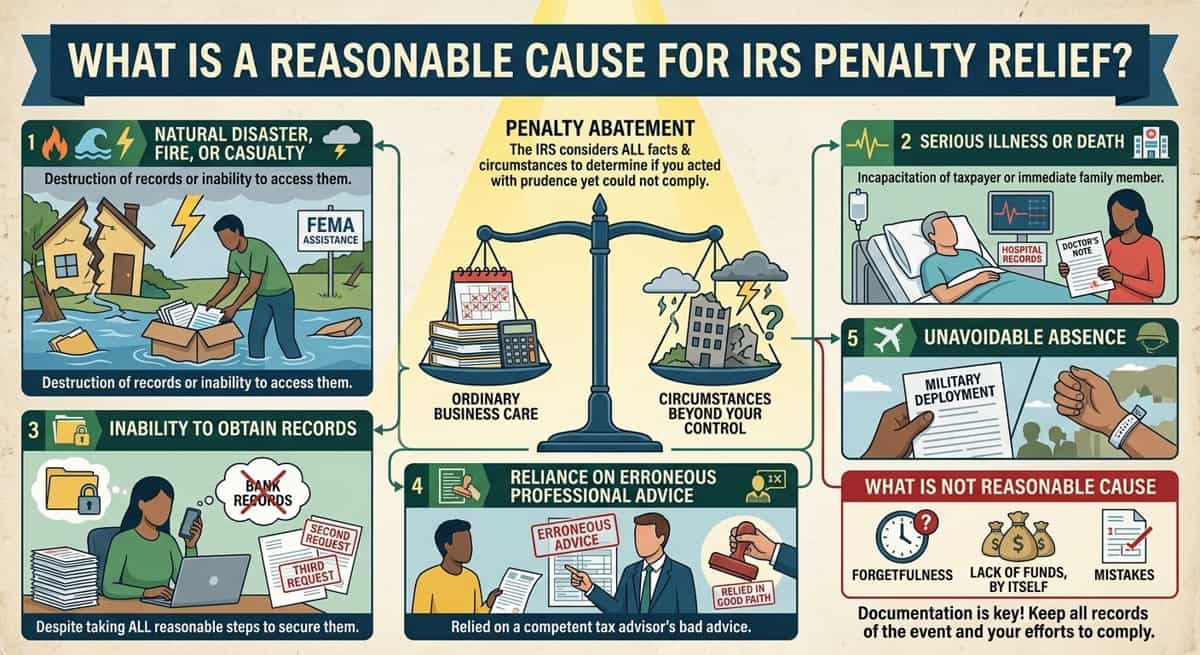
What Is a Reasonable Cause for IRS Penalty Relief
The IRS forgives penalties, though not base taxes, if uncontrollable events like illness, disasters, or family emergencies prevent timely filing. This relief particularly helps South Asian households navigating complex foreign asset reporting or cash-based business rules. Successful claims require clear documentation, though First-Time Penalty Abatement offers an easier alternative.
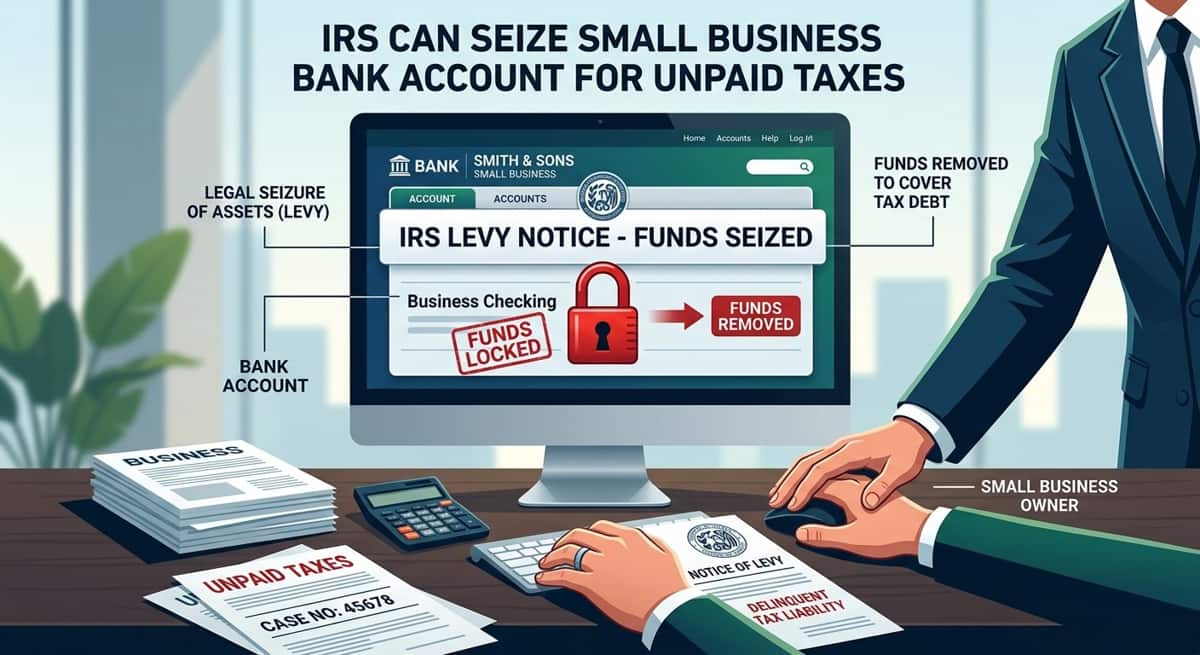
Can the IRS Seize a Small Business Bank Account for Unpaid Taxes?
The IRS can legally freeze and seize small business bank accounts for unpaid taxes, but only after sending required notices like LT11. Once levied, banks hold funds for 21 days before transfer. Business owners can stop or release a levy through installment agreements, hardship claims, or an Offer in Compromise.
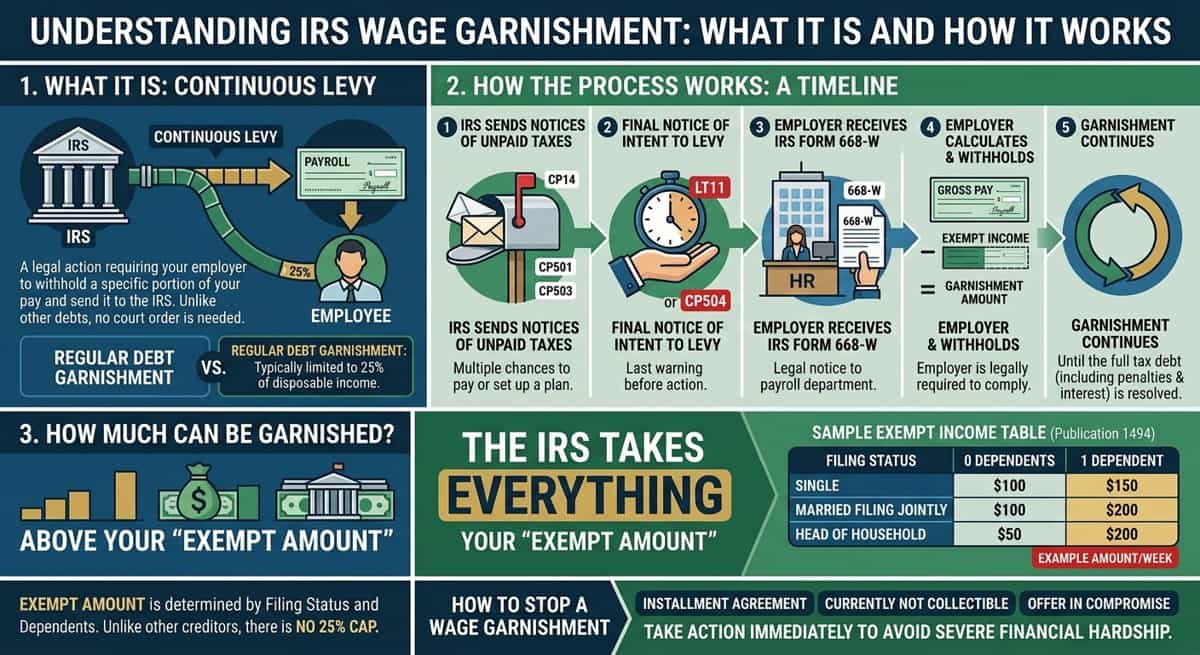
What Is an IRS Wage Garnishment and How Does It Work?
An IRS wage garnishment forces employers to send part of your paycheck to pay back taxes. Without needing court approval, the IRS takes everything above a small exempt threshold. You can stop or prevent it by acting within 30 days of the final notice through payment plans or hardship relief.
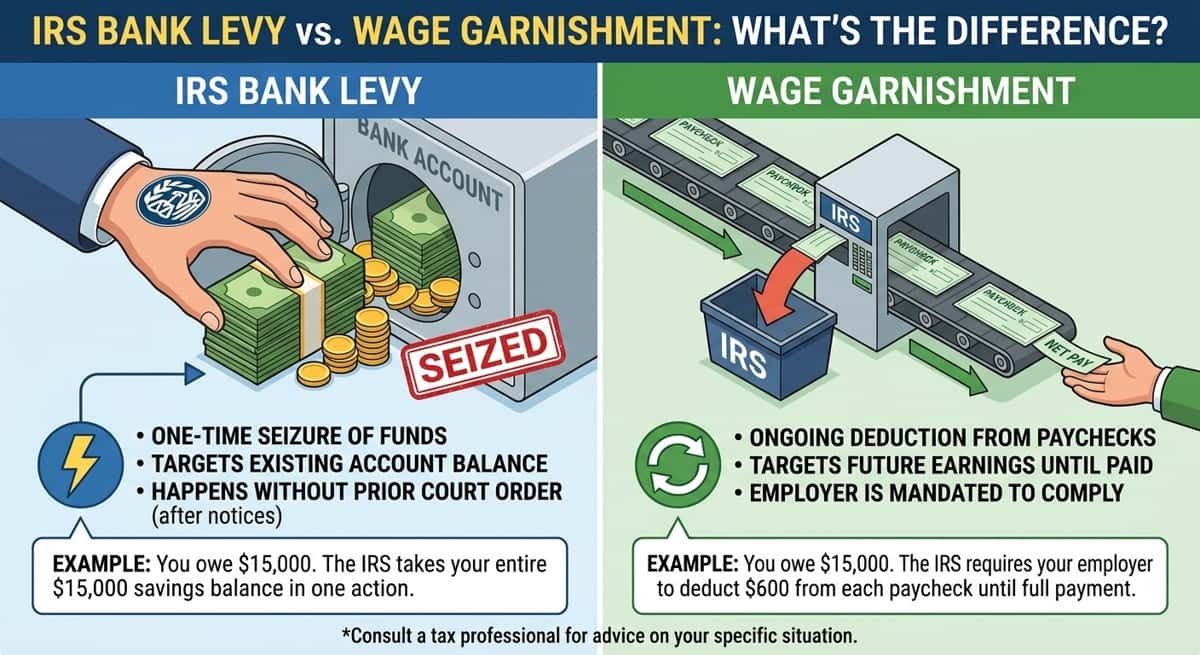
IRS Bank Levy vs. Wage Garnishment: What's the Difference?
An IRS bank levy takes existing funds directly from your account in a single action, following a 21-day holding period. In contrast, wage garnishment continuously deducts a percentage of every paycheck. Both actions stem from unaddressed tax notices but can be stopped through payment plans or hardship releases.