Self-Employed and Owe Taxes? A Guide for 1099 Workers
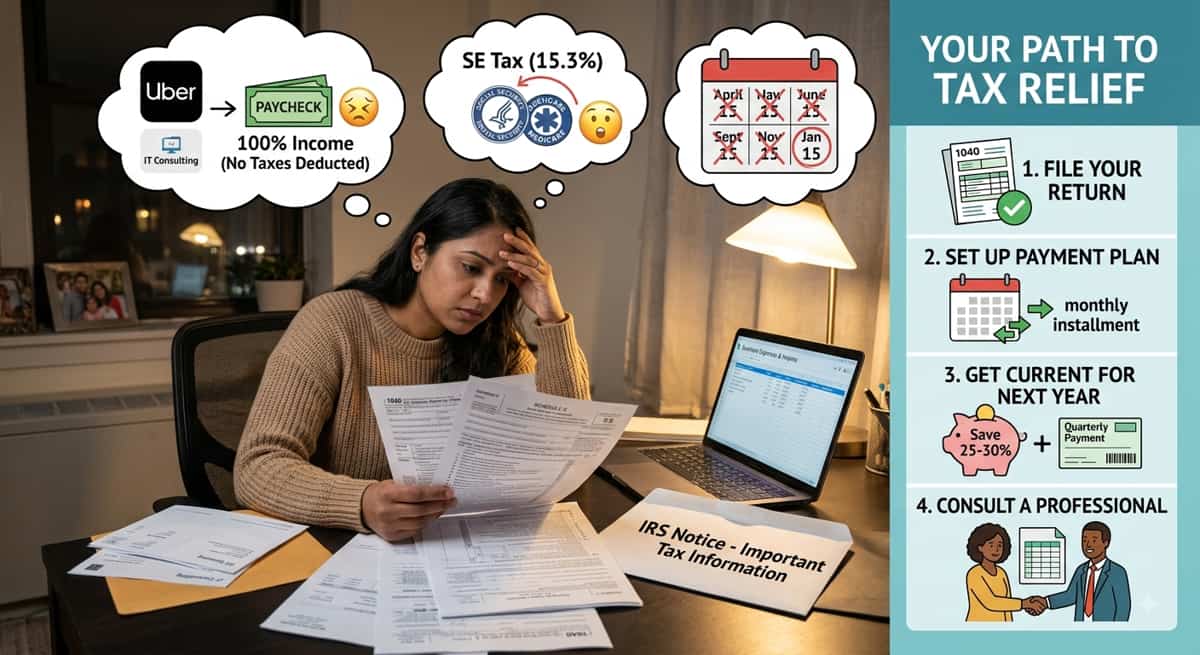
If you drive for Uber, run a small IT consulting business, do makeup or hair on the side, or file a Schedule C for any kind of self-employed work, you already know that being your own boss comes with freedom. But it also comes with something nobody warns you about at the start: taxes that nobody is taking out of your paycheck for you.
For a lot of South Asian families in the U.S., the first year of self-employment often ends the same way: a much bigger tax bill than expected, and a lot of stress about how to pay it. Maybe you moved from a W-2 job to running your own business. Maybe you're on an ITIN and not sure how the rules even apply to you. Maybe you simply didn't know you were supposed to pay taxes four times a year instead of once.
Whatever brought you here, take a breath. Owing the IRS is a common, fixable problem not a life sentence. Thousands of self-employed people go through exactly this every year, and most of them come out the other side with a manageable plan and a lot less stress than they started with.
You can set up a payment plan, ask for penalty relief, or explore tax debt relief options to settle for less than you owe." . The one thing you should never do is ignore the bill. That's the choice that costs the most in the end. Below, we'll walk through exactly why this happens and what to do next.
Why Do Self-Employed and 1099 Workers Owe Taxes So Often?
It's not because you did something wrong. It's because the system works very differently once you stop being a W-2 employee.
No Employer Withholding Means You're on Your Own
When you worked a regular job, your employer automatically took out federal tax, state tax, Social Security, and Medicare from every paycheck before you ever saw the money. As a 1099 worker, that safety net disappears. Every dollar a client or app pays you comes in full, with no taxes removed. That money looks like it's all yours to spend until tax season shows up and reminds you it wasn't.
The Self-Employment Tax Most New Contractors Don't Budget For
Here's the part that catches almost everyone off guard: on top of regular income tax, self-employed people owe self-employment tax, which covers Social Security and Medicare. When you had a job, your employer paid half of this for you automatically. Now that you work for yourself, you're responsible for both halves around 15.3% of your net earnings. Combined with income tax, it's easy to owe far more than you expected, especially in your first year.
Missed or Underpaid Quarterly Estimated Taxes
The IRS doesn't wait until April to collect from self-employed workers. You're expected to estimate your tax bill and pay it in four chunks throughout the year using Form 1040-ES. Many new 1099 workers don't know this exists, or assume they can just pay it all at once when they file. By the time they realize the rule, they already owe back taxes plus penalties for paying late.
The Unique Tax Challenges Facing South Asian Self-Employed Workers in the U.S.
Beyond the basics, there are situations that come up often in South Asian households and communities that make this even more complicated.
ITIN Holders, Mixed-Status Households, and Filing Complications
Many self-employed individuals in our community file taxes using an ITIN instead of a Social Security number, sometimes because of immigration status, and sometimes within a household where one spouse has a green card and the other doesn't. This can make filing more confusing, and it can also make people afraid to deal with the IRS at all out of fear it will affect their immigration case. It's important to know that filing your taxes and resolving tax debt is a financial matter, separate from your immigration status, and there are professionals who specialize in exactly this situation.
Cash-Heavy Businesses and Underreported Income
Salons, small grocery stores, home catering, tutoring, and similar businesses often deal in cash. When income isn't tracked carefully, it becomes very easy to underreport earnings without meaning to and then face a larger bill later when the IRS catches the gap through bank deposits or third-party reporting. This isn't always intentional; it's often simply the result of never having a system in place. Keeping simple, consistent records of every payment, even cash ones a notebook, a spreadsheet, or a basic bookkeeping app protects you here and makes tax season far less stressful when it arrives.
Cultural Stigma Around Debt and Delayed Help-Seeking
In many South Asian families, owing money especially to the government carries a heavy weight of shame. It can feel like admitting failure, or like something that reflects on the whole family's reputation, not just your own finances. That often means people wait far too long before asking for help, hoping the problem will somehow resolve itself or trying to hide it from a spouse, parents, or the wider community. But tax debt only grows the longer it's ignored it doesn't wait for you to feel ready. Reaching out early, quietly and privately if needed, is always the stronger move than waiting, and it almost always leads to a far better outcome than facing it alone months or years later.
What Happens If You Ignore Self-Employed Tax Debt?
Nothing about IRS debt gets better with time. Here's what tends to happen if a bill goes unpaid.
IRS Penalties and Interest That Compound Monthly
The IRS charges a failure-to-pay penalty and interest that adds up every single month your balance sits unpaid. A bill that felt manageable at first can balloon into something much bigger within a year or two, simply from penalties and interest stacking on top of the original amount.
Tax Liens vs. Tax Levies What's the Difference?
A tax lien is the government's legal claim against your property when you owe money it doesn't take anything from you directly, but it becomes public record and can hurt your ability to sell property, refinance a home, or get financing for your business.
A tax levy is more serious: it's the actual seizure of assets, like garnishing your bank account, taking a portion of your income, or seizing other property to collect what's owed. Think of it this way a lien is a warning sign attached to what you own, while a levy is the government actually taking action to collect.
The good news is that the IRS sends multiple notices before either one happens, which means you usually have time to act if you respond early instead of setting the letters aside.
Impact on Your Business Credit, Visa Status, or Green Card Process
Unpaid tax debt can affect your ability to get business loans or credit. And while owing taxes generally doesn't automatically affect a visa or green card application, unresolved federal debt and unfiled returns can complicate immigration paperwork and raise questions during review. Staying compliant filing on time and addressing what you owe keeps this from becoming an added obstacle in your immigration journey.
Step-by-Step: What to Do When You Owe the IRS as a 1099 Worker
Step 1 — File Your Return Even If You Can't Pay in Full
Never skip filing just because you can't pay. The penalty for not filing is much steeper than the penalty for not paying. File on time, then deal with the balance separately.
Step 2 — Pull Your IRS Transcript to Confirm What You Owe
Request your account transcript directly from the IRS to see the exact amount owed, including penalties and interest. This gives you a clear, accurate number to work with instead of guessing.
Step 3 — Calculate Your Real Monthly Cash Flow
Before choosing a repayment option, sit down and look honestly at what you earn and spend each month. This tells you what you can realistically afford, so you don't set up a plan you'll struggle to keep.
Step 4 — Explore Your Relief Options
The IRS offers several paths depending on your situation. We'll walk through each one in detail in the next section.
Step 5 — Get Current on Quarterly Payments Going Forward
Resolving old debt only helps if you don't repeat the cycle. Once you're on a plan, start paying quarterly estimated taxes going forward so you don't end up back here next year.
IRS Debt Relief Options for the Self-Employed
IRS Installment Agreement (Payment Plan)
This lets you pay your balance off in monthly installments instead of all at once. Most self-employed taxpayers who owe a manageable amount can set this up online without much hassle. It won't stop interest from adding up, but it does stop more aggressive collection action.
Offer in Compromise (OIC)
An Offer in Compromise lets you settle your tax debt for less than the full amount, but only if the IRS agrees you genuinely can't pay the full balance now or in the future. It requires detailed financial documentation and isn't guaranteed but for people in real financial hardship, it can be life-changing.
Currently Not Collectible (CNC) Status
If paying anything right now would leave you unable to cover basic living expenses, the IRS can pause collection entirely under Currently Not Collectible status. The debt doesn't disappear, but the pressure does, giving you breathing room until your situation improves.
Penalty Abatement
If you have a reasonable cause like a medical emergency, a natural disaster, or another serious hardship you may be able to get some or all penalties removed, even if you still owe the underlying tax.
Which Option Fits Your Situation?
Option | Best For | Typical Timeline |
Installment Agreement | Steady income, moderate debt | Set up in days, pay over months/years |
Offer in Compromise | Serious, long-term financial hardship | Several months to review |
Currently Not Collectible | Temporary inability to pay anything | Reviewed periodically |
Penalty Abatement | One-time hardship event | Weeks to a few months |
State Tax Debt - Don't Forget Your State Obligations
The IRS isn't the only one you may owe. States like New York, New Jersey, California, Texas, and Georgia all home to large South Asian communities have their own self-employment tax rules and their own collection processes. State agencies can also place liens or garnish wages, which is why having structured debt resolution services for both state and federal obligations is critical. Don't assume that settling with the IRS automatically settles things with your state; they're two separate conversations.
How to Avoid Owing Taxes Again Next Year
Setting Aside 25–30% of Every 1099 Payment
A simple habit that prevents most future tax debt: every time you get paid, move 25–30% into a separate savings account and don't touch it. When tax time comes, the money is already there waiting.
Paying Quarterly Estimated Taxes on Time
Mark your calendar for the four estimated tax due dates each year. Paying a little every few months is far easier to manage than one massive bill in April.
Working With a Tax Professional
A Tax Professional who understands immigrant-owned businesses can help you set up the right systems from the start, catch deductions you might be missing, and make sure your filings match your actual visa or residency status. This one relationship can save you from ending up in this position again.
Should You Hire a Tax Relief Company or Handle It Yourself?
Red Flags of Predatory "Tax Relief" Companies
Be cautious of companies that promise to erase your debt for "pennies on the dollar" before even reviewing your finances, pressure you to pay large upfront fees, or guarantee approval for an Offer in Compromise. No legitimate professional can promise an outcome before looking at your actual numbers.
When Professional Help Is Worth the Cost
If your situation involves a large balance, a business, multiple years of unfiled returns, or immigration considerations, working with a trusted partner like Ooraa's debt relief team is usually worth it to negotiate directly on your behalf. They can deal directly with the IRS on your behalf and help you avoid costly mistakes, something that's much harder to do alone when the stakes are high.
Final Thoughts: You Have More Options Than You Think
Owing taxes as a self-employed worker feels overwhelming, but it's also incredibly common and very solvable. The worst thing you can do is stay silent and let the debt grow quietly in the background. The best thing you can do is take one small step today: pull your transcript, make a call, or sit down with a professional who understands your situation. You built a business on your own terms. You can handle this the same way one clear step at a time.
Ready to Get Started?
Get a free consultation with a certified debt consultant to see if debt settlement is right for you.
Get Free ConsultationAbout the Author
Bhupinder Bajwa
.
Related Articles
10 Reasons Why You Should Pay Off Debt
9 min read
IRS Tax Fraud: Types, Penalties, Warning Signs, and What to Do
11 min read
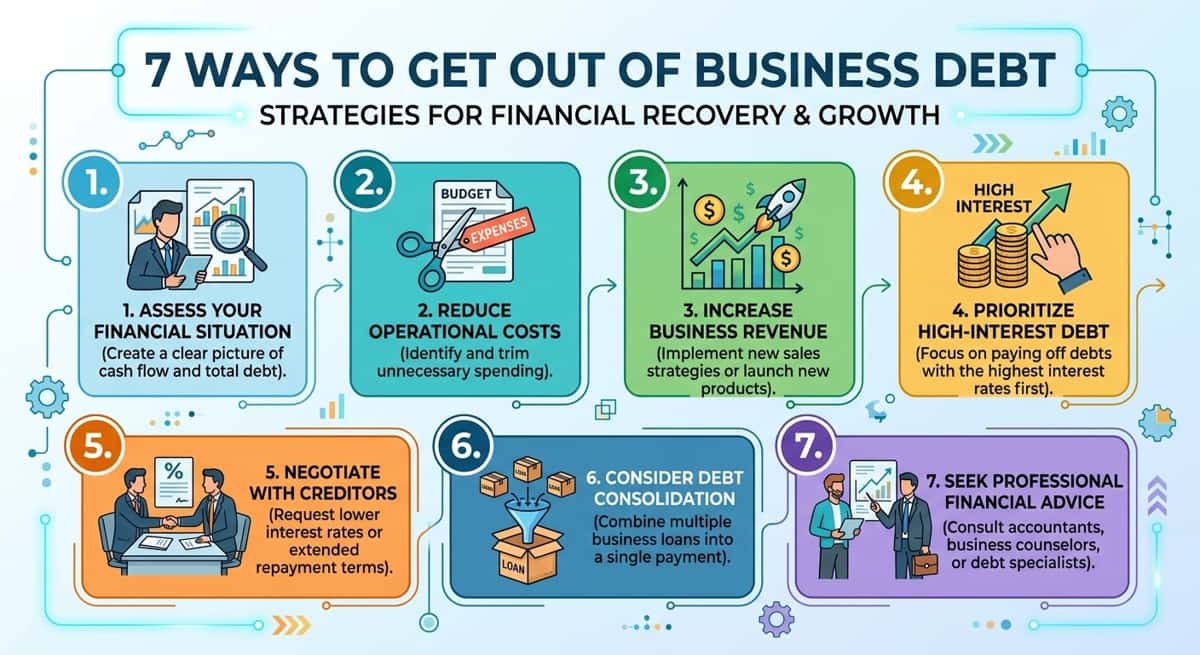
7 Ways To Get Out Of Business Debt
11 min read
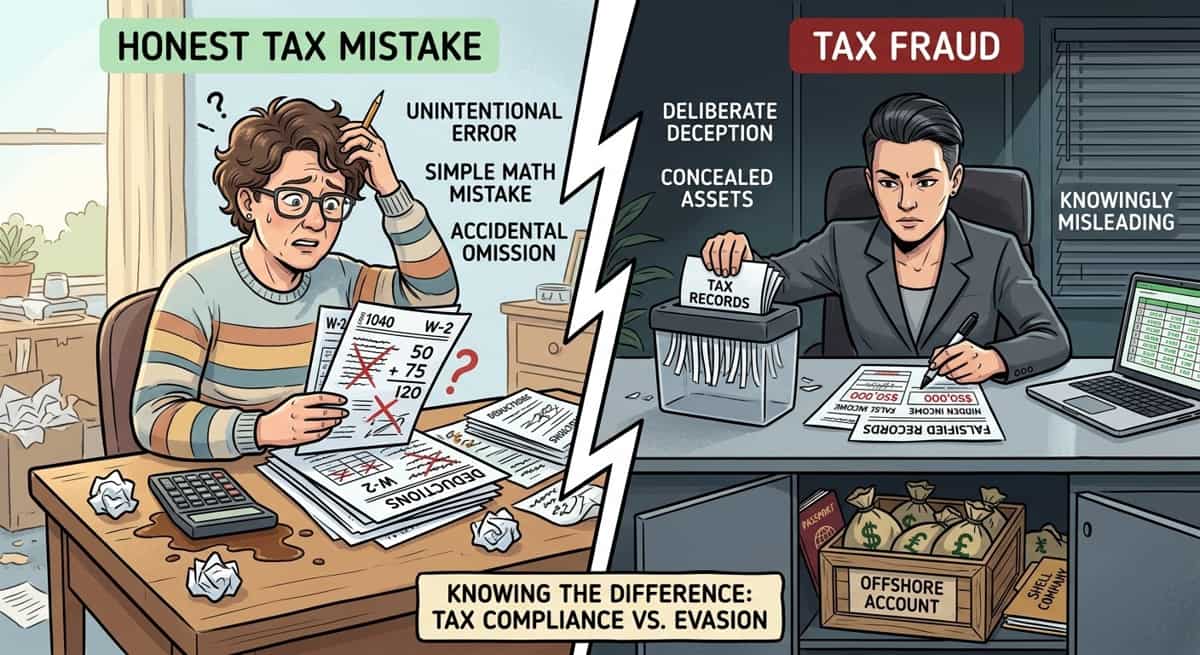
What Is the Difference Between Tax Fraud and an Honest Tax Mistake?
11 min read
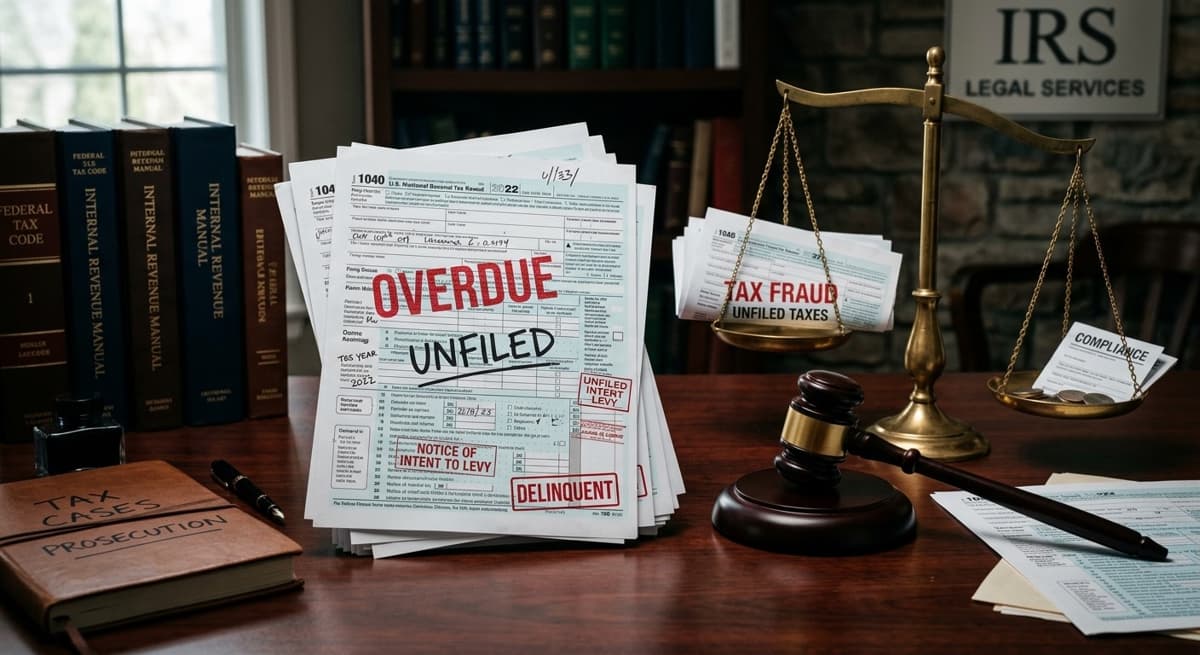
Can You Be Charged With Tax Fraud for Not Filing Taxes?
10 min read
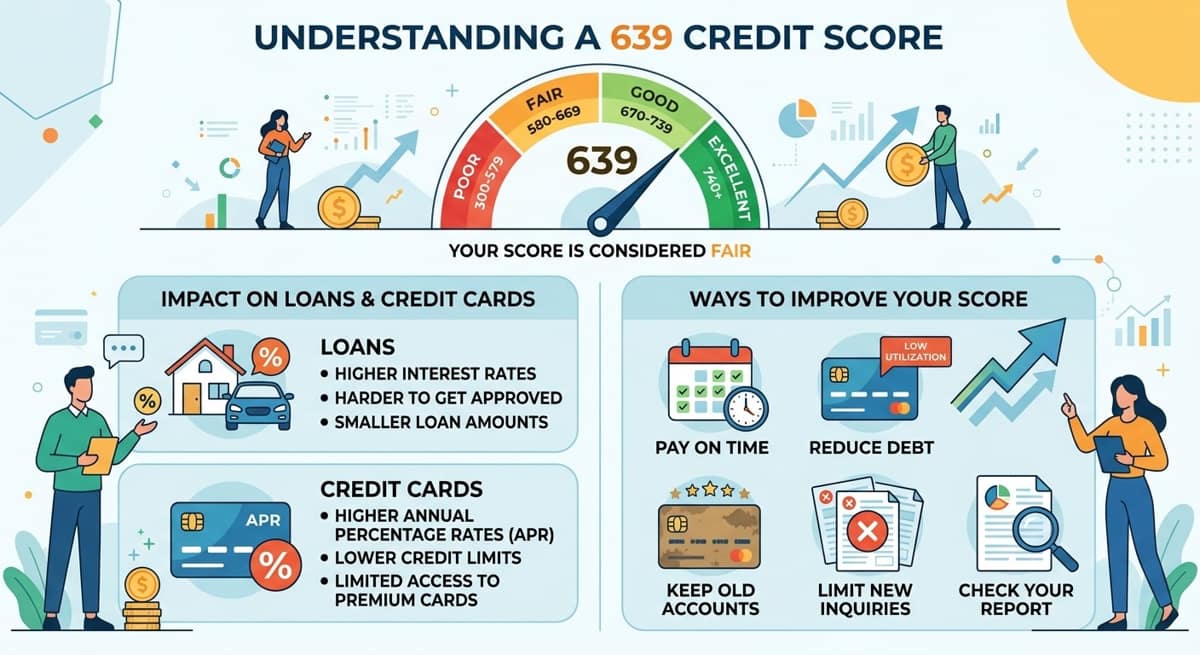
Is 639 A Good Credit Score? How It Affects Loans, Credit Cards And Ways To Improve It
12 min read
Get Your Free Consultation
Speak with a certified debt consultant to explore your options.
Start NowNo obligation • Free consultation