
What Is an IRS Offer in Compromise and How Does It Work?
This is where so many taxpayers get lost in their IRS tax debt because they have fallen into hard times (handled financial hardships through no fault of your own, job loss, medical expenses, business going bust. If paying in full is simply too much to bear, the IRS may provide you with an Offer in Compromise (OIC). You become eligible by proving you will not be able to pay back the full amount owed without creating a financial hardship or because it is not possible at all in most cases through this program. Nevertheless, it is not automatic that you qualify for an Offer in Compromise the IRS examines every application according to the taxpayer's circumstances.
How does an IRS Offer in Compromise work: Before you can see if the Offer in Compromise is a good option for you, you must first know what it is. The application process includes the submission of detailed financial data and general eligibility requirements that must be met. In this guide, you will learn about an Offer in Compromise, how it works, if you may qualify for it and the step by step process to apply along with all the important elements that the IRS considers when reviewing your offer and deciding acceptance or rejection.
What Is an IRS Offer in Compromise?
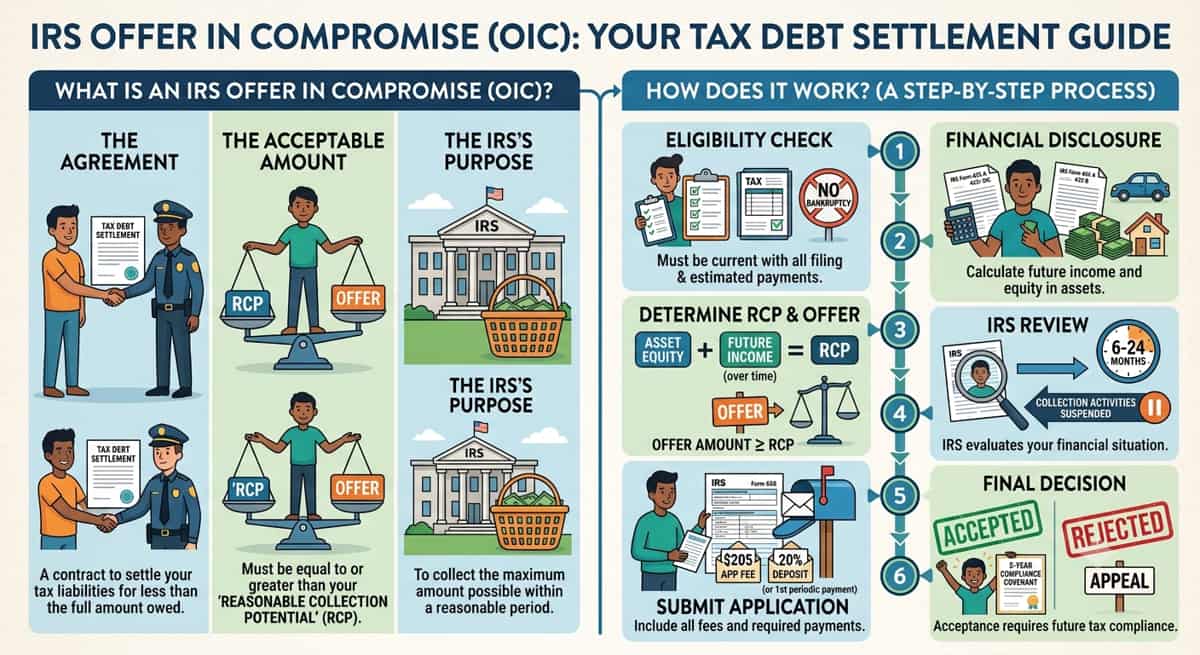
An Offer in Compromise is an agreement between you and the IRS that lets you settle your tax debt for less than the full amount you owe. The IRS agrees to this when it looks at your income, expenses, and assets and decides that accepting a lower amount is the most it could realistically collect from you now or in the near future. In short, it's the IRS saying, "We'll take what you can actually pay, and call it settled."
How Does an Offer in Compromise Work?
Think of it this way: the IRS doesn't just look at how much you owe. They look at how much they could realistically get from you if they tried to collect for the next several years. This number is called your Reasonable Collection Potential and it's built from your income, your monthly expenses, and the value of things you own, like a car, a house, or savings.
If the amount you offer to pay is equal to or more than what the IRS calculates you could pay, they may accept it. If you offer less than that, they'll likely reject it. That's why the paperwork matters so much the IRS is going to look closely at your bank statements, pay stubs, and bills before they decide.
There's another important thing to understand: this isn't a program for people who simply don't feel like paying their taxes. It's meant for people going through real financial hardship job loss, medical bills, a business that didn't survive, or income that just isn't enough to cover both daily life and old tax debt.
The Three Types of Offers in Compromise
Not every Offer in Compromise is submitted for the same reason. The IRS recognizes three different grounds:
Doubt as to Collectibility — This is the most common type. It applies when you likely won't ever be able to pay the full amount, based on your income and assets.
Doubt as to Liability — This applies when there's a genuine question about whether you actually owe the tax at all, or whether the amount is correct.
Effective Tax Administration — This applies when you could technically pay the full amount, but doing so would create serious economic hardship or would be unfair given your specific circumstances.
Most families and individuals who apply fall into the first category they simply don't have the means to pay the full balance.
Who Qualifies for an IRS Offer in Compromise?
Not everyone who owes the IRS money will qualify. The IRS has some baseline rules before they'll even consider your offer.
Eligibility Checklist
Before you apply, you generally need to:
Have filed all required tax returns (you can't owe money on a return you haven't even filed yet)
Have made all required estimated tax payments for the current year, if you're self-employed
Not be in an open bankruptcy proceeding
Genuinely be unable to pay your full tax debt, either now or through a reasonable payment plan
Not be under active audit or have a pending claim that hasn't been resolved yet
You can check whether you're likely to qualify using the IRS's free Offer in Compromise Pre-Qualifier tool online before you spend time filling out paperwork.
Common Reasons Offers Get Rejected
Many offers get denied, and it's usually not because someone was dishonest it's usually one of these:
Missing tax returns that hadn't been filed yet
Incomplete or inconsistent financial disclosure forms
An offer amount that's too low compared to what the IRS calculates you can pay
Ongoing self-employment tax payments that weren't kept current while the offer was pending
Getting the paperwork right the first time matters a lot, because a rejected offer can mean starting the whole process over.
Do Visa Holders and Green Card Applicants Need to Worry About Immigration Impact?
This is probably the question weighing on you the most, and it's completely understandable. Owing the IRS money and worrying about your visa status or your path to citizenship at the same time is a heavy combination to carry.
Here's what's important to understand: tax debt itself is a civil, financial matter. It's handled separately from your immigration case. Filing an Offer in Compromise does not automatically put your visa or green card at risk.
That said, staying current and compliant with your taxes does matter down the road. When you apply for naturalization, US Citizenship and Immigration Services reviews your history to confirm "good moral character," and unresolved tax problems can come up as part of that review. This is exactly why resolving tax debt rather than ignoring it is the smarter path, whether or not you're planning to apply for citizenship soon.
Because immigration rules are personal to your specific visa category, timeline, and history, this is a place where a conversation with a licensed immigration attorney is worth having alongside your tax resolution plan. Your tax professional and your immigration attorney are not the same person, and it's worth having both in your corner if your situation feels complicated.
How to Apply for an IRS Offer in Compromise (Step-by-Step)
Here's what the actual process looks like from start to finish:
Confirm eligibility. Use the IRS's free Offer in Compromise Pre-Qualifier Tool to get a rough sense of whether you're likely to qualify before investing time in paperwork.
Gather your financial documents. You'll need details on your income, monthly expenses, family size, bank accounts, and any assets you own.
Complete Form 433-A (OIC). This is the individual financial disclosure form. If you own a business, you'll also need Form 433-B (OIC).
Complete Form 656. This is the actual offer form, where you state how much you're proposing to pay and why.
Calculate and submit your offer amount. This should reflect what the IRS's own formula suggests you can reasonably pay, based on your Form 433-A figures.
Pay the application fee, currently $205, unless you qualify for a low-income waiver.
Submit your initial payment. If you're paying in a lump sum, this is typically 20% of your total offer amount, submitted along with your application. If you're proposing periodic payments, you'll submit your first installment instead.
Wait for IRS review. This part takes patience processing typically takes six months to a year, sometimes longer depending on your case.
Documents You'll Need to Prepare
Before you sit down to fill out the forms, gather these ahead of time so the process moves faster:
Recent pay stubs or proof of income
Bank account statements (checking and savings)
Monthly bills and expense records (rent, utilities, insurance, loan payments)
Vehicle and property ownership details
Business financial records, if you're self-employed
Documentation of family size and dependents
Having everything organized before you start filling out Form 433-A will save you a lot of back-and-forth stress later.
How Much Does an Offer in Compromise Cost?
As of now, the IRS charges a non-refundable application fee of $205. If your income falls at or below 250% of the federal poverty guidelines for your family size, you may qualify for a waiver of this fee by completing the Low-Income Certification section on Form 656.
On top of the application fee, you'll also need to submit an initial payment along with your offer. If you're proposing a lump-sum offer, this is 20% of your total offer amount upfront. If you're proposing monthly payments instead, you'll submit your first monthly installment along with your application, and continue making payments while the IRS reviews your case.
Here's something important to know: even if your offer is ultimately rejected, the application fee and any payments you made are non-refundable they get applied toward your existing tax balance instead. This is why it matters to get your numbers right before you apply, rather than treating it as a low-stakes trial run.
Offer in Compromise vs. Other IRS Debt Relief Options
One IRS tax relief program is an Offer in Compromise (OIC). It can help you with an enormous percentage of your tax liability, but it's not the ideal option for everyone. Which solution makes the most sense will really be impacted by your financial landscape, income and ability to pay.
Installment Agreement
With the Installment Agreement process, taxpayers can repay their IRS tax debt through monthly payments rather than a lump-sum payment. This option is best for those that are able to pay the entire balance over time but require more time to do so. While the CPCA is usually easier to qualify for than an Offer in Compromise, you will still owe the entire balance and additional interest and penalties where they apply.
Currently Not Collectible (CNC) Status
The process of obtaining Currently Not Collectible (CNC) status begins by proving to the IRS that paying your tax debt would cause significant financial hardship. If approved, the IRS temporarily pauses collection efforts, but your debt is not forgiven. Interest and penalties may continue to accrue, and collections can resume if your financial situation improves.
Which One is Right for You?
When comparing an Installment Agreement and an Offer in Compromise, the right choice depends on your financial situation. If you can afford to pay your tax debt over time, an Installment Agreement is usually the simpler and more straightforward option. However, if paying the full amount would create a serious financial burden, an Offer in Compromise may be a better solution. It gives eligible taxpayers the opportunity to settle their tax debt for less than the total amount owed, making it easier to move forward financially.
How Long Does the IRS Offer in Compromise Process Take?
Most Offers in Compromise take somewhere between six and twelve months to be fully reviewed, though more complicated cases can take longer. Factors that can speed things up include submitting complete, accurate paperwork the first time and responding quickly if the IRS requests additional documents. Factors that slow things down include incomplete forms, high case volume at the IRS, or an offer amount that needs further negotiation.
During this waiting period, the IRS generally pauses other collection activities against you, though a federal tax lien may still be filed to protect their interest while your case is under review.
Common Mistakes Immigrant Taxpayers Make With IRS Debt
Over the years, certain patterns show up again and again among immigrant taxpayers, and recognizing them early can save you a lot of stress:
Ignoring IRS notices. In many home countries, tax collection doesn't work the way it does here, so some people assume a letter can be set aside. In the US, ignoring IRS notices only makes penalties and interest grow.
Falling for "settle for pennies on the dollar" ads. Companies that promise guaranteed, dramatic reductions in your tax bill before even reviewing your finances are almost always overselling. No legitimate professional can guarantee IRS approval before reviewing your case.
Not knowing free help exists. Low Income Taxpayer Clinics and Volunteer Income Tax Assistance programs offer free or low-cost help, and many people never learn these resources exist.
Missing deadlines due to language barriers. IRS notices are dense and full of legal language, even for native English speakers. If something is unclear, it's worth getting a trusted translator or professional to review it rather than guessing.
Mixing personal and business tax debt. Many South Asian families run small businesses restaurants, retail stores, trucking companies, consulting practices and it's easy to blur personal and business finances. The IRS treats these separately, and keeping clean records makes any resolution process smoother.
Should You Hire a Tax Professional for Your Offer in Compromise?
You're allowed to file an Offer in Compromise on your own, and some straightforward cases are manageable without professional help. But given how detailed the financial disclosure requirements are, and how much rides on getting the offer amount right, many people find it worthwhile to work with an Enrolled Agent, CPA, or tax attorney especially if you have a business, multiple income sources, or a more complicated financial picture.
If you do decide to get help, be careful about who you trust. Some warning signs of a scam-oriented "debt relief" company include:
Guaranteeing a specific settlement amount before reviewing your full financial situation
High-pressure sales tactics or demands for large upfront fees
Vague answers when you ask about their credentials or licensing
Refusing to put fee structures or services in writing
A legitimate tax professional will ask detailed questions about your finances before making any promises, and they'll be transparent about their licensing and fees from the start.
Key Takeaways
An Offer in Compromise lets you settle IRS tax debt for less than the full amount, based on what you can realistically pay.
Eligibility depends on your income, expenses, assets, and tax filing history not on your immigration status.
The application fee is currently $205, with a waiver available for low-income taxpayers.
Processing typically takes six months to a year, so patience and complete paperwork matter.
Be cautious of companies promising guaranteed results before reviewing your finances legitimate help starts with real questions, not big promises.
Ready to Get Started?
Get a free consultation with a certified debt consultant to see if debt settlement is right for you.
Get Free ConsultationAbout the Author
Bhupinder Bajwa
.
Related Articles
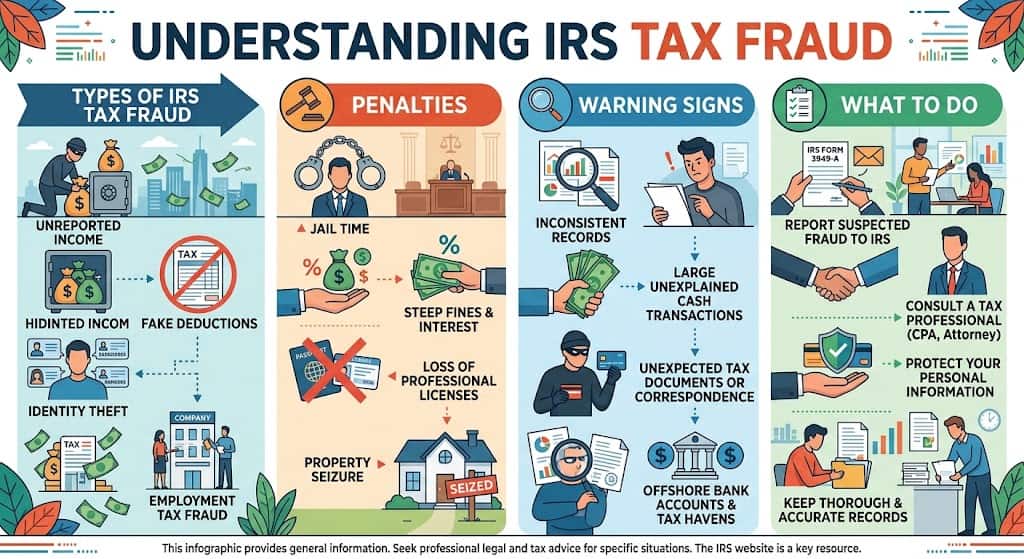
IRS Tax Fraud: Types, Penalties, Warning Signs, and What to Do
11 min read
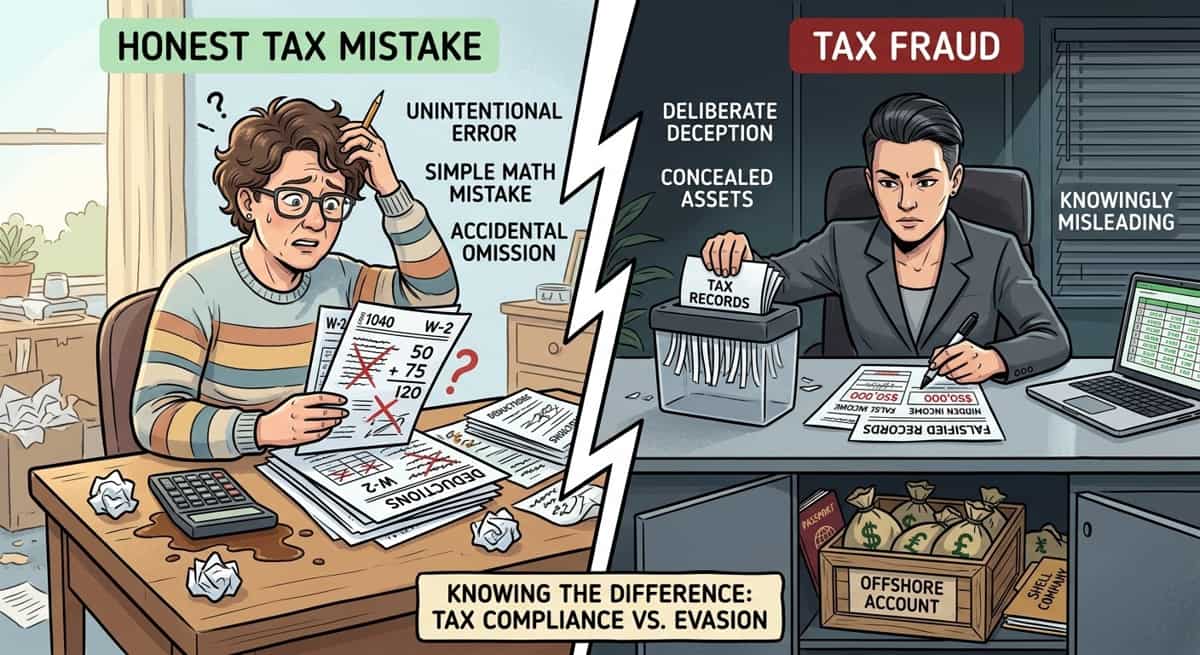
What Is the Difference Between Tax Fraud and an Honest Tax Mistake?
11 min read
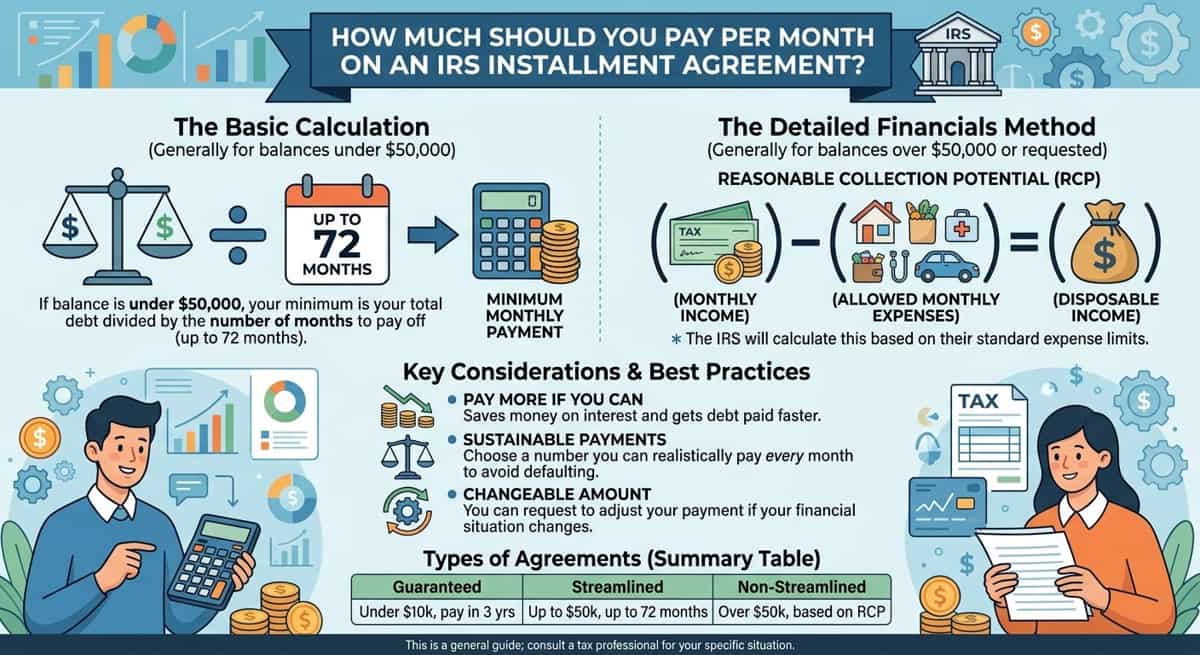
How Much Should You Pay Per Month on an IRS Installment Agreement?
10 min read
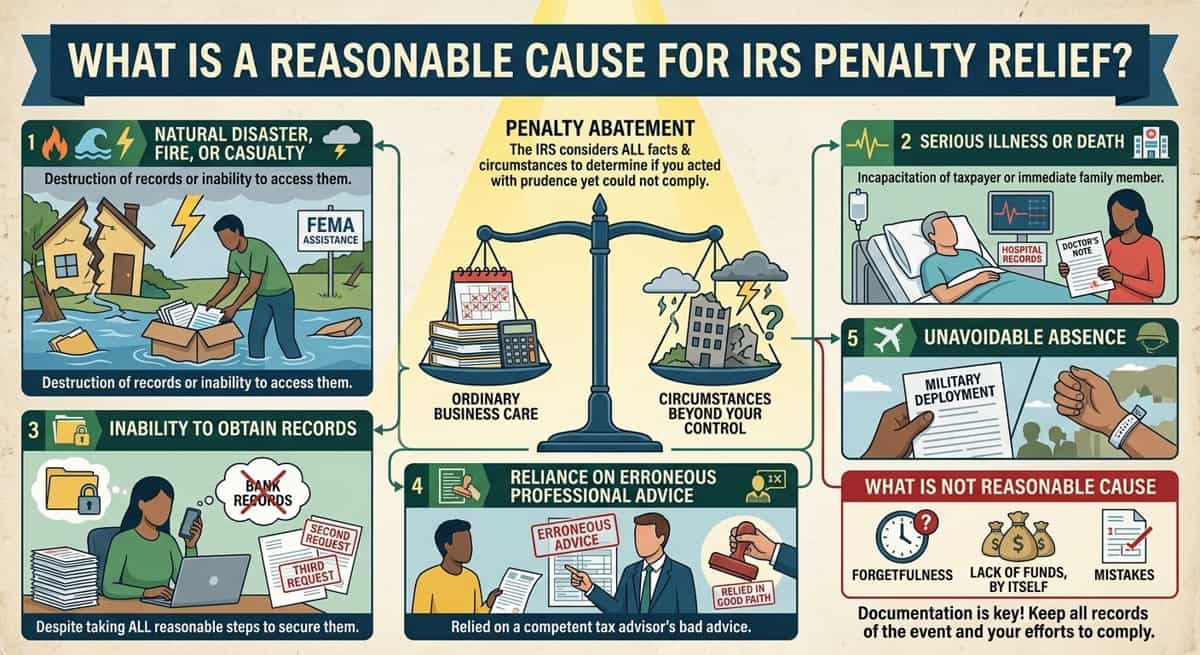
What Is a Reasonable Cause for IRS Penalty Relief
12 min read
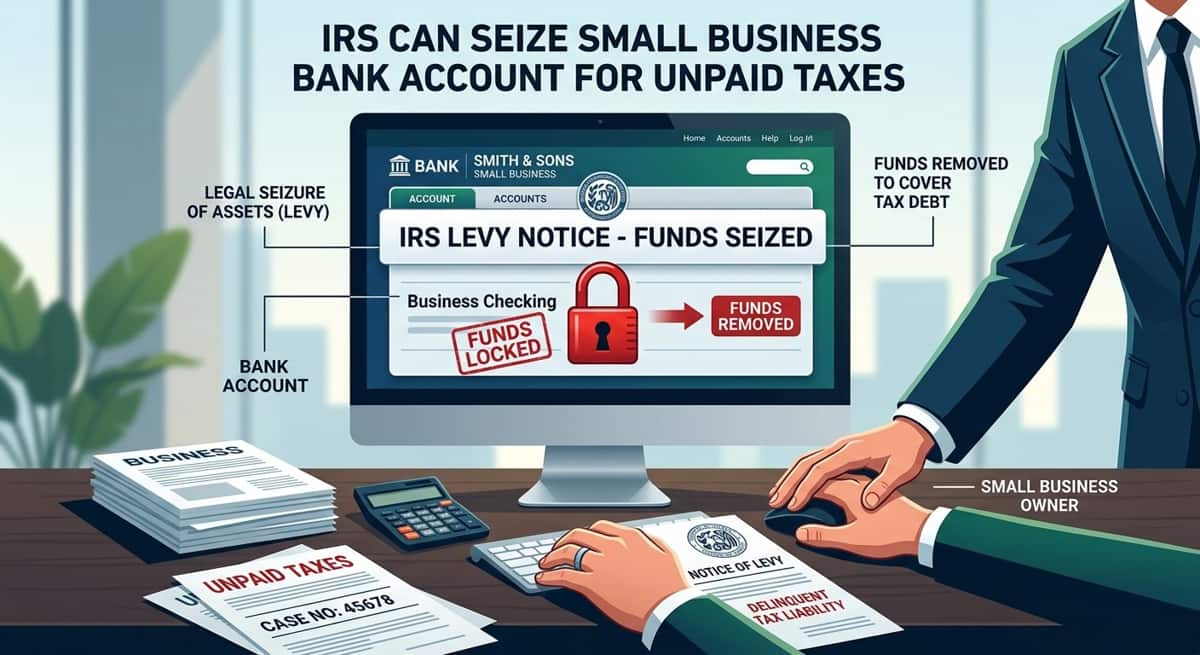
Can the IRS Seize a Small Business Bank Account for Unpaid Taxes?
11 min read
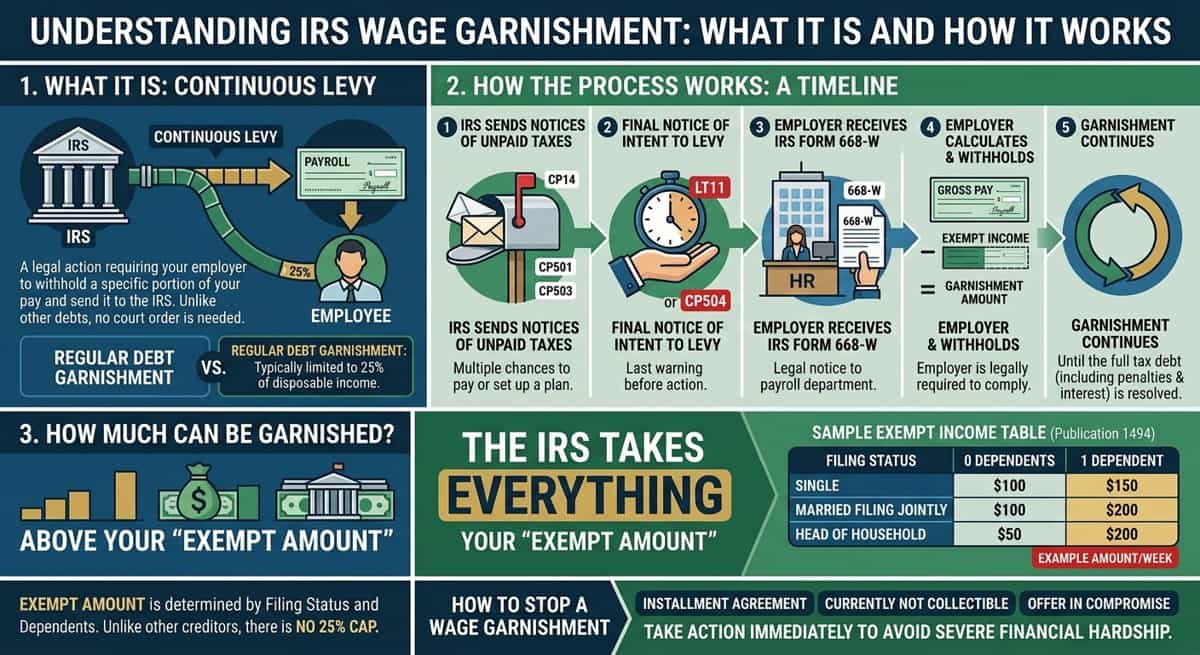
What Is an IRS Wage Garnishment and How Does It Work?
10 min read
Get Your Free Consultation
Speak with a certified debt consultant to explore your options.
Start NowNo obligation • Free consultation