
Unfiled Tax Returns: What Should You Do?
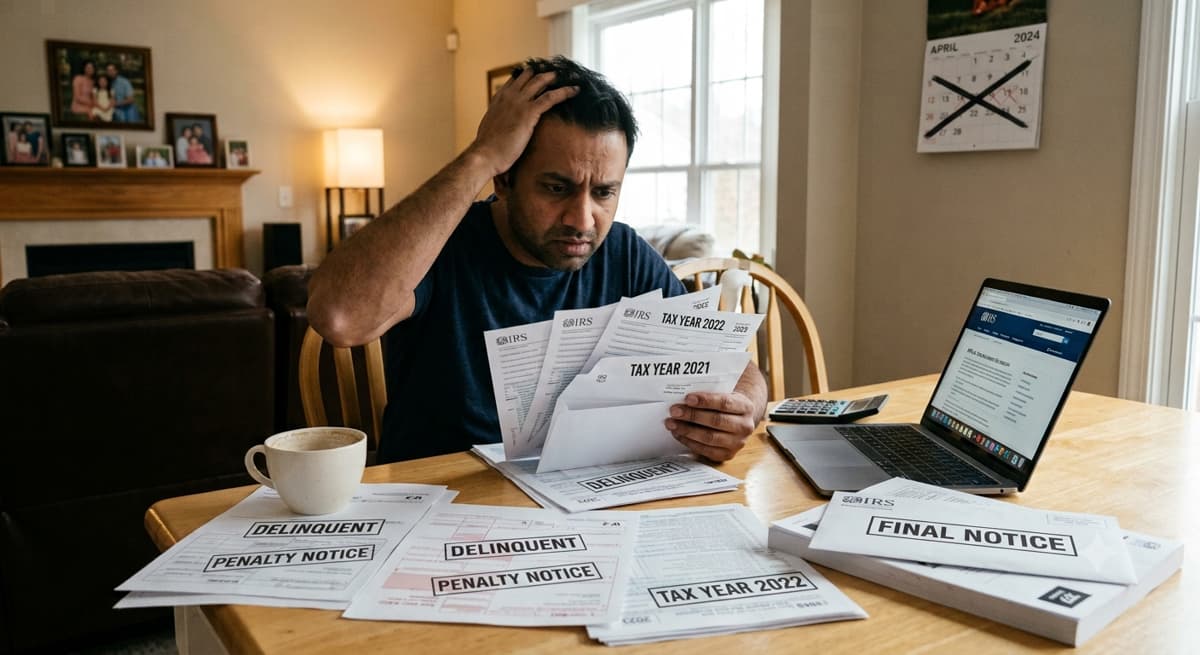
If tax returns go unfiled, it can be a very serious financial problem, but it is often easier to resolve than people think. If you have failed to file one return or multiple returns, ignoring them completely opens the door to hardship: penalties, interest, delayed refunds or collection actions from the IRS. Some taxpayers end up behind because of some combination of financial difficulty, missing records, life changes, or just being overwhelmed with having to file. Whatever the reason, now is better than later to act because this may save you more money and get your finances in order. For most situations, the IRS has options available that will allow someone to get back on track with past due returns and find a resolution for unpaid tax. The first step to re-compliance is understanding your obligations and the solutions out there for you. In this guide we will cover what unfiled tax returns are, why you should never ignore your filings and finally the action steps to getting on top of it all.
What Counts as an "Unfiled Tax Return"?
An unfiled tax return simply means a year where you were required to file with the IRS, but didn't. Whether you had a filing requirement depends on a few things: how much you earned, your filing status (single, married, head of household), and where that income came from.
If you worked a regular job, your employer sent you a W-2, and taxes were likely already withheld from your paycheck. If you did freelance work, drove for a rideshare app, or ran a small business, you may have received 1099 forms and that income usually comes with no taxes withheld at all, plus self-employment tax on top. Even if your income was below the usual filing threshold, you may still have needed to file to claim a refund or report self-employment earnings. If you're not sure whether a past year required a return, that's one of the first things a tax professional can check for you.
Why This Matters More If You're on a Visa or Green Card
Here's the part most tax articles skip, and it's often the real source of the worry: unfiled taxes don't just affect your wallet. They can show up during immigration paperwork too.
When you apply for citizenship (Form N-400), USCIS looks at your history for what's called "good moral character," and tax compliance is part of that picture. If you're sponsoring a family member or going through adjustment of status, you may need to submit copies of past tax returns or an Affidavit of Support that relies on your filed income. If your returns aren't filed, that can complicate or delay the process.
To be clear unfiled taxes don't automatically mean a denied application. It's a factor USCIS can consider, not an automatic disqualifier, and every case is different depending on visa category, how many years are unfiled, and the reason. But because the stakes are higher for immigration cases, it's worth getting current on your taxes before you file anything with USCIS, and it's worth talking to both a tax professional and an immigration attorney together rather than assuming one covers the other. Nothing in this article is immigration legal advice think of it as a heads-up to loop in the right professionals early.
Common Reasons South Asian Families Fall Behind on Filing
If you're in this situation, you're in good company, and there are usually very understandable reasons behind it:
Cash-based family businesses. Motels, gas stations, grocery stores, and restaurants often run on cash flow that's hard to track cleanly, especially in the early years of ownership.
Coming from a different tax system. In many South Asian countries, taxes work very differently, and nobody hands you a manual when you land in the U.S. It's easy to assume your employer or a relative "took care of it."
Relying on informal preparers. A cousin's friend who "does taxes" without a license can mean returns that were never actually filed, or filed incorrectly, without you realizing it for years.
ITIN confusion. If a spouse or dependent doesn't have a Social Security Number, figuring out how to include them correctly can stall the whole filing process.
The stigma of admitting there's a problem. In many of our families, money trouble isn't something you talk about, even with people close to you so the paperwork just sits, and the anxiety grows quietly.
None of these reasons make the situation your fault. They just explain why so many people end up here, and why the fix is usually more straightforward than the worry around it.
What Actually Happens If You Don't File?
The IRS doesn't send anyone to your door the moment a deadline passes. But over time, a few things start stacking up.
There are two separate penalties, and they're not the same thing. The failure-to-file penalty applies when you don't submit a return by the deadline, and it's generally the steeper of the two. The failure-to-pay penalty applies when you owe money and haven't paid it, even if you did file. Both penalties accrue monthly, and interest builds on top of the unpaid balance the entire time.
If you go long enough without filing, the IRS can also file what's called a Substitute for Return (SFR) on your behalf, using whatever income information they've received from employers or clients. The problem is that an SFR almost never includes deductions, dependents, or credits you'd actually qualify for so the bill it generates is usually higher than what you'd owe if you filed the real return yourself.
Now, the fear a lot of people carry: "Will I go to jail for this?" In almost every unfiled-return situation, the answer is no. Simply not filing is treated as a civil matter penalties and collection, not criminal charges. Criminal tax evasion is a different, much rarer category that requires the IRS to prove you willfully and deliberately tried to defraud the government, not just that you fell behind. Falling behind on filing, even for several years, is common and fixable.
The Statute of Limitations Myth
A lot of people wait to file because they've heard "the IRS only has a few years to come after you." That's true, but only once a return exists.
The IRS generally has three years to audit a filed return, and ten years to collect a tax debt after it's assessed but both of those clocks only start ticking once a return is filed (by you, or as an SFR on your behalf). If you never file, there's no clock running out on you. The debt and the IRS's ability to pursue it simply sit there indefinitely.
There's also a flip side worth knowing: if the IRS owes you a refund, you only have three years from the original due date to claim it. Wait longer than that, and the refund is gone for good. So delaying doesn't just risk penalties it can quietly cost you money you were owed.
Step-by-Step: What to Do If You Have Unfiled Tax Returns
Step 1 - Gather Your Documents
Start pulling together W-2s, 1099s, and any business records you have. Missing paperwork from years ago? You can request a Wage and Income Transcript directly from the IRS, which shows what was reported under your name for a given year a helpful starting point when your own records are incomplete.
Step 2 - Figure Out How Many Years You Actually Need to File
Technically, you're required to file for every year you had a filing obligation. In practice, the IRS generally expects the last six years of returns to be considered "in compliance," unless there's a specific reason to go back further. A tax professional can confirm exactly how many years apply to your situation.
Step 3 - File Even If You Can't Pay in Full
This is the step people get stuck on the most they think there's no point filing if they can't pay the full bill right away. That's backwards. Filing stops the failure-to-file penalty from growing, even if you still owe money afterward. You can deal with the payment separately.
Step 4 - Explore IRS Resolution Options
Once your returns are filed, there are real paths to manage what you owe: an installment agreement to pay monthly over time, an Offer in Compromise to potentially settle for less than the full amount if you qualify, penalty relief if you have reasonable cause for falling behind, or broader Fresh Start Program provisions designed for exactly this kind of situation.
Step 5 - Get Current and Stay Current
Once you've caught up, the goal shifts to staying on track going forward adjusting your withholding or estimated payments so this doesn't happen again, and keeping a simple system for your documents each year.
Foreign Bank Accounts and Property Back Home: FBAR and FATCA
If you have a savings account in India, a family property in Pakistan, or investments in Bangladesh, Sri Lanka, or Nepal, there's a separate filing requirement that often gets missed alongside unfiled tax returns.
FBAR (FinCEN Form 114) is required if the combined value of your foreign financial accounts exceeded $10,000 at any point during the year. FATCA (Form 8938) has its own, higher thresholds and covers a broader range of foreign assets. These aren't part of your regular income tax return they're filed separately, and missing them can carry significant penalties, especially if the IRS considers the failure willful rather than an honest oversight. If you've been catching up on income tax returns, it's worth asking your preparer specifically whether FBAR or FATCA applies to you too, since it's easy for one to get filed while the other is forgotten entirely.
Unfiled Business Tax Returns for Family-Owned Businesses
Motels, convenience stores, and restaurants are the backbone of a lot of South Asian family businesses in the U.S. and they also come with more moving pieces at tax time. Business owners often need to worry about payroll tax deposits for employees, on top of their own personal filing, and choosing between a Schedule C (for sole proprietors) or a separate business return depending on how the business is structured.
It's common for a family in this situation to be behind on both personal and business filings at the same time, since the two are closely tied together. Catching up usually means tackling them together rather than one at a time, since business income flows directly into the personal return.
Will Unfiled Taxes Affect My Green Card or Citizenship Application?
They can be a factor, yes but not an automatic dealbreaker. USCIS may ask for tax transcripts as part of reviewing "good moral character" for citizenship, and family-sponsored green card cases often require an Affidavit of Support backed by filed tax returns showing sufficient income. If your returns aren't filed, it can slow down or complicate that paperwork.
The safest approach, if you're planning to file anything with USCIS in the near future, is to get your tax filings current first. And because tax rules and immigration rules are two different systems with their own specialists, it's worth having a tax professional and an immigration attorney look at your specific situation together, rather than assuming either one has the full picture on their own.
How We Help With Unfiled Tax Returns
We work with people in exactly this situation every day small business owners, H-1B and green card holders, and families who've simply fallen behind and don't know where to start. Our team Ooraa is comfortable with ITIN filings, foreign account reporting, and the kind of multi-year catch-up that feels overwhelming on your own. If you're ready to see where you actually stand, we're happy to walk through your specific years and options with you no judgment, just a clear plan.
Key Takeaways
Unfiled tax returns feel bigger in your head than they usually are in practice. The penalties are real, but manageable once you start. The immigration risk is real too, but addressable if you get current before you need to file anything with USCIS. The one thing that makes all of this harder is waiting every extra year adds more penalties, more interest, and more stress. The fastest way out is simply to start: gather what you have, reach out to a professional who's seen this before, and get the first return filed.
Ready to Get Started?
Get a free consultation with a certified debt consultant to see if debt settlement is right for you.
Get Free ConsultationAbout the Author
Bhupinder Bajwa
.
Related Articles
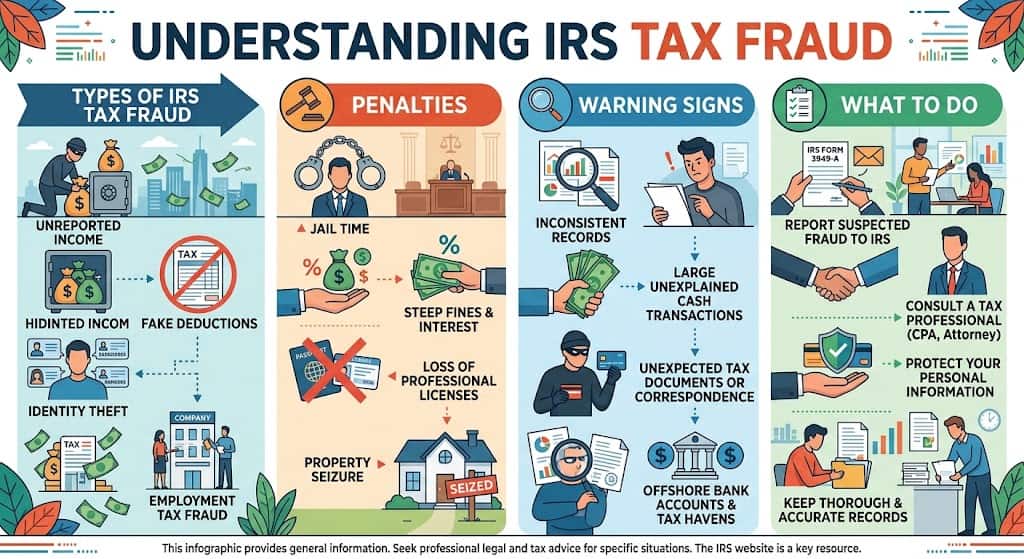
IRS Tax Fraud: Types, Penalties, Warning Signs, and What to Do
11 min read
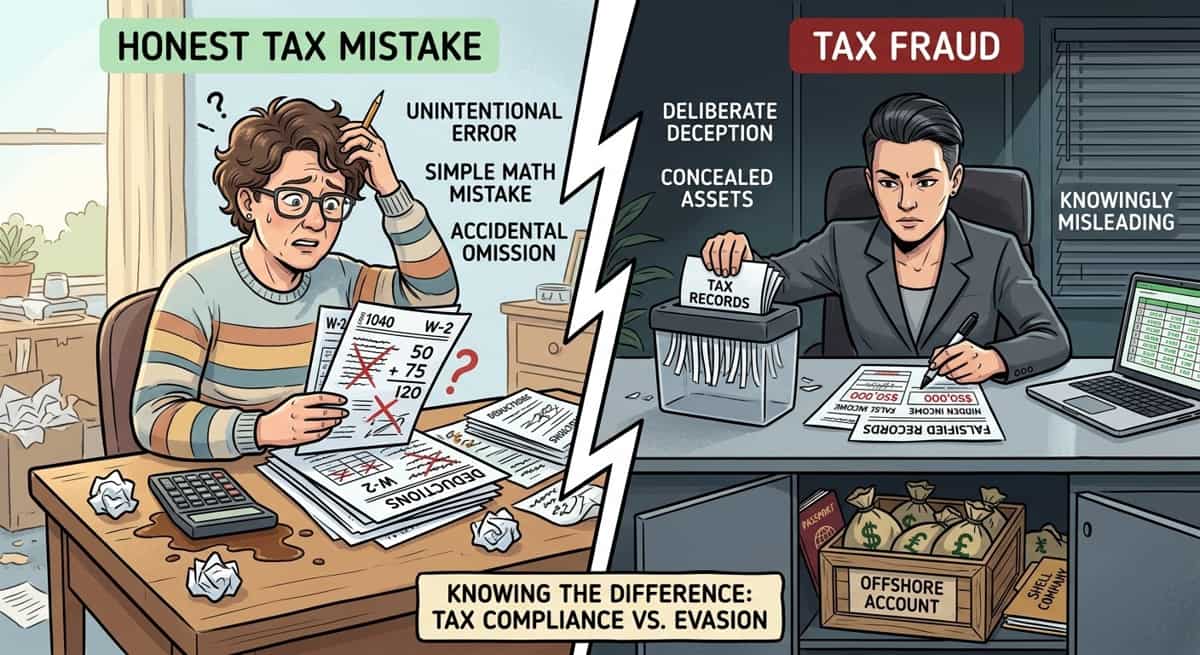
What Is the Difference Between Tax Fraud and an Honest Tax Mistake?
11 min read
Can You Be Charged With Tax Fraud for Not Filing Taxes?
10 min read
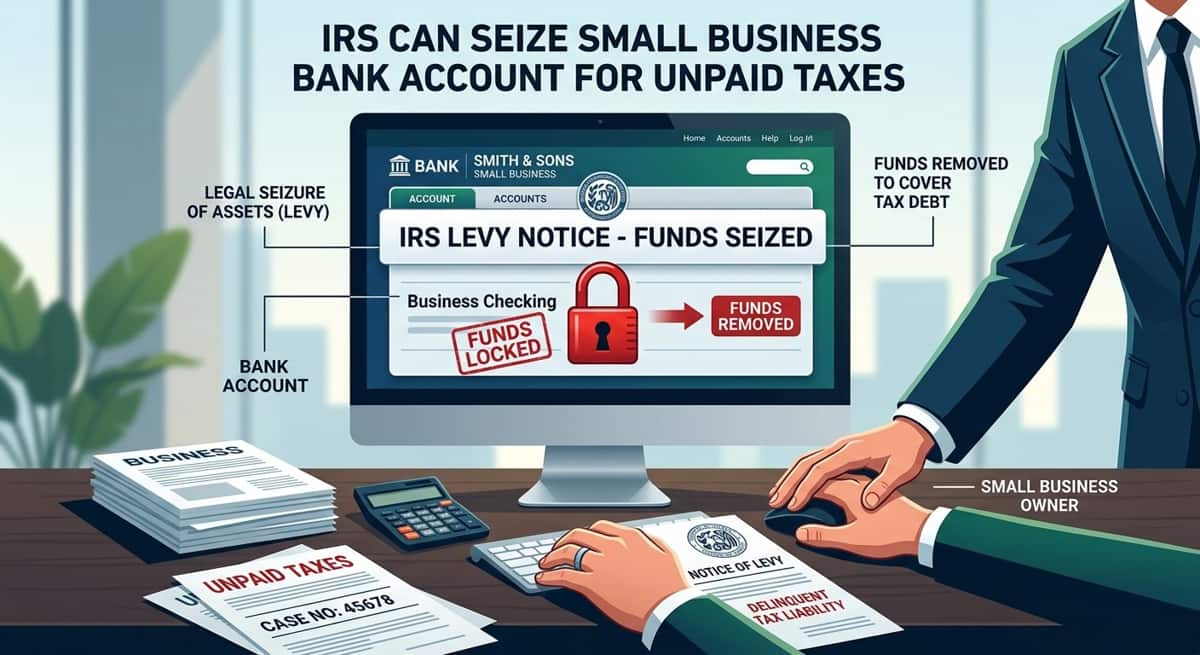
Can the IRS Seize a Small Business Bank Account for Unpaid Taxes?
11 min read
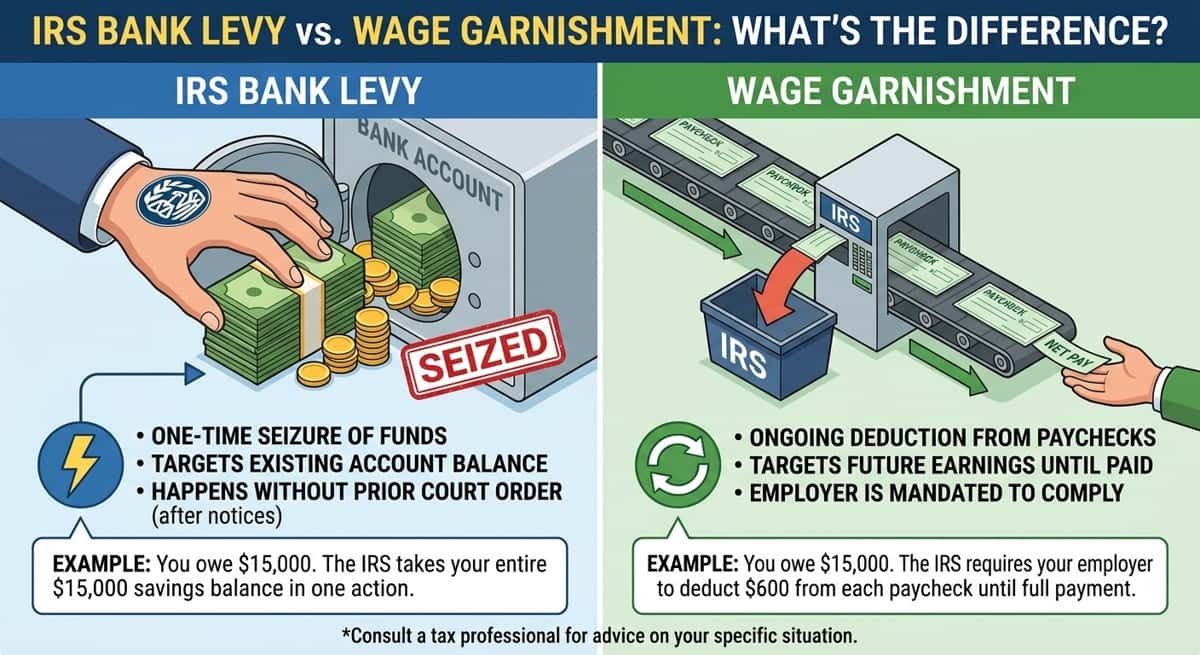
IRS Bank Levy vs. Wage Garnishment: What's the Difference?
11 min read
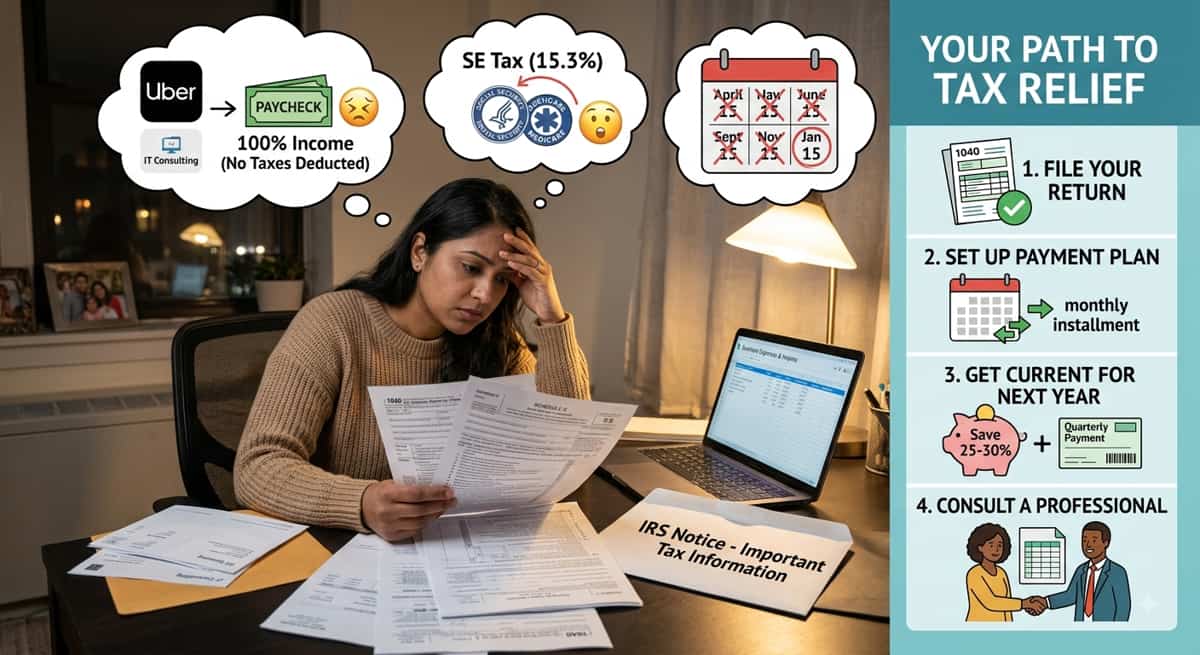
Self-Employed and Owe Taxes? A Guide for 1099 Workers
11 min read
Get Your Free Consultation
Speak with a certified debt consultant to explore your options.
Start NowNo obligation • Free consultation