What Happens If You Can’t Pay Your Business Credit Card?
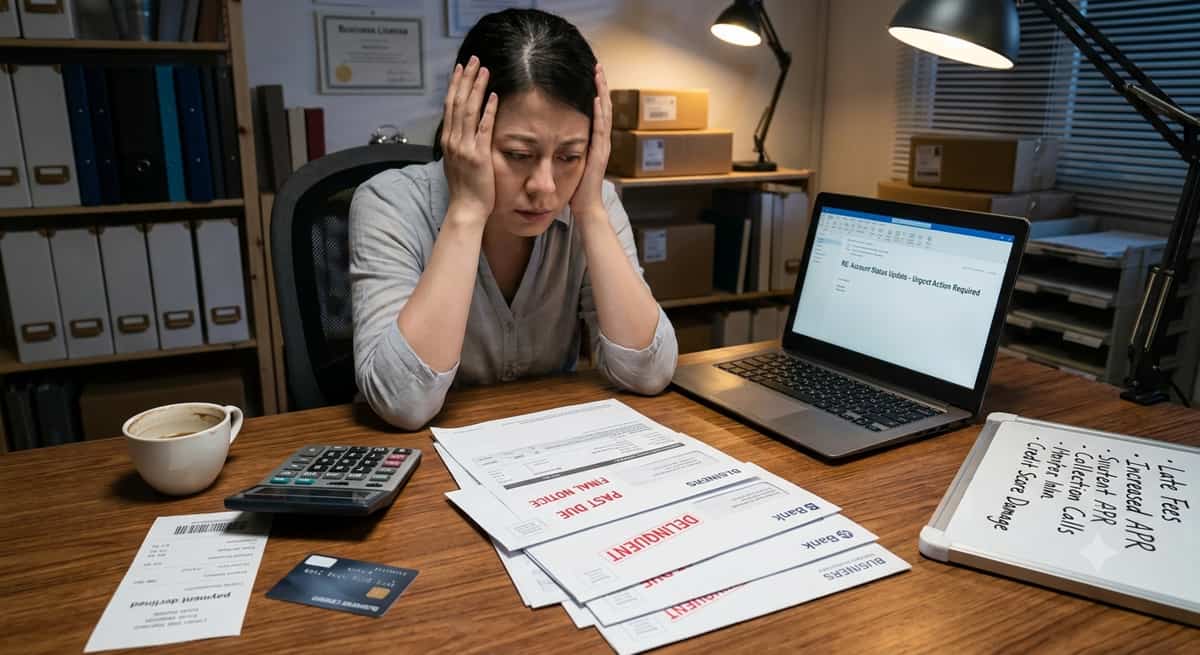
If you can't pay your business credit card, here's the short answer: your credit score will start to drop, the card issuer will begin calling and sending notices, and if you personally guaranteed the card which most business owners do you can be held personally responsible for the debt, even if your business is an LLC. The good news is that you have real options before things get to that point, and even after.
We know this isn't just a numbers problem. For a lot of South Asian families running motels, gas stations, restaurants, trucking companies, or small retail shops in the U.S., a business isn't just a business it's the family's income, the reason relatives moved here, and sometimes a source of pride back home. Falling behind on a credit card can feel like more than a financial setback.
Understanding Your Liability- Personal vs. Business Debt
Before anything else, it helps to know one thing clearly: is this debt just the business's problem, or is it yours personally too? For most small business owners, the answer is that it's both.
Sole Proprietorships and General Partnerships
If your business is a sole proprietorship or a general partnership very common for small, family-run shops there's no legal wall between you and the business. In the eyes of the law, you and the business are the same. That means a business credit card debt is really just your personal debt with a business name attached to it. There's no separate entity shielding your house, your car, or your savings.
LLCs, S-Corps, and the Personal Guarantee Trap
Many business owners assume that forming an LLC or corporation automatically protects their personal finances. It often doesn't at least not when it comes to credit cards. Almost every business credit card application asks the owner to sign a personal guarantee. That one signature means that even though the card is issued in your business's name, you have personally promised to pay it back if the business can't. So even with an LLC, the card issuer can still come after you personally if the business defaults.
Why This Matters for Family-Run Businesses
In many South Asian households, business credit cards are opened jointly, used by more than one family member, or tied to accounts a parent or spouse also relies on. A father might sign as the guarantor while a son runs daily operations. A wife might be a co-signer on a card mainly used by her husband's business. This shared structure means that when one card falls behind, it can affect more than one person's credit and more than one person's peace of mind which is exactly why it helps to talk about it as a family early, rather than letting one person carry the stress alone.
What Happens Step-by-Step When You Miss a Payment
Card issuers don't jump straight to lawsuits. There's a fairly predictable timeline, and knowing it can help you plan your next move.
1–30 Days Late
At this stage, it's mostly fees and warnings. You'll likely be charged a late fee, and your interest rate may jump to a much higher "penalty APR." Some issuers report late payments to credit bureaus as early as 30 days past due, so this is the point where your credit score can start slipping even though nothing serious has happened yet.
30–90 Days Late
If the payment still isn't made, things escalate. The account may be frozen or closed entirely, meaning you can't use it even if you wanted to catch up gradually. Phone calls and letters from the card issuer become more frequent. Your credit score takes a bigger hit at each 30-day mark you fall further behind (30, 60, 90 days).
90–180 Days: Charge-Off
Somewhere between 90 and 180 days of non-payment, the issuer typically "charges off" the debt. This doesn't mean the debt disappears it means the company has written it off as a loss on their books and usually sells it to a collection agency or hires one to pursue it. From this point on, you may be dealing with a debt collector instead of your original card issuer, and a "charge-off" will show up on your credit report as a serious negative mark.
The Impact on Your Personal and Business Credit
Business credit cards can affect two different credit profiles at once: your personal credit score (tracked by agencies like Experian, Equifax, and TransUnion through your FICO score) and your business credit profile (tracked through systems like the FICO SBSS or Dun & Bradstreet's PAYDEX score).
A damaged personal score can make it harder to get a car loan, refinance a home, or qualify for a lease things that affect your whole family, not just the business. A damaged business credit profile can make suppliers less willing to offer you payment terms, make landlords hesitant to rent you commercial space, and make banks less likely to approve future business loans. If your business relies on vendor credit or bank financing to keep operating as many small retail and food businesses do this can create a cycle where one missed payment makes the next one harder to avoid.
Can Creditors Sue You? Judgments, Garnishment & the Statute of Limitations
Lawsuits and Default Judgments
Yes, a creditor or debt collector can sue you for unpaid business credit card debt, especially if you personally guaranteed it. If you're sued and don't respond, the court can issue a "default judgment" against you automatically meaning you lose the case simply by not showing up, even if you might have had a valid defense. This is one of the most important things to understand: ignoring a lawsuit notice is almost always worse than responding to it.
Wage Garnishment and Bank Levies
If a creditor wins a judgment against you, the next step can be collecting on it which, depending on your state, may include garnishing your wages (taking a portion of your paycheck) or placing a levy on your bank account (freezing and withdrawing funds). The rules vary quite a bit from state to state, so it's worth checking your specific state's garnishment laws or asking a local attorney.
Statute of Limitations on Business Debt
Every state has a time limit on how long a creditor can sue you over unpaid debt, called the statute of limitations. It usually ranges from 3 to 10 years depending on the state and the type of debt. One important detail: making a partial payment or even verbally acknowledging the debt to a collector can sometimes restart this clock, so it's worth being cautious about what you say and sign when a collector calls.
Unique Considerations for South Asian Business Owners in the U.S.
Family-Owned Businesses and Shared Financial Risk
Motels, gas stations, convenience stores, restaurants, trucking companies, and rideshare fleets are common businesses among South Asian families in the U.S., and they're very often financed and run as a family unit. Parents, adult children, and sometimes extended relatives may all have some financial stake through co-signed loans, shared bank accounts, or informal agreements about who covers what. When a business credit card debt builds up, it rarely affects just one person. Being upfront with family members early, before the debt grows, usually leads to better outcomes than trying to handle it alone.
Cultural Stigma Around Debt and Delayed Help-Seeking
There's often an unspoken pressure in South Asian communities to appear financially stable, especially in front of relatives, the local community, or family back home. That pressure can lead people to delay asking for help hoping to fix things quietly before anyone notices. Unfortunately, debt problems almost always get more expensive and harder to solve the longer they're left unaddressed. Reaching out for help, whether to a credit counselor, an accountant, or even a trusted family member, isn't a failure. It's the step that usually leads to the best outcome.
Remittances, Community Lending Circles, and Cash Flow Pressure
Many South Asian business owners also send money home to support family, or participate in informal community lending groups (sometimes called committees or chit funds) as a way to save or borrow outside the traditional banking system. These arrangements can be a genuine source of support, but they can also add pressure on monthly cash flow, especially if a business is already struggling. If you're juggling remittances, informal lending group payments, and business debt at the same time, it's worth sitting down and mapping out all of your obligations together not just the credit card so you can see the full picture before deciding what to prioritize.
Your Options If You Can't Pay Your Business Credit Card
Contact Your Creditor Directly
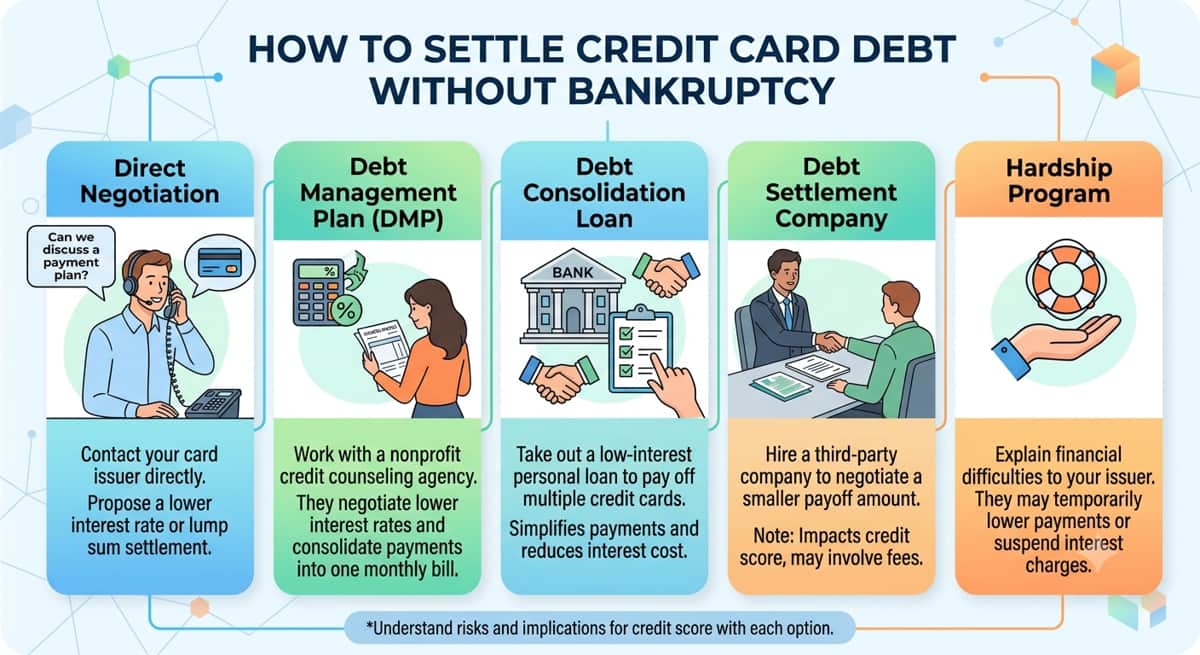
This is almost always the first and easiest step, and it's one many people skip out of fear or embarrassment. Card issuers often have hardship programs temporarily lower interest rates, waived fees, or modified payment plans but you usually have to ask. Calling before you miss a payment, not after, gives you the most leverage.
Business Debt Settlement
Debt settlement means working through business debt settlement programs to negotiate with creditors or collection agencies to pay a reduced lump sum in exchange for forgiving the remaining balance.This can reduce your total debt, but it usually requires having some cash available and can further impact your credit score in the short term. It's worth understanding the tax implications too forgiven debt can sometimes count as taxable income.
Business Debt Consolidation Loans
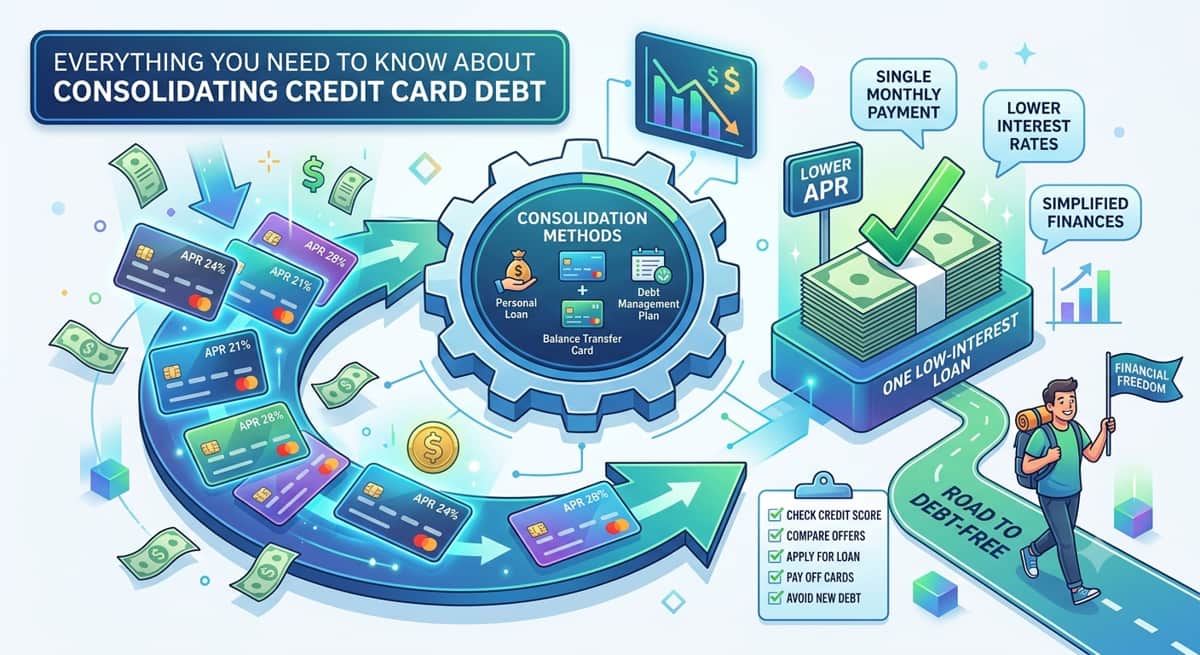
If you are managing multiple accounts, exploring debt consolidation options can combine your balances into a single, manageable monthly payment at a potentially lower interest rate. . This can simplify things and reduce stress, but it only works if you qualify for reasonable loan terms, so it's most useful when your credit hasn't been too badly damaged yet.
Nonprofit Credit Counseling
Accredited nonprofit credit counseling agencies (look for ones certified by the National Foundation for Credit Counseling, or NFCC) can review your full financial picture for free or low cost and help you build a realistic repayment plan. This is often a good first stop if you're not sure which option fits your situation.
Working with accredited credit counselors or exploring professional debt counseling services can help you evaluate your full financial picture and build a realistic path forward.
Bankruptcy: Chapter 7, 11, and 13 Explained Simply
Bankruptcy is usually a last resort, but it exists for a reason, and there's no shame in it being on the table. Chapter 7 can eliminate most unsecured debts (including personal guarantees on business cards) but may require selling certain assets. Chapter 13 lets individuals repay debts over 3–5 years while keeping their property. Chapter 11 is generally used by larger or more complex businesses that want to reorganize and keep operating. If you signed a personal guarantee, closing the business alone won't erase the debt bankruptcy is one of the few ways to formally discharge it. This is a decision worth making with a licensed bankruptcy attorney, not alone.
How to Protect Your Personal and Business Assets
Going forward, a few habits can reduce how much a future business debt problem can hurt you personally:
Keep business and personal bank accounts and credit cards completely separate never mix the two
Read the fine print before signing any new business credit card, and understand exactly what you're personally guaranteeing
Build a relationship with a CPA or small business attorney before you're in a crisis, not after
Keep a small cash reserve for the business specifically, so one slow month doesn't immediately turn into a missed payment
Steps to Take Right Now If You're Struggling
Pull together all your statements and write down exactly how much you owe, to whom, and at what interest rate
Call your card issuer before you miss a payment, if you haven't already, and ask about hardship options
If you're already behind, contact a nonprofit credit counseling agency for a free financial review
Avoid opening new credit cards or loans to cover the gap this usually makes things worse
If you receive a lawsuit notice, respond to it don't ignore it, even if you can't pay right away
Talk to your family early. A shared problem is almost always easier to solve than a hidden one
You Have More Options Than You Think
Falling behind on a business credit card feels overwhelming, but it's rarely the end of the road. The businesses and families who come out of this in the best shape are usually the ones who face it early calling the creditor, talking to a counselor, and being honest with family rather than the ones who wait and hope it resolves itself. If you're not sure where to start, scheduling a free, confidential debt consultation with Ooraa can help you understand your exact standing and explore realistic relief options with zero obligation.
Ready to Get Started?
Get a free consultation with a certified debt consultant to see if debt settlement is right for you.
Get Free ConsultationAbout the Author
Bhupinder Bajwa
.
Related Articles
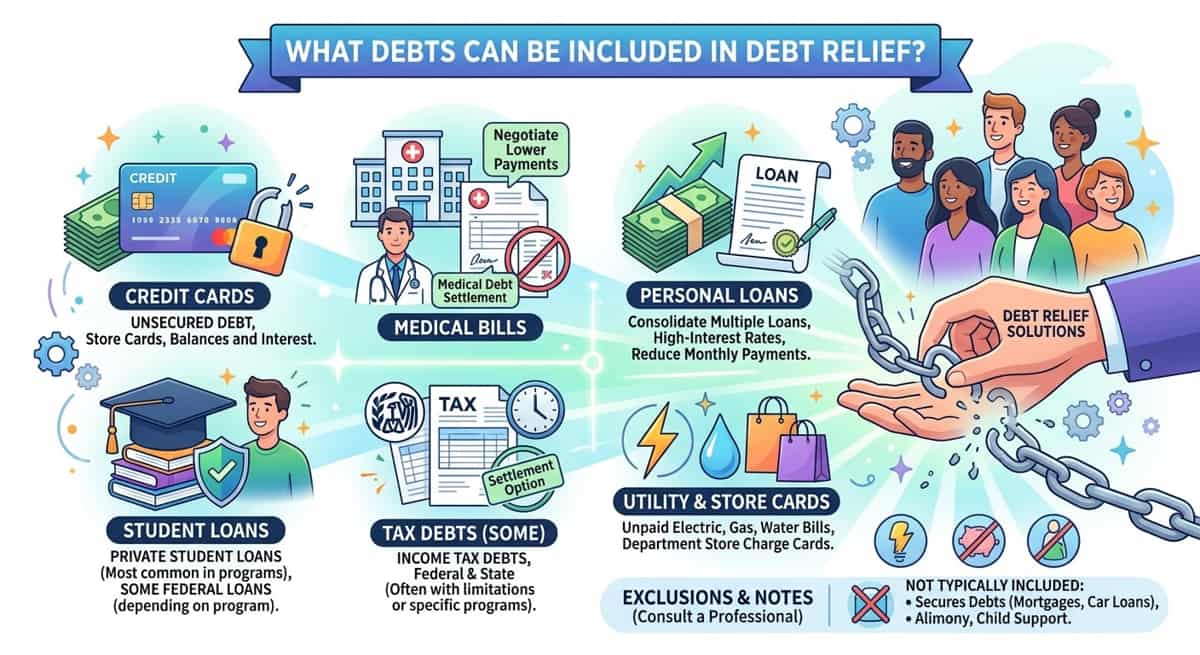
What Debts Can Be Included in Debt Relief?
13 min read

Debt Settlement for $20,000 in Credit Card Debt: What to Expect
11 min read
Dismiss Your Credit Card Lawsuit: Winning Strategies
10 min read
How Can You Settle Credit Card Debt Without Bankruptcy?
12 min read
Everything You Need To Know About Consolidating Credit Card Debt
12 min read
Credit Card Debt Forgiveness For Disabled: Do You Qualify?
11 min read
Get Your Free Consultation
Speak with a certified debt consultant to explore your options.
Start NowNo obligation • Free consultation