
Financial Tips, Guides & Insights Blog
Page 4 of 34
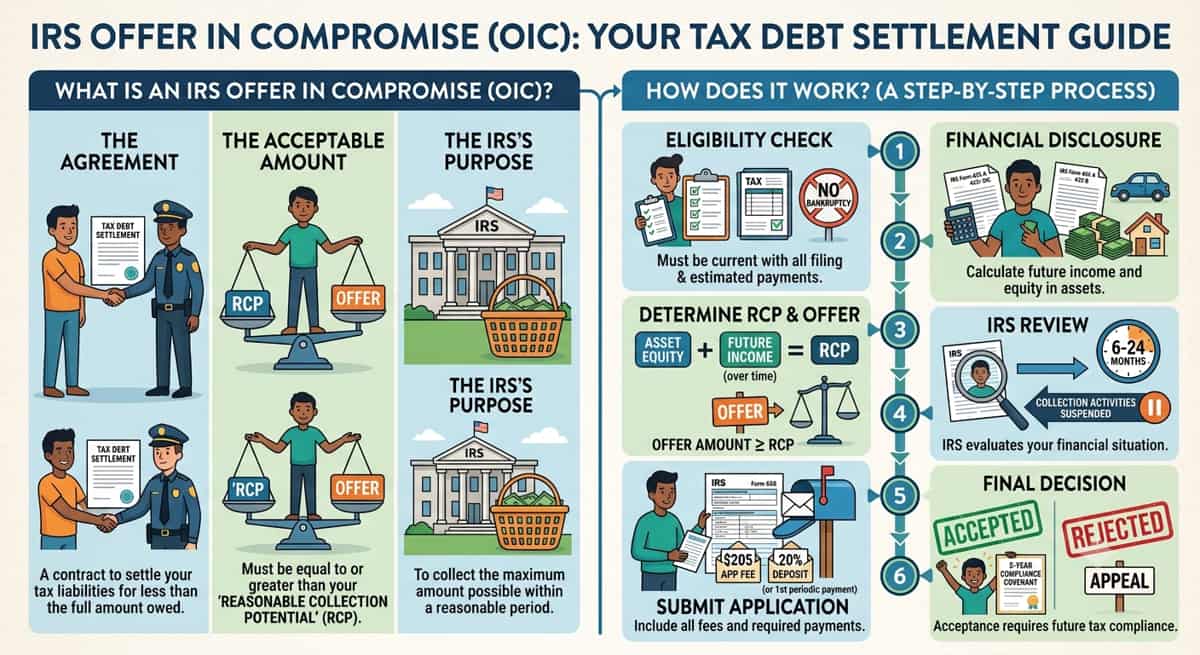
What Is an IRS Offer in Compromise and How Does It Work?
An IRS Offer in Compromise (OIC) allows eligible taxpayers facing real financial hardship to settle their tax debt for less than the full amount owed. Eligibility requires filing all tax returns and providing detailed financial disclosures. Requiring a $205 fee, the IRS review process typically takes six to twelve months.
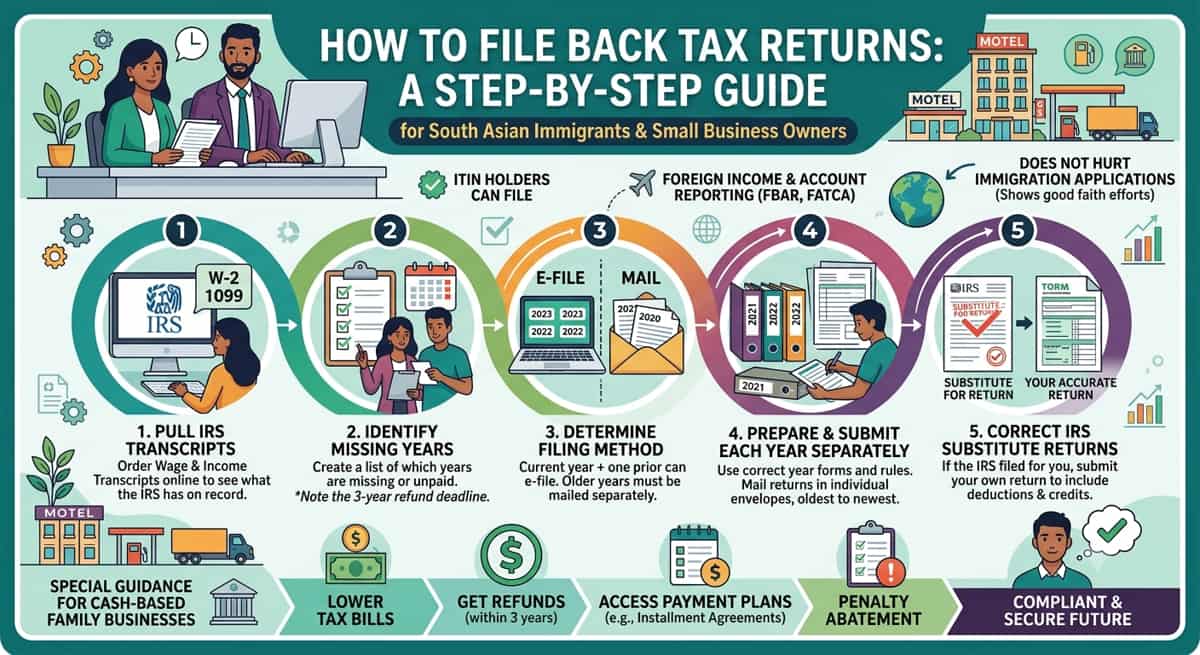
How Do I File Returns For Back Taxes?
Filing back taxes requires pulling IRS transcripts, identifying unfiled years, and submitting separate returns for each year. Crucial for immigrants and small businesses, filing helps protect immigration status, stop growing penalties, and recover refunds. Once compliant, taxpayers can access IRS payment plans, penalty abatement, or settlement programs to resolve debt.
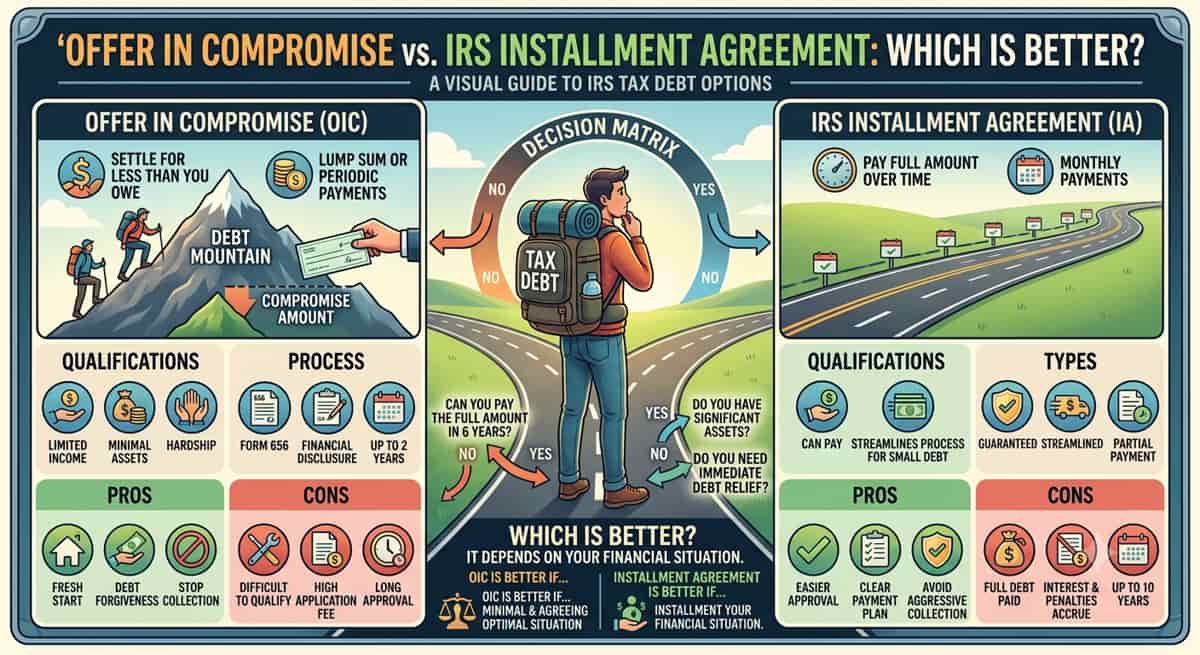
Offer in Compromise vs. IRS Installment Agreement: Which Is Better?
An IRS Offer in Compromise settles tax debt for less than owed if you face severe financial hardship, but approval is tough. An Installment Agreement offers easier approval, allowing you to pay your full balance over time. Choosing the best path depends on your income, assets, and overall financial reality.
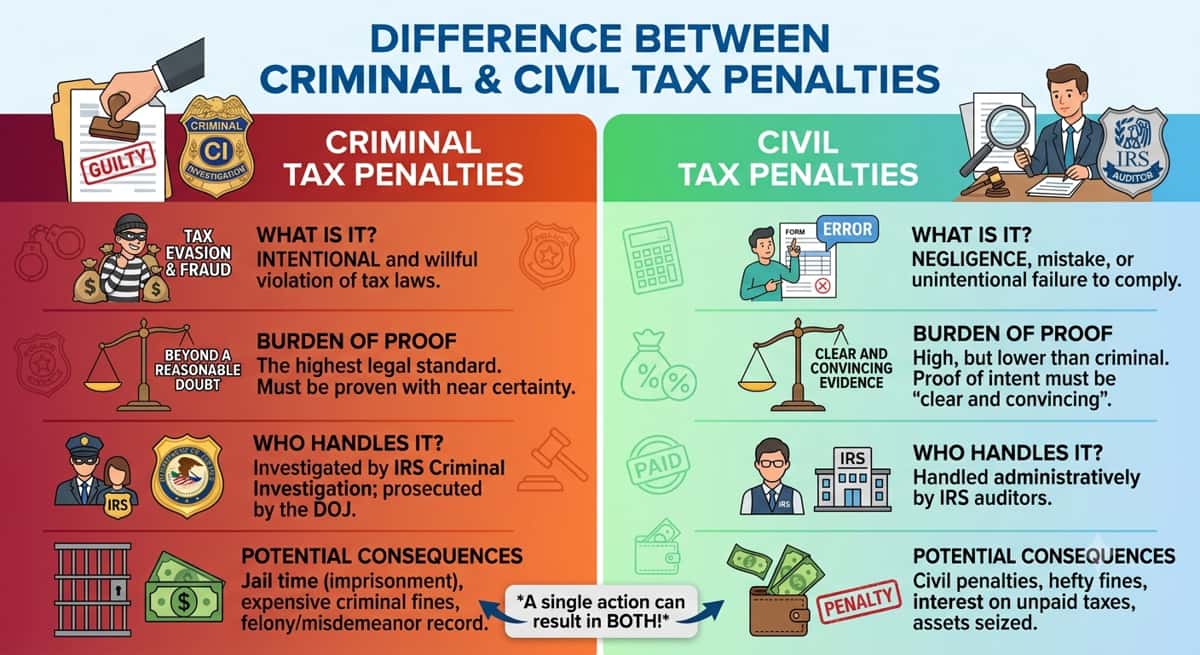
What Is The Difference Between Criminal Tax Penalties And Civil Tax Penalties?
IRS penalties are divided into separate civil and criminal systems. Civil penalties address honest mistakes or negligence through financial fines, interest, and payment plans under a lower standard of proof. Criminal penalties target willful tax fraud or evasion, requiring proof beyond a reasonable doubt, and can result in prison time.

IRS Form 433: What You Need To Know
IRS Form 433 is a financial snapshot that verifies your income, assets, and expenses when resolving tax debt. Available in three versions, 433-A for individuals, 433-B for businesses, and 433-F for simplified cases, it helps taxpayers qualify for manageable installment plans, debt settlements, or temporary relief from IRS collections.
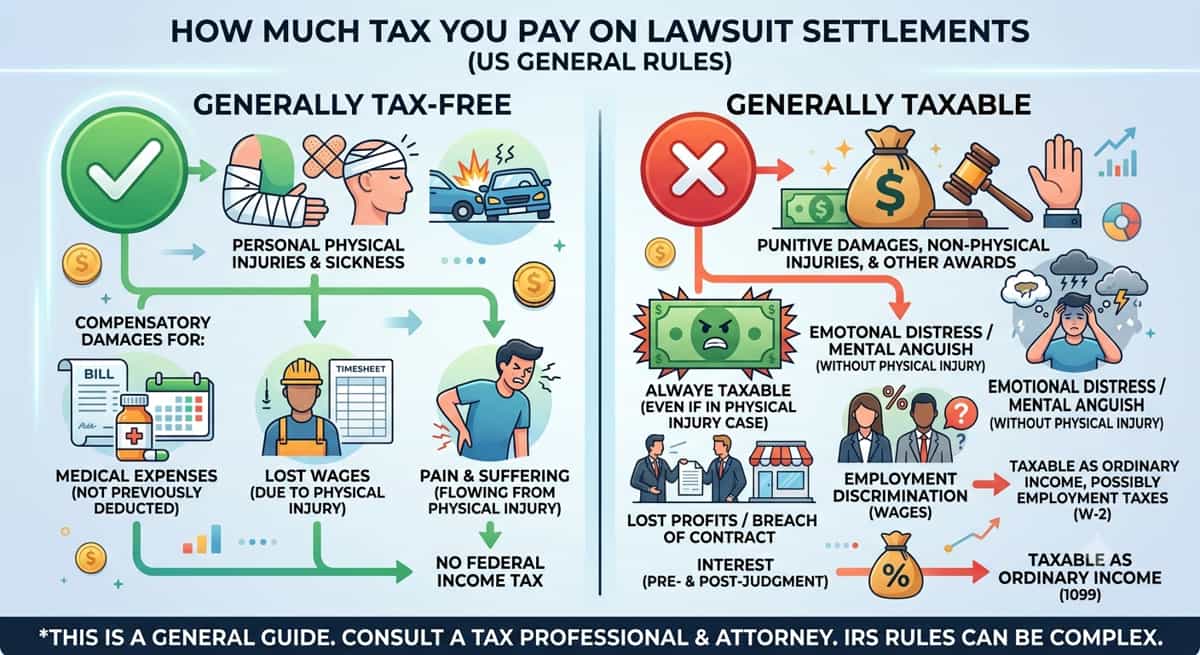
How Much Tax You Pay On Lawsuit Settlements
Taxability of lawsuit settlements depends on what the money replaces, not the lawsuit itself. Compensation for physical injuries is generally untaxed. However, lost wages, punitive damages, and standalone emotional distress count as taxable income. Immigrants and those managing debt should set aside tax money before spending or sending funds abroad.
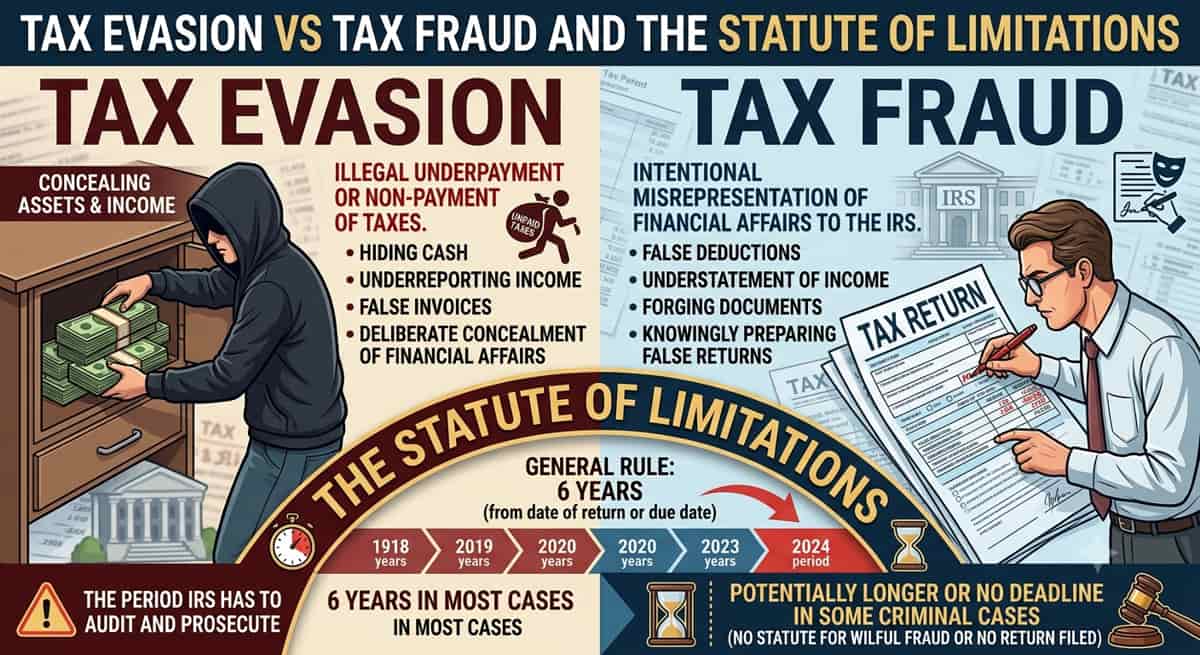
Tax Evasion Vs Tax Fraud And The Statute Of Limitations
Tax evasion is always a criminal offense, while tax fraud covers broader intentional deception. Honest filing mistakes have a three to six year statute of limitations, but fraud and unfiled returns never expire. Unresolved tax issues can directly impact green cards and naturalization, making proactive professional resolution critical for businesses.
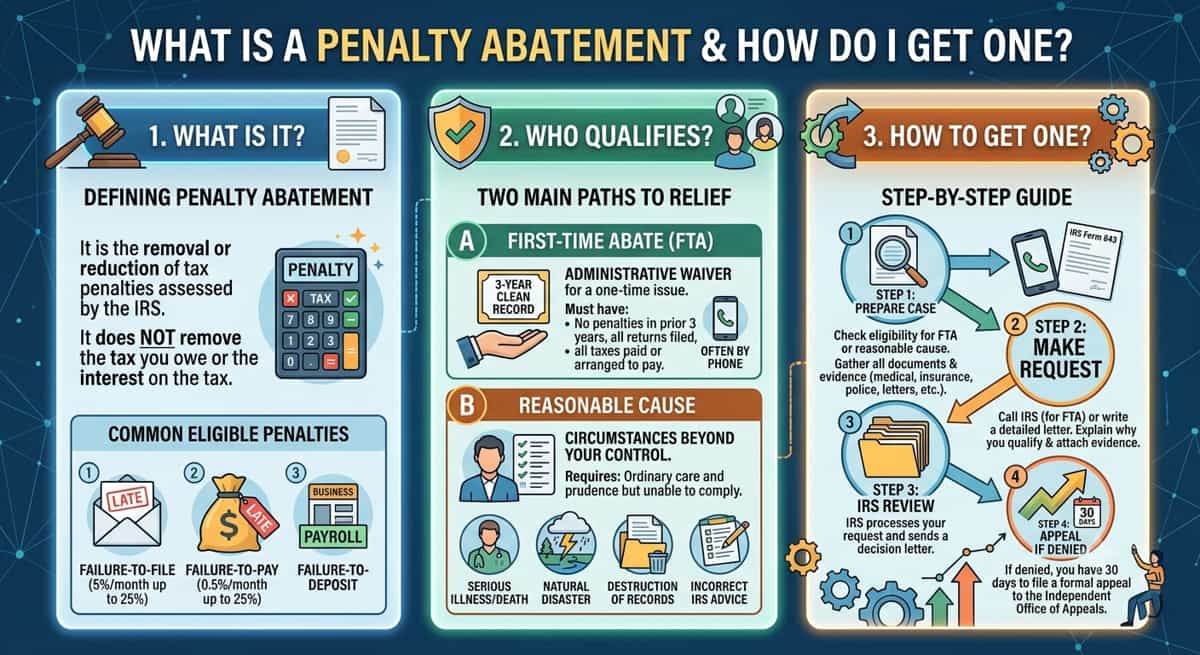
What Is A Penalty Abatement And How Do I Get One?
IRS penalty abatement reduces or removes late tax penalties. You can qualify through First Time Abatement with a clean three year compliance record, or Reasonable Cause for unavoidable hardships. By calling the IRS or submitting Form 843 with proper documentation, eligible taxpayers can make their overall tax debt more manageable.
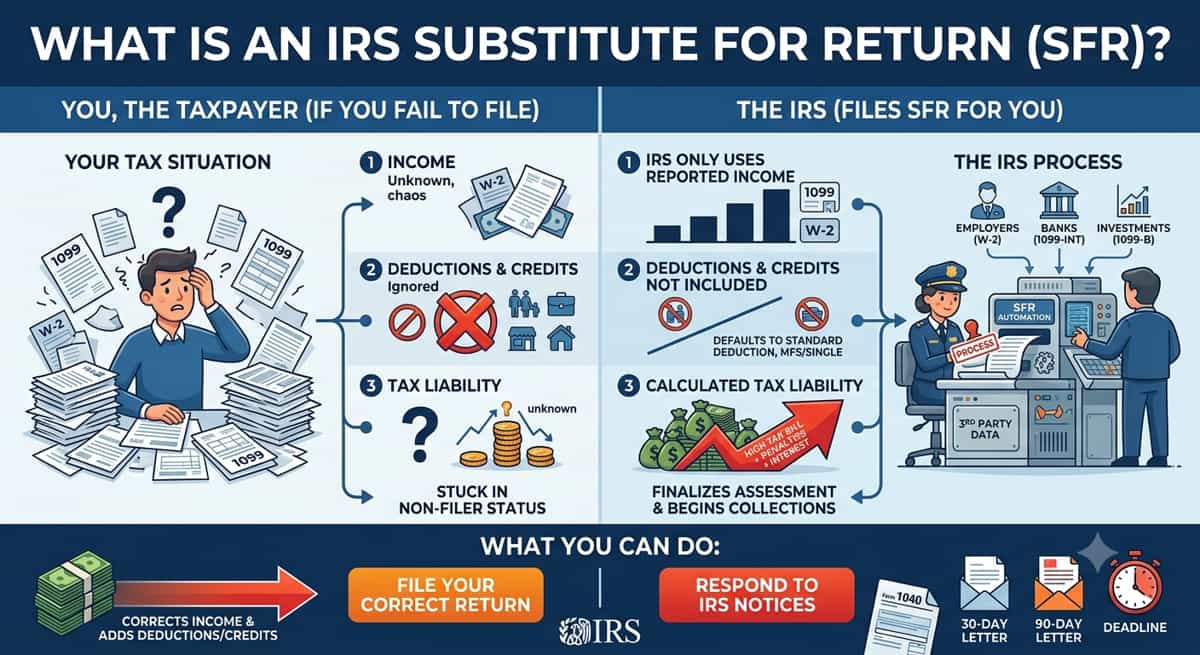
What Is An IRS Substitute For Return(SFR)?
An IRS Substitute for Return (SFR) occurs when the IRS files a return for you, ignoring deductions and credits to produce a higher bill. Frequently impacting South Asian immigrants and small business owners, unresolved SFRs cause penalties, liens, and garnishments. You can resolve an SFR by filing your actual return.
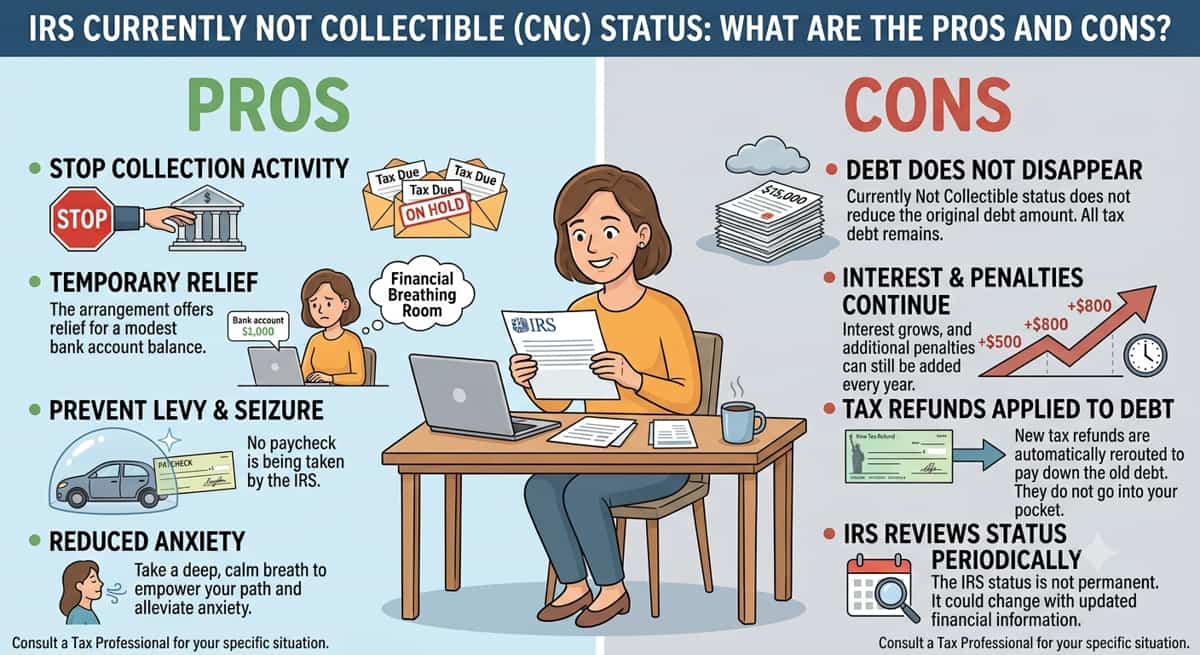
IRS Currently Not Collectible Status: What Are The Pros And Cons?
IRS Currently Not Collectible (CNC) status temporarily pauses collections, wage garnishments, and bank levies for taxpayers facing financial hardship. It offers immediate breathing room without required monthly payments. However, it does not forgive debt: interest and penalties continue to grow, and the IRS can seize future tax refunds.