How to Stop an IRS Bank Levy Before Your Money Is Seize
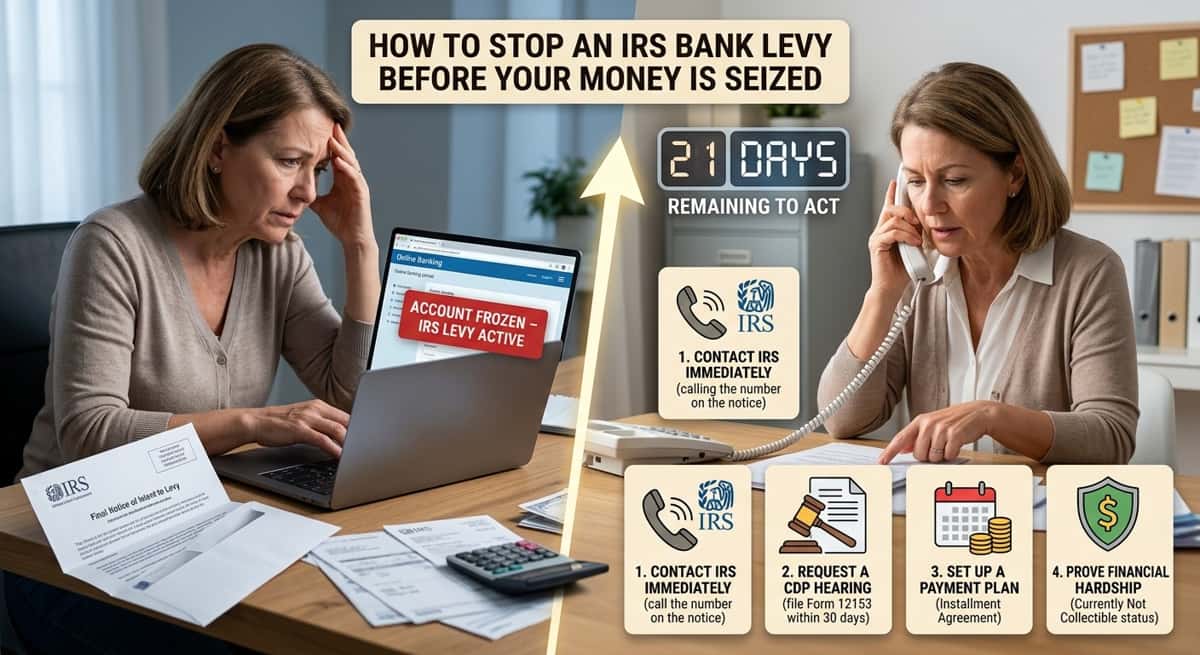
If you've just found out the IRS is about to take money directly from your bank account, the fastest way to stop it is to act within 21 days, that's the window banks are required to hold your funds before sending them to the IRS. In that time, you can request a hearing, set up a payment plan, or prove financial hardship to get the levy released.
If you're a small business owner, first-generation immigrant, or supporting family back home while managing accounts here in the US, this situation can feel especially stressful often because it involves joint accounts, family savings, or an ITIN instead of a Social Security number.
What Is an IRS Bank Levy, and Why Is It Happening to You?
An IRS bank levy is when the IRS legally takes money directly out of your bank account to pay off unpaid taxes. It's different from a lien, which just puts a claim on your property without taking money right away, and different from wage garnishment, which takes a portion of your paycheck instead of your account balance.
How the IRS Legally Seizes Funds From Your Account
The IRS doesn't just walk into a bank and take your money. It has to follow a legal process first: assess the tax you owe, send you a bill, and give you a chance to pay. If you don't respond, the IRS Final Notice gives you 30 days to act. After that, it can legally send an order to your bank instructing it to freeze and eventually hand over funds in your account.
Common Reasons South Asian Business Owners and Families Get Levied
Levies often happen because of unfiled tax returns from a few years back, income that wasn't reported correctly from 1099 or self-employment work, or payroll tax debt from running a small business like a motel, gas station, or restaurant. Sometimes it's simply a paperwork gap, for example, an ITIN application or renewal that got delayed, which caused tax filings to fall behind. None of these situations mean you did something intentionally wrong. Often, it's a matter of missed mail, language barriers, or not knowing which forms applied to your situation. The important thing now is understanding where you stand and moving quickly.
The Warning Signs Notices the IRS Sends Before a Levy
The IRS never levies your account without warning. It sends a series of letters first, starting with a simple bill and escalating over time, usually a CP14, then CP501, CP503, and CP504, followed by a Final Notice (called an LT11 or Letter 1058). Once you receive that final letter, you have 30 days to respond before a levy can happen.
What the Final Notice of Intent to Levy Means
This letter is the last stop before the IRS can legally take money from your bank account. It will state how much you owe and explain your right to request a Collection Due Process hearing within 30 days. If you're holding this letter right now, treat it as urgent but not hopeless. You still have real options, covered in the next section.
Why Many Immigrant and Non-English-Speaking Households Miss These Notices
A lot of families miss these letters simply because of where they were sent. If you moved, if your business address is different from your home address, or if a family member who handles the mail didn't recognize the letter as urgent, it's easy for these notices to go unanswered. Some notices also arrive filled with technical language that's hard to follow even for native English speakers. If you're only finding out about a levy now because your bank alerted you, you're not alone; this happens often, and there are still steps you can take.
Have You Already Received a Levy Notice From Your Bank? Do This Immediately
If your bank has told you your account is frozen, don't panic. You have a 21-day window before the bank is required to send the funds to the IRS. This time exists specifically so you can resolve the issue or work out an arrangement. Every day matters, so here's what to do right away.
Step 1 — Confirm the Levy Source and Amount
Your bank should give you a copy of the levy notice, often called a Form 668-A. Read it carefully to confirm which tax years and how much money the IRS is claiming. Mistakes do happen, so don't assume the number is correct without checking it against your own records.
Step 2 — Contact the IRS Revenue Officer or Collections Number on the Notice
Call the number listed on the notice as soon as possible. If a specific Revenue Officer is assigned to your case, they'll have more flexibility to work with you directly than the general phone line. Be ready to explain your situation clearly and ask what your options are for releasing the levy.
Step 3 — Gather Your Financial Documents Fast
Pull together recent pay stubs or business income records, bank statements, and a list of monthly expenses. If you run a business, a simple profit-and-loss summary helps a lot. Having these ready speeds up almost every option below, especially if you're asking the IRS to recognize financial hardship.
7 Proven Ways to Stop or Release an IRS Bank Levy
Depending on your situation, you may qualify for a hearing, a hardship pause, a payment plan, a reduced settlement, an error correction, or emergency help through the Taxpayer Advocate Service. Here's how each one works.
1. Request a Collection Due Process (CDP) Hearing
If you file Form 12153 within 30 days of your Final Notice, you can request a formal hearing to dispute the levy or propose an alternative before it takes effect. This is one of the strongest tools available, but it only works if you act within that 30-day window so don't wait if you're still within it.
2. Prove Economic Hardship (Currently Not Collectible Status)
If paying the IRS right now would leave you unable to cover basic living expenses, you can ask to be marked "Currently Not Collectible." This pauses collection, including the levy, while your financial situation is reviewed. You'll need to show your income and expenses clearly, which is why gathering documents early matters so much.
3. Set Up an Installment Agreement
Agreeing to pay your tax debt in monthly installments is often enough to get a levy released, even if the full balance isn't paid off yet. Once the IRS confirms you're on a payment plan in good standing, the pressure to seize funds directly usually stops.
4. Submit an Offer in Compromise
In some cases, the IRS will accept less than the full amount you owe if you can show that paying the full balance isn't realistic. This option takes more paperwork and isn't guaranteed, but for people facing a debt that genuinely exceeds what they can pay, it can be worth exploring.
5. Apply Through the IRS Fresh Start Program
The Fresh Start Program expanded access to payment plans and settlement options for people who owe back taxes, making it easier to qualify for relief than in years past. If you haven't looked into it yet, it's worth asking whether your situation fits.
6. Prove the Levy Was Issued in Error
Sometimes a levy happens because of a mix-up: the debt was already paid, it belongs to a different tax year that was resolved, or you're protected by an active bankruptcy filing. If any of this applies to you, raising it immediately with documentation can lead to a fast release.
7. Request Emergency Help from the Taxpayer Advocate Service
The Taxpayer Advocate Service is a free, independent office within the IRS that helps people facing serious financial hardship because of a levy for example, if it means you can't cover rent, payroll, or medical costs. If your situation is urgent, this office can sometimes step in faster than the regular process.
Special Considerations for South Asian Immigrants and Small Business Owners
Levies don't affect everyone the same way. If you share accounts with family, run a cash-based business, or file taxes using an ITIN, there are a few extra things worth understanding.
Joint and Family-Owned Business Accounts
If you share a bank account with a spouse, parent, or sibling, and only one of you owes the tax debt, it's important to know that the IRS can still levy a joint account if the person who owes taxes is a co-owner even if most of the money in it isn't theirs. If this applies to your family, it's worth documenting who contributed what to the account, since this can matter when negotiating a release or proving hardship.
ITIN Holders and Your Rights During a Levy
Your right to challenge a levy, request a hearing, or set up a payment plan applies whether you file with a Social Security number or an ITIN. Immigration or visa status does not change your right to due process here the IRS handles this as a tax matter, separate from immigration enforcement. That said, if you have specific concerns about how this might intersect with your immigration situation, it's worth speaking with a professional who understands both areas.
Cash-Intensive Businesses and Elevated Levy Risk
Motels, gas stations, restaurants, grocery stores, and other cash-heavy businesses are watched more closely by the IRS, simply because cash transactions are harder to track than card payments. If you run one of these businesses, staying current on payroll tax deposits and keeping clean, consistent records is one of the best ways to avoid a levy in the first place.In our experience helping business owners in these industries, the levies that hit hardest are almost always tied to falling behind on payroll taxes not personal income tax so if you have employees, that's the area to watch most closely."
What Happens After the Levy Is Released?
Once the IRS approves a release whether through a payment plan, hardship status, or an error correction it typically sends the release notice to your bank within a day or two, and the bank lifts the freeze shortly after.
Getting Your Bank to Confirm the Release
Don't assume the release happened automatically. Call your bank directly and ask them to confirm they've received the IRS release notice and that your account is fully active again. Keep a copy of the IRS release letter for your records in case any confusion comes up later.
Preventing a Future Levy
Once you're past this immediate crisis, the best protection going forward is staying current with filings and payments. If you're self-employed or run a business, making estimated tax payments throughout the year rather than facing one large bill at tax time makes a huge difference in avoiding this situation again.
Mistakes That Make an IRS Bank Levy Worse
A few common missteps can turn a manageable situation into a much harder one:
Ignoring the notices. Every letter the IRS sends is a chance to act before things escalate; silence only speeds up the timeline.
Moving money between linked accounts. This can look like you're trying to hide funds, which makes the IRS less flexible, not more.
Missing the 30-day hearing deadline. Once that window closes, your options narrow significantly.
Hiring unlicensed "tax relief" companies. Some firms target immigrant communities with big promises and high upfront fees but no real credentials. Always verify who you're working with.
Missing appeal deadlines on a rejected settlement offer. If an Offer in Compromise is denied, there's usually a limited window to appeal. Don't let it pass without checking your options.
When to Hire a Tax Professional vs. Handle It Yourself
If your tax debt is relatively small and involves a single year, you may be able to resolve it yourself with a phone call and a payment plan. But if you're dealing with business payroll tax debt, multiple unfiled years, or a balance in the tens of thousands, it's usually worth bringing in a licensed tax professional who can negotiate on your behalf and make sure nothing falls through the cracks.
Questions to Ask Before Hiring a Tax Relief Company
Before you pay anyone for help, ask whether they're a licensed Enrolled Agent, CPA, or tax attorney, and ask for their license or PTIN number. Get any fee agreement in writing before handing over any money, and be cautious of anyone who guarantees a specific outcome or asks for a large payment upfront without explaining exactly what they'll do. Unfortunately, immigrant communities are often targeted by firms that take advantage of unfamiliarity with the system. A little bit of verification up front can save you a lot of money and stress later.
Key Takeaways
A bank levy can be stopped, but time matters you generally have 21 days once your bank is notified, and 30 days to request a hearing after a Final Notice.
You have several real options: a Collection Due Process hearing, hardship status, a payment plan, a settlement offer, or an error correction often more than one will apply to your situation.
Joint accounts, ITIN filings, and cash-based businesses come with a few extra considerations, but your rights to fight or resolve a levy don't change based on immigration status.
If your situation involves a business, payroll taxes, or a large balance, getting a licensed professional involved early can make the process faster and less stressful.
If you're holding a notice right now, the best next step is simply to call the number on it today, not next week.
Ready to Get Started?
Get a free consultation with a certified debt consultant to see if debt settlement is right for you.
Get Free ConsultationAbout the Author
Ooraa Team
Our team of certified debt consultants has over 10 years of experience helping families become debt-free. We specialize in debt settlement strategies and financial education.
Related Articles
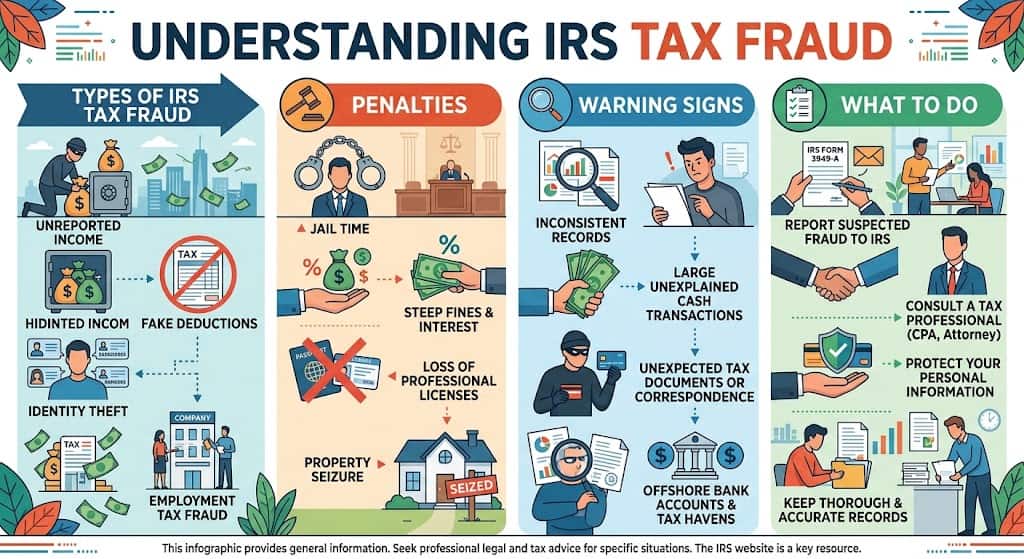
IRS Tax Fraud: Types, Penalties, Warning Signs, and What to Do
11 min read
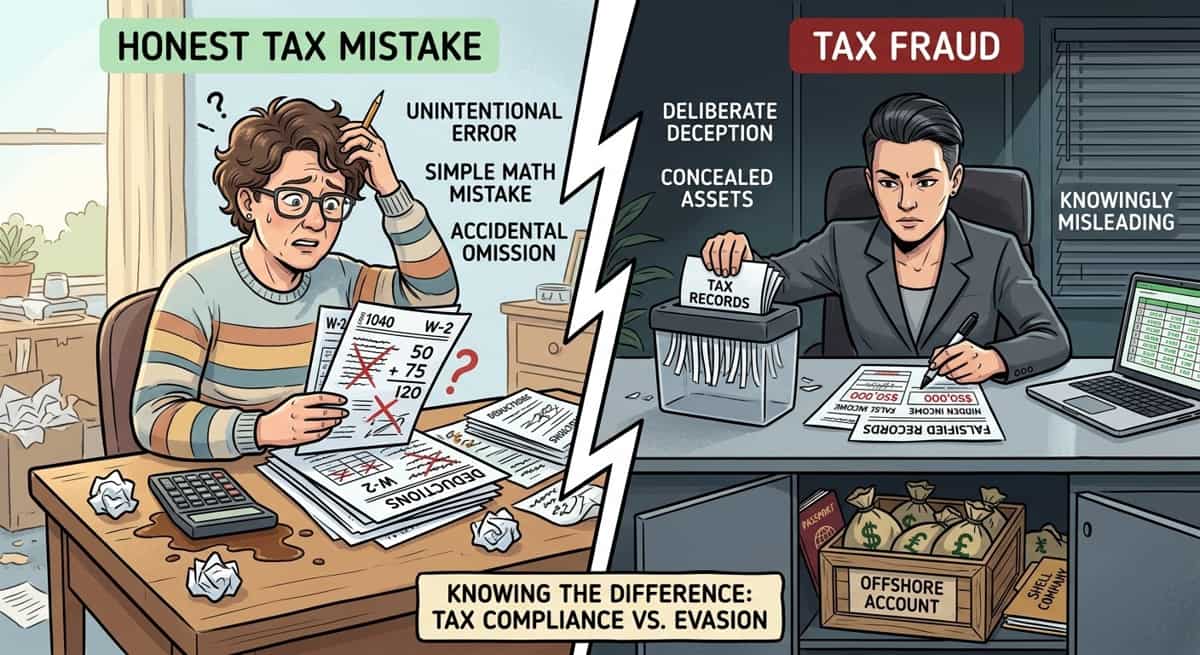
What Is the Difference Between Tax Fraud and an Honest Tax Mistake?
11 min read
How Much Should You Pay Per Month on an IRS Installment Agreement?
10 min read
What Is a Reasonable Cause for IRS Penalty Relief
12 min read
Can the IRS Seize a Small Business Bank Account for Unpaid Taxes?
11 min read
What Is an IRS Wage Garnishment and How Does It Work?
10 min read
Get Your Free Consultation
Speak with a certified debt consultant to explore your options.
Start NowNo obligation • Free consultation