Can the IRS Seize a Small Business Bank Account for Unpaid Taxes?
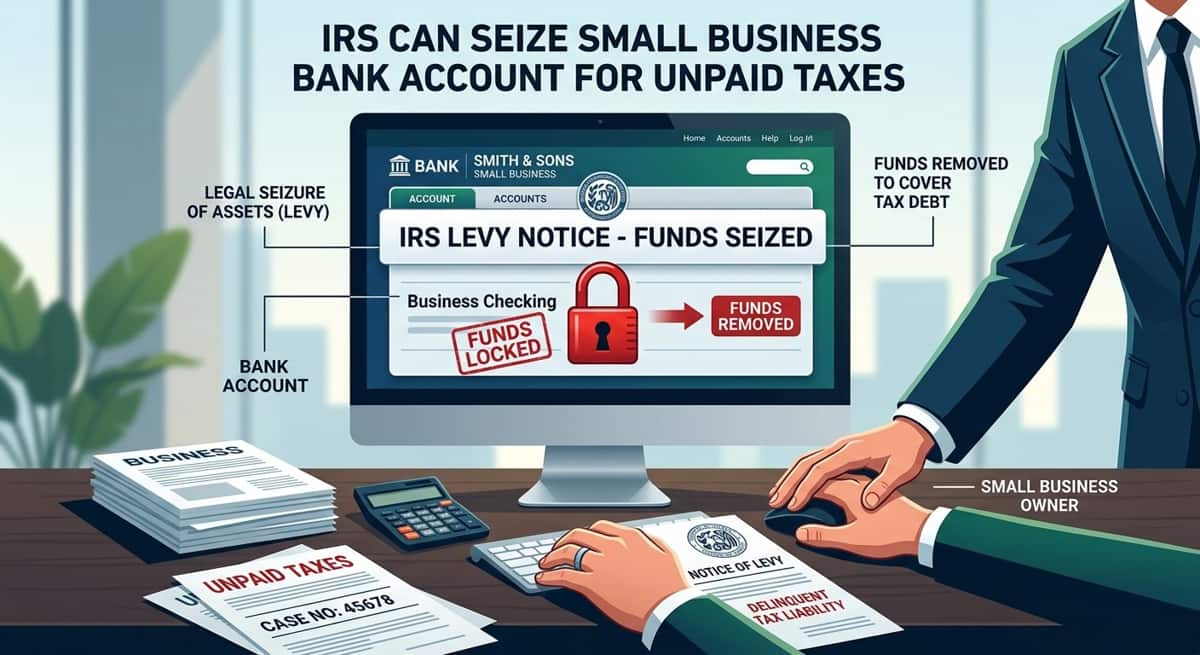
Opening your banking app and seeing your business account frozen is one of the most frightening things a small business owner can experience. Suddenly you're wondering how you'll make payroll this week, pay your supplier's invoice, or cover rent for the shop. For many South Asian families running restaurants, motels, gas stations, grocery stores, or trucking businesses in the US, that account isn't just a business account, it's the family's income, the kids' school fees, and years of hard work all tied together.
If you're reading this because you just got a scary letter from the IRS, or your account has already been frozen, take a breath. This guide walks you through exactly how and why the IRS can seize a business bank account, the warning signs to watch for, and what you can actually do to stop it or fix it.
What Is an IRS Bank Levy?
A bank levy is when the IRS legally instructs your bank to hand over money directly from your account to pay off tax debt you owe. It's different from a lien.
A tax lien is the government's legal claim against your property and assets. Think of it as a warning flag that says "this business owes money." It doesn't take your money directly, but it can hurt your credit and make it hard to sell property or get financing.
A levy, on the other hand, is the actual seizure. Once the IRS issues a levy, your bank is legally required to freeze the funds in your account and, after a short waiting period, send that money straight to the IRS.
The important thing to understand is that a bank levy is one of the IRS's last resort tools. They don't jump straight to freezing your account the moment a payment is late. By law, they have to send you several notices first and give you a real chance to respond. If you're getting notices, that means there's still time to act and that's genuinely good news, even if it doesn't feel like it right now.
Can the IRS Seize a Small Business Bank Account?
The IRS can legally take money directly from your business bank account if you owe unpaid taxes and have ignored their notices. This is called a bank levy, and it can freeze your entire available balance, not just a portion of it. But it doesn't happen overnight, and it doesn't happen without warning. There are clear steps you can take to stop it before it happens, and options to fix it even after it does.
IRS has the legal authority to seize funds from a small business bank account when taxes go unpaid. This power comes from federal tax law (IRC Section 6331), and it applies to businesses just as much as it applies to individuals.
But before the IRS can actually touch your account, a few specific things have to happen first:
The tax must be officially assessed (meaning the IRS has calculated and recorded what you owe)
The IRS must have sent you a notice and demand for payment
You must have failed to pay or make payment arrangements
The IRS must send a Final Notice of Intent to Levy, giving you 30 days to respond or appeal before they act
If all of these steps have happened and nothing was done to resolve it, the IRS can legally move forward with the levy.
One important distinction: whether your business operates under its own EIN (Employer Identification Number) or you're a sole proprietor using your Social Security Number, the IRS can generally reach the account either way if it's tied to the tax debt. Sole proprietors are especially exposed because there's often no legal separation between personal and business finances.
There is also no dollar cap on what can be taken. If the IRS levies your account, they can take the entire available balance at the time of the levy, up to the amount you owe.
The IRS Levy Process: Step-by-Step
The IRS doesn't move in silence. It's a paper trail, and every step is your chance to act before things escalate.
CP14 Notice — Your first official notice that you owe a balance
CP501 / CP503 / CP504 Notices — Follow-up reminders with increasing urgency
LT11 or Letter 1058 (Final Notice of Intent to Levy) — This is the big one. It gives you legal notice and starts your 30-day window
30-Day Window — You can request a Collection Due Process (CDP) hearing to dispute the debt or propose a solution
Levy Issued (Form 668-A) — Sent directly to your bank if no resolution was reached
21-Day Bank Hold — Your bank must freeze the funds but is required to hold them for 21 days before sending them to the IRS
Funds Released to IRS — If nothing is resolved in that window, the money is sent
That 21-day hold is critical. Many business owners don't realize this window exists. It's a real opportunity to contact the IRS or a tax professional and try to get the levy released or reduced before the money is gone for good.
Personal vs. Business Bank Account Levies: Key Differences
Business account levies come with a few extra layers that personal account levies don't.
If your business owes payroll taxes (Form 941 trust fund taxes the money withheld from employee paychecks for Social Security and Medicare), the IRS treats this debt very seriously and moves faster, since this money technically never belonged to the business in the first place.
Many South Asian-owned businesses are family operations, where bank accounts are shared between spouses, siblings, or even extended family members helping run the store or restaurant. If your business account is linked to a family member's name or a joint account, it's worth understanding exactly whose tax debt the levy is tied to, since this can affect what the IRS is legally allowed to touch.
And unlike a personal account freeze, a business account levy can immediately disrupt your operations, bounced vendor payments, missed payroll, damaged supplier relationships, and a hit to the business's reputation in a tight-knit community where word travels fast.
Warning Signs Before the IRS Seizes Your Account
The IRS almost always gives warning before a levy. The real danger is when these warnings go unnoticed or unopened.
Watch for:
Any IRS notice mentioning "intent to levy" or "final notice"
Repeated letters about a growing balance you haven't addressed
Phone calls from an IRS revenue officer (a real, in-person or by-phone collections agent, not a scam call demanding gift cards)
A visit from a revenue officer to your business location
Unfiled tax returns from previous years that you've been putting off
A very common and preventable problem: many small businesses list a shared address, a relative's home, or an old office as their mailing address, and important IRS letters get lost, forwarded late, or simply never opened. If you haven't checked your mail or your IRS online account in a while, that's the first thing to fix today.
Why This Hits South Asian-Owned Small Businesses Especially Hard
There are some real, specific reasons this issue affects South Asian business owners more than most.
A large number of South Asian immigrant families run cash-intensive businesses, restaurants, motels, gas stations, convenience stores, and retail shops. These businesses naturally face more IRS scrutiny simply because cash transactions are harder to track and more prone to reporting mistakes.
Family financial entanglement is also common. It's normal for parents, adult children, and siblings to share bank accounts or have signing authority across multiple family businesses. This can unintentionally expose more of the family's finances than anyone realizes when tax trouble hits one part of the business.
There's also a real cultural weight to this. Debt and financial trouble often carry a sense of shame and fear of losing izzat (respect, reputation) within the community. This can lead to silence and avoidance instead of early action, which almost always makes the problem worse, not better.
For those on a visa or with pending immigration matters, there's often an added fear that engaging with the IRS could somehow affect their immigration status. To be clear: resolving a tax debt properly, through legal channels, does not put your immigration status at risk ignoring it and letting it snowball into liens, levies, and even legal action is what tends to cause bigger problems.
Finally, many business owners turn to informal advice from a friend, a relative, or an unlicensed "tax guy" in the community instead of a properly credentialed professional. While well-meaning, this can lead to missed deadlines, wrong forms, or advice that isn't legally sound, which only deepens the hole.
How to Stop or Release an IRS Bank Levy
If you've received a notice or even if a levy has already happened, you still have real options for stopping an IRS bank levy before your money is permanently seized.
To stop a levy before it happens:
Pay the balance in full, if possible
Prove financial hardship using IRS Form 433-A or 433-B, showing the levy would prevent you from covering basic living or business expenses
Request a Collection Due Process (CDP) hearing within your 30-day window
Set up an Installment Agreement to pay the debt over time
Submit an Offer in Compromise if you qualify to settle for less than the full amount
Dispute the levy if it was issued in error
To release a levy that's already in place: The IRS can release a levy if it's causing genuine economic hardship, if you're already in a payment agreement, if the collection statute has expired, or if the levy was issued incorrectly. Time matters here the sooner you contact the IRS or a professional after a levy, the better your chances during that 21-day bank hold window.
Realistically, resolving a levy can take anywhere from a few days (in a genuine hardship case) to several weeks, depending on how quickly documentation is submitted and how backed up the IRS is.
Debt Relief Options If You Owe Back Taxes
Beyond stopping an immediate levy, it's worth understanding your longer-term options for getting out from under tax debt entirely.
Option | Best For | Approval Odds |
Installment Agreement | Businesses that can pay over time | High — fairly easy to get approved |
Offer in Compromise | Businesses that genuinely can't pay the full amount | Lower — strict qualification rules |
Currently Not Collectible | Businesses facing serious financial hardship | Case-by-case, temporary relief |
Penalty Abatement | First-time offenders with a clean prior history | Moderate to high if you qualify |
Installment Agreements let you pay your debt in manageable monthly payments, either short-term or long-term depending on the amount owed.
Offer in Compromise settles your tax debt for less than what you owe, but it's not for everyone. The IRS looks closely at your income, assets, and ability to pay before approving one.
Currently Not Collectible status temporarily pauses IRS collection efforts if paying anything right now would create serious hardship. It doesn't erase the debt, but it stops the bleeding.
Penalty Abatement, particularly First-Time Abatement can remove penalties (not the original tax) if you've generally had a clean filing history before this.
When to Work With a Tax Relief Professional
Not all tax help is created equal, and knowing the difference matters.
A CPA (Certified Public Accountant) is generally best for tax preparation, planning, and accounting. An Enrolled Agent (EA) is licensed specifically by the IRS and can represent you directly in front of them for collections issues. A Tax Attorney is best when there's a legal dispute, potential fraud allegations, or complex litigation involved.
Unfortunately, the tax relief industry also attracts predatory companies that specifically target immigrant communities including South Asian business owners with promises to "settle your debt for pennies on the dollar" in exchange for a large upfront fee, then disappear or do little actual work.
Before working with anyone, verify their credentials through the IRS's public directory of tax professionals. A legitimate professional will be transparent about fees, realistic about outcomes, and licensed to represent you.
Conclusion
Facing the possibility of an IRS bank levy is stressful, but it's rarely a sudden, unstoppable event; there are almost always warning signs and windows to act. The most important thing you can do right now is open that mail, respond to those notices, and reach out for help before the situation escalates further. Whether that means setting up a payment plan, proving hardship, or getting a qualified professional in your corner, resolving this is absolutely possible. If you're currently dealing with an IRS notice or a frozen account, don't wait to schedule a consultation with a licensed tax professional today to understand your options and protect your business.
Ready to Get Started?
Get a free consultation with a certified debt consultant to see if debt settlement is right for you.
Get Free ConsultationAbout the Author
Bhupinder Bajwa
.
Related Articles
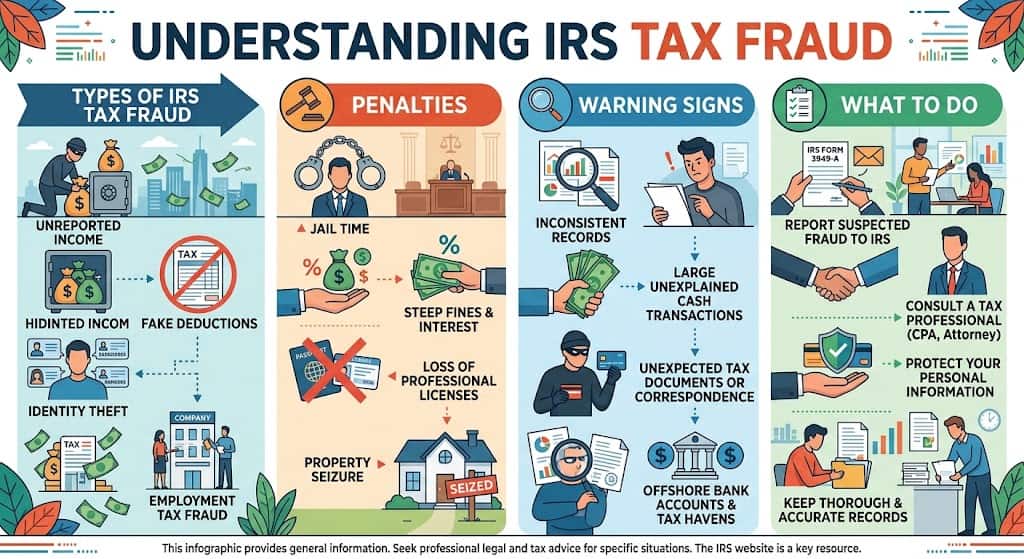
IRS Tax Fraud: Types, Penalties, Warning Signs, and What to Do
11 min read
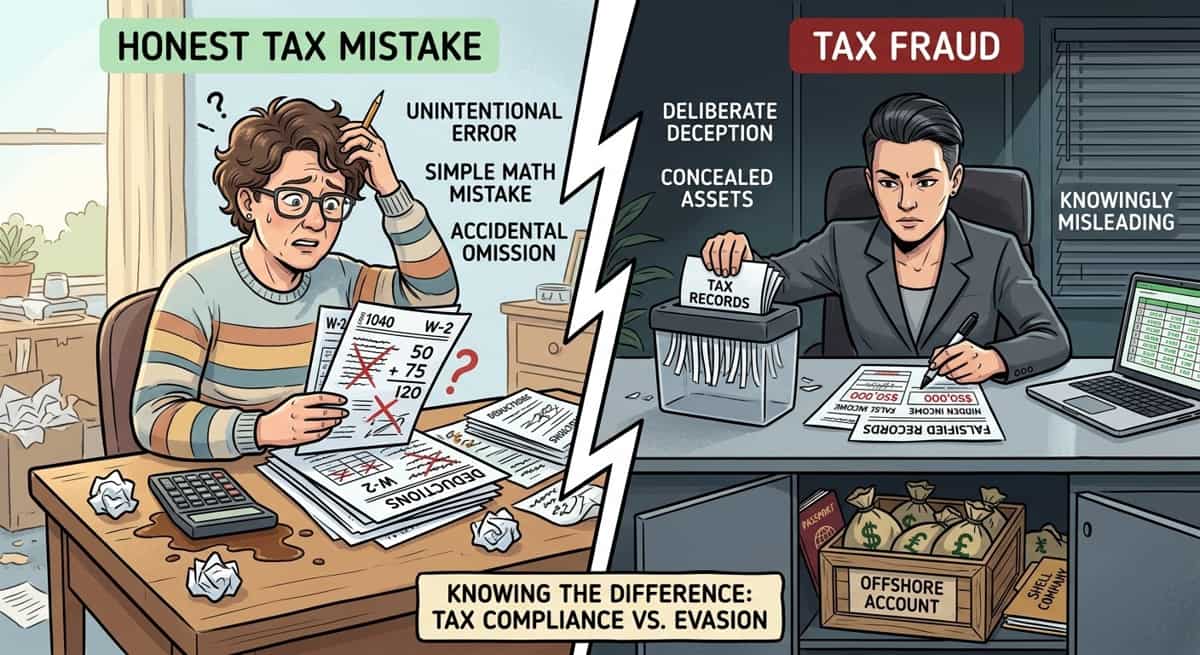
What Is the Difference Between Tax Fraud and an Honest Tax Mistake?
11 min read
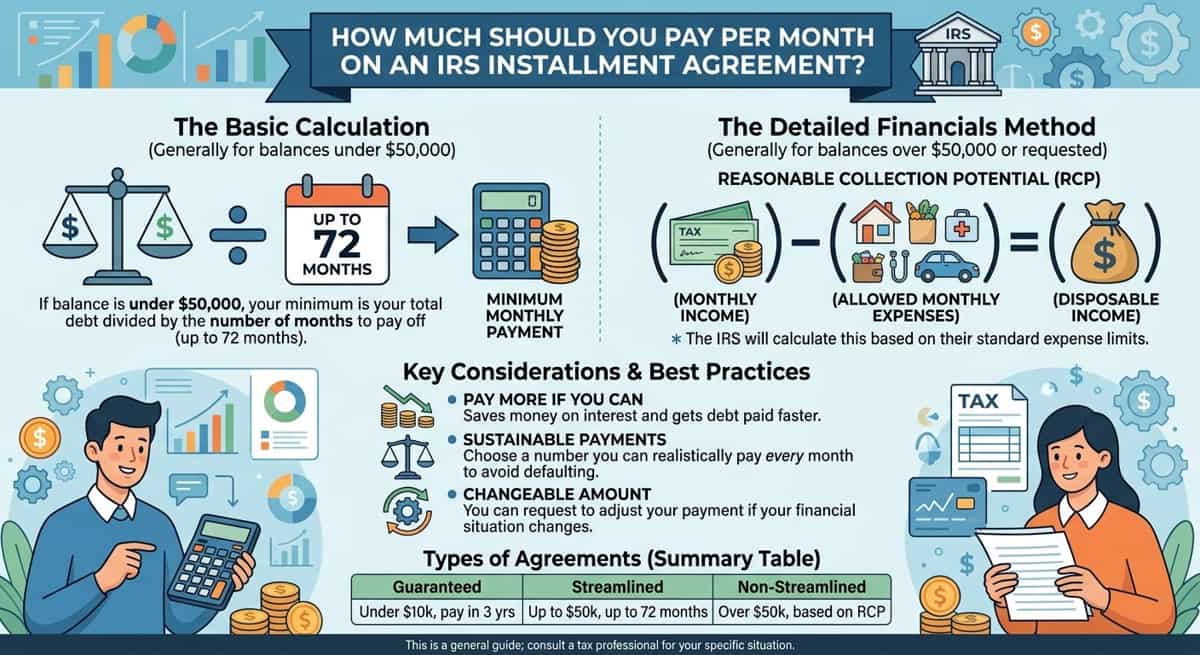
How Much Should You Pay Per Month on an IRS Installment Agreement?
10 min read
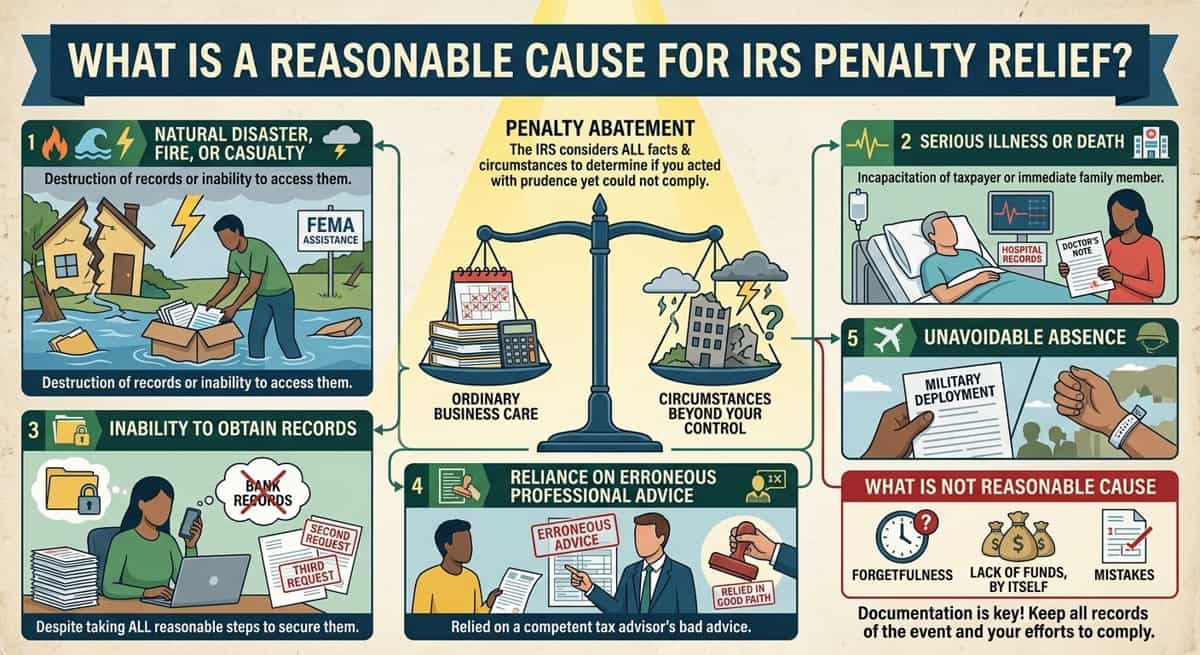
What Is a Reasonable Cause for IRS Penalty Relief
12 min read
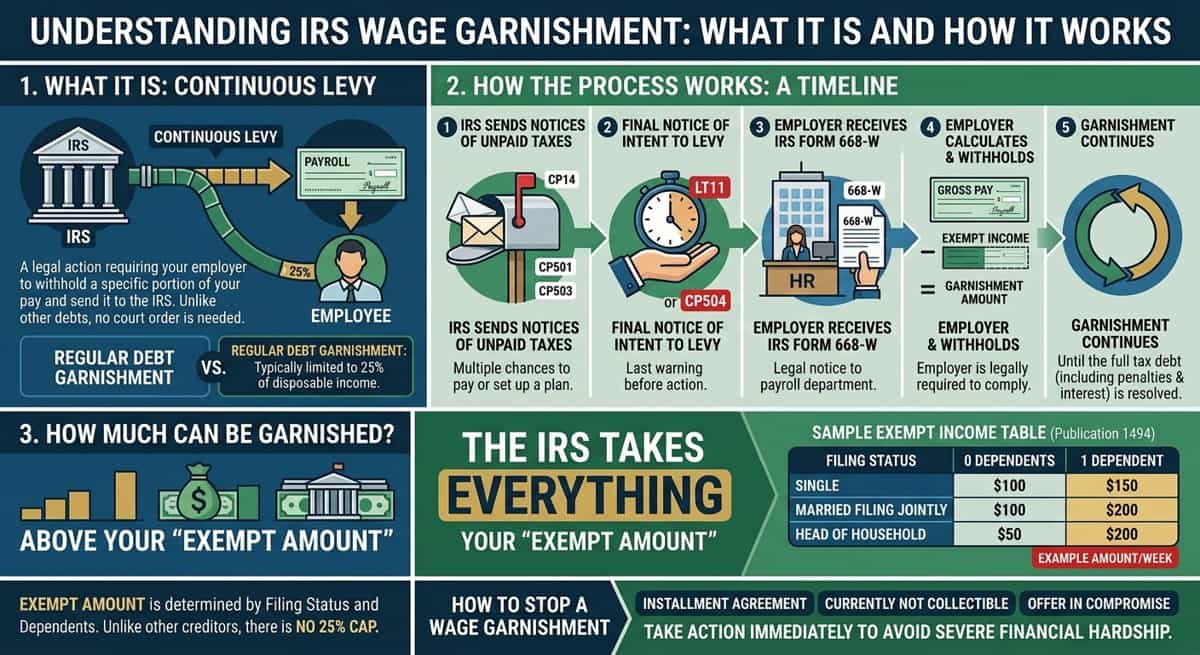
What Is an IRS Wage Garnishment and How Does It Work?
10 min read
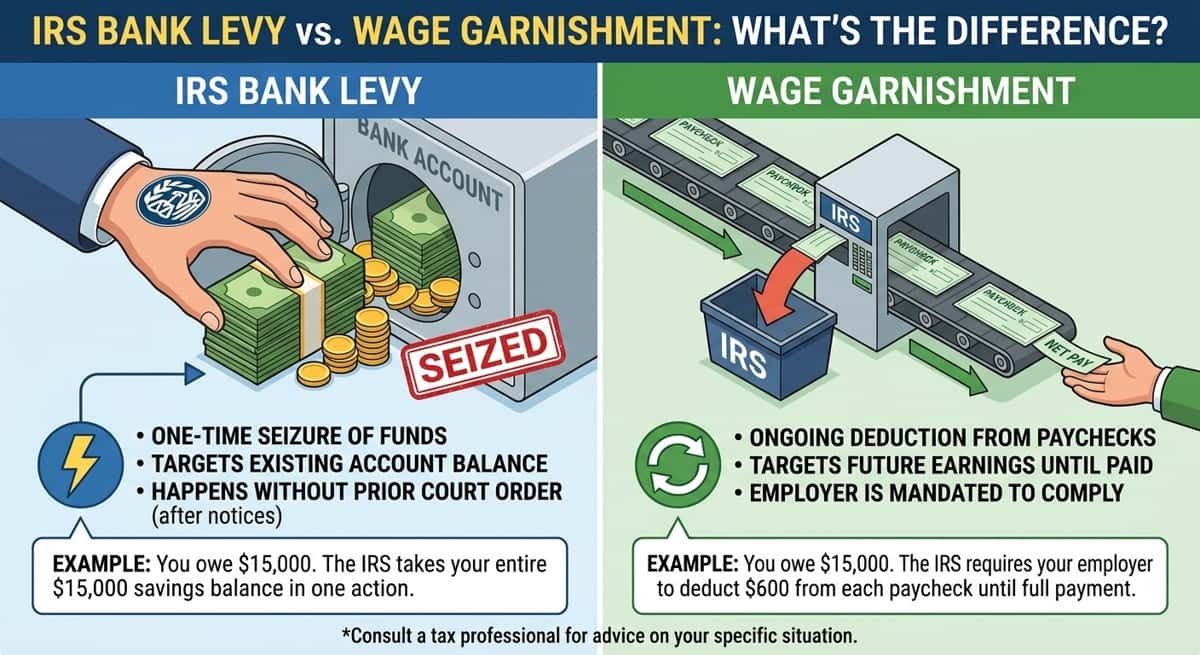
IRS Bank Levy vs. Wage Garnishment: What's the Difference?
11 min read
Get Your Free Consultation
Speak with a certified debt consultant to explore your options.
Start NowNo obligation • Free consultation