Which Debt Should I Pay Off First?
If you're juggling a credit card, a car loan, a medical bill, and maybe a loan from an uncle, it's hard to know where your next dollar should go. Here's the short answer.
Pay the minimum on every debt so nothing goes late. Then put every extra dollar toward the debt with the highest interest rate. If you need quick wins to stay motivated, start with the smallest balance instead. And if you're behind on rent, taxes, or a car you need for work, fix that first.
But your situation isn't just about numbers. Many South Asian families in the U.S. are also sending money home, helping relatives, or paying into a community committee, all while building a new life. That's a lot to carry.
Find Your Situation
Not sure where you fit? Start here.
If this is you | Do this first |
You have credit cards with high interest (APR) | Pay the highest-APR card first (the "avalanche" method) |
You have many small balances and feel stuck | Pay the smallest balance first (the "snowball" method) |
You're behind on rent, your car, or taxes | Stabilize first, then pick a method |
You owe family or friends | Write down a simple repayment plan |
You can't cover your minimum payments | Look at debt relief options (see below) |
A few quick terms. APR is the yearly cost of borrowing, shown as a percentage. The minimum payment is the smallest amount you must pay each month to stay in good standing. Credit utilization is how much of your credit card limit you're using. Lower is better for your credit score.
No matter which row fits you, one rule never changes: never miss a minimum payment. Late fees and penalty rates make every other plan harder.
Before You Choose: 4 Steps to Get a Clear Picture
You can't pick a plan if you can't see the full picture. This takes about an hour, and it's worth it. The Consumer Financial Protection Bureau (CFPB) recommends the same starting point.
1. List every debt, including the informal ones
Write down each debt with its balance, APR, minimum payment, and due date. Include the money you owe your cousin, your landlord's payment plan, and your committee contributions. If you owe it, it goes on the list.
2. Pull your free credit reports
Go to Annual Credit Report, the official site for free reports from all three bureaus (Equifax, Experian, and TransUnion). Check for accounts you don't recognize and if you spot errors or want to repair bad credit in easy steps, take action early. If you're new to the U.S. and see little or nothing, that's common.
3. Build a small starter cushion
Try to build an emergency fund while managing debt by setting aside $500 to $1,000 first. Without it, one surprise, like a car repair or a flight home for a family emergency, can push you right back onto a credit card.
4. Know where your money actually goes
Look at the last two or three months. Include rent, groceries, phone bills, and the money you send home each month. Many families skip this part. Remittances and family support are real expenses, and your plan only works if you use budgeting strategies that help you get out of debt faster while accounting for them.
Debt Avalanche vs. Debt Snowball vs. Hybrid
These are the three most common ways to decide which debt gets your extra money. In all three, you keep paying the minimum on everything else.
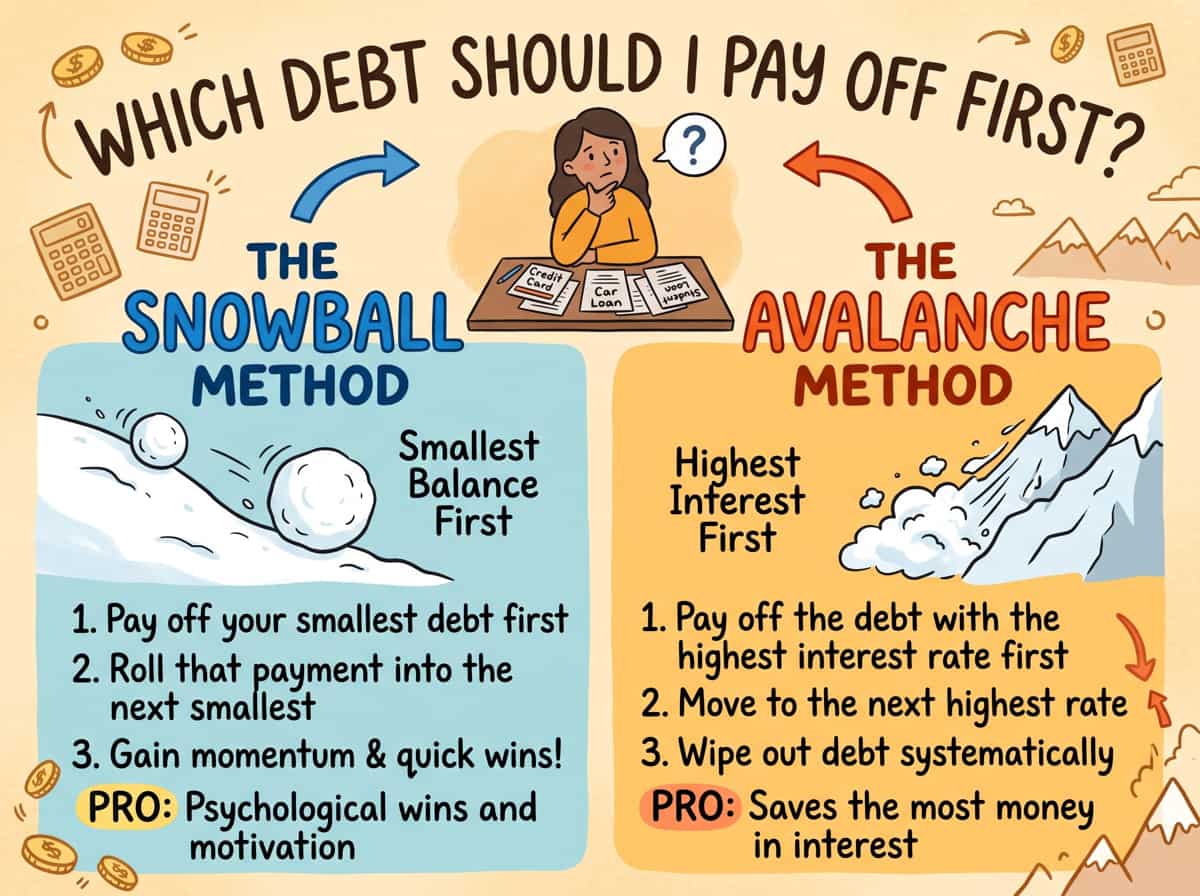
The avalanche method: highest interest first
You list your debts by APR and send all extra money to the highest one. When it's gone, you move to the next.
Pros: It costs you the least in interest overall. Cons: If your highest-rate debt is also a big one, it can take months to see your first win.
For a sense of scale: $1,000 on a card at 24% APR costs about $20 a month in interest. The same $1,000 on a 12% loan costs about $10. That gap adds up.
The snowball method: smallest balance first
You list your debts by balance and attack the smallest one first, no matter the interest rate.
Pros: You get quick wins, and each one frees up money for the next debt.
Cons: You'll usually pay more interest in the end.
The hybrid method: a bit of both
Pay off one or two tiny balances first for the confidence boost, then switch to avalanche for the rest. It's a good fit if you have a couple of small bills hanging over you but also a high-rate card.
Avalanche | Snowball | Hybrid | |
Interest saved | Most | Least | In between |
Time to first win | Slower | Fastest | Fast |
Best for | People who like numbers | People who need momentum | People who want both |
Here's what the math can't tell you: the best method is the one you'll actually stick with. When you're sending money home, covering a relative's tuition, and working long hours, motivation matters. A plan that saves $300 in interest but makes you quit in month four doesn't save you anything.
Debts to Prioritize First, Whatever Method You Choose
Some debts can't wait, even if their interest rate is low. Here's a simple order to think about.
Housing, utilities, and a car you need for work
Rent or mortgage comes first. So do utilities, and the car loan if you need the car to get to work. Losing your home or your income makes every other debt harder to pay. Never put a low-interest debt ahead of keeping your housing and job stable.
Government debts
IRS balances and federal student loans deserve quick attention. The IRS can take money from your paycheck or bank account if a tax debt goes unpaid, but it also offers payment plans. Federal student loans offer repayment options based on your income, so check Student Aid before you assume you can't afford your payment and if you're already behind or carrying private loans, Understand how to negotiate a student loan settlement. Ask about these options before you fall behind.
Predatory debts
Payday loans, car title loans, and rent-to-own agreements can carry extremely high costs. Put them near the top of your list and consider cheaper ways to replace them, such as a credit union loan or a payment plan with the lender.
High-interest credit cards and buy-now-pay-later
These are the main targets for avalanche. Cards often charge 20% APR or more, and missed buy-now-pay-later payments can bring fees though you can often call your issuer to negotiate your credit card debt or ask for a lower hardship rate.
Lower-interest installment loans last
A car loan, personal loan, or student loan at a moderate rate can usually wait while you clear the expensive debts. Keep paying the minimum, and don't stress about them.
Debt Situations Unique to South Asian Households
Most debt advice assumes your money is only yours. For many South Asian families, it isn't, and that's not a flaw. It's how our families work. Here's how to handle the parts that generic advice leaves out.
Loans from family and friends
Borrowing from a relative can feel easier than a bank, and it can also be harder, because a missed payment affects the relationship. Treat it like real debt. Write down the amount, how much you'll pay each month, and when it will be done. Both sides should keep a copy. A clear plan protects the relationship better than a vague "I'll pay you when I can."
Sending money to family abroad
Helping parents or siblings is often non-negotiable, and nobody should feel guilty about it. But treat it as a planned line in your budget, not whatever is left at the end of the month. If you're carrying high-interest debt, have an honest conversation about a sustainable amount for a set period. A temporary adjustment now can help you support your family longer.
Shared and co-signed debt, and debt back home
If you co-signed a loan for a relative, you're equally responsible. If they miss a payment, it shows up on your credit report too. Debt in your home country usually won't appear on your U.S. credit report, but it can still be a real obligation to your family. Include it in your plan.
Stigma and silence
In many of our communities, money problems are kept quiet. Because of that, people wait until things get serious before they ask for help. Debt is common, and getting help early is a smart move. Nonprofit credit counselors work with people from every background, and many offer services in several languages.
Worked Example: Two Approaches Side by Side
Let's see how this plays out. Meet a sample household with these debts:
Credit card: $3,000 at 24% APR (minimum $90)
Personal loan: $5,000 at 12% APR (minimum $150)
Medical bill: $1,200 at 0% (minimum $50)
Family loan: $1,000 at 0% (agreed payment $50)
They pay the minimums, which total $340 a month, and add $400 extra each month for 12 months.
Avalanche | Snowball | |
Order of payment | Card, then loan | Family loan, medical bill, card, then loan |
First debt paid off | Month 7 (card) | Month 3 (family loan) |
Interest paid in 12 months | About $705 | About $960 |
Left to pay after 12 months | About $2,030 | About $2,280 |
Avalanche saves roughly $250 in the first year. Snowball gives this family three debts paid off, including the one owed to relatives, much sooner. If clearing the family loan would ease stress at home, that early win has real value.
These numbers are examples only. Your balances, rates, and payments will differ, so run your own numbers with our free credit card and debt payoff calculator.
When Choosing Isn't Enough: Debt Relief Options
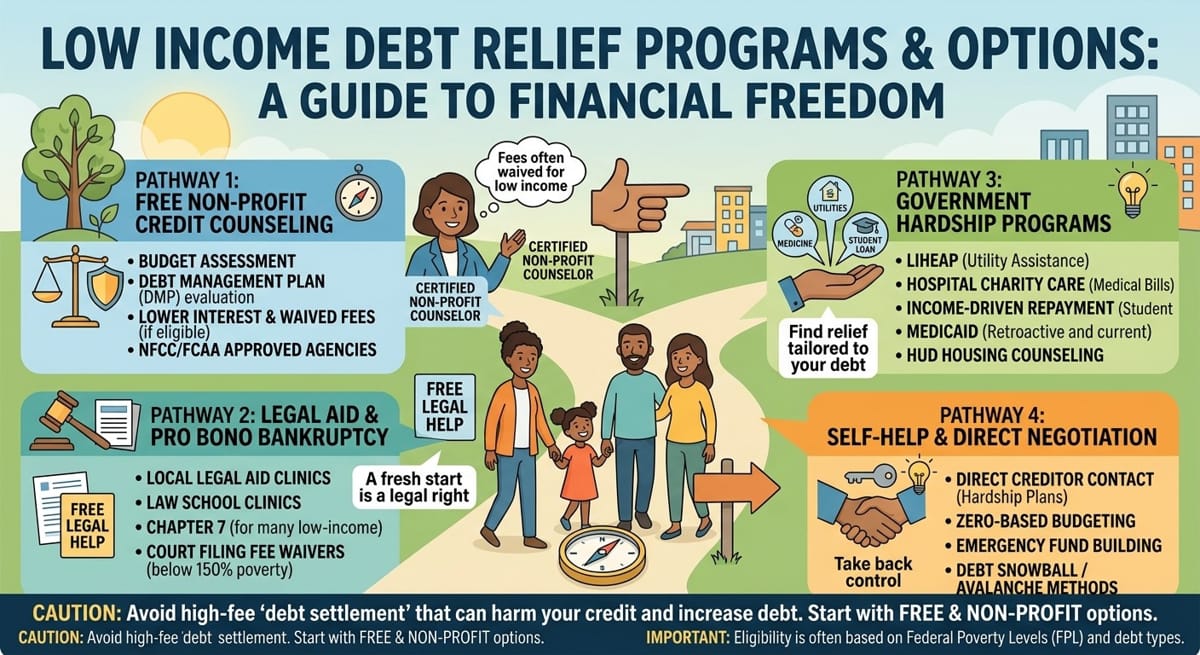
Sometimes no method works because there simply isn't enough money. If you're missing payments, using one card to pay another, or losing sleep, it's time to look at professional debt relief services or explore low-income debt relief programs and options.
Nonprofit credit counseling and debt management plans
Through credit counseling for financial hardship , a counselor reviews your budget for free or a low cost. They may offer a debt management plan (DMP), where you make one monthly payment and the agency works with your creditors to lower interest rates. Look for agencies affiliated with the National Foundation for Credit Counseling (NFCC).
Debt consolidation loans and balance transfers
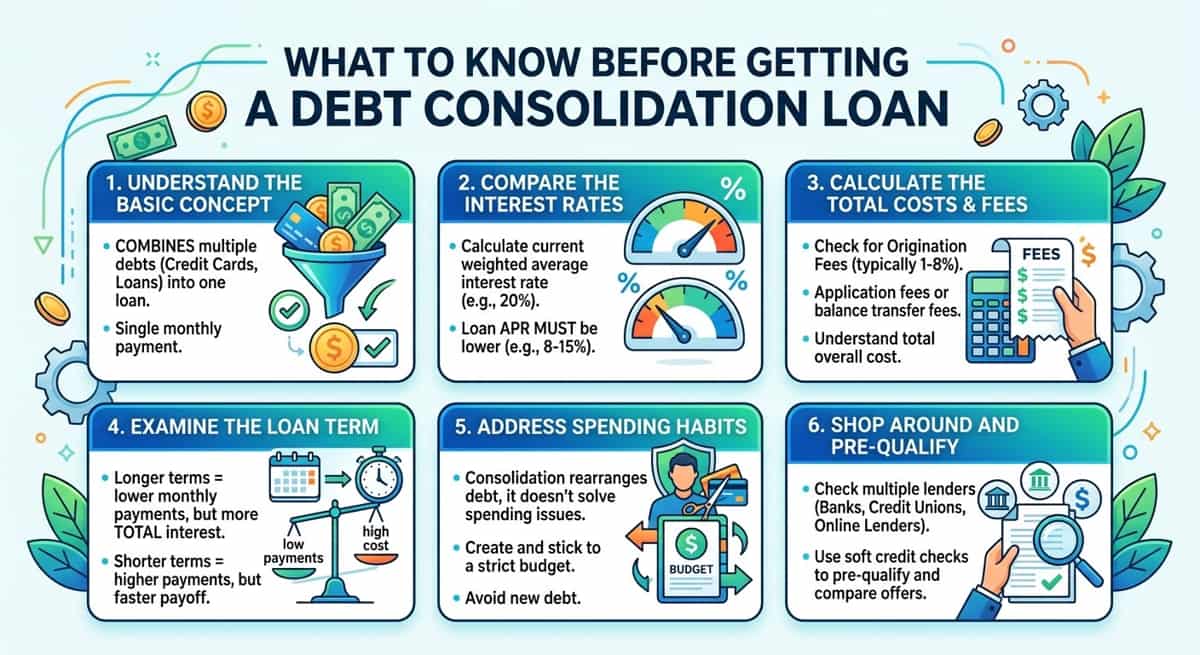
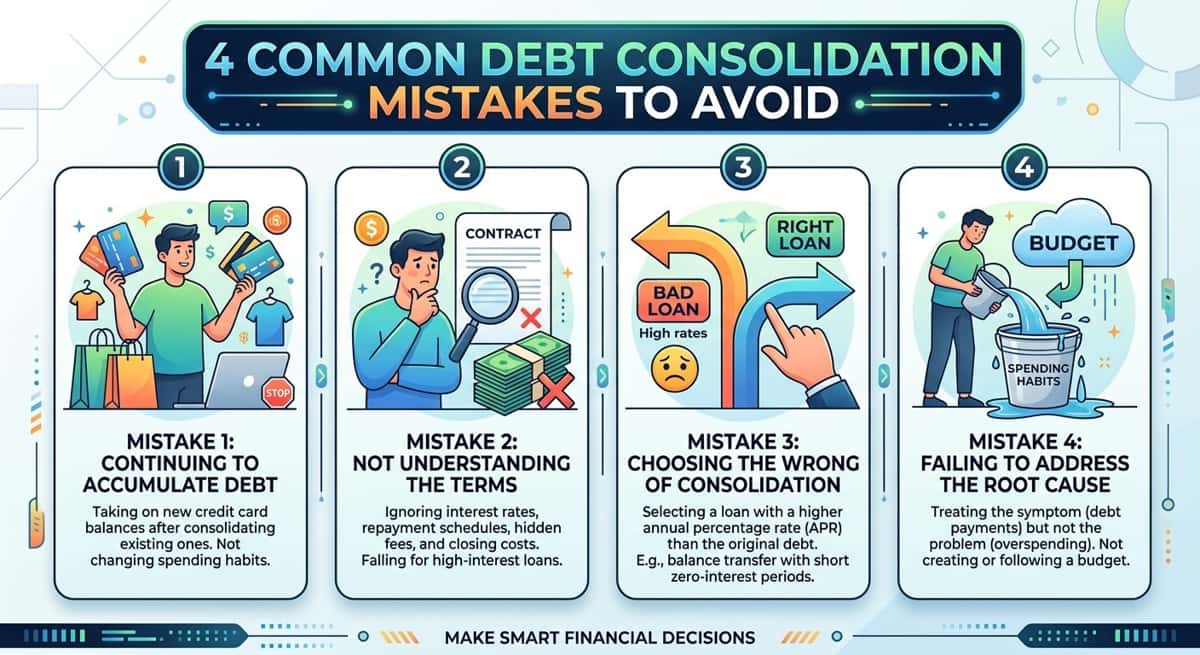
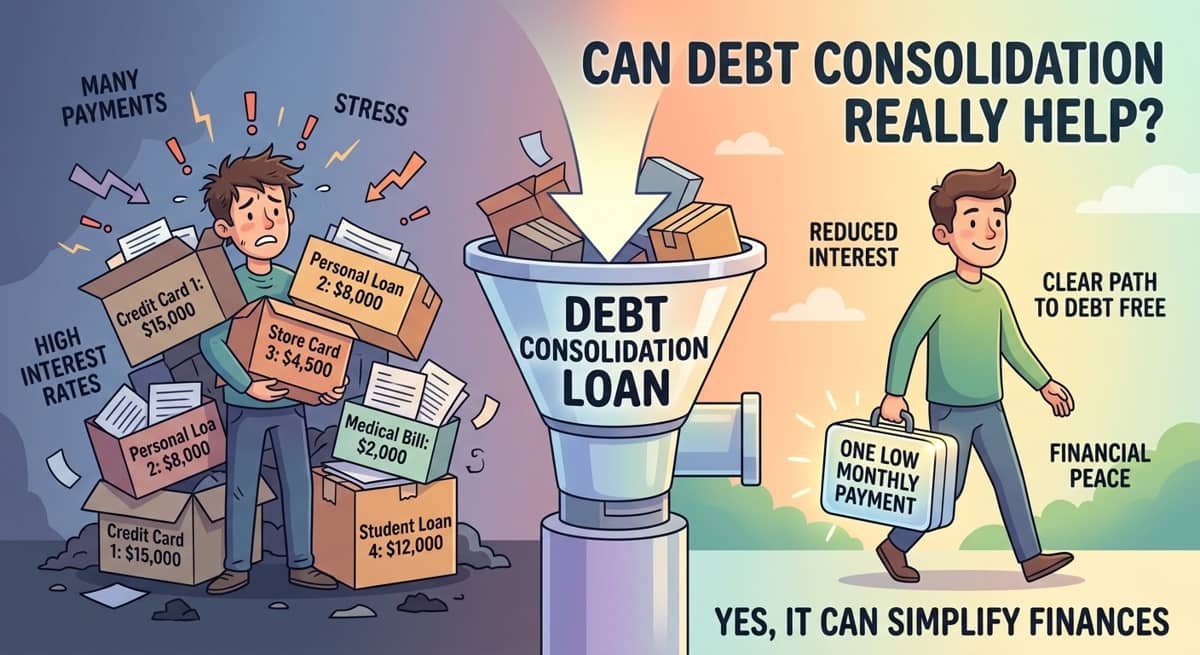
Debt consolidation loans combine several debts into one, ideally at a lower rate. But watch for transfer fees, origination fees, and the temptation to run the cards up again. Consolidation doesn't erase debt. It moves it.
Debt settlement
Debt settlement programs negotiate with creditors so you pay less than you owe. . The risks are serious: your credit can drop, you may pay high fees, and forgiven debt can be taxable. Approach with caution.
Bankruptcy
The bankruptcy process can give you a legal fresh start, but it has long-term credit effects. If you're considering it, speak with a licensed bankruptcy attorney first.
If you have questions about how any of this could affect your immigration status, talk to an immigration attorney. This guide can't answer that.
How to Spot Debt Relief Scams
People in immigrant communities are often targeted, sometimes by someone who speaks your language or claims to be from "the community." Watch for these warning signs:
Fees charged upfront. For phone-based debt settlement, federal rules ban charging before results.
Guarantees to erase your debt or fix your credit.
Pressure to stop talking to your creditors or to act today.
Trust-based sales pitches that rely on community ties instead of facts.
If something feels off, report it at ReportFraud.ftc.gov or submit a complaint at consumerfinance.gov/complaint.
Your 7-Day Action Plan
Day 1: List every debt, including family and committee obligations.
Day 2: Pull your credit reports at AnnualCreditReport.com.
Day 3: Start a $500 to $1,000 cushion, even if you begin small.
Day 4: Choose an avalanche, snowball, or hybrid.
Day 5: Set up automatic payments for every minimum.
Day 6: Put a monthly check-in on your calendar to review progress.
Day 7: If you feel overwhelmed, contact a nonprofit credit counselor.
Take the Next Step
To recap: pay every minimum, take care of urgent debts first, then focus extra money on the highest-interest debt or the smallest balance, whichever you'll stick with. You don't have to be perfect, you just have to start.
If you'd like a second set of eyes on your numbers, schedule a free consultation with our multilingual team. There's no pressure. And remember: asking for help isn't a sign of weakness. It's one of the strongest things you can do for yourself and your family.
Ready to Get Started?
Get a free consultation with a certified debt consultant to see if debt settlement is right for you.
Get Free ConsultationAbout the Author
Bhupinder Bajwa
.
Related Articles

How to Negotiate Your Credit Card Debt
11 min read

Does Debt Settlement Work? What to Know Before You Start
11 min read
What to Know Before Getting a Debt Consolidation Loan
10 min read
Low Income Debt Relief Programs And Options
14 min read
4 Common Debt Consolidation Mistakes to Avoid
10 min read
Can Debt Consolidation Really Help?
13 min read
Get Your Free Consultation
Speak with a certified debt consultant to explore your options.
Start NowNo obligation • Free consultation