Low Income Debt Relief Programs And Options
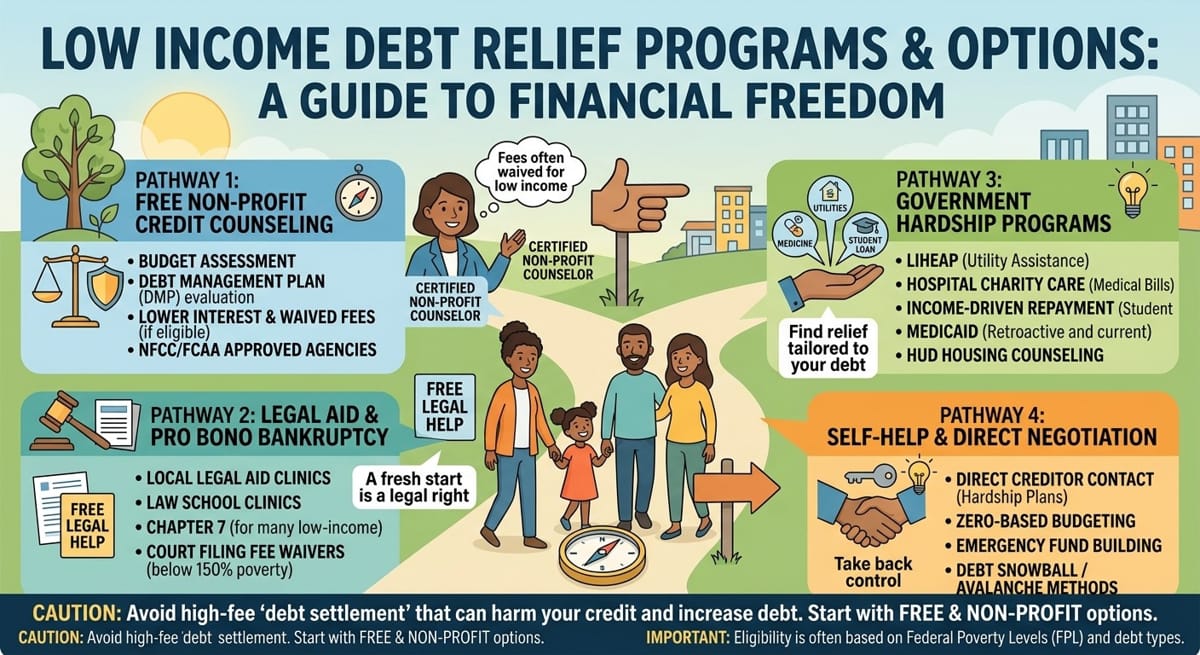
Living on a low income while dealing with debt can feel overwhelming. When most of your paycheck already goes toward rent, groceries, utilities, and other essentials, finding extra money for credit card bills or loans can seem impossible.
The good news is that you may have debt relief options that can make your payments more manageable. Depending on your situation, these may include hardship programs, nonprofit credit counseling, debt management plans, government assistance, or other forms of debt relief.
However, not every option is right for everyone. Some programs may affect your credit, while others may come with fees or eligibility requirements. Understanding how each option works can help you avoid costly mistakes.
What Is the Best Debt Relief Option on a Low Income?
The best debt relief option on a low income is usually free help from a nonprofit credit counselor, along with a hardship plan from your lender. These steps can lower your interest and monthly payments without the heavy credit damage of debt settlement or bankruptcy, so they are the safest place to start.
Here is how that looks in practice:
Credit counseling: A counselor reviews your budget and may set up one lower monthly payment with reduced interest.
Direct negotiation with your lender: Ask your card issuer or loan servicer about hardship programs, lower rates, or paused payments.
Legal bankruptcy options: If you're still falling behind, talk to a bankruptcy attorney or legal aid office before deciding anything.
Searching for debt relief programs near me? Many nonprofit agencies counsel by phone or online, so you can get help from anywhere in the US.
What Are the Safest Low-Income Debt Relief Programs for South Asians in the US?
The safest debt relief options cost little, protect your credit, and don't ask you to stop paying and hope for the best. Here they are, starting with the safest.
Nonprofit Credit Counseling and Debt Management Plans (DMP)
If you've searched "nonprofit credit counseling near me," look for agencies affiliated with the National Foundation for Credit Counseling (NFCC). The first session is usually free or low cost. A counselor reviews your income, bills, and debts with you, without judgment.
If it makes sense, they may set you up with a debt management plan. You make one monthly payment to the agency, which pays your creditors, often at lower interest rates. Most plans run three to five years, and the cards you enroll in are usually closed. Ask about monthly fees and whether they can be reduced for low income.
Many agencies offer counseling in Hindi, Urdu, Bengali, Gujarati, Punjabi, or Tamil, or can bring in an interpreter. When you book, simply ask, "Do you have a counselor who speaks my language?"
Credit Card Hardship Programs
Most card issuers have hardship programs, but they rarely mention them unless you ask. In that case Call the number on the back of your card and try something like this:
"I'm having trouble keeping up with my payments because my income has dropped. Do you have a hardship program that could lower my interest rate, waive late fees, or pause payments for a few months?"
Be calm and specific, and write down the name of the person you speak to. If the first agent says no, ask for the hardship or loss mitigation team.
Debt Consolidation Loans and Balance Transfers: When They Help and When They Don't
A consolidation loan rolls several debts into one payment. A balance transfer card moves your balance to a card with a low or 0% introductory rate. Both can help if your credit is decent.
But if you're new to the US or your credit file is thin, searching "debt consolidation loans for bad credit" often turns up high APRs and fees that can leave you worse off. Balance transfers usually add a fee of about 3% to 5%. Compare the total cost before you sign anything.
Debt Settlement: The Risky One
Negotiate debt down by debt settlement, but you're usually told to stop paying your creditors first. That can mean late fees, collection calls, lawsuits, and serious credit damage.
Here's what to know before considering it:
Upfront fees are illegal. Federal rules bar debt relief companies from charging you before they settle a debt.
Credit takes a hit. Missed payments and settled accounts stay on your credit report for years.
Forgiven debt may be taxed. If a creditor forgives $600 or more, you may receive a 1099-C and owe tax, though an insolvency exception (IRS Form 982) may apply.
So is debt settlement worth it? Usually only after safer options have failed, and ideally after talking to a nonprofit counselor.
Which Debt Relief Option Fits Your Situation?
There is no single best answer, because the right choice depends on how much you owe, how much you earn, and where you are in your immigration journey. A quick way to evaluate your financial strain is calculating your debt-to-income ratio, which measures monthly debt obligations against your gross earnings. If more than about 40% of your income goes to debts, it's a good sign you need a plan, not just more willpower.
The below compares your main debt relief options side by side.
Option | Best for | Typical timeline | Credit impact | Visa/immigration impact | Cost | Risk level |
Credit counseling / DMP | Steady income, mostly credit card debt | 3–5 years | Mild; cards usually closed, but on-time payments help | Generally none | Low (small monthly fee) | Low |
Hardship plan | Short-term trouble, such as a job gap | 3–12 months | Low if you stay current | Generally none | Free | Low |
Consolidation loan | Fair or better credit, a lower APR available | 2–7 years | Small dip at first, then can improve | Generally none | Origination fees and interest | Medium |
Debt settlement | Debts already in delinquency or collections | 2–4 years | Severe; late payments and settled accounts | Generally none, but get advice if you are applying for a green card or citizenship | Fees plus possible taxes | High |
Chapter 7 bankruptcy | Little income, few assets, debts you can't repay | 3–6 months | Severe; stays on report up to 10 years | Seek legal advice first | Court and attorney fees | High |
Chapter 13 bankruptcy | Regular income, behind on payments, want to keep assets | 3–5 years | Severe; stays on report up to 7 years | Seek legal advice first | Court and attorney fees | High |
Timelines and costs vary by lender and by case, so treat the table as a starting point. If you've seen the words charge-off or collections on your credit report, it means an account has gone unpaid for a long time. That doesn't mean it's over for you, but it does mean settlement or legal help may need to be on your list.
Start Here: A Simple Decision Guide
Find the line that sounds most like you.
On an F-1, OPT, or H-4 with little or no income: Start with a hardship call to your card issuer, then book a free session with a nonprofit counselor. Avoid settlement companies, since you may not have the income to keep up with them.
On an H-1B or L-1 with steady income, behind on cards, under $15,000 in debt: A debt management plan is often the best fit. A consolidation loan may work if your credit score is fair or better.
Green card holder with a thin credit file: Counseling and hardship plans first. Build credit slowly with a secured card before applying for a consolidation loan.
Debts in collections or lawsuits, with income too low to repay: Speak with legal aid or a bankruptcy attorney. If you're also planning a green card or citizenship application, ask an immigration attorney how it could affect your case.
Not sure which line fits? A nonprofit credit counselor can help you work it out in one conversation, and it won't cost you a penny to ask.
How Does Debt Relief or Bankruptcy Affect My Visa or Green Card Status?
For many South Asians in the US, this is the question that keeps them up at night. You may be afraid that one missed payment could cost you your visa, your job, or your path to a green card. Let's separate the real risks from the myths.
Does Debt Affect My Immigration Status?
In most cases, no. Owing money on a credit card, a car loan, or a student loan does not, by itself, change your visa status or your eligibility for a green card. Immigration officers are not looking at your credit score.
The things that can cause trouble are different from ordinary debt:
Fraud or false statements: Lying on a loan application, using a fake address, or giving incorrect information on an immigration form.
Unpaid taxes: Owing the IRS, or not filing returns you were required to file.
Unpaid court-ordered obligations: Such as child support.
So if you're wondering, "does bankruptcy affect a green card application?", the short answer is that filing bankruptcy is not automatically a reason for denial. It can come up in the questions asked during the process, and the details matter, so ask an immigration attorney before you file. Debt that you have honestly disclosed and are managing is very different from debt tied to dishonesty.
Public Charge, Naturalization, and Good Moral Character
Two other terms may come up as you read about this.
Public charge is a test USCIS may apply to some green card applicants. It focuses mainly on whether a person is likely to depend on certain government benefits, not on whether they have credit card debt. If a relative sponsored you, they signed an I-864 affidavit of support, a legal promise to support you financially. That promise is about the sponsor's income, not your debt.
Good moral character is reviewed when you apply for citizenship. Ordinary debt is not a problem here either, but unpaid taxes, dishonesty, or ignoring court orders can be. Keep filing your taxes on time and keep records of any payment plans you set up.
Rules and USCIS policies change, so check current guidance on uscis.gov and speak with an immigration attorney if your case is complicated.
Can Debt Collectors Threaten to Report Me to ICE?
No. Debt collectors cannot lie, threaten, or harass you, and the Fair Debt Collection Practices Act (FDCPA) applies no matter your immigration status. Collectors who threaten deportation or a call to immigration to scare you into paying may be breaking the law.
Here is what you can do:
Ask for written proof of the debt. Within 30 days of the collector's first notice, send a debt validation request in writing.
Keep records. Save letters, screenshots, and the date and time of any calls.
Don't pay under pressure. Never send money or share bank details because someone threatens you.
Report abuse. File a complaint at consumerfinance (CFPB) or report fraud (FTC).
You have rights, and using them is safe.
Can I Get Debt Relief With No SSN, an ITIN, or No US Credit History?
Yes, there are options, though they look a little different. Many newcomers arrive with a strong financial record back home, only to find that the US system doesn't see it.
What If I'm "Credit Invisible" or New to the US?
Your FICO score is a number, usually between 300 and 850, based on information at the three credit bureaus: Equifax, Experian, and TransUnion. It looks at payment history, how much of your credit limit you use, how long your accounts have been open, and the mix of credit.
If you have little or no history, you have what's called a thin credit file, or you may be "credit invisible." That's not a mark against you. It means the bureaus have little to go on yet.
If you're asking how to build credit as an immigrant, start by paying every bill on time and keeping card balances low. Nonprofit credit counseling and hardship plans don't require a high score, so you can usually get help even with a thin file. Some people use an ITIN (Individual Taxpayer Identification Number) instead of an SSN, and some lenders and credit unions accept it.
Secured Cards and Credit-Builder Loans
Two simple tools can help you start building credit:
Secured credit card: You put down a deposit, often $200 to $500, which becomes your credit limit. Use it for small purchases and pay the full balance each month.
Credit-builder loan: A small loan, often from a credit union, where the money is held in an account while you make payments. Once you've paid it off, you get the money back.
Make sure the card or loan reports to all three bureaus. We'll cover how to rebuild and strengthen your score step by step in the credit recovery section below.
How Can I Spot Debt Relief Scams Targeting Immigrant Communities?
When you're stressed about money, an offer that sounds like a way out can be hard to resist. Scammers know this. They often target immigrant communities by going where people already trust each other: WhatsApp groups, community pages, temple or mosque circles, and friends of friends. Falling for one doesn't mean you were careless. These schemes are built to look friendly and convincing.
Watch for these warning signs:
Upfront fees. Legitimate debt relief companies can't charge you before they settle or reduce a debt.
Guaranteed results. No one can promise to erase your debt or "fix" your credit score.
"Stop paying your creditors." Being told to stop paying and send money to them instead can lead to late fees, lawsuits, and collections.
Pressure to act now. Real help doesn't come with a countdown clock.
Notario-style "consultants." Anyone offering legal or immigration advice without being a licensed attorney or accredited representative is a red flag.
If you're wondering "is this debt relief company legit?", take a few minutes to check before you share any information. Search the company name in the CFPB complaint database, look for it on your state attorney general's, and check its Better Business Bureau profile. You can also call a nonprofit credit counselor for a second opinion, free of charge.
What Should I Do in the Next 30 Days?
You don't have to fix everything at once. Thirty days is enough to go from feeling overwhelmed to having a real plan. Take it one week at a time.
Week 1: Get the full picture.
Write down every debt you have: who you owe, the balance, the APR, the minimum payment, and the due date. Then pull your free credit reports from Annual Credit Report If you're new to the US, your file may be short or empty, and that's okay. Check for accounts you don't recognize.
Week 2: Build a simple budget and make the first calls.
List your income, your essential bills, and what you send to family each month. Then call your card issuers and ask about hardship programs. Write down who you spoke to and what they offered.
Week 3: Talk to a professional.
Book a free or low-cost session with a nonprofit credit counselor, and ask for a counselor who speaks your language if that would help. Bring your debt list and budget.
Week 4: Choose a path and protect the basics.
Decide on your next step with your counselor, whether that's a debt management plan, a hardship plan, or something else. Set up autopay for rent, utilities, and minimum payments so nothing slips while you recover.
Progress, not perfection, is the goal. A downloadable debt tracker can help you keep everything in one place.
How Do I Recover My Credit Score After Debt Relief?
A damaged credit score can feel like a permanent label, especially when you're also thinking about a car loan, an apartment, or a mortgage. The good news is that your score can recover, and the work you do now counts.
How Long Does FICO Score Recovery Take?
There's no single timeline, because it depends on what's on your report and how you handle things going forward. Most negative items, like late payments, collections, and settled accounts, stay on your credit report for up to seven years, but their impact fades over time. Many people see real improvement within 12 to 24 months of steady habits. Bankruptcy can stay on your report longer, up to 10 years for Chapter 7.
If you're searching for how to rebuild credit after debt settlement, focus on the two things that move your FICO score the most:
Payment history: Paying every bill on time is the biggest factor.
Credit utilization: This is how much of your credit limit you're using. Keeping balances well below 30% of your limits helps, and lower is better.
Everyday Habits That Rebuild Credit
Small, steady steps add up:
Open one small account. A secured card or credit-builder loan, used lightly and paid on time, adds positive history.
Be careful with new applications. Each hard inquiry can lower your score slightly, so apply only when you need to.
Consider becoming an authorized user. A trusted family member with good credit can add you to a card, if the issuer reports it to the bureaus.
Conclusion and Next Steps
Carrying debt while building a life in the US, supporting family back home, and worrying about your visa is a heavy load. But you have more options than you may have realized, and the safest ones, like nonprofit credit counseling and hardship plans, are often free or low cost. Your credit can recover, and asking for help is a sign of strength, not failure.
Ooraa, a debt relief organization, can help you understand your debt relief options and find a path that fits your situation. Book a free session with a nonprofit credit counselor this week, bring your list of debts, and ask for someone who speaks your language if that would make you more comfortable.
Ready to Get Started?
Get a free consultation with a certified debt consultant to see if debt settlement is right for you.
Get Free ConsultationAbout the Author
Bhupinder Bajwa
.
Related Articles
Before Filing for Bankruptcy: What You Need to Know
11 min read
4 Common Debt Consolidation Mistakes to Avoid
10 min read
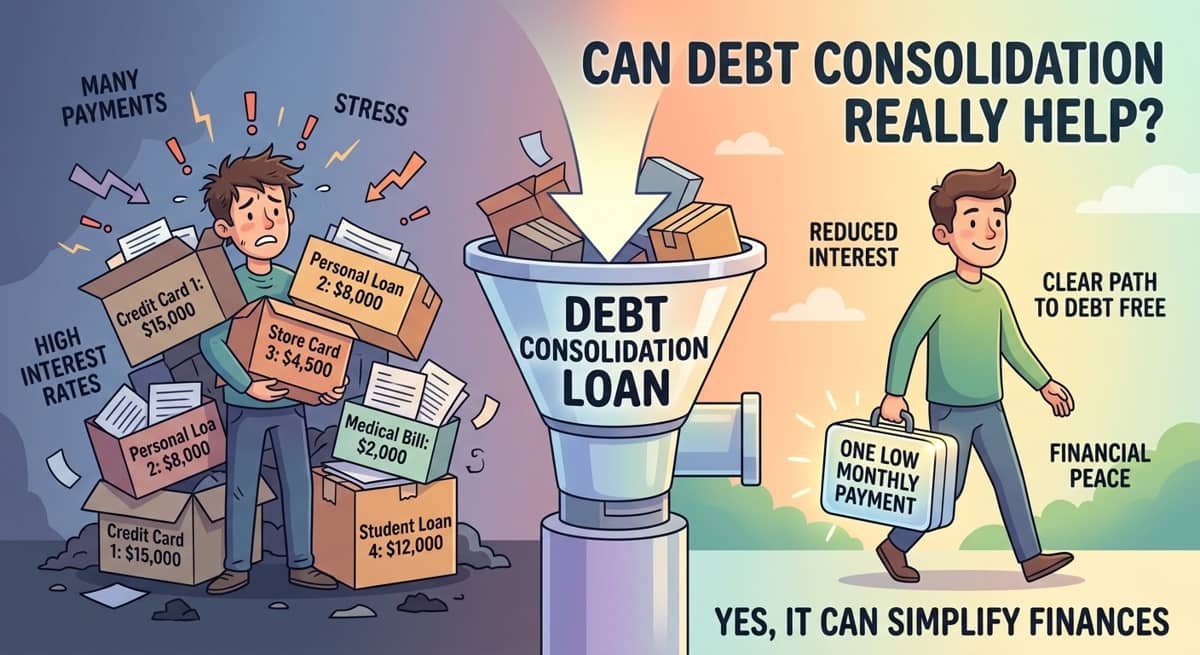
Can Debt Consolidation Really Help?
13 min read
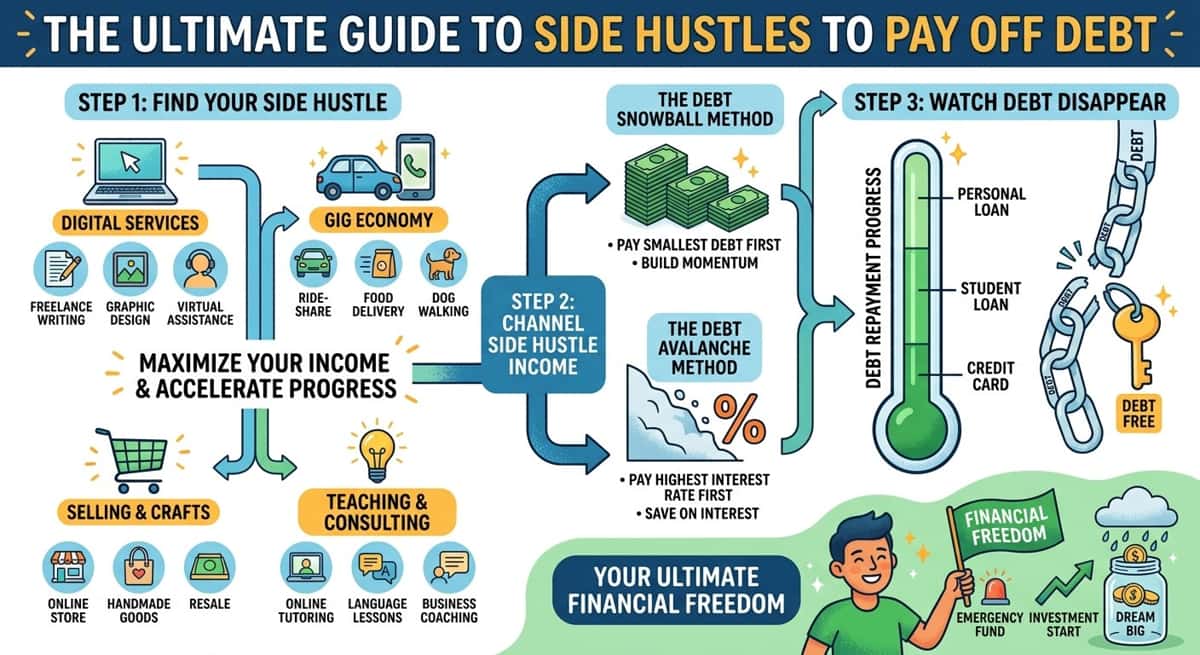
The Ultimate Guide To Side Hustles To Pay Off Debt
12 min read
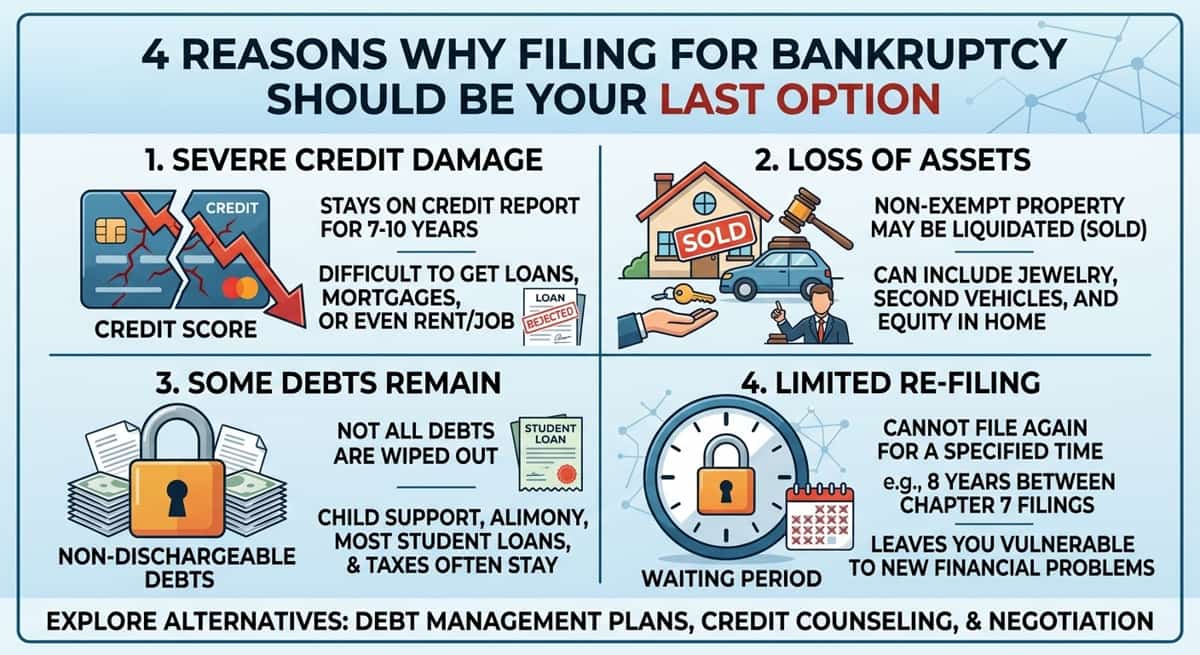
4 Reasons Why Filing for Bankruptcy Should Be Your Last Option
10 min read
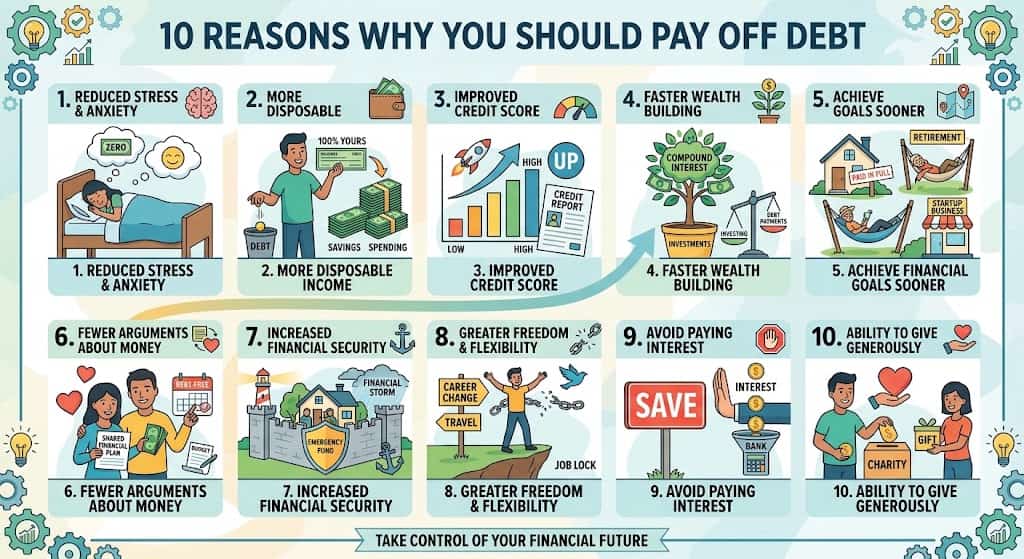
10 Reasons Why You Should Pay Off Debt
9 min read
Get Your Free Consultation
Speak with a certified debt consultant to explore your options.
Start NowNo obligation • Free consultation