Does Debt Settlement Work? What to Know Before You Start

Navigating the American financial system can feel like learning a completely new language. For many South Asian individuals residing in the US, this is compounded by a unique set of pressures. You are likely balancing the exceptionally high cost of living in the States, sending remittances back home to support your family, and dealing with the heavy cultural stigma of discussing financial struggles openly. It can feel incredibly isolating.
As a financial management expert specializing in the US credit system and immigrant financial challenges, I have seen firsthand how debt can silently overwhelm hardworking people. My goal is to demystify your options. If you are drowning in credit card balances or personal loans, debt settlement might be a viable path out. Here is exactly how it works, what it costs, and what you need to know before taking the leap.
What is Debt Settlement and How Does the Process Actually Work?
Debt settlement is a financial strategy where you, or a company working on your behalf, negotiate with a creditor to reduce the total balance of your unsecured debt. Unsecured debt includes obligations not tied to an asset, such as credit card debt, medical bills, and standard personal loans. The creditor agrees to accept a smaller, lump-sum payment to close the account rather than risking getting nothing if you file for bankruptcy.
The entire process generally spans a timeline of 24 to 48 months, depending on how much you owe and how quickly you can save money. Here are the core mechanics of how the process unfolds:
First, to gain leverage in negotiations, a debt settlement program usually requires you to stop making monthly payments to your creditors. While this sounds alarming, creditors are rarely willing to forgive a portion of your debt if you are consistently paying them on time.
Instead of paying the credit card companies, you will deposit a set monthly amount into a dedicated, FDIC-insured escrow account (or trust account) that you control. As you miss payments, your accounts will eventually default and turn into charge-offs. A charge-off means the original creditor has written the debt off their primary books as a loss. Often, they will sell the account to third-party debt buyers or assign it to a collection agency.
Once a sufficient lump sum has accumulated in your escrow account, the negotiation phase begins. The settlement company will approach the original creditor or the debt buyer and offer the cash you have saved to settle the debt for good. Once an agreement is reached and you approve it, the funds are released from your escrow account, the debt is officially settled, and you no longer owe the remaining balance.
The Cultural and Legal Realities for South Asians in the US
Mainstream financial advice often overlooks the specific hurdles faced by immigrants. For South Asians in the US, dealing with debt is not just a math problem; it is deeply intertwined with immigration status, family expectations, and cultural pride.
Does Debt Settlement Affect Visas or Immigration Status?
The single biggest fear I hear from H-1B, L-1, and Green Card applicants is whether having bad credit or settling debt will affect their immigration petition. Many worry that failing to pay a credit card will make them a "public charge" in the eyes of the US government, leading to deportation or visa denial.
Let me be absolutely clear about the legal reality: private consumer debt generally does not impact your United States Citizenship and Immigration Services (USCIS) applications.
The "public charge" rule is designed to identify individuals who are likely to become primarily dependent on the US government for subsistence (such as relying on cash assistance programs like SSI or TANF, or long-term institutionalized care at the government's expense). Defaulting on a Chase or American Express credit card is a private civil matter, not a government handout. Unless you owe back taxes to the IRS or have unpaid federal child support, your credit score and private debt settlements are not part of the USCIS public charge evaluation. You will not lose your H-1B visa simply because you settled a personal loan.
Overcoming the Cultural Stigma of Debt
In many South Asian communities, the pressure of the "model minority" myth is immense. There is an unspoken expectation to project success, wealth, and stability. Failing financially in the US a country many moved to specifically for economic opportunity carries a deep sense of shame.
Many people suffer in silence out of fear that family back in India, Pakistan, Bangladesh, or Sri Lanka will find out. It is crucial to understand how US financial privacy laws work. Under the Fair Credit Reporting Act (FCRA) and other privacy regulations, your financial data is strictly localized and confidential. Creditors and credit bureaus cannot and will not call your parents in Dhaka or your relatives in Chennai to discuss your debts.
Your financial struggles in the US remain in the US. Overcoming the cultural taboo of debt is the first step toward getting your life back. Seeking professional financial help is a sign of responsibility, not a mark of failure.
The Pros and Cons: Is Debt Settlement Your Best Financial Move?
Before signing up for any program, you need to weigh the realities of the debt settlement process. It is a powerful tool, but it requires a high tolerance for temporary financial discomfort.
The Benefits of Settling Your Debt
Avoiding Bankruptcy: For many, the primary appeal of debt settlement is avoiding Chapter 7 or Chapter 13 bankruptcy. Bankruptcy stays on your public record for up to 10 years and can severely restrict your financial life, whereas settlement is a private agreement with creditors.
Significant Principal Reduction: A successful settlement can reduce the principal balance of your debt by 40% to 50% before fees are applied. Even after the settlement company takes its fee, you often end up paying considerably less than you originally owed.
A Definitive End Date: When you only make minimum payments on high-interest credit cards, it can take decades to pay off the balance. Debt settlement provides a structured, predictable timeline (usually 2 to 4 years) to become entirely free of those specific debts.
The Hidden Risks You Must Anticipate
Credit Score Devastation: Because you must stop making payments to initiate the process, your credit score will drop significantly during the first few months. Furthermore, a settled account will remain on your US credit report for seven years from the original delinquency date, marked as "Settled for less than the full balance." This makes getting new credit difficult and expensive in the short term.
Tax Consequences: The IRS considers forgiven debt over $600 to be taxable income. If a creditor forgives $10,000 of your debt, they will send you and the IRS a 1099-C form at the end of the year. You will need to claim that $10,000 as income on your taxes, which could increase your tax bill unless you qualify for an insolvency exemption.
Lawsuit Risks: While you are withholding payments and saving money in your escrow account, your creditors retain the right to sue you for the unpaid balance. If they win a judgment before a settlement is reached, they could potentially pursue wage garnishment. A legitimate settlement company will step in to negotiate aggressively if a lawsuit is threatened, but the risk remains a reality.
Debt Settlement vs Other Relief Options
If you are searching for debt relief, settlement is just one of several paths. Choosing the right debt option depends on your credit score, income stability, and exactly how much you owe.
Relief Option | Impact on Credit Score | Typical Timeframe | Best For... |
Debt Settlement | High Negative Impact (initially) | 2 to 4 Years | High debt amounts, facing hardship, cannot afford minimums. |
Debt Consolidation Loan | Positive/Neutral | 3 to 7 Years | Good credit (680+), steady income, seeking lower interest rates. |
Debt Management Plan (DMP) | Neutral | 3 to 5 Years | Steady income, struggling with interest rates, able to pay the full principal. |
Bankruptcy (Chapter 7) | Severe Negative Impact | 4 to 6 Months | Extreme hardship, assets protected by exemptions, impossible to repay debt. |
Debt Consolidation
Debt consolidation loan involves taking out a single, new loan at a lower interest rate to pay off multiple higher-interest debts. This leaves you with just one predictable monthly payment. However, for immigrants who may not have a long US credit history, getting approved for a consolidation loan with a good interest rate can be incredibly difficult. It requires a high FICO score, which you likely do not have if you are already falling behind on bills.
Credit Counseling & Debt Management Plans (DMP)
Administered by non-profit credit counseling agencies, a DMP involves a credit counselor assistance negotiating with your creditors to lower your interest rates and waive penalty fees but you still pay back 100% of the principal amount you owe. This is an excellent option if you have a steady income and want to protect your credit score, as you do not need to default on your loans.
Bankruptcy
Bankruptcy is the absolute last resort. Chapter 7 bankruptcy can wipe out most unsecured debts completely and relatively quickly. However, it requires going to federal court, liquidating non-exempt assets, and permanently marking your public record. While bankruptcy provides a clean legal slate, it is a much more severe legal process compared to the private negotiations of debt settlement.
How to Choose a Trustworthy Debt Settlement Company in the US
The debt relief industry unfortunately has its share of bad actors. If you decide to proceed with settlement, selecting a trustworthy partner is critical to protecting your money and your legal rights.
First, know how to spot a scam. Under Federal Trade Commission (FTC) telemarketing rules, it is illegal for a debt settlement company to charge you any upfront fees before they have successfully settled a debt and you have agreed to the settlement. If a company demands payment before they have reduced your balance, walk away immediately.
Finally, prioritize transparent communication. The financial terminology used in the US can be dense. If English is not your first language, or if you simply find American financial jargon confusing, choose a company that takes the time to explain every detail clearly. You should never feel pressured into signing a contract you do not fully understand.
Preparing Yourself Before Taking the Leap
If you are ready to start a debt settlement program, mental and financial preparation will make the next two to four years much easier.
The hardest part for most people is dealing with the collection calls once they stop paying their creditors. You need to know your rights under the Fair Debt Collection Practices Act (FDCPA). Debt collectors are legally prohibited from harassing you, calling you at unreasonable hours, or threatening you with jail time (which is illegal for consumer debt). You have the right to request that they communicate with you only in writing. A good settlement company will route these calls to their office, but knowing your FDCPA rights gives you power over aggressive collectors.
Additionally, you must build a ruthless, strict budget. You will need to ensure you can consistently fund your settlement escrow account while simultaneously covering high US living expenses. For South Asian expats, this often means making hard choices about remittances. You may need to temporarily pause or reduce the money you send back home to fully fund your escrow account. Communicate gently with your family if needed, focusing on the fact that securing your financial foundation in the US now will allow you to support them better in the future.
Conclusion and Next Steps
Debt settlement does work, and it has successfully helped thousands of people pull themselves out from under crushing financial burdens. However, it is a rough, disciplined road. It requires you to confront your finances honestly, endure a temporary blow to your credit score, and stay committed to a multi-year savings plan.
Before you make any final decisions, I highly encourage you to seek a free consultation with a debt relief professional. They can look at your specific income and debt load to tell you if settlement, consolidation, or a management plan is your safest route.
Do not let the cultural taboo of debt keep you trapped in a cycle of minimum payments and anxiety. Financial missteps happen to brilliant, hardworking people every day. Reaching out for help is not a failure, it is the most responsible step you can take toward reclaiming your financial health and securing your future in the US.
Ready to Get Started?
Get a free consultation with a certified debt consultant to see if debt settlement is right for you.
Get Free ConsultationAbout the Author
Bhupinder Bajwa
.
Related Articles
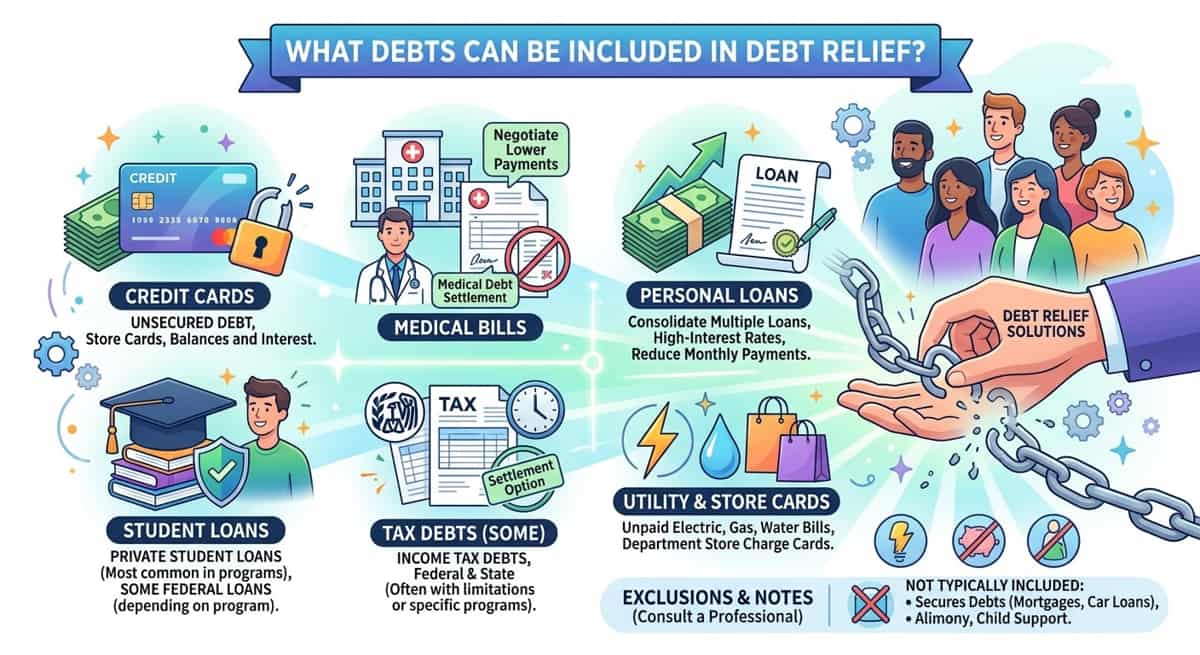
What Debts Can Be Included in Debt Relief?
13 min read

Debt Settlement for $20,000 in Credit Card Debt: What to Expect
11 min read
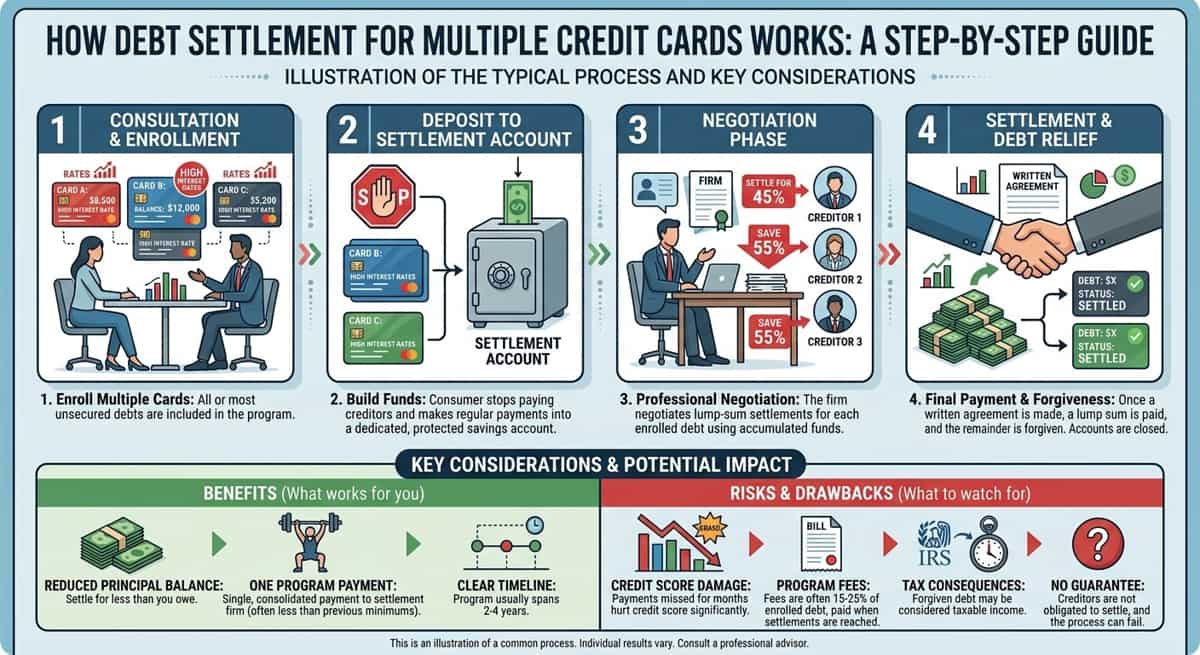
Debt Settlement for Multiple Credit Cards: How Does It Work?
10 min read
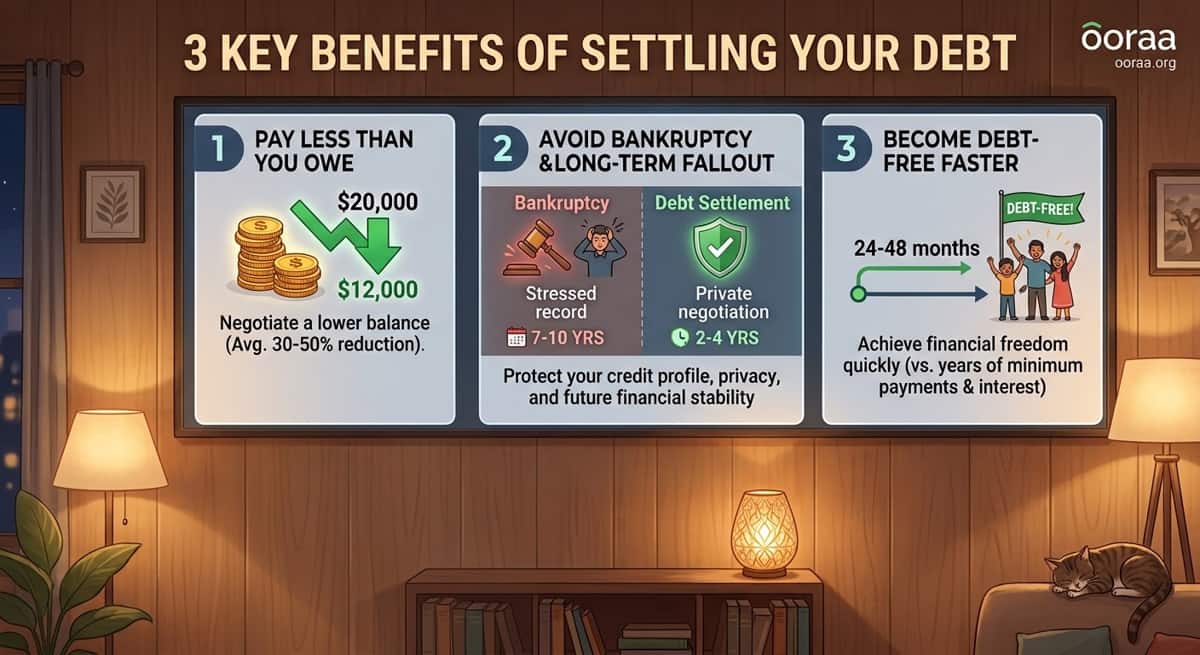
3 Key Benefits of Settling Your Debt
9 min read
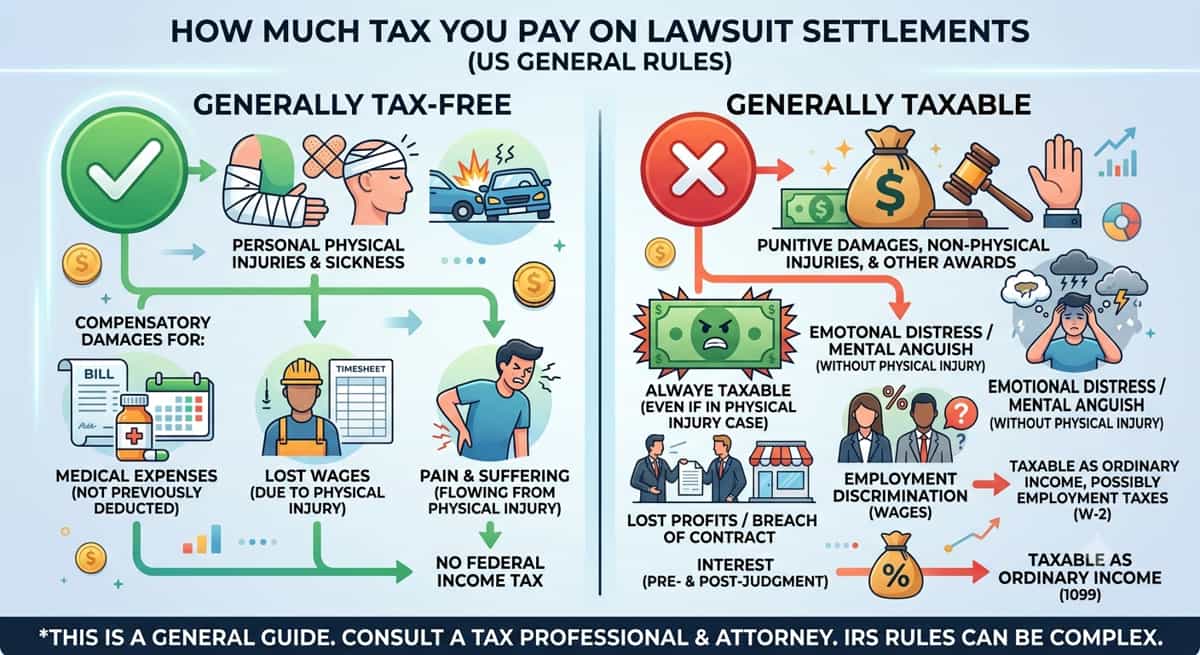
How Much Tax You Pay On Lawsuit Settlements
9 min read
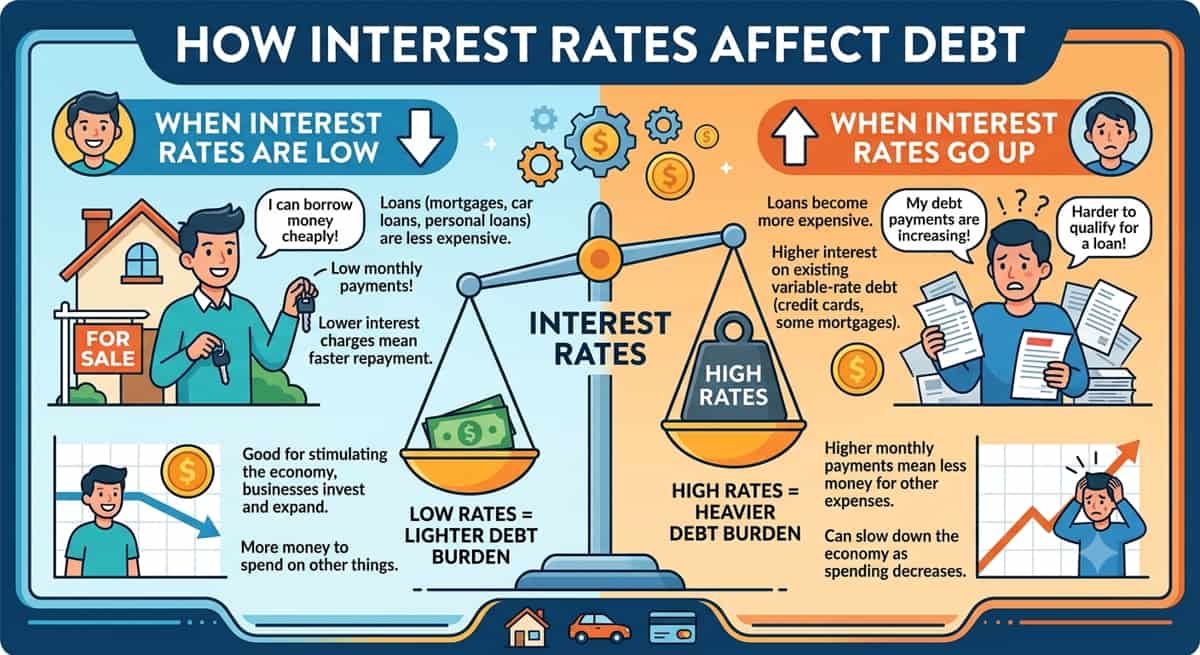
How Interest Rates Affect Debt
13 min read
Get Your Free Consultation
Speak with a certified debt consultant to explore your options.
Start NowNo obligation • Free consultation