
What Is An IRS Substitute For Return(SFR)?
Imagine that you go to your mail box and discover a letter from the IRS. The IRS claims that they have already prepared a return for you one which you never filled out, signed or saw. And now you have thousands of dollars to pay back.
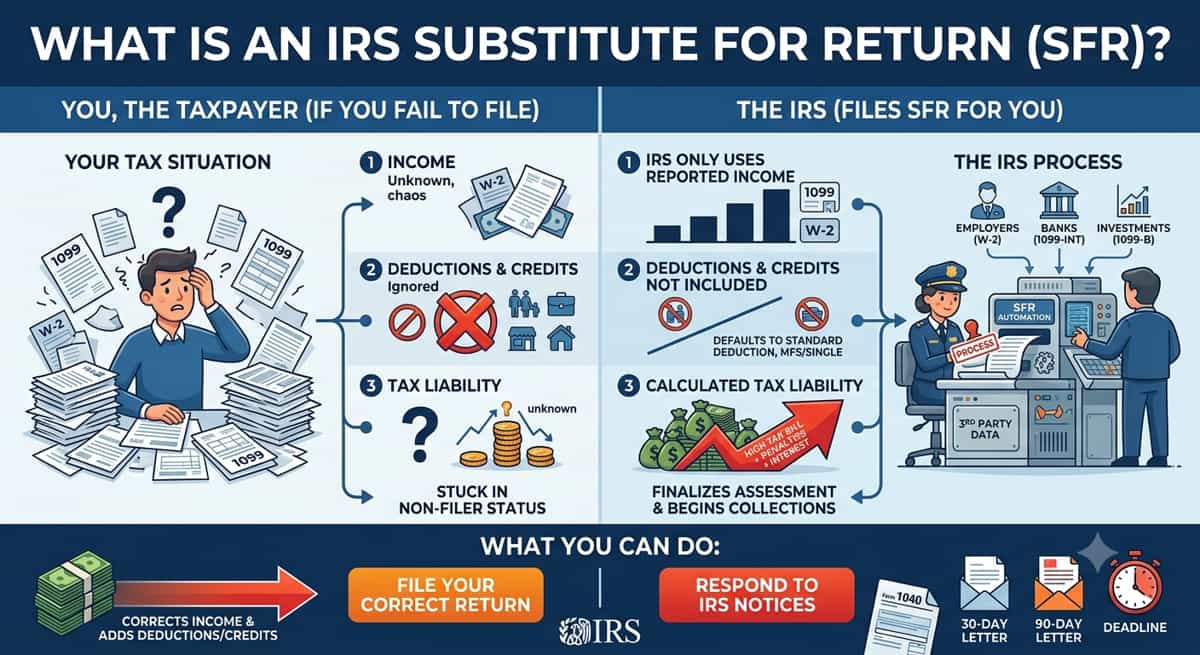
This is an IRS Substitute for Return, or SFR. This occurs when the IRS files a tax return for you without you filing one yourself. The catch is this return almost never goes in your favor you miss out on all the deductions, credits, and dependents that may have lowered your bill by a lot.
This reality is not as uncommon for South Asian families in the U.S.Small business owners that run restaurants, and motels, ITIN holders, people with work visas, first-time immigrants trying to understand how the tax system works in this country. If you reached this status, just take a breath. Working with professional debt and tax relief experts can turn this around—this is a problem that can be solved, rather than an end point.
What Is an IRS Substitute for Return (SFR)?
An IRS Substitute for Return is a tax return the IRS creates for you when you don't file your own. The law that allows this is called IRC Section 6020(b), but in plain terms, it just means the IRS steps in and does the paperwork you didn't do using only the information it already has.
Where does that information come from? Your employer, your bank, or any client or company that paid you and reported it to the IRS through a W-2, 1099, or K-1 form. The IRS takes that income data and builds a return around it.
Here's the catch: this return is built to be as simple and as costly to you as possible. It uses "single" or "married filing separately" status, applies only the standard deduction, and assumes you have zero dependents. It does not include any tax credits you might actually qualify for. In other words, it's the version of your tax return that leaves out everything that would have worked in your favor.
How the IRS SFR Process Actually Works
The IRS doesn't jump straight to filing a return for you. It's a slow-moving process, and at nearly every stage, you still have a chance to step in and file your own return instead.
Step 1: The IRS Notices You Haven't Filed (CP59 Notice)
The IRS matches information it receives about your income from other sources against any tax return you might have filed: If the IRS knows that you earned money, but has no tax return on record for you, it will send a letter more often than not a CP59 notice questioning why it hasn't received your tax return. Typically, this comes 12 to 18 months after your original filing deadline. This is by far the simplest and cheapest time to fix things, mostly because you just file your actual return.
Step 2: The IRS Prepares Your Substitute Return
The case is sent to the Automated Substitute for Return (ASFR) program of the IRS if it remains unanswered after receiving CP59 notice. It is a new unit wholly responsible for estimating a tax liability of non-filers based on income data in IRS records. This is where the "substitution" return is literally built.
Step 3: You Get a Proposed Tax Bill (Letter 2566 / CP2566)
The IRS then issues a proposed assessment a letter 2566 (also called CP2566) detailing what it believes you owe. This is still not final. You may disagree, contest the numbers or if worse comes to worst simply submit your actual return in place of it.
Step 4: The 90-Day Notice of Deficiency
If that doesn't get a response, the IRS goes as far as issuing what is called a Statutory Notice of Deficiency or "90-day letter." This is the final stop on the path to a formal tax bill. You have 90 days to either file your own return, challenge the amount charged, or go to Tax Court. This is where getting professional tax assistance is most crucial, because missing this window makes it much more difficult to reverse.
Why South Asian Immigrants and Families Are Especially at Risk
An SFR aren't an accident they occur to certain individuals in determined situations. And a lot of those experiences are quite similar across South Asian families in the U.S.
Family-run, cash-heavy businesses. When it comes to the restaurants, motels, gas stations, grocery stores and salons that often occupy these buildings, family is usually put before bookkeeping; keeping the doors open takes precedence. If income is not carefully tracked, filing may be delayed in some cases for years.
Mistaking ITIN Filing with visa or green card status. Common Misconceptions Many people wrestle with the belief that because they have an ITIN, are on a work visa or waiting for their green card application to process they do not need to file taxes. It doesn't. Your immigration status is independent of your obligation to file.
A lack of know-how on U.S. tax systems If your country takes taxes out of your paycheck automatically, and you never had to file anything, the U.S. system–where you're expected to figure out how much money you made each year and report it yourself–can seem strange or even scary.
Amount remittance received or sent to the family outside. The act of sending money back home or taking a gift from relatives abroad is one that stresses many people. For the record: Cash gifts are generally not income. However, larger transfers can also be subject to separate reporting forms such as a FBAR or Form 3520. This is a different problem than an SFR, but the wariness surrounding it leads many to steer clear of the IRS altogether something that will only exacerbate matters.
Fear of calling a bureaucratic agency. For most immigrants, though, the city or any government office is not an ally so much as an adversary, and any letter one receives from it is a source of dread rather than a request to comply. Sure, that urge to keep your mouth shut is understandable, but the IRS thrives off silence and turns it into an SFR.
Multigenerational households. When parents, adult children and (sometimes) grandparents all live and work together, it can be difficult to determine who has what filing responsibility. The returns get overlooked for the sole reason of everyone thinking someone else is taking care of it.
What an SFR Leaves Out And Why That Costs You
The biggest problem with an IRS-prepared return isn't that it exists it's what it's missing. Because the IRS is only working with income numbers, it cannot apply any of the things that normally lower your tax bill:
Filing status. The IRS defaults to single or married-filing-separately, even if you'd qualify for a better status like Head of Household.
Dependents. Your children or other dependents aren't factored in at all.
Deduction choice. You're stuck with the standard deduction, even if itemizing (mortgage interest, medical expenses, etc.) would have saved you more.
Tax credits. Credits like the Earned Income Tax Credit or Child Tax Credit are left out entirely, even if you qualify.
Business expenses. If you're self-employed or run a small business, none of your expenses inventory, rent, supplies, mileage are subtracted from your income.
Investment details. If you sold stock or property, the IRS counts the full sale amount as income, without subtracting what you originally paid for it.
Leave all of that out, and it's easy to see why an SFR bill is often thousands of dollars higher than what you'd actually owe on a properly filed return.
The Real Consequences of an Unresolved SFR
Ignoring an SFR doesn't make it go away it makes it grow. Here's what's at stake if it's left unresolved:
A bigger balance over time. On top of the inflated tax amount, the IRS adds failure-to-file and failure-to-pay penalties, plus interest that keeps building.
Liens and levies. The IRS can place a lien on your property or levy your bank account to collect what it says you owe.
Wage garnishment. A portion of your paycheck can be taken directly, before it ever reaches you.
Passport complications. If your tax debt is seriously delinquent, federal law allows restrictions on renewing or using a U.S. passport.
Possible ripple effects on immigration matters. Unresolved federal debt can sometimes come up during future immigration paperwork for example, during a naturalization interview's review of your record. This isn't something this article can advise you on directly, since it involves immigration law, not tax law. If your immigration status is part of the picture, it's worth speaking with an immigration attorney alongside resolving the tax issue.
None of this is meant to scare you it's meant to show you why acting sooner rather than later makes such a big difference.
How to Replace an SFR With Your Own Accurate Return
Here's the good news: an SFR is not the end of the story. You can replace it with your own return, and in many cases, that alone brings the balance down significantly.
1. File your real return for that year. Even though the IRS already "filed" one, you can still submit your own original Form 1040 for the same year. The IRS treats this as a request to reconsider the case, using your actual numbers instead of its estimate.
2. Gather your paperwork. You'll need your W-2s and 1099s. If you don't have copies, you can request a wage and income transcript directly from the IRS. If you run a business, pull together your income and expense records receipts, invoices, bank statements.
3. Claim what you're actually owed. This means the correct filing status, your dependents, any credits you qualify for, and every legitimate deduction especially business expenses if you're self-employed.
4. Understand your collection timeline. The IRS generally has 10 years from the date it assesses your tax debt to collect it this is called the Collection Statute Expiration Date, or CSED. Filing your own return can affect how this timeline is calculated, so it's worth understanding before you file, especially if the SFR was from several years ago.
5. Know when to bring in help. If your situation is straightforward one missed year, simple income you may be able to handle this yourself. But if there's a business involved, multiple unfiled years, or a large balance, it's usually worth working with an Enrolled Agent, CPA, or tax attorney who deals with the IRS regularly.
6. Set realistic expectations. Every situation is different, but it's common for a properly filed return to reduce an SFR balance substantially sometimes by a large margin once real deductions and the correct filing status are applied. No one can promise an exact number until they've seen your specific numbers.
SFRs and Immigration Status: What South Asian Filers Should Know
This is one of the most common worries we hear, so let's address it directly and carefully.
An SFR itself is a tax matter it is not an immigration action, and it does not automatically affect your visa or green card. However, tax compliance can matter later on, in situations like naturalization applications, sponsorship of a family member, or adjustment of status, where your overall record may be reviewed.
This article is general information, not immigration legal advice. Every case is different, and immigration law changes. If you're dealing with an SFR and also have an upcoming immigration filing, the safest approach is to work with a tax professional to fix the tax issue, and an immigration attorney to advise you on how it may (or may not) relate to your specific case.
Debt Relief and Resolution Options After an SFR
Once your real return is filed and you know your actual balance, you have several paths to deal with what you owe:
Installment Agreement. Pay off the balance in manageable monthly payments instead of all at once.
Offer in Compromise. In certain situations, you may be able to settle your tax debt for less than the full amount, if you can show you genuinely can't pay it in full.
Currently Not Collectible status. If you're facing real financial hardship, the IRS can temporarily pause collection efforts.
Penalty relief. If this is your first time falling behind, or you had a reasonable cause (illness, family emergency, business hardship), you may qualify to have penalties reduced or removed.
Professional representation. An Enrolled Agent, CPA, or tax attorney can speak to the IRS directly on your behalf, often getting the replacement return filed correctly and negotiating a resolution faster than doing it alone.
For a lot of South Asian families, what's really at stake here isn't just a number it's the family business, the family home, or the ability to keep sending support to relatives back home without a chunk of every paycheck being garnished. Resolving the SFR properly protects all of that.
How to Prevent an SFR From Happening in the First Place
If you haven't received an SFR yet but you're behind on filing, here's how to stay ahead of it:
File on time every year, even if you can't pay the full amount right away filing and paying are two separate problems, and filing late costs far less than not filing at all.
If you need more time, request a filing extension before the deadline.
Keep your business income and expenses organized throughout the year, not just at tax time.
Stay current on your ITIN renewal if that's how you file.
If you're self-employed, set reminders for quarterly estimated tax payments so you're not caught off guard.
Work with a tax preparer who understands both small business filings and the specific situations immigrant families deal with.
The Bottom Line
An IRS Substitute for Return can sound terrifying, especially when you are already balancing a business, family and the normal stress of trying to navigate a system not designed for. But do remember: not a death sentence just an opening bid that you can amend.
What is crucial now, then, comes down to two basic things: File your own return that accurately reflects your income gave the IRS as soon as possible after the April deadline passes and get help before due dates like the 90-day notice period run out. The earlier you do this, the more choices you will have and it will cost you less.
When your situation is an SFR or unfiled returns, schedule a free consultation with Ooraa to get guidance from professionals familiar with tax law and your unique situation. You don't have to solve this alone.
Ready to Get Started?
Get a free consultation with a certified debt consultant to see if debt settlement is right for you.
Get Free ConsultationAbout the Author
Bhupinder Bajwa
.
Related Articles
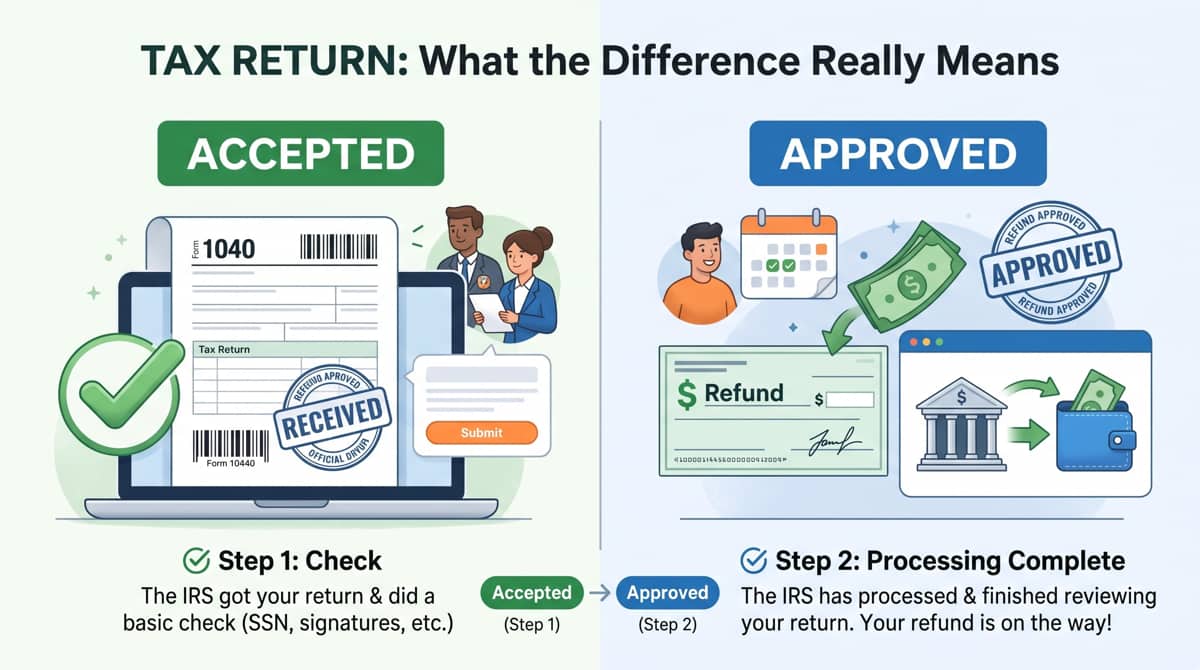
Tax Return Accepted vs Approved: What the Difference Really Means
9 min read
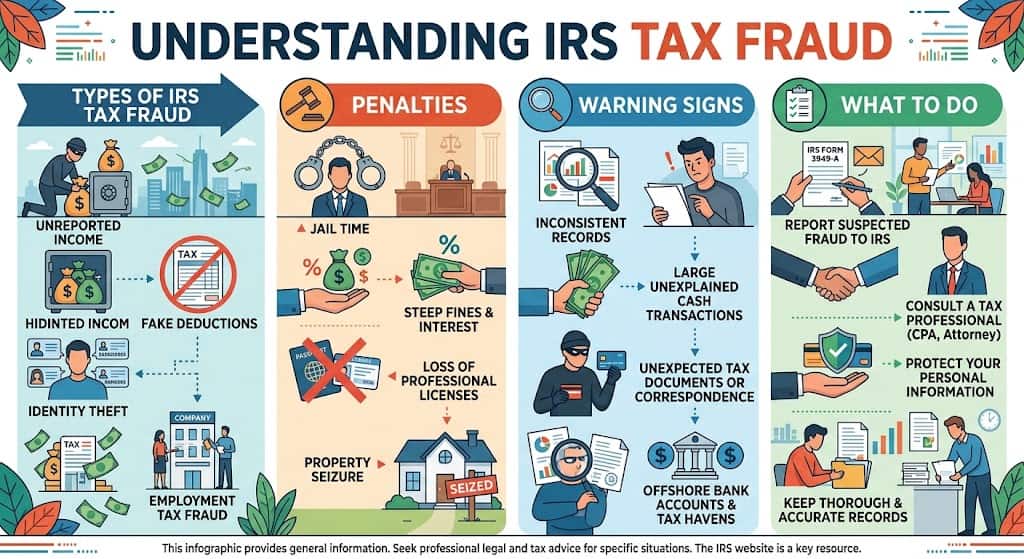
IRS Tax Fraud: Types, Penalties, Warning Signs, and What to Do
11 min read
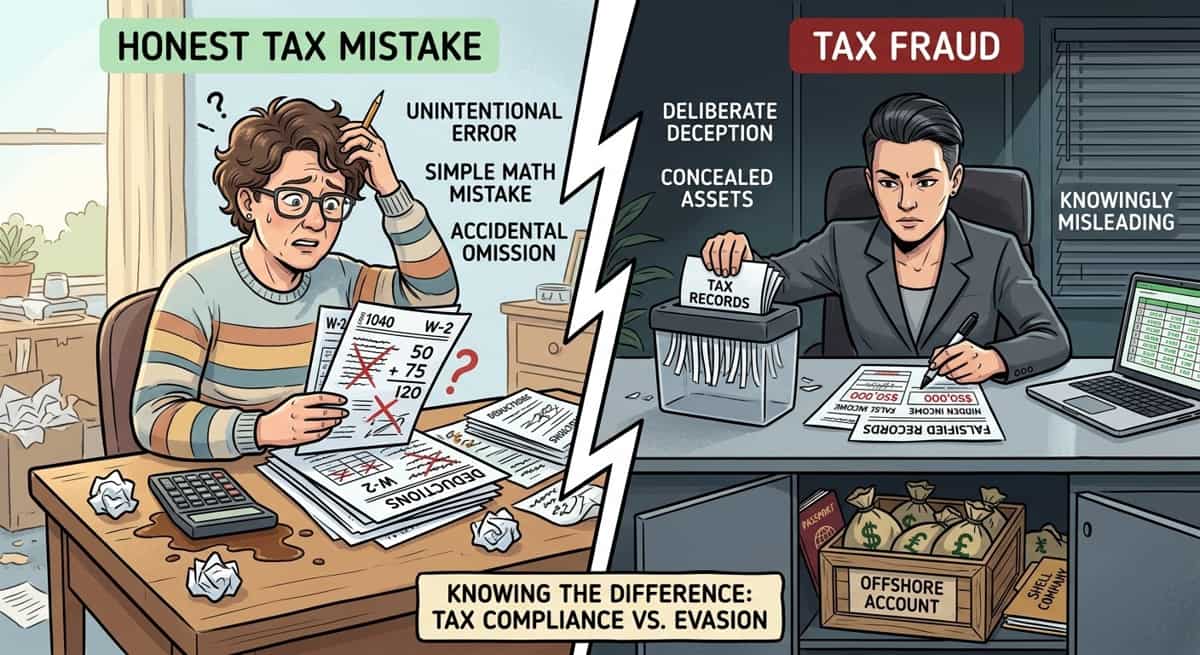
What Is the Difference Between Tax Fraud and an Honest Tax Mistake?
11 min read

Can You Be Charged With Tax Fraud for Not Filing Taxes?
10 min read
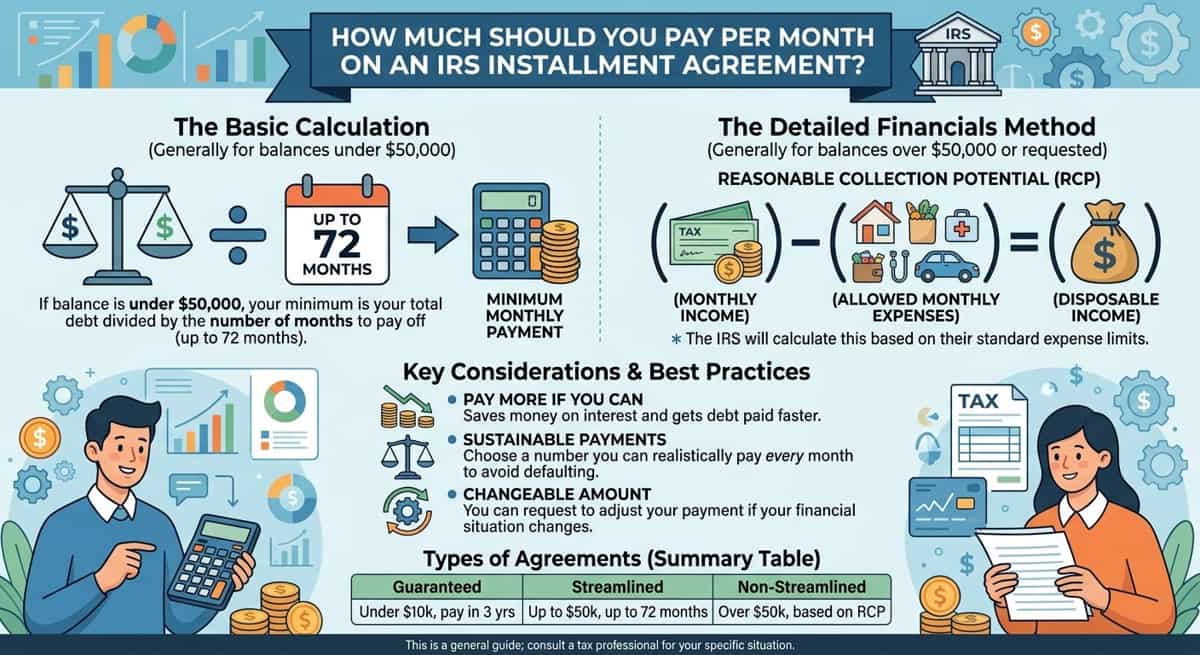
How Much Should You Pay Per Month on an IRS Installment Agreement?
10 min read
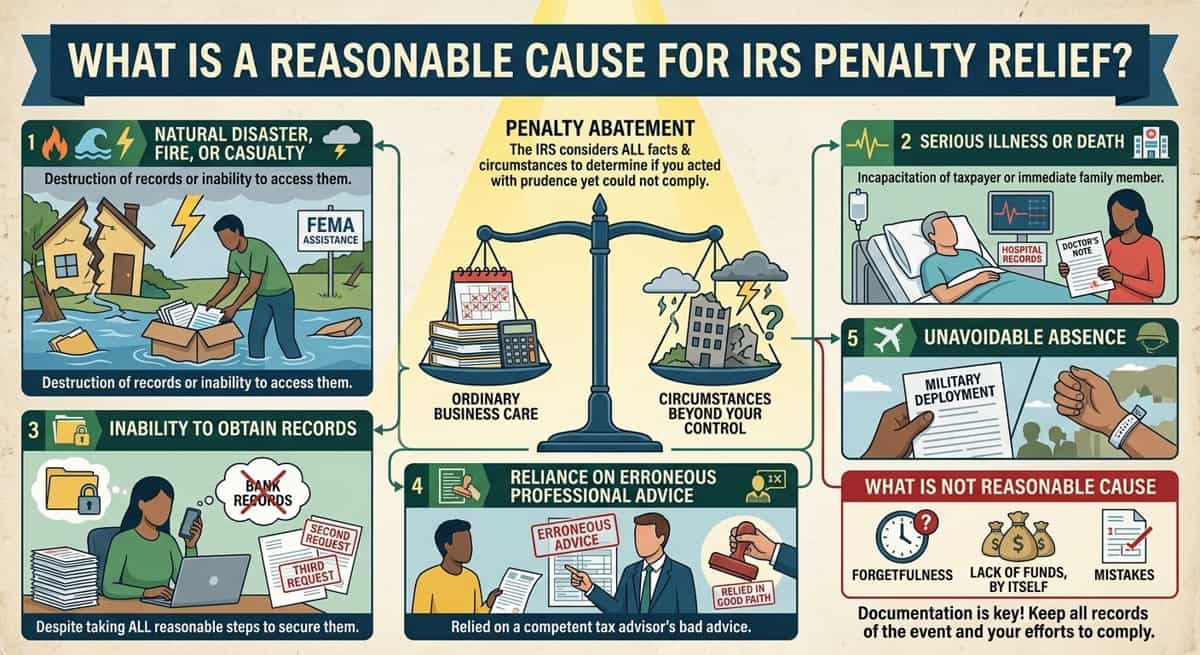
What Is a Reasonable Cause for IRS Penalty Relief
12 min read
Get Your Free Consultation
Speak with a certified debt consultant to explore your options.
Start NowNo obligation • Free consultation