
Can You Be Charged With Tax Fraud for Not Filing Taxes?
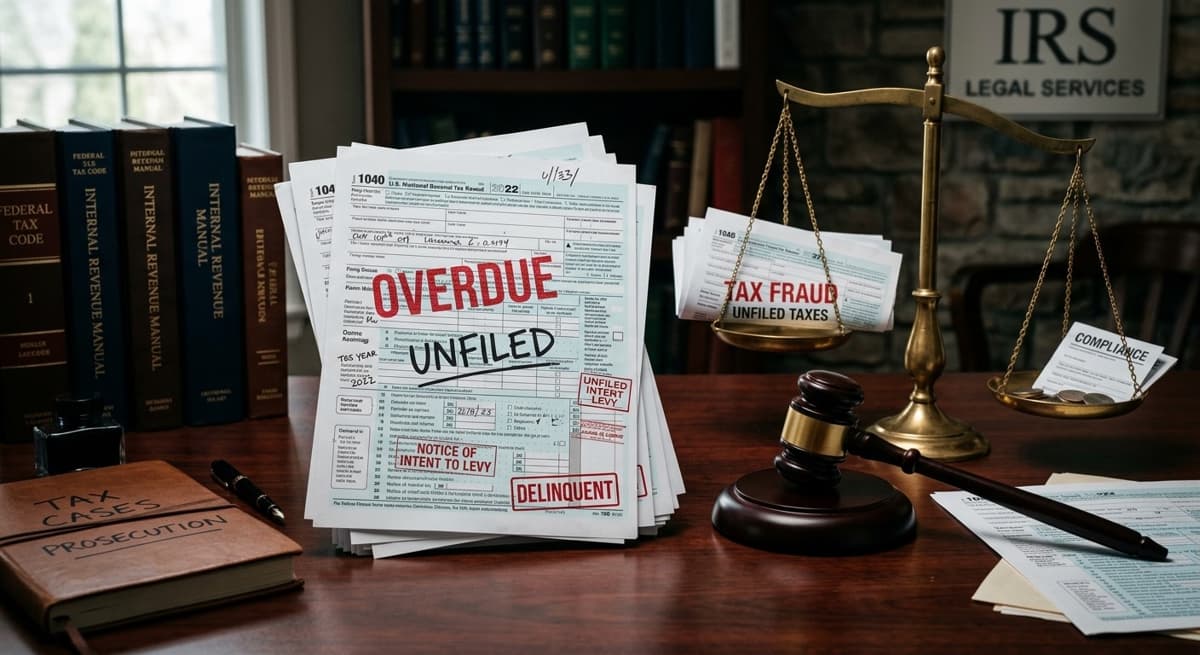
If you've fallen behind on filing your taxes, the fear that comes with it is real and for a lot of South Asian families in the U.S., it's a fear nobody talks about openly. The short answer is this: simply not filing a tax return is usually treated as a civil problem, not a crime. You'll owe penalties and interest, and the IRS will eventually come looking for what's owed. It only turns into tax fraud or tax evasion, an actual crime when the IRS can show you knew you had to file and deliberately chose not to.
That difference matters, especially if you're running a family business, sending money home to relatives, or you moved to the U.S. more recently and are still learning how the tax system works here. This guide walks through exactly where the legal line sits, what really happens if you're behind on filing, and what to do about it before it becomes a bigger problem than it needs to be.
What's the Difference Between Not Filing, Tax Fraud, and Tax Evasion?
These terms get used interchangeably, but they're not the same thing, and the difference decides whether you're dealing with a bill or a courtroom.
Simply not filing means you had a tax return due and didn't send it in. On its own, this is a civil issue. The IRS charges you a penalty and interest, and if you never file, they may eventually file one for you (more on that below) based on whatever income information they have.
Willful failure to file is a step up. This happens when the IRS believes you knew you were required to file and made a conscious decision not to. It's a misdemeanor under federal law.
Tax evasion, sometimes called criminal tax fraud, is the most serious category. This is when someone actively tries to deceive the IRS by hiding income, lying about assets, or refusing to file for years while ignoring repeated notices. It's a felony.
Here's how they compare side by side:
Situation | Legal category | Civil or criminal | Maximum penalty |
Late or unfiled return, no intent to hide anything | Civil failure-to-file | Civil | 5% of unpaid tax per month, up to 25% |
Willful failure to file | Misdemeanor (26 U.S.C. § 7203) | Criminal | Up to $25,000 in fines and 1 year in jail, per year not filed |
Tax evasion / fraud | Felony (26 U.S.C. § 7201) | Criminal | Up to $100,000 in fines ($500,000 for businesses) and 5 years in prison |
Notice what separates the bottom two rows from the top one: intent. That single word willful is doing almost all the work in this article, so let's look at what it actually means.
When Does Not Filing Cross the Line Into a Crime?
The IRS and the Department of Justice have to prove you acted willfully before anything criminal is on the table. Willful means you knew you had a legal duty to file and chose, on purpose, not to. It does not mean you were confused, overwhelmed, short on money, or simply put it off.
Here's what tends to raise a flag as willful:
Ignoring years of IRS notices and letters without ever responding
Deliberately hiding income for example, not reporting cash sales at all
Filing under a false name or fake Social Security number
Structuring cash deposits to stay under reporting limits on purpose
Here's what usually does not count as willful, even though it feels scary in the moment:
Falling one or two years behind because life got in the way
Genuinely not knowing you had to file a U.S. return after moving here or after your immigration status changed
Owing money you simply couldn't pay
Making an honest mistake on a return, even a costly one
If your situation looks like the second list, you are not looking at a criminal case. You're looking at a bill, a stressful one, but a solvable one.
If You Simply Fell Behind, What Actually Happens?
If you don't file, the IRS doesn't usually chase you down right away. At some point, they may file something called a substitute for return on your behalf, using whatever income information they've received from employers, banks, or clients (via W-2s and 1099s). This version almost never includes deductions or credits you'd actually qualify for, so it typically overstates what you owe.
On top of that, two things start adding up:
Failure-to-file penalty: 5% of your unpaid tax for every month you're late, up to a maximum of 25%.
Interest: Charged daily from the original due date until the balance is paid, currently around the federal short-term rate plus 3%.
If the IRS later determines your failure to file was fraudulent, that penalty jumps to 15% per month, up to 75% a very different number. But for the overwhelming majority of people who are behind on filing, this stays a civil matter: penalties, interest, and eventually a plan to pay it down. Not a courtroom.
What Are the Real Penalties If It Does Become Tax Fraud or Evasion?
It's worth being straightforward about what's actually at stake once willfulness is established, because vague fear is worse than accurate information.
Willful failure to file (§ 7203): up to $25,000 in fines and up to a year in jail, for each year you didn't file.
Tax evasion (§ 7201): up to $100,000 in fines for individuals (up to $500,000 for a business) and up to 5 years in prison.
There's no statute of limitations on the IRS's ability to assess tax on a fraudulent or never-filed return meaning they can go back further than the usual three-to-six-year window.
On top of any fine or sentence, you'd still owe the back taxes, plus interest, and possibly restitution.
These numbers are real, but they apply to a small number of cases where someone knowingly and repeatedly tried to deceive the IRS. They are not the outcome for someone who's behind on a few returns and hasn't gotten around to catching up.
Situations That Raise Risk for South Asian Immigrant Families Specifically
A lot of the anxiety around this topic, in South Asian households especially, comes from a handful of very specific, very common situations. None of these automatically mean fraud but they're worth understanding clearly, because they're exactly where confusion turns into fear.
Running a cash-heavy family business. Motels, gas stations, grocery and convenience stores, restaurants these are businesses many South Asian families have built successfully in the U.S., and they also happen to involve a lot of cash. If cash income isn't tracked and reported carefully, it can look like underreporting even when nobody meant to hide anything. Keeping clean, consistent records is the single best protection here.
Sending money to family abroad. Remittances themselves aren't taxable, but if you hold foreign bank accounts or assets above certain thresholds, you may have separate reporting obligations (commonly known as FBAR and FATCA requirements). Many people have no idea these exist until a tax professional flags it and not knowing is very different from hiding something on purpose.
Being new to the U.S. tax system. If you're on an H-1B, recently became a green card holder, or moved here as a student and transitioned to work authorization, you may not have realized that the U.S. taxes are based on worldwide income and residency not just income earned here. This is one of the most common, and most innocent, reasons people fall behind.
Avoiding the IRS out of fear tied to immigration status. This one is understandable but can make things worse. Some people avoid filing because they're afraid it will draw attention to their immigration situation. In reality, unresolved tax issues tend to cause more problems down the line including for future immigration applications than a return that's filed late.
Joint family income or property held overseas. Extended family arrangements, jointly held property abroad, or income that flows between family members in more than one country can create reporting requirements that are easy to miss if nobody's specifically looking for them.
If any of this sounds like your situation, take a breath none of it is fraud by itself. It's exactly the kind of thing a tax professional deals with regularly, and it's very fixable.
How the IRS Actually Investigates and Builds a Fraud Case
Most unfiled-return cases never come close to a criminal investigation. Here's roughly how it plays out:
The IRS's systems flag missing returns based on income reported by employers, clients, or banks.
You typically receive a series of notices asking you to file or explaining what they've assessed on your behalf.
In the vast majority of cases, this stays entirely administrative. You file, you set up a payment arrangement, and it's resolved.
Criminal investigation, led by the IRS Criminal Investigation (CI) division, is reserved for a small number of cases with clear evidence of willful deception and it usually follows years of ignored notices, not a single missed year.
Signs that a case has escalated look very different from a routine notice: a special agent contacting you directly, a subpoena, or a search warrant.
If you're getting standard notices in the mail, that's the IRS doing its normal collections process not building a criminal case against you.
What to Do If You Have Unfiled Tax Returns
If you're behind, the goal is simple: get current before the IRS has to chase you, not after.
File the missing returns yourself, voluntarily. Coming forward on your own is treated very differently than being caught. It's one of the clearest signs that whatever happened wasn't willful.
Use the Streamlined Filing Compliance Procedures if it applies to you. This is specifically designed for people with foreign income or accounts who weren't willfully avoiding their obligations; it allows you to catch up without the harsher penalties.
Ask about penalty relief. If you have a reasonable explanation for falling behind illness, a death in the family, a genuine misunderstanding about your filing obligation the IRS does grant penalty abatement in qualifying cases.
Set up a payment plan for what you owe. An installment agreement lets you pay down the balance over time. If the amount is genuinely more than you could ever realistically pay, exploring an Offer in Compromise or professional debt negotiation options may let you settle for less than the full balance.
None of these steps require you to have everything figured out before you start. They just require you to start.
When to Get Professional Help and What Kind
Not every situation needs the same kind of help, and it's worth knowing the difference before you pick up the phone.
A CPA or enrolled agent is usually the right call for straightforward situations catching up on a few years of returns, organizing business records, or negotiating a payment plan with the IRS. This covers most people reading this article.
A tax attorney becomes more important if there's any real exposure to a fraud investigation, because conversations with an attorney are protected by attorney-client privilege in a way that conversations with an accountant are not.
If you're not sure which situation you're in, that uncertainty is exactly what a debt relief or tax resolution professional is for. A good one will look at your specific numbers and history, tell you plainly whether you're dealing with a routine back-filing situation or something that needs a specialist, and help you explore debt relief plans to get current without judgment about how you got behind in the first place.
The Bottom Line
Owing back taxes and committing tax fraud are not the same thing, even though they can feel like the same nightmare when you're the one lying awake worrying about it. The IRS reserves criminal charges for people who knowingly and deliberately tried to deceive them, not for families running a cash business, new arrivals still learning the system, or anyone who simply got behind. The most effective thing you can do is stop avoiding it: file what's missing, understand exactly what you owe, and get a free debt consultation to put a plan in place before the IRS has to come looking for you.
Ready to Get Started?
Get a free consultation with a certified debt consultant to see if debt settlement is right for you.
Get Free ConsultationAbout the Author
Bhupinder Bajwa
.
Related Articles
Tax Return Accepted vs Approved: What the Difference Really Means
9 min read
IRS Tax Fraud: Types, Penalties, Warning Signs, and What to Do
11 min read
What Is the Difference Between Tax Fraud and an Honest Tax Mistake?
11 min read
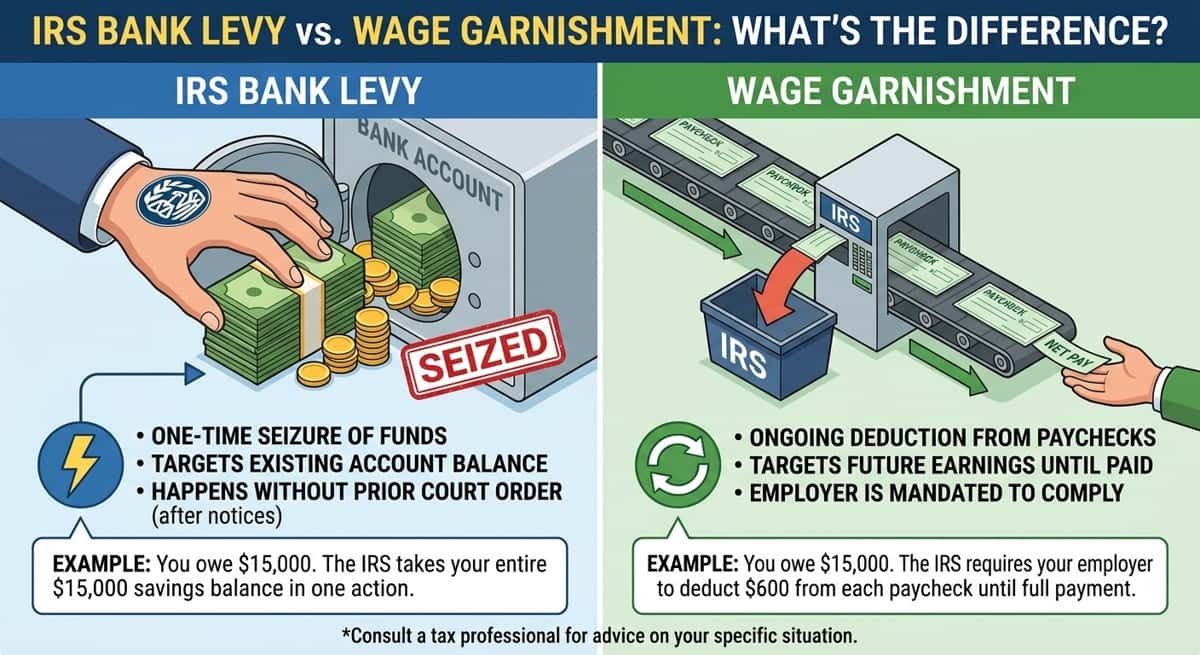
IRS Bank Levy vs. Wage Garnishment: What's the Difference?
11 min read
Self-Employed and Owe Taxes? A Guide for 1099 Workers
11 min read
Unfiled Tax Returns: What Should You Do?
11 min read
Get Your Free Consultation
Speak with a certified debt consultant to explore your options.
Start NowNo obligation • Free consultation