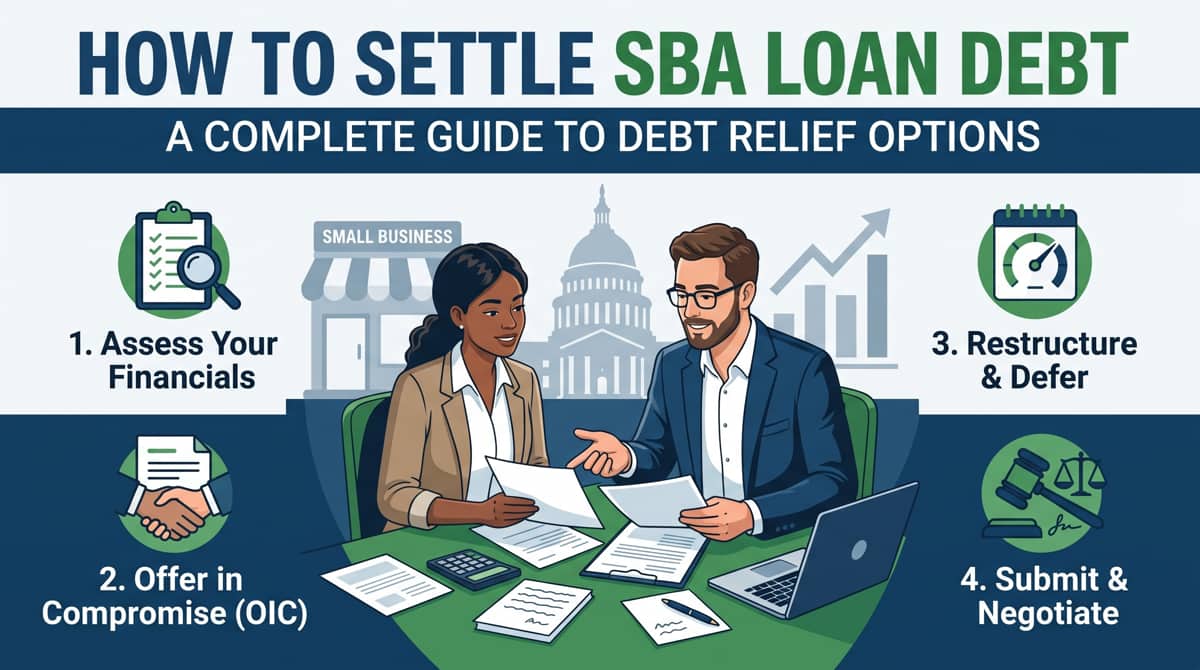
How to Settle SBA Loan Debt: Complete Guide to Debt Relief Options
For many South Asian business owners in the United States, a business is much more than just a source of income. Whether you run a motel, restaurant franchise, gas station, convenience store, healthcare clinic, or IT staffing firm, that business often represents decades of hard work and shared family sacrifice. When rising costs or slow sales make it impossible to keep up with your SBA loan payments, the stress can feel overwhelming especially when you worry about letting your family down.
Struggling to pay an SBA loan is a civil financial matter, not a criminal offense. Falling behind on payments does not jeopardize your immigration or citizenship status, nor does it automatically mean you will lose your family home.
What does it mean to settle an SBA loan?
Settling an SBA loan means the SBA agrees to accept less than the full balance and treats the debt as fully paid. Once the agreement is complete, you no longer owe the rest.
The SBA calls this an Offer in Compromise. You may have heard the same name for the IRS program that settles tax debt. They're two separate programs with different rules, forms, and decision-makers. An IRS settlement won't help with your SBA loan.
One more thing that surprises many owners: your bank can't cancel the debt on its own. Only the SBA can approve a settlement, for you or for anyone who guaranteed the loan. If someone offers you a deal without SBA approval, don't count on it.
Which SBA loan do you have, and why it changes your options
Start by finding out which loan you have. It tells you who to call and how settlement works. Many owners assume the SBA is their lender, but often a bank handles the loan.
Loan type | Who handles it | Settlement path |
7(a) | Your bank. If the SBA buys the loan after default, an SBA servicing center takes over. | Your lender passes the request to the SBA. Only the SBA can approve it. |
504 | A Certified Development Company (CDC) and a bank. The SBA steps in on defaults. | The CDC and SBA handle it, usually after the property is sold. |
EIDL | The SBA directly. | You deal with the SBA, not a bank. |
PPP | Your lender, unless the SBA bought the loan. | Ask your lender first. If the SBA owns it, contact the SBA. |
How to find out who holds your loan
Check your latest statement or loan papers for the lender's name and loan number. EIDL borrowers, and others whose loan the SBA owns, can log in to the SBA Loan Portal. If you're unsure, call the servicing center on your statement or ask your bank.
What happens if you stop paying an SBA loan?
A slow season can make you miss a payment. That alone doesn't put you in default; the loan is first just late, or delinquent. Many loans move to default after about three to four months of missed payments, but your loan agreement sets the exact timing. After default, your lender can send a formal demand letter, start selling collateral such as a building or equipment, and, on a 7(a) loan, ask the SBA to buy the guaranteed part. That's why calling early matters. Before default, you have the most choices.
Treasury referral, offsets, and added fees
If the SBA owns your loan and it stays unpaid, the debt can be sent to the U.S. Treasury for collection. Federal rules push agencies to do this once a debt is about four to six months overdue.
Treasury can then:
Keep your federal tax refund
Hold back other federal payments owed to you
Send demand letters and call you
Report the debt to credit bureaus
Garnish your wages
Pass the debt to a private collection agency or the Department of Justice
Interest, penalties, and collection costs may be added to your balance. For a family business, a missing tax refund or smaller paycheck can hit rent and payroll fast. The good news: Treasury will often work out a payment plan based on what you can afford. Respond to every notice.
Your SBA debt relief options, compared
Not every problem needs a settlement. A slow winter at the motel calls for a different fix than a closed store with a loan still hanging over you. Here is how your main debt relief options compare.
Option | Best for | Main catch | What to expect |
Payment plan | Short money trouble, steady income | You still owe the full balance | Smaller or spread-out payments in writing |
Deferment or hardship plan | A slow season or sudden expense | Pauses or reduces payments but doesn't erase debt | Relief for a set time, then payments resume |
Loan modification or workout | A business that can recover on new terms | Lender, and sometimes the SBA, must approve | A new payment schedule or terms |
Offer in Compromise | A closed business or no way to repay in full | Usually only after collateral is sold; approval isn't guaranteed | A settlement payment, and the loan closed if accepted |
Bankruptcy | Heavy debt with many creditors | Long-term credit damage; you need an attorney | A court process that can reorganize or erase debts |
The SBA's Hardship Accommodation Plan, which let borrowers pay a small part of each payment, ended on March 19, 2025. If you are juggling other high-interest business or personal credit cards alongside your SBA loan, setting up a structured debt management program for your other accounts can free up cash flow to cover your SBA payments. Borrowers can still apply for temporary relief that cuts payments by 50% for six months, but you must apply and explain your hardship. Contact the SBA's COVID EIDL servicing team early.
If you can realistically repay in full over time, the SBA is unlikely to accept a settlement. If the business has closed or the money truly isn't there, settlement deserves a serious look. Start with the lightest option that solves your problem, and ask before you stop paying.
How to submit an SBA Offer in Compromise, step by step
The SBA usually looks at an offer only after the collateral, such as a building, equipment, or inventory, has been sold and the money applied to your loan. If a balance is still left and you can't pay it, that's when an offer makes sense. There are narrow exceptions for businesses still operating, but don't count on them. Each person who owes the debt, including every guarantor, must submit their own offer. A family member who co-signed can't rely on your paperwork.
Documents you'll need
For each person making an offer:
SBA Form 1150 (the offer itself), signed and dated
SBA Form 770, a financial statement listing what you own and owe
A signed letter on your hardship, your offer amount, and where the money comes from
Your last two years of tax returns
Recent pay stubs and six months of bank and investment statements
For the business: recent profit and loss, balance sheet, and a debt list (Form 2202 works)
If the business has closed: proof of closing, such as a dissolution certificate
SBA authorization forms so it can verify your information (some loans also need IRS Form 4506-C)
Missing pages cause delays.
Submit, negotiate, and finalize
Send your complete packet to the servicing center that handles your loan, using one method only (email, mail, fax, or upload), and confirm they received it. For EIDL and other disaster loans, the SBA gives you 30 days to submit a complete packet and says it reviews complete ones within 15 business days.
Expect questions. The SBA compares your offer with what it could collect by other means, so offer the most you can realistically pay and back it with your paperwork. Counteroffers are common. You may need to raise your number or explain your finances more clearly.
If the SBA approves, the loan is marked "Compromise/Closed," collection stops, and you're removed from the Treasury offset list. Get the approval in writing and keep it. A settled loan can still limit future federal borrowing and may lead to a tax form (more below).
How much can you settle an SBA loan for?
There's no set percentage, and anyone promising one is guessing. The SBA compares your offer with what it could collect through forced collection. Four things matter:
Assets: what's left after collateral is sold
Income: what you and any guarantors earn
Guarantor net worth: savings and property of co-signers
Collection cost: lawsuits take time and money
Personal guarantees and family co-signers
Closing the business doesn't close the guarantee. When you or a relative signed a personal guarantee, you promised to repay the loan if the business couldn't. The SBA can still pursue guarantors after the doors shut.
In many family businesses, that includes more than one person: a spouse, a parent who put up their house, a brother who signed to help. Each person is on the hook separately, so each must submit their own offer, forms, and financial statement. One family member's paperwork doesn't cover the others.
Before you negotiate:
List every guarantor and what each one owns and earns.
Be completely honest on your financial forms. They're signed under penalty of law.
Don't move assets to relatives or change names on property. It can look like hiding money and can backfire.
Ask about state rules. Protection for homes and retirement savings varies by state, and so does the effect on a spouse who didn't sign.
Talk to a qualified attorney before you submit anything. A guarantor's mistake can cost the whole family.
Tax and credit consequences of settling
Settling can free you from the debt, but it comes with trade-offs. Better to know them now than be surprised later.
Taxes: The IRS usually treats forgiven debt as income. Say the SBA accepts $40,000 on a $100,000 debt: the $60,000 it forgives may be taxable. A Form 1099-C may come, but taxable forgiven debt must be reported even if none arrives.
There may be a way out. If your debts exceeded what you owned when the debt was forgiven, the "insolvency" rule may let you exclude some or all of it, using IRS Form 982. Debt cleared in bankruptcy is also excluded. Ask a CPA, because the math is tricky.
Credit and future loans: Unresolved SBA debt can be reported to credit bureaus and can put you in CAIVRS, a federal database lenders check for government-backed loans. Even after a settlement, the SBA says it may limit future federal borrowing. Planning to buy a home or start a new business with federal backing? Ask your lender how they'd view it.
Considerations for South Asian borrowers in the U.S.
For many South Asian families, owing money can feel like a private shame. People stay quiet, or borrow from relatives to keep paying, rather than mapping out a realistic debt relief timeline that protects family milestones. That's understandable, but silence makes SBA debt harder to fix. The longer a loan stays unpaid, the more options close and the closer it gets to Treasury collection. Talking to your lender, the SBA, or a trusted professional early isn't failure. It protects your family.
Overseas assets and remittances
If you own property or bank accounts back home, speak up about it. A settlement request asks for a full picture of what you own, and leaving things out can sink your offer or cause bigger trouble. Foreign bank accounts totaling over $10,000 at any point in the year must also be reported to the Treasury on a foreign account report (FBAR). Money sent to relatives abroad may raise questions, so keep records. Ask your attorney how to report it all correctly.
Immigration and language
Worried this could affect your immigration status or citizenship plans? Owing money alone isn't an automatic bar to citizenship, but immigration officers now look at your overall record, including financial responsibility, and false statements on financial forms can hurt. Because every case is different, ask an immigration attorney before you apply for anything. And if English isn't your first language, ask for help on your own.
How to choose help and avoid settlement scams
When money is tight, anyone promising a fix sounds like a lifeline. Watch for:
Big upfront fees before any work is done
Promises of "forgiveness" or a guaranteed result (the SBA says COVID EIDLs can't be forgiven)
Pressure to stop answering the SBA, your lender, or Treasury
Pitches through your own community, like a friend of a friend or a group chat. Trust isn't automatic.
Before you hire anyone, check their license with your state bar or CPA board, get fees in writing, and confirm programs on SBA
You don't need anyone to take the first step. Call your servicer, ask for your balance and status, and note who you spoke to.
Conclusion and next step
You have options, wherever you stand.
Current on payments? Ask about a deferment or payment plan now.
Behind on payments? Call your lender or the SBA before it becomes a default.
In default or sent to the Treasury? Settlement may be possible, and a payment plan may still help.
The hardest step is the first call, and the best time to make it is today. If you'd like someone to look at your overall debt situation with you, Ooraa's Debt Relief Program offers a free, no-obligation consultation in English, Hindi, Punjabi, Urdu, Bengali, Tamil, Telugu, and Gujarati.
Ready to Get Started?
Get a free consultation with a certified debt consultant to see if debt settlement is right for you.
Get Free ConsultationAbout the Author
Bhupinder Bajwa
.
Related Articles
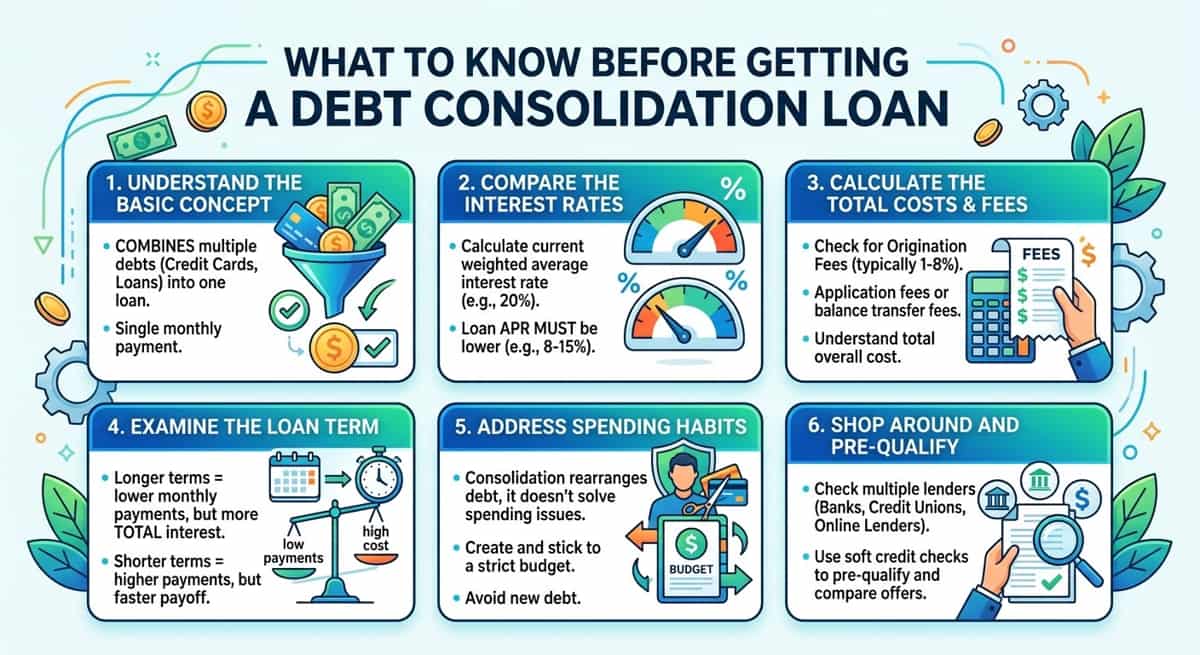
What to Know Before Getting a Debt Consolidation Loan
10 min read
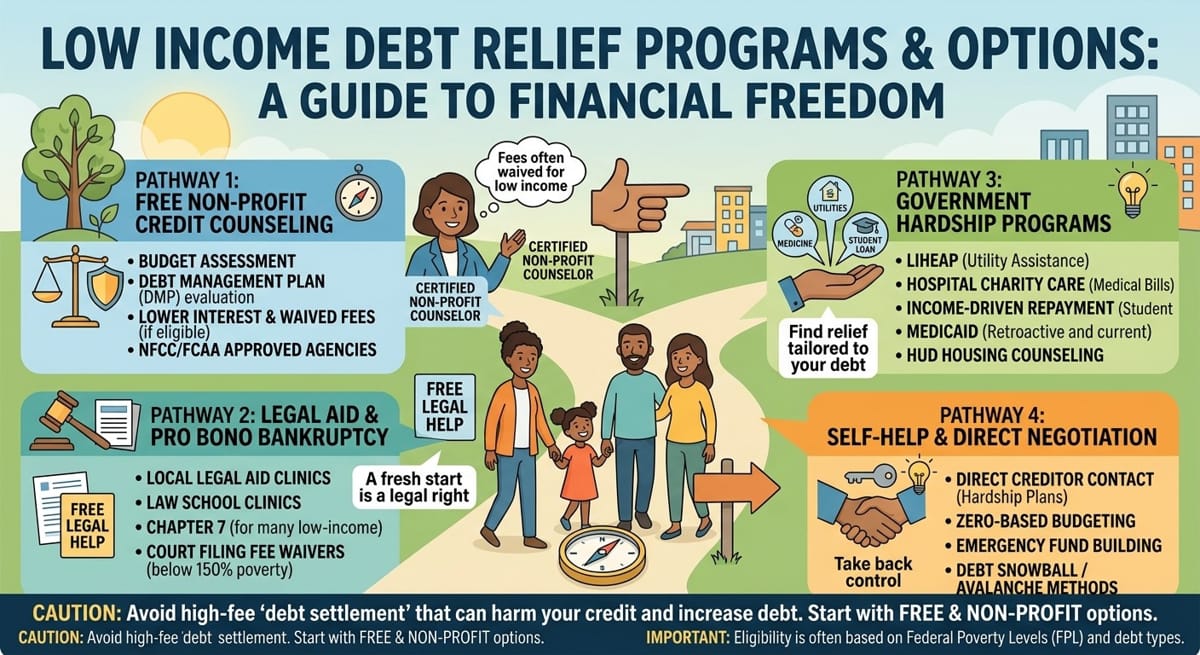
Low Income Debt Relief Programs And Options
14 min read
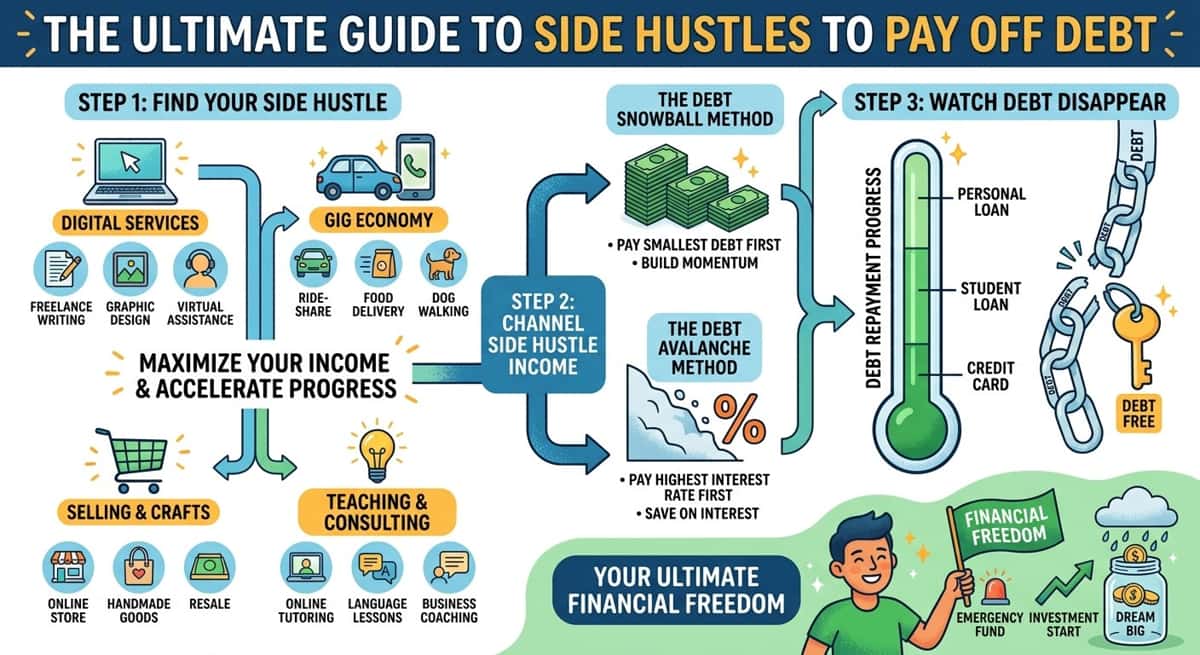
The Ultimate Guide To Side Hustles To Pay Off Debt
12 min read
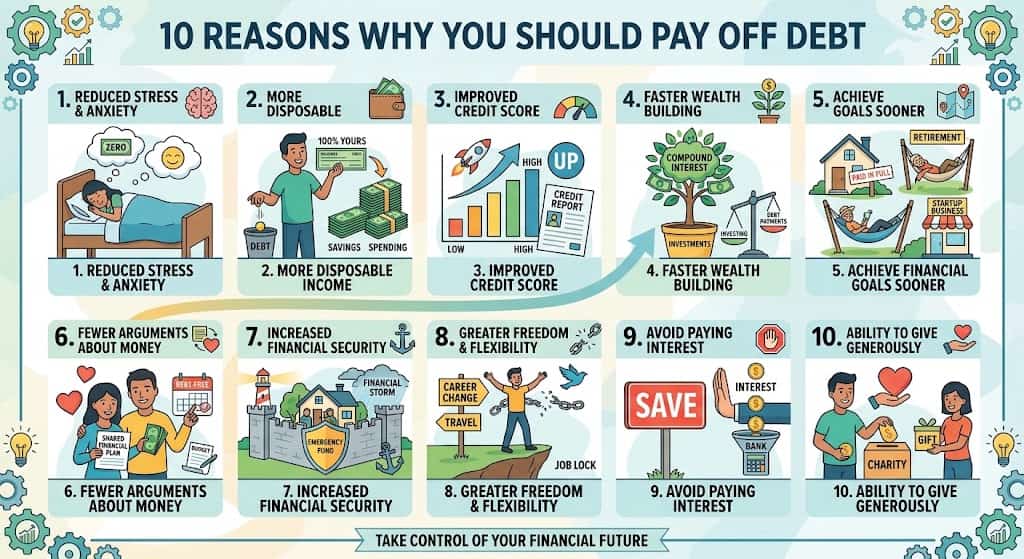
10 Reasons Why You Should Pay Off Debt
9 min read
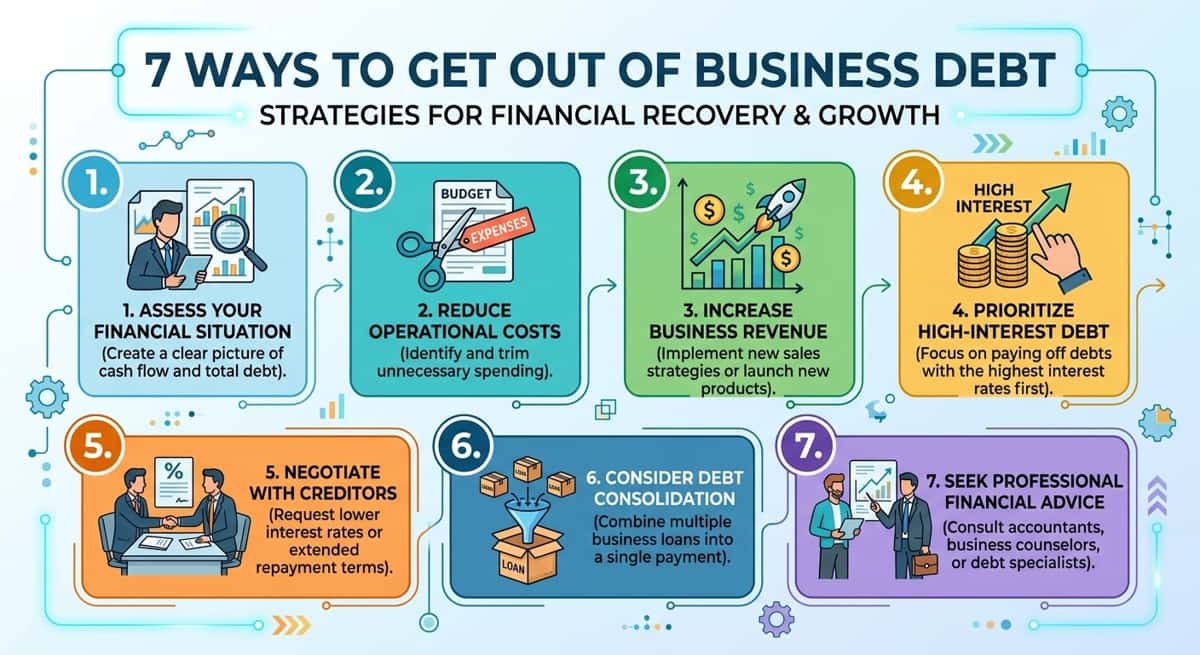
7 Ways To Get Out Of Business Debt
11 min read
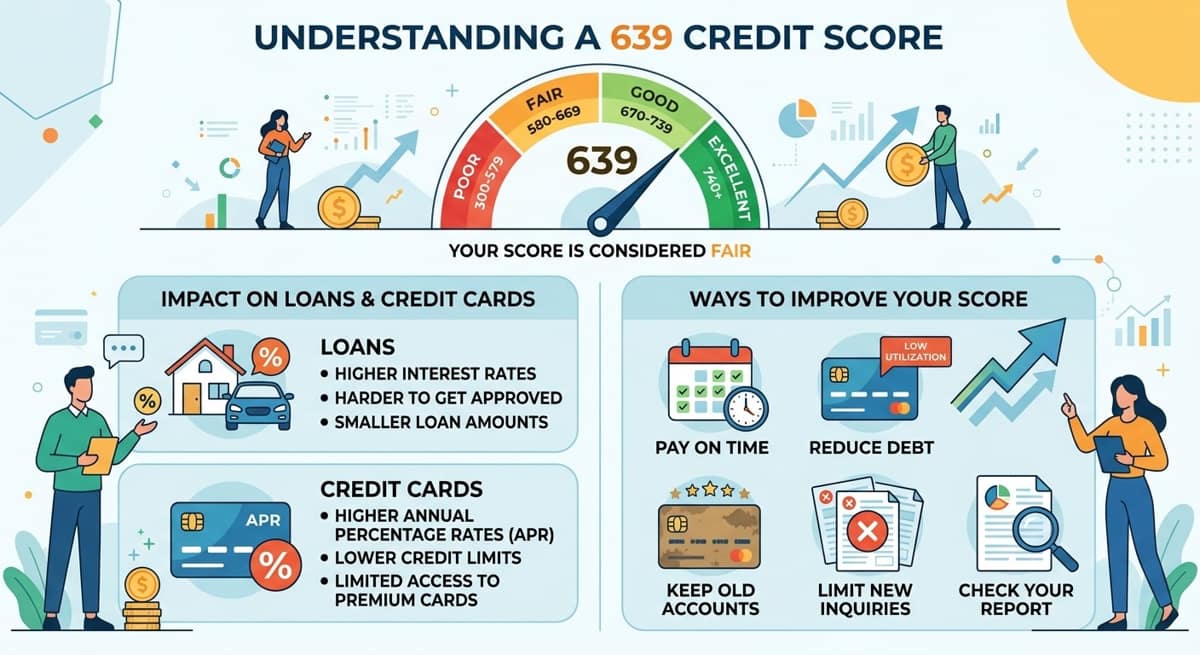
Is 639 A Good Credit Score? How It Affects Loans, Credit Cards And Ways To Improve It
12 min read
Get Your Free Consultation
Speak with a certified debt consultant to explore your options.
Start NowNo obligation • Free consultation