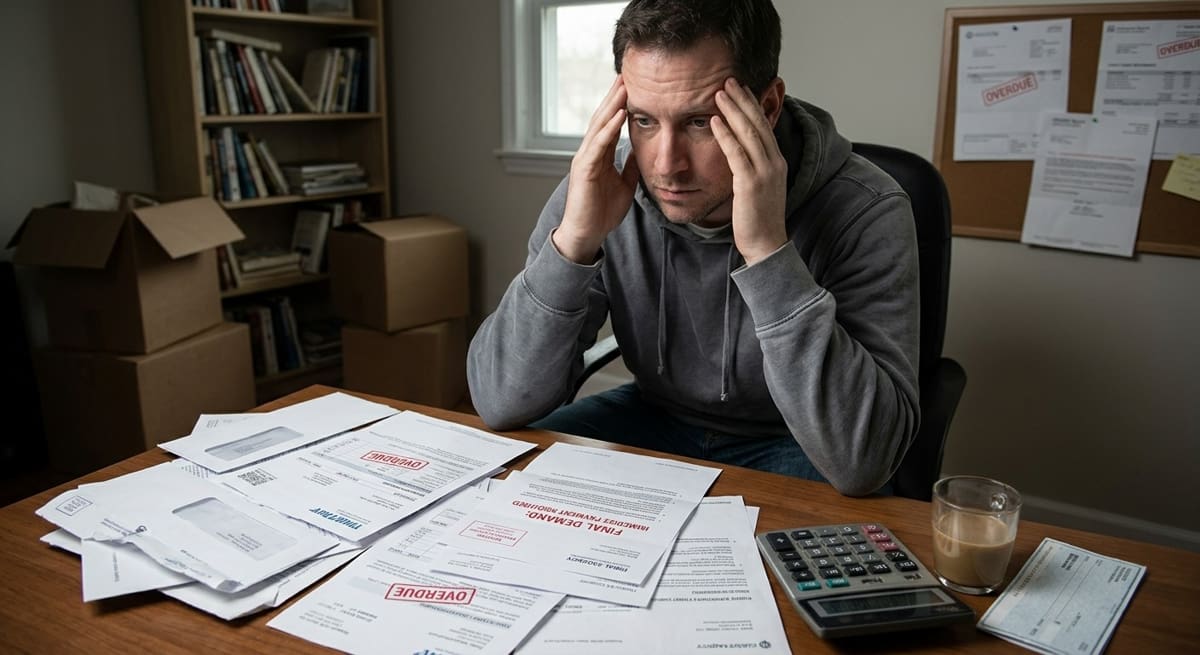
The credit card bill is due on the 5th. The car payment comes out on the 10th. There's a student loan, rent, groceries, and the money you send home to your parents because that's what family does. By the time everything is paid, there's almost nothing left, and the card balance barely moves.
If that sounds familiar, you are far from alone, and it doesn't mean you've done anything wrong. Debt is common, and it can be solved with a clear plan.
Step 1: Get the Full Picture of What You Owe
You can't fix what you can't see. The first step is simply finding out where you stand. It may feel uncomfortable, but it's usually a relief to finally see the whole picture on one page.
List every debt, with balance, interest rate, and minimum payment
Open a notebook, a spreadsheet, or a notes app. For every debt, write down:
Who you owe (the lender or card name)
How much you still owe
The interest rate, sometimes called the APR
The minimum monthly payment
The due date
Include credit cards, car loans, student loans, personal loans, medical bills, and any "buy now, pay later" plans. Add up the totals. That final number is your starting line, and you only have to beat it.
Pull your free credit reports and check for errors
Your credit reports show the debts that lenders have on file for you. The three major credit bureaus (Equifax, Experian and TransUnion) offer a free report to consumers each week at AnnualCreditReport.com on a permanent basis. Use that site, because it's the official one. Be careful with look-alike sites that ask for payment.
Read each report slowly. Look for accounts you don't recognize, wrong balances, or debts that should have been closed. If you find a mistake, contact the credit bureau to dispute it or learn to remove old debt from the credit report . Fixing errors can help your credit and sometimes lowers what you owe.
Don't forget loans from relatives, friends, or lenders back home
Money borrowed from an uncle, a friend, or a bank in your home country is still debt. It may not appear on a credit report, but it affects your budget and your peace of mind. Add it to your list, along with any agreed repayment dates. If a family loan has no schedule, consider agreeing on one. Clear terms protect the relationship as well as your finances.
Step 2: Build a Budget That Fits Your Real Life
A budget isn't a punishment. It's a plan for your money that tells it where to go instead of wondering where it went.
Track what actually comes in and goes out for 30 days
For one month, write down everything you earn and everything you spend, and check your debt-to-income (DTI) ratio to see how much of your paycheck goes toward debt. Use your bank and card statements to make it easy. Don't judge yourself while you do it. You're just collecting facts.
At the end of the month, group your spending into needs (rent, utilities, groceries, transport, minimum debt payments) and wants (eating out, subscriptions, shopping). Most people find a few small leaks that add up, like unused subscriptions or frequent delivery orders.
Plan for remittances and family obligations instead of ignoring them
If you support your family back home, put it in the budget as a fixed line, just like rent. Decide on an amount you can sustain, rather than sending whatever is left or whatever is asked for in the moment.
This takes the guilt and guesswork out of it. It also lets you have an honest conversation with your family if you need to adjust the amount for a few months while you pay down debt. Supporting your family and getting out of debt on a tight budget can happen together when the numbers are on paper.
Set aside a small starter buffer so one surprise bill doesn't send you back to the card
Before you throw every spare dollar at debt, save a small cushion first. Even a modest amount in a separate savings account helps. Then a flat tire or a dental bill won't end up on a credit card and undo your progress. You'll build a bigger emergency fund later, in Step 5.
Step 3: Choose a Payoff Method and Stick to It
Once you know what you owe and what you can pay, you need to decide which debt to pay off first. Two methods work well. . Either one beats having no plan, so the best method is the one you'll actually keep doing.
Method | How it works | Best for |
Avalanche | Pay minimums on everything, put extra money on the highest-interest debt first | Saving the most money on interest |
Snowball | Pay minimums on everything, put extra money on the smallest balance first | Staying motivated with quick wins |
The avalanche method: highest interest rate first
With this method, you keep paying the minimum on all debts, then send every extra dollar to the debt with the highest interest rate. When it's gone, you move that payment to the debt with the next-highest rate.
Because high-rate debt grows fastest, tackling it first usually costs you the least in total interest. This method suits people who like numbers and can stay patient.
The snowball method: smallest balance first
Here you pay the minimum on everything, then put extra money toward your smallest balance, no matter the rate. When it's paid off, you roll that payment into the next smallest.
You may pay a bit more interest overall, but you get early wins. Closing an account feels good, and that feeling keeps many people going. If you've struggled to stay motivated before, this may be the better fit.
Pick one, set a start date, and automate the payments
Don't spend weeks deciding. Choose a method, pick a start date (the next payday works well), and set up automatic payments for at least every minimum. Automation protects you from late fees and missed dates, which can hurt your credit.
Then schedule your extra payment for right after payday, so the money moves before you can spend it.
Step 4: Lower the Cost of Your Debt
Paying debt down is one part. The other is making it cheaper, because less interest means you're free sooner. Here are the main options, from the simplest to the most serious.
Call your lenders and ask about lower rates or hardship options
This is free and often overlooked. Call your card issuer or lender to negotiate your credit card debt by asking if they can lower your interest rate or offer a hardship plan. If you've paid on time for a while, your chances are better. If they say no, you've lost nothing. If you're going through a tough time, such as a job loss or medical issue, tell them. Some lenders have temporary options.
Nonprofit credit counseling and debt management plans
A nonprofit credit counseling counselor can review your whole situation for free or at a low cost. If it makes sense, it helps to understand the debt management plan process before you enroll. In a typical plan, you make one monthly payment to the agency, and they pass it along to your creditors, often at reduced interest rates.
Look for agencies that are nonprofit and certified, and ask about every fee before you agree to anything. The National Foundation for Credit Counseling (NFCC) is a good place to start your search.
Consolidation loans and balance transfers: when they help and when they don't
Debt consolidation programs means combining several debts into one, ideally at a lower rate. A balance transfer card moves card debt to a new card with a low introductory rate. Both can help if the new rate is truly lower, you understand all the fees, and you stop adding new debt. They can backfire if you fall into common debt consolidation mistakes, such as letting a temporary low rate expire before you pay it off or running up your old cards again. Read the terms carefully, and run the numbers with a debt consolidation calculator before you apply.
They can backfire if the low rate is temporary and you can't pay it off in time, or if you run up your old cards again. Read the terms carefully, and do the math before you apply.
Debt settlement and bankruptcy: the risks to understand first
Debt settlement solutions means negotiating with creditors to accept less than you owe. It can sound like a quick fix, but it carries real risks. It can take months or years. Creditors don't have to agree. Late payments and collection calls may continue in the meantime. Your credit score will usually drop. And debt that is forgiven may count as taxable income, so you could owe taxes on it.
Legal debt relief bankruptcy process that can wipe out or reorganize some debts, but it stays on your credit report for years and has serious consequences.
It's usually a last resort. If you're considering it, speak with a licensed bankruptcy attorney first. If you're on a visa, ask an immigration attorney how your plans might affect you.
How to spot a debt relief scam. Understanding how legitimate debt resolution works will help you stay cautious if a company asks for payment before doing any work. The FTC's rules generally ban for-profit companies that sell debt relief by phone from collecting fees until they have settled or reduced at least one of your debts. Also walk away from anyone who promises to erase your debt, guarantees results, tells you to stop talking to your creditors, or claims to be connected to the government.
Step 5: Stay Debt-Free for Good
Getting to zero is a big win. Staying there is what makes it last.
Grow an emergency fund
Once your high-interest debt is gone, build savings for the unexpected: a job change, a medical bill, a trip home for a family emergency. Many people aim to cover a few months of basic expenses over time. Start small and keep adding. Even modest savings stop emergencies from becoming new debt.
Build and protect your credit score
Knowing how debt affects your credit score makes it easier to protect it: pay every bill on time, keep your card balances low compared to your limits, and avoid opening many new accounts at once.
Keep your oldest accounts open when you can, since a longer history helps. Check your credit reports now and then to make sure everything is accurate and no one has opened accounts in your name.
Set rules that keep new debt from creeping back
Make a few simple rules. For example, wait 48 hours before any big purchase. Pay cards in full each month. Talk with your family about big expenses like weddings or trips before you commit. Keep tracking your money each month, even after you're out of debt. A few small habits now save you from starting over later.
Your Next Step Starts This Week
Here's the whole plan in a few lines. List everything you owe. Build a budget that includes your family commitments. Pick a payoff method and automate it. Lower your costs with calls, counseling, or consolidation if it fits. Then build savings and habits that keep you debt-free.
You don't need to do it all today. Start with Step 1 this week: write down what you owe. If you'd like help looking at your options, reach out for a no-pressure consultation.
Ready to Get Started?
Get a free consultation with a certified debt consultant to see if debt settlement is right for you.
Get Free ConsultationAbout the Author
Bhupinder Bajwa
.
Related Articles

How to Remove Old Debt From Your Credit Report
11 min read
How to Use a Debt Validation Letter to Protect Yourself
10 min read
How to Settle SBA Loan Debt: Complete Guide to Debt Relief Options
11 min read
What to Know Before Getting a Debt Consolidation Loan
10 min read
Low Income Debt Relief Programs And Options
14 min read
The Ultimate Guide To Side Hustles To Pay Off Debt
12 min read
Get Your Free Consultation
Speak with a certified debt consultant to explore your options.
Start NowNo obligation • Free consultation