What Is The Statute Of Limitations On Debt Collection?

Navigating your financial life in the USA can be challenging, especially when balancing cultural expectations and the responsibility of supporting family back home. When an old, forgotten debt suddenly reappears, it can add immense stress. However, you should know that you have rights. In the United States, laws exist to protect you from being sued over very old debts.
This protection is called the statute of limitations, which is simply a legal time limit that creditors have to file a lawsuit to collect a debt. Once this period expires, the debt becomes "time-barred," and you can no longer be legally forced to pay it through the courts.
This guide is here to provide you with clear, reliable information. Our goal is to empower you with the knowledge to understand your rights and confidently handle communications from debt collectors, so you can focus on your financial future.
What Exactly Is the Statute of Limitations on Debt?
The statute of limitations on debt is a state law that acts like a deadline. It sets a specific time limit on how long a creditor, such as a credit card company or a lender, has to file a lawsuit against you to collect an unpaid debt. This time limit varies from state to state and depends on the type of debt you have.
It's crucial to understand that the debt doesn't magically disappear when this deadline passes. You still technically owe the money, and it can remain on your credit report for up to seven years. However, the creditor loses its most powerful tool: the ability to take you to court. When the statute of limitations expires, the debt is considered "time-barred." This means a debt collector can still contact you to ask for payment, but they can't legally sue you for it.
Think of it like a village council or panchayat having a rule that a dispute must be brought forward within a certain number of years. If you wait too long, the council may refuse to formally hear the case because too much time has passed. The original disagreement might still exist, but the formal path to resolution is closed. The statute of limitations works similarly, closing the door to legal action after a set period.
How Long Is the Statute of Limitations?
It is essential to understand that there is no single, nationwide rule for the statute of limitations on debt. The time limit is determined by the laws of the state where you live, and it can be different for various types of debt. Understanding which category your debt falls into is the first step.
Here are the most common types:
Written Contracts: This includes any loan or agreement where the terms are in writing and you have signed it, such as a personal loan or a car loan.
Oral Contracts: A verbal agreement to repay a debt. These are harder to prove in court and often have a shorter time limit.
Promissory Notes: A specific type of written contract with a clear promise to pay a certain amount by a certain date. Mortgages often use these.
Open-Ended Accounts: This refers to revolving lines of credit where you can borrow and repay repeatedly, like credit cards or home equity lines of credit (HELOCs).
The timeframes can differ significantly. Below is a chart showing the statute of limitations in years for states with large South Asian populations.
State | Written Contract | Oral Contract | Promissory Note | Open-Ended Account |
California | 4 years | 2 years | 4 years | 4 years |
Texas | 4 years | 4 years | 4 years | 4 years |
New York | 6 years | 6 years | 6 years | 6 years |
New Jersey | 6 years | 6 years | 6 years | 6 years |
Illinois | 10 years | 5 years | 10 years | 5 years |
Disclaimer: These figures are for educational purposes and are subject to change. Laws can be complex.
Because these laws can change and have specific nuances, it is always best to verify the current statute of limitations for your specific situation. For a comprehensive list of all state laws, consulting a resource like the legal information website Nolo or speaking with a qualified attorney is recommended.
When Does the Clock Start Ticking?
Determining the exact start date for the statute of limitations is crucial, as it's not always from when you first took out the loan. The clock generally starts ticking from the date of your last payment or the last time you made a transaction on the account. This date is often referred to as the "date of last activity."
CRUCIAL WARNING: Be extremely careful with any communication about an old debt. You can accidentally reset the clock on the statute of limitations. If you take certain actions, the time limit starts all over again from that day.
Actions that can restart the clock include:
Making a payment of any amount, no matter how small.
Acknowledging in writing that you owe the debt.
Entering into a new payment plan with the creditor.
For example, imagine you live in a state with a six-year statute of limitations. Your last credit card payment was in October 2019. The clock would expire in October 2025. However, if a debt collector calls you today and convinces you to make a small $20 "good faith" payment, the six-year clock resets and now starts from today. This gives them another six years to legally pursue you.
What Happens If a Debt Collector Contacts You About a Time-Barred Debt?
Just because a debt is old doesn't mean a collector won't try to get you to pay. If you're contacted about a time-barred debt, it's important to know that while they can still call or write to you, they are legally prohibited from suing you. How you respond is critical to protecting your rights.
Here’s a step-by-step guide on what to do.
Step 1: Do Not Acknowledge the Debt or Make a Payment
This is the most important rule. Do not agree that you owe the money, and do not make any payment, no matter how small. A debt collector might pressure you to make a "good faith" payment of $10 or $20. Politely refuse. Either of these actions can restart the statute of limitations, giving them a brand new window to sue you.
Step 2: Communicate in Writing
After the call, immediately send a letter via certified mail (with a return receipt) to the collection agency. This creates a legal record of your communication. In the letter, you should state that you do not acknowledge the debt and that you want them to verify it in writing. You can also tell them to stop contacting you.
Here is a simple template:
[Your Name] [Your Address]
[Date]
[Debt Collector's Name] [Debt Collector's Address]
Re: Account Number [If you have it]
Dear [Debt Collector's Name],
I am responding to your contact on [Date of contact] about the above-referenced account. Please be advised that I do not acknowledge this debt. I request that you send me written validation of this debt as required by law.
Furthermore, please cease all communications with me regarding this matter.
Sincerely, [Your Name]
Step 3: Know Your Rights Under the FDCPA
The Fair Debt Collection Practices Act (FDCPA) is a federal law that protects you from abusive, unfair, or deceptive collection practices. Collectors cannot harass you, lie about the amount you owe, or threaten legal action they cannot take, such as suing for a time-barred debt.
A Note for Our Community
In South Asian culture, we are often taught to be polite and avoid confrontation. However, when dealing with a debt collector, you must be firm. You can be respectful while clearly stating your position. Protecting your financial and legal rights is not rude—it's necessary.
Conclusion
Dealing with old debt can be intimidating, but understanding your rights is the first step toward regaining control. Remember these key takeaways: the statute of limitations is a legal time limit for creditors to sue you, this deadline varies significantly by state, and, most importantly, making a payment or acknowledging the debt can reset the clock.
Knowing these rules empowers you to act confidently and protect yourself from unlawful collection tactics. While this guide provides a strong foundation, every financial situation is unique. We strongly encourage you to take the next step by speaking with a non-profit credit counseling agency or a trusted financial advisor. They can offer personalized advice to help you build a secure and prosperous financial future here in the USA.
Disclaimer: The information provided in this article is for educational purposes only and should not be considered legal or financial advice. Laws regarding debt collection can be complex and vary by location. Please consult with a qualified attorney or a certified financial advisor for guidance tailored to your specific situation.
FAQ'S
Will an old debt affect my immigration status?
For the most part, no. Consumer debt, like credit card bills or personal loans, is a civil matter, not a criminal one. It generally has no impact on your immigration status, including visa applications or your green card process. U.S. immigration authorities are typically not concerned with your personal debts. However, if your debt is related to government entities (like taxes) or involves criminal fraud, the situation can be more complex.
Disclaimer: While this is the general rule, it's always best to consult with a qualified immigration attorney if you have specific concerns about your case.
I co-signed a loan for a family member. Am I still responsible?
Yes. When you co-sign a loan, you are making a legal promise to the lender that you will pay the full amount if the primary borrower does not. You are 100% responsible for the debt. From the creditor's perspective, the debt is yours just as much as it is your family member's. The same statute of limitations applies to you as the co-signer. If the debt is still within the legal time limit, the creditor can choose to pursue you for payment.
Can a debt collector threaten to have me deported?
Absolutely not. This is a disgusting and illegal scare tactic. The Fair Debt Collection Practices Act (FDCPA) strictly forbids debt collectors from using false, deceptive, or harassing tactics. Threatening deportation is a serious violation of this law. If a collector ever threatens you in this way, do not engage with them. Document the call (date, time, company name) and report them immediately to the Consumer Financial Protection Bureau (CFPB) and your state's Attorney General's office.
How does this affect my credit score?
The statute of limitations and your credit report operate on two different timelines. Most negative items, including an unpaid collection account, will remain on your credit report for seven years from the date the account first became delinquent. After seven years, it should automatically be removed, and it will no longer impact your credit score. This happens regardless of whether the statute of limitations to sue you is shorter or longer than seven years. Paying off an old collection account will not remove it from your report, but it will be updated to show as "paid."
Ready to Get Started?
Get a free consultation with a certified debt consultant to see if debt settlement is right for you.
Get Free ConsultationAbout the Author
Bhupinder Bajwa
Bhupinder Bajwa is a Certified Debt Specialist and Financial Counselor with over 10 years of experience helping families overcome financial challenges. Having worked extensively with the South Asian community in the U.S., he understands the cultural nuances and unique financial hurdles they may face. He is passionate about offering clear, compassionate, and actionable guidance to help individuals and families achieve their goal of becoming debt-free.
Related Articles
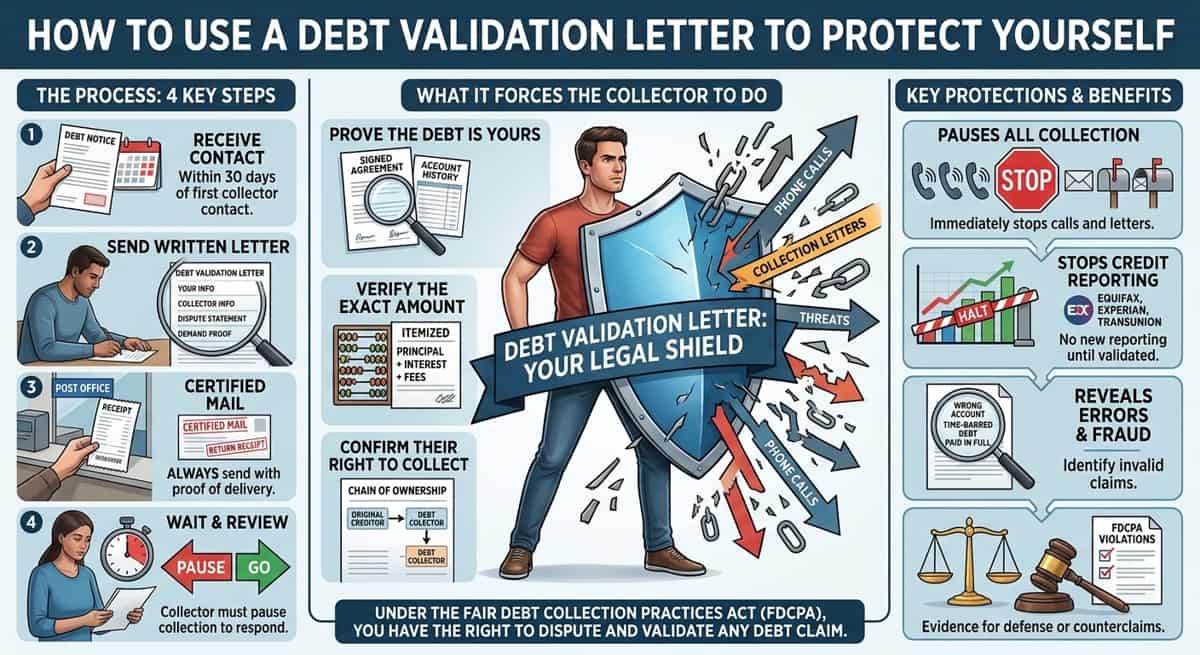
How to Use a Debt Validation Letter to Protect Yourself
10 min read
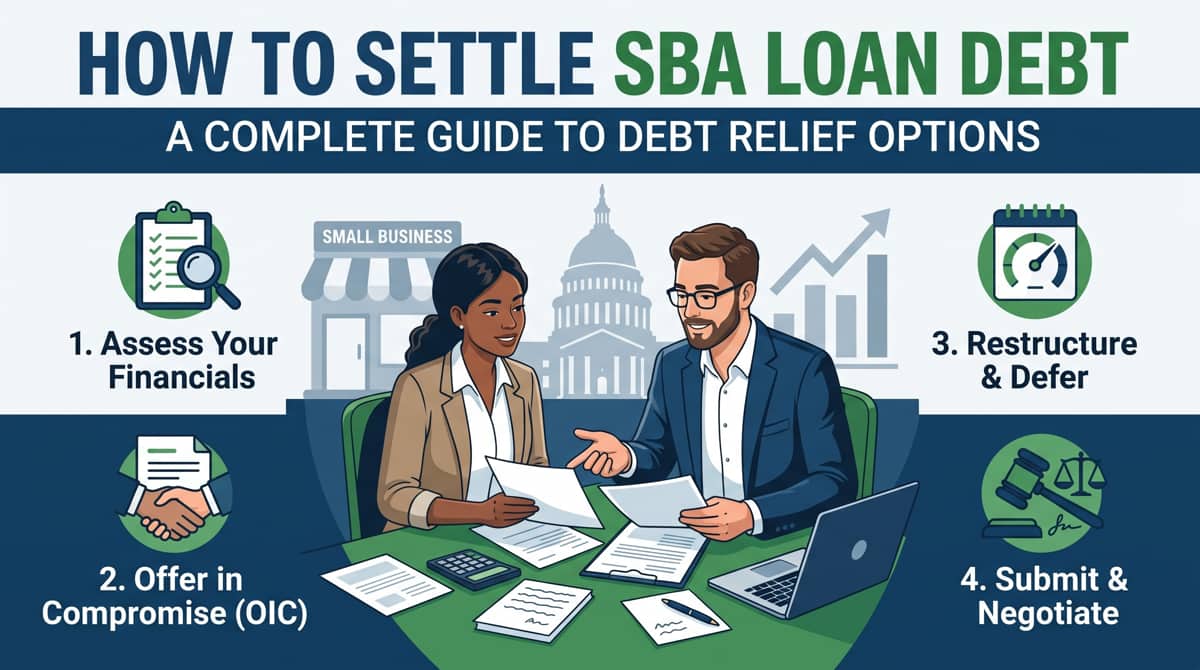
How to Settle SBA Loan Debt: Complete Guide to Debt Relief Options
11 min read
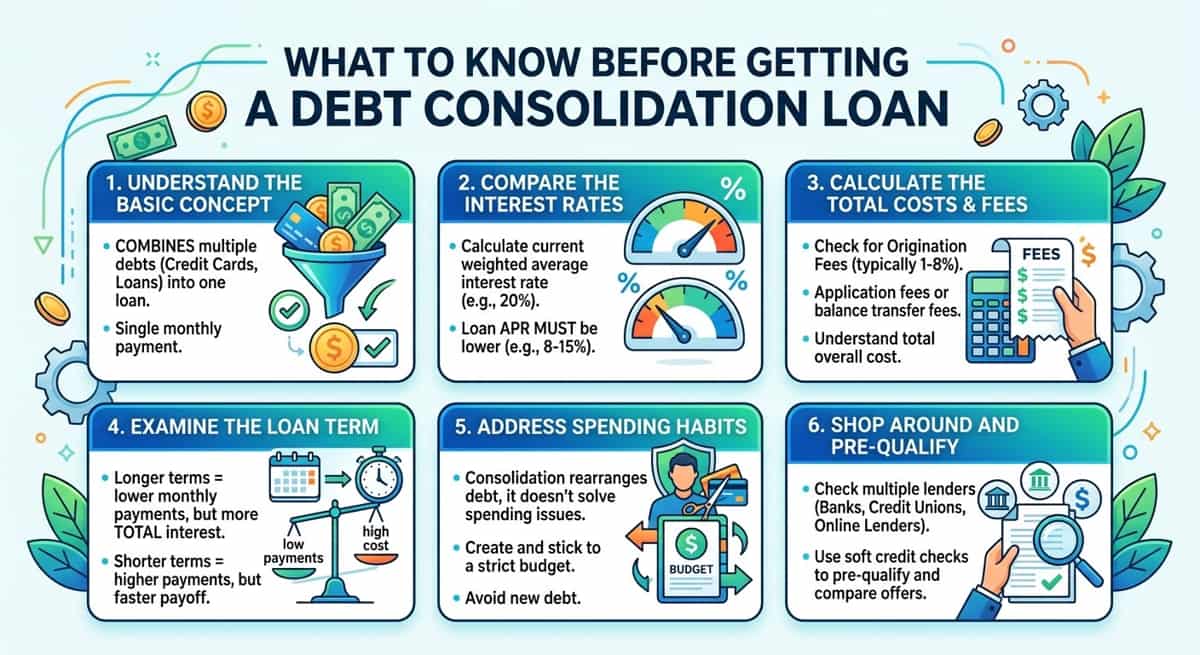
What to Know Before Getting a Debt Consolidation Loan
10 min read
Low Income Debt Relief Programs And Options
14 min read
The Ultimate Guide To Side Hustles To Pay Off Debt
12 min read
10 Reasons Why You Should Pay Off Debt
9 min read
Get Your Free Consultation
Speak with a certified debt consultant to explore your options.
Start NowNo obligation • Free consultation