
A Notice of Levy from the Internal Revenue Service (IRS) is arguably one of the most alarming pieces of mail any American can receive. This is not a request for payment; it is the official notification that the government is preparing to legally seize your property—be it the money in your bank accounts, a portion of your wages, retirement savings, or other financial assets. For individuals and families, particularly those in the South Asian American community who often manage complex, multi-generational finances, the sight of this document can cause immediate stress and panic.
However, the crucial truth is that a Notice of Levy, while serious, is not the final word. It demands immediate, informed action, and in many cases, the levy can be stopped, or the terms of repayment can be dramatically improved.1 Waiting, ignoring the notice, or attempting to handle the complex negotiations without expert guidance are the costliest mistakes you can make.
This comprehensive guide, prepared by financial management experts, is specifically designed to provide clarity and a definitive action plan. We will walk you through what the Notice of Levy means, the immediate steps required to protect your assets within the critical 72-hour window, and the proven debt relief solutions available to resolve your IRS debt permanently. Your financial stability is paramount—let’s take control of this situation together.
Understanding the Notice of Levy: Definition and Consequences
What Exactly is an IRS Notice of Levy?
An IRS Notice of Levy is the government's legal mechanism to seize your assets to satisfy an overdue tax debt.1 It is a highly aggressive collection action and signifies the IRS has exhausted its standard warning procedure. The Notice of Levy grants the IRS the authority to take funds from your bank accounts, garnish your wages, or seize assets like retirement funds, commissions, and dividends.2 The specific form you receive often corresponds to the asset being targeted—for instance, Form 668-A is typically for bank accounts, while Form 668-W is used to collect a portion of your wages. It is absolutely critical to distinguish the Notice of Levy from a Notice of Intent to Levy, which is merely a warning. Once the actual Notice of Levy arrives, the seizure process is already in motion and demands an immediate response.
Levy vs. Lien: Understanding the Critical Difference
Many people confuse a tax levy with a tax lien, but they serve two distinct purposes.3 A Federal Tax Lien is a public claim against your property (like real estate or a vehicle) that secures the government's interest in that property.4 It essentially makes it difficult to sell or refinance until the debt is paid. A Levy, on the other hand, is the actual process of taking the property.5 Think of the lien as putting a fence around your property; the levy is actually taking possession of the property within that fence. The levy is the far more immediate and disruptive threat to your financial stability.
Consequences: What Happens to Your Bank Account or Paycheck?
The immediate consequences of a levy can be devastating. When the IRS levies a bank account, the bank is legally required to freeze all funds up to the amount of the tax debt for 21 calendar days.6 This crucial 21-day holding period is your window to act and petition the IRS to release the funds.7 For a wage levy (garnishment), the effect is continuous.8 Your employer must withhold a specific portion of every paycheck and send it directly to the IRS until the entire debt is satisfied or the levy is officially released. This dramatically impacts your monthly budget and necessitates a swift resolution.
The South Asian American Context: Addressing Unique Financial Concerns
The stress of an IRS Notice of Levy is compounded when overlaid with the unique financial structures and cultural norms prevalent in the South Asian American community. Addressing these specifics is crucial for crafting an effective and culturally sensitive response plan.
Navigating Joint Accounts and Family Obligations
One of the most immediate points of anxiety centers on joint bank accounts. It is a common, often necessary, practice for many South Asian American families to maintain joint accounts—sometimes shared between spouses, or even with parents or siblings—to manage household and financial obligations efficiently. A levy issued in one person's name can tragically impact the entire family's pooled funds, potentially seizing money belonging to family members who are not debtors. Furthermore, for those who manage overseas assets, while the IRS generally focuses on U.S. property, the levy's stress can affect decisions regarding remittances or the management of NRE/NRO accounts, raising questions about overall financial exposure. Understanding who truly owns the funds in a joint account is a complex, but vital, first step in petitioning for a levy release.
Cultural Barriers to Discussing IRS Debt
Financial struggles, particularly those involving government debt, often carry a heavy social stigma in the South Asian community. The concept of izzat (honor or respect) can lead individuals to feel intense shame or embarrassment, creating a strong barrier against discussing the problem, even with immediate family or close friends. This tendency to handle the crisis in silence is profoundly detrimental, as the IRS process is time-sensitive. By delaying or avoiding professional help, individuals miss critical deadlines for appeals and negotiation. We emphasize that financial challenges are common and treatable. Seeking confidential, expert counsel is a sign of responsibility and strength, not failure, and is the quickest path to restoring financial honor and stability.
Immediate Action Plan: The 72-Hour Checklist to Stop the Levy
The time between receiving a Notice of Levy and the actual seizure of assets is incredibly short, often leaving you with a crucial window of just 72 hours to initiate a counter-action. Taking these steps immediately is non-negotiable for protecting your wages and savings.
Step 1: Do Not Panic—Gather All Documents (100 words)
Your first reaction might be panic, but swift, organized action is your best defense. Before calling anyone, you must establish a clear record of your situation. Gather the following documents immediately:
The original Notice of Levy (Form 668-A or 668-W).
All previous IRS correspondence, especially the Notice of Intent to Levy (which typically precedes the actual levy).
Proof of all current income, including pay stubs and tax returns.
Statements detailing all levied assets (bank statements, investment accounts).
This documentation package will be essential for any professional counsel or direct negotiation with the IRS.
Step 2: Contact the IRS and Request an Appeal
Once you have your documents, your next move is to establish immediate dialogue with the IRS. Your goal is to secure a temporary stay on the levy enforcement. The most effective way to challenge the levy is by requesting an appeal. There are two primary avenues:
Collection Due Process (CDP) Hearing: If you have never been given the opportunity to appeal the tax debt, you have a right to a CDP Hearing. This is your chance to propose an alternative solution, such as an Installment Agreement or Offer in Compromise, and often forces the IRS to temporarily halt collection activities.
Collection Appeals Program (CAP): If the CDP deadline has passed, or if the IRS has threatened to seize a specific asset, the CAP is a faster, though less comprehensive, option.
Opening a formal appeal process is often the single most effective way to prevent the levy from clearing the 21-day bank holding period.
Step 3: Protecting Exempt Property and Wages
Not all property can be legally levied. The IRS regulations clearly define certain assets and income that are exempt, and you must assert your claim to these protections immediately. Exempt funds include:
Certain public assistance payments (e.g., Temporary Assistance for Needy Families).
Certain unemployment benefits.
Worker’s compensation and service-connected disability payments.
Minimum amounts of income necessary for basic living expenses (as calculated by IRS standards).
To formally petition for the release of an illegal levy or to argue for a more reasonable repayment plan, you must file Form 12153, Request for a Collection Due Process or Equivalent Hearing. This form is the mechanism to present your financial hardship case and secure the release of any wrongfully seized funds or assets.
Professional Debt Relief Solutions to Resolve the Levy
Once the immediate crisis of the Notice of Levy has been addressed, the focus must shift to securing a long-term, sustainable resolution with the IRS. As financial management experts, we rely on established, formalized programs to lift the levy permanently and restore your financial peace. These solutions are negotiated based on your actual ability to pay.
Installment Agreements (IA) and Partial Payment Installment Agreements (PPIA)
An Installment Agreement (IA) is one of the most common and effective ways to resolve tax debt. It is a formal, written agreement with the IRS that allows you to pay your full tax liability in smaller, fixed monthly payments over a period, typically up to 72 months (six years). This is generally the best option if you can, over time, afford to pay the total amount owed.
For individuals facing genuine financial hardship, the Partial Payment Installment Agreement (PPIA) offers a critical alternative. Under a PPIA, the IRS agrees to accept a monthly payment that is significantly less than the amount required to pay off the debt fully before the collection statute of limitations expires. This option is only available after a rigorous financial disclosure, where you must demonstrate that your current income and necessary living expenses make full payment impossible. A PPIA is a powerful tool for those struggling to meet essential obligations.
Offer in Compromise (OIC): When and How to Apply
The Offer in Compromise (OIC) allows certain taxpayers to resolve their tax liability with the IRS for a lesser agreed-upon amount. This is a complex, high-stakes negotiation that requires a professional to manage, as the IRS only accepts an OIC under three specific legal grounds:
Doubt as to Collectibility: The most common ground, where you can prove that you simply cannot pay the full debt amount based on your assets and future income.
Doubt as to Liability: You have verifiable evidence that the tax assessed is actually incorrect.
Effective Tax Administration (ETA): This is for cases where paying the full amount would cause significant economic hardship or be inequitable (a strong consideration for those facing extraordinary circumstances).
Applying for an OIC requires meticulous preparation of Form 656 and comprehensive financial documentation. It is a rigorous process, but a successful OIC can dramatically reduce your tax burden.
Currently Not Collectible (CNC) Status
For South Asian Americans and others facing immediate, extreme financial hardship—such as loss of employment, severe illness, or major unexpected family expenses—the IRS offers a temporary safety net known as Currently Not Collectible (CNC) status.
When you are placed in CNC status, the IRS temporarily halts all collection activities, including levies. The debt remains on the books, and penalties and interest may continue to accrue, but you are not required to make payments while you are in this status. To qualify, you must undergo a complete financial review with the IRS to demonstrate that making any payment would leave you unable to meet basic living expenses. CNC status is crucial relief for immediate financial distress, giving you the necessary time to stabilize your situation before negotiating a long-term resolution like an Installment Agreement or an OIC.
Long-Term Financial Management and Levy Prevention
Successfully resolving a Notice of Levy is only the first step. The true measure of financial management is implementing systems that ensure this crisis never recurs. As your financial management partner, we focus on preventative strategies to build long-term stability and shield you from future collection actions.
Essential Record Keeping for Small Business Owners and Professionals
A significant number of South Asian Americans are entrepreneurs, running successful small businesses ranging from IT consulting firms to convenience stores. For self-employed individuals and business owners, the risk of a levy often stems from poor tax and bookkeeping hygiene. The most critical step is maintaining a clear separation of business and personal finances.
Dedicated Accounts: Use separate bank accounts and credit cards exclusively for business transactions. This clarity makes tax calculation easier and prevents the IRS from targeting commingled personal funds for business tax liabilities.
Accurate Records: Adopt a robust system for tracking income, expenses, and deductible items throughout the year. Reliance on estimates or disorganized files is a primary cause of unexpected tax liabilities and subsequent levies. Proactive and meticulous record-keeping is the backbone of levy prevention for the self-employed.
Future Tax Compliance and Estimated Payment Strategies
The vast majority of tax levies arise from failure to pay, which is often a result of being unprepared for the final tax bill. Implementing proper payment strategies throughout the year is the simplest way to prevent future surprises.
Adjusting Withholding (W-4): If you are an employee, review your W-4 form with your employer annually. Ensure that your current withholding accurately reflects your family situation, deductions, and any secondary sources of income. Over-withholding slightly can act as a forced savings plan, guaranteeing you won't owe a large sum in April.
Quarterly Estimated Payments (Form 1040-ES): For business owners, consultants, freelancers, or anyone receiving income without automatic tax withholding, you are required to make estimated tax payments four times a year using Form 1040-ES. These payments cover both income tax and self-employment tax. Missing these deadlines or underpaying is a direct path to penalties and eventual collection action. Consistent, timely quarterly payments neutralize the risk of receiving a large, unmanageable tax bill that could lead to another Notice of Levy.
Conclusion: Taking Control of Your Financial Future
Receiving a Notice of Levy is a serious challenge, but it is not a defeat. By taking immediate, organized action—gathering documents, establishing dialogue with the IRS, and pursuing the appropriate relief program—you can successfully stop the seizure and prevent further distress. Your financial future does not have to be dictated by this notice. However, due to the complexity, strict deadlines, and potential impact on family finances, the most crucial step you can take is to seek confidential guidance. Consult a qualified tax professional—a Tax Attorney, CPA, or Enrolled Agent—who can expertly navigate IRS collections and offer solutions tailored to your specific circumstances, ensuring your long-term stability and peace of mind.
Ready to Get Started?
Get a free consultation with a certified debt consultant to see if debt settlement is right for you.
Get Free ConsultationAbout the Author
Bhupinder Bajwa
Bhupinder Bajwa is a Certified Debt Specialist and Financial Counselor with over 10 years of experience helping families overcome financial challenges. Having worked extensively with the South Asian community in the U.S., he understands the cultural nuances and unique financial hurdles they may face. He is passionate about offering clear, compassionate, and actionable guidance to help individuals and families achieve their goal of becoming debt-free.
Related Articles
Is 639 A Good Credit Score? How It Affects Loans, Credit Cards And Ways To Improve It
12 min read
What’s The Difference Between Debt Consolidation And Debt Settlement?
12 min read

Can You Consolidate Debt With a Low Credit Score?
11 min read
Self-Employed and Owe Taxes? A Guide for 1099 Workers
11 min read
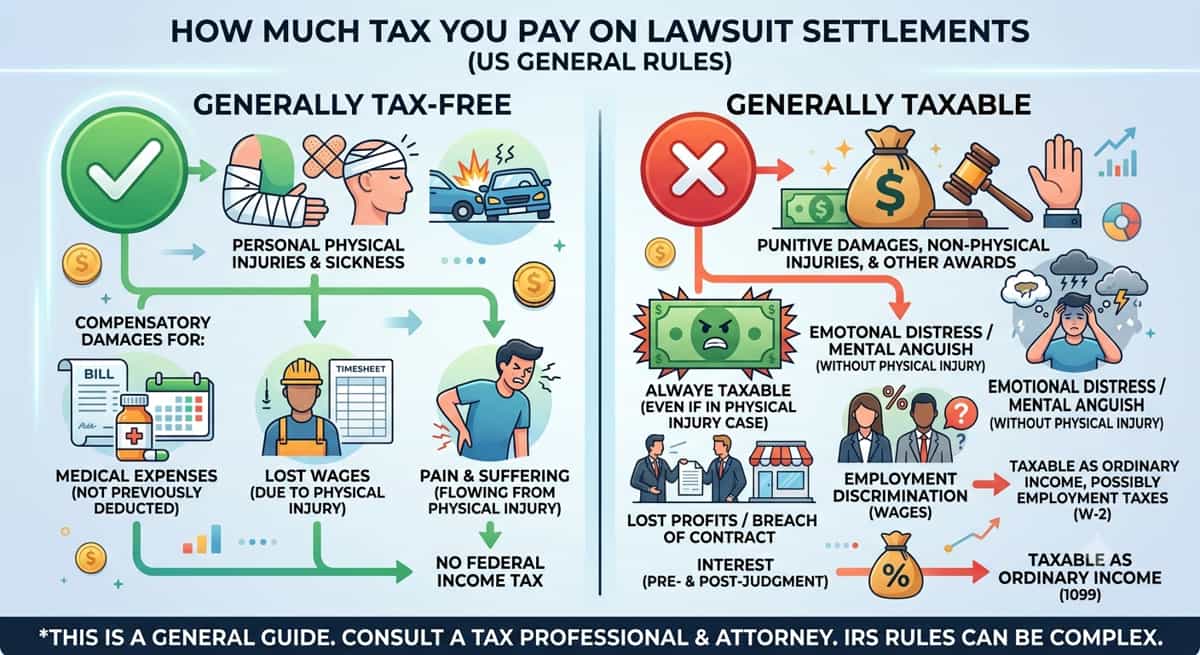
How Much Tax You Pay On Lawsuit Settlements
9 min read
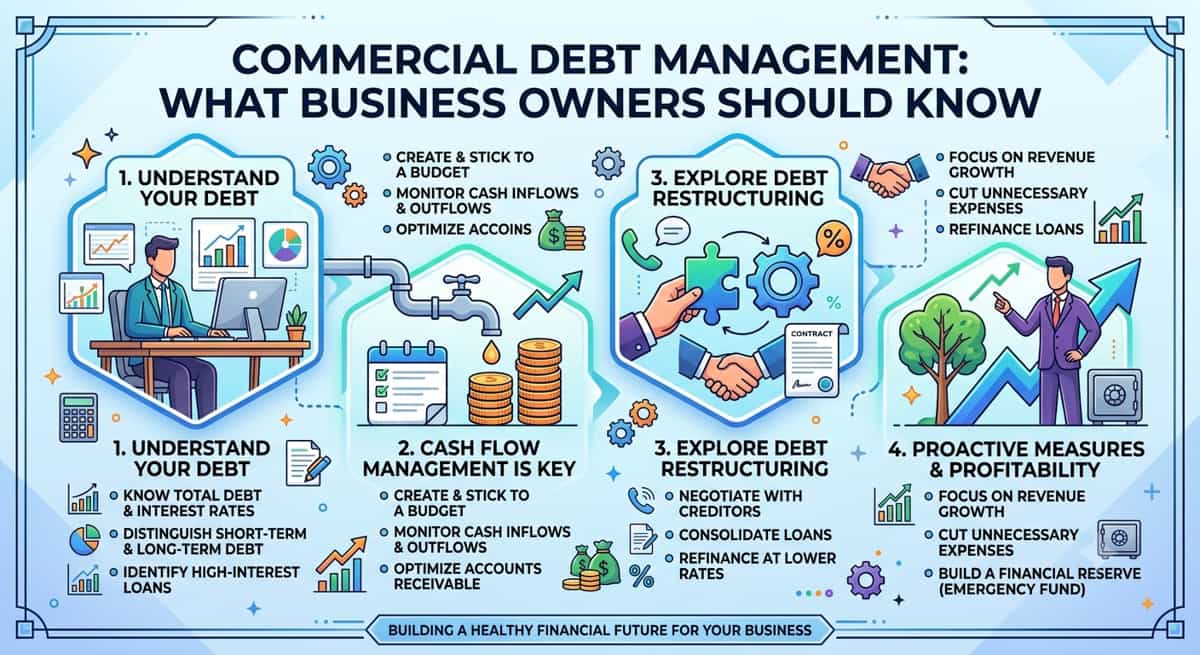
Commercial Debt Management: What Business Owners Should Know
11 min read
Get Your Free Consultation
Speak with a certified debt consultant to explore your options.
Start NowNo obligation • Free consultation
Related Posts
- Is 639 A Good Credit Score? How It Affects Loans, Credit Cards And Ways To Improve It
12 min read
- What’s The Difference Between Debt Consolidation And Debt Settlement?
12 min read
- Can You Consolidate Debt With a Low Credit Score?
11 min read
- Self-Employed and Owe Taxes? A Guide for 1099 Workers
11 min read