Building a life in the United States is a journey filled with opportunity, but it often comes with a unique set of financial burdens. For many South Asian immigrants, the pressure of managing American expenses is compounded by the deeply ingrained commitment to supporting family and obligations back home. This balancing act can lead to accumulating high-interest credit, whether through multiple credit cards, personal lines of borrowing, or other costly financial commitments. It's a heavy weight to carry, especially when cultural norms about debt and financial privacy often clash with the realities of the US credit system.
That's where a clear, actionable strategy becomes essential.
I'm here as your dedicated financial expert, one who specializes in US-based debt relief and understands the nuances of the South Asian immigrant experience from navigating multi-generational financial support to understanding cultural perspectives on financial stability. My goal is to provide guidance that respects your cultural values while offering practical solutions within the American system.
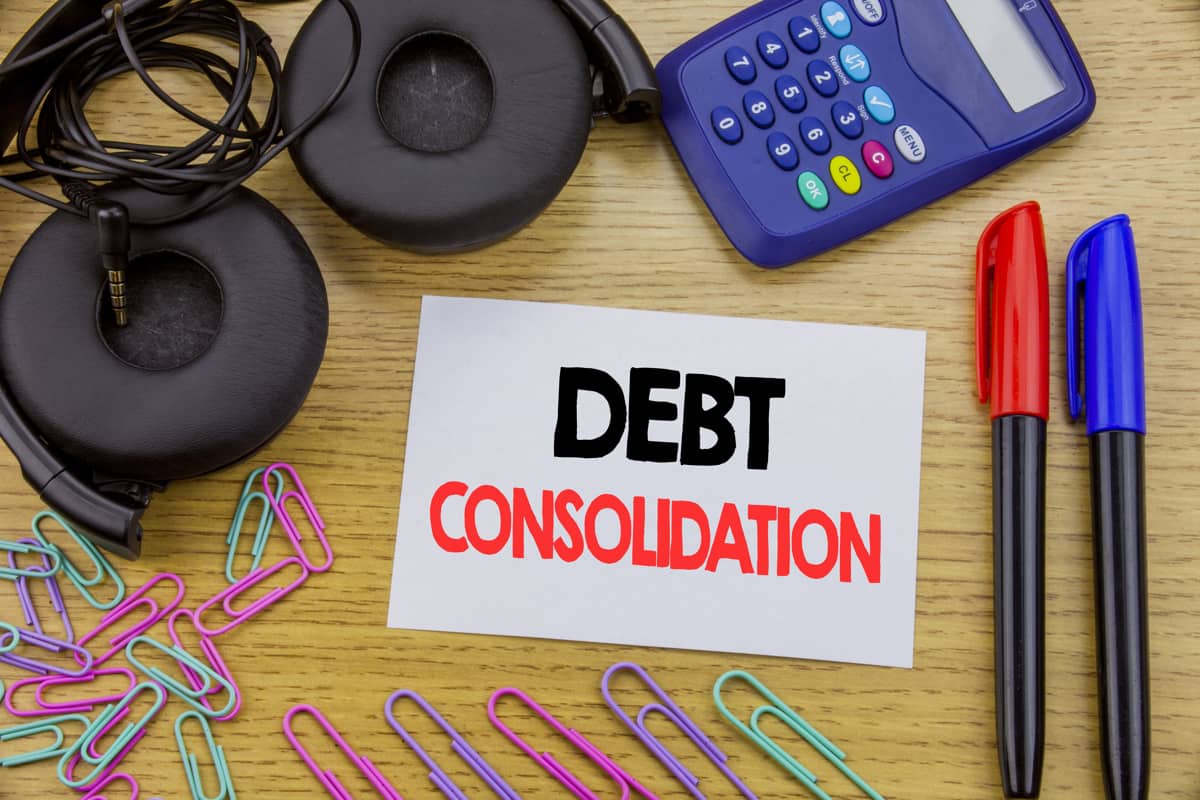
One powerful borrowing solution frequently considered is a debt consolidation loan. Simply put, debt consolidation means taking out one new, larger loan to pay off several smaller, high-interest debts. Ideally, this new loan has a lower interest rate, giving you a single, more manageable monthly payment and saving you money over time. It can be a vital step toward freeing up cash flow and achieving true financial freedom.
However, rushing into any financial solution without a clear understanding of its implications can create more problems than it solves. To empower you to make a confident and informed decision about your financial future, this article will answer five critical questions that every South Asian in the USA should ask before moving forward with a debt consolidation loan. Let's start transforming that financial burden into a path toward peace of mind.
The reality is that to qualify for a genuinely low-rate consolidation loan that saves you money, you generally need a score in the 670+ range. If your credit score falls below this due to a short US history, focus on lenders who utilize non-traditional underwriting methods.
The 'Why' - When is Debt Consolidation the Right Financial Move?
Many clients come to me feeling overwhelmed by a stack of different bills, unsure if combining them is truly the right answer. The decision depends entirely on the nature of your financial commitment. Debt consolidation excels in situations where you are juggling multiple high-interest credit card debt accounts or several personal loans that carry punishingly high Annual Percentage Rates (APRs). For new immigrants, this often includes high-rate credit card balances accumulated rapidly to cover initial US setup costs, or small borrowing solutions used for travel, relocation, or urgent family support abroad. When the average interest rate of your current credit card balances is over 15%, a consolidation loan—which might offer a single-digit rate to a borrower with decent credit—can provide immense savings and relief. The true power of consolidation is that it turns several chaotic, high-cost monthly payments into one predictable, fixed payment. However, a debt consolidation loan is not a one-size-fits-all solution. It's crucial to understand your alternatives:- Balance Transfer Credit Card: This option is excellent if you have good credit and can pay off the entire debt quickly—typically within a 12-18 month introductory 0% APR period. If you can confidently pay off the debt before the promotional rate expires, a balance transfer can save you more money than a consolidation loan. However, if the debt is too large or the payoff timeline is too long, the high standard APR that kicks in can be disastrous.
- Debt Management Plan (DMP): If your credit score is lower, or if the root issue is overspending and you need structured guidance, a DMP through a reputable non-profit credit counseling agency might be better. They negotiate with your creditors to lower interest rates without taking on new borrowing.
- Debt Settlement: This involves negotiating to pay less than the full amount owed, which severely damages your credit history and should generally be viewed as a last resort before bankruptcy.
The 'Cost' - What are the True Financial Implications?
Key Question 2: "What is the real total cost of this loan, beyond just the interest rate?"
When you receive a quote for a debt consolidation loan, it’s natural to focus on the promised interest rate, especially when comparing it to the high rates of your credit cards. However, in US lending, the advertised interest rate is often only part of the story. The key to financial responsibility is understanding the difference between the interest rate and the Annual Percentage Rate (APR).- Interest Rate: This is the percentage charged by the lender for borrowing the principal amount. It determines how much interest accrues on your loan balance over time.
- Annual Percentage Rate (APR): This is the true cost of borrowing for the year. It includes the interest rate plus any mandatory fees charged by the lender, spread out over the loan term. The APR is the number you should use when comparing two different loan offers, as it gives you a complete, apples-to-apples cost.
The Impact of Origination Fees
An origination fee is a one-time charge levied by the lender for processing your loan application, underwriting the loan, and dispensing the funds. It is typically a percentage of the total loan amount, ranging from 1% to 8%. Crucially, this fee is often deducted from the loan proceeds before the money is deposited or sent to your creditors.Illustrative Example: Why the Origination Fee Matters
Let's assume you need to consolidate $15,000 in high-interest debt, and you are approved for a loan with a 10% interest rate.- Scenario without Fee: You receive the full $15,000 to pay off your debts. Your interest calculations begin on $15,000.
- Scenario with a 5% Origination Fee: The lender charges a 5% fee on $15,000, which equals $750.
- This $750 is deducted immediately.
- You only receive $14,250 to pay off your original $15,000 in debt, meaning you still owe $750 on your old debt, or have $750 less than you needed.
- However, your new loan balance that you pay interest on is still the full $15,000.
The Crucial Role of Term Length and Prepayment
Beyond fees, you must scrutinize the loan term length (how long you have to pay it back).- Longer Term (e.g., 7 years): Leads to a lower monthly payment, providing immediate cash flow relief. However, you pay significantly more total interest over the life of the loan.
- Shorter Term (e.g., 3 years): Has a higher monthly payment but results in the lowest total interest paid and gets you debt-free faster.
The 'Lender' - Which Lenders Are Best for Immigrants?
Key Question 3: "How do I choose a trustworthy US lender, and what credit score do I need to qualify?"
Securing a debt consolidation loan at a favorable rate depends directly on the lender you choose. This decision is particularly vital for South Asians who may have recently established their lives and credit history in the US, facing the challenge of a limited track record.Understanding Credit Score Realities
Lenders categorize borrowers based on FICO credit scores, which directly influence your interest rate and loan eligibility.| Credit Score Range | Quality | Typical Access |
| 740 - 850 | Excellent | Access to the lowest rates (often single-digit APRs) and largest loan amounts. |
| 670 - 739 | Good | Excellent access to consolidation loans, but rates may be slightly higher than the top tier. |
| 580 - 669 | Fair | Approval is possible, but rates will be significantly higher, potentially negating the savings of consolidation. |
Lender Types and the Immigrant Factor
When comparing institutions, keep your unique situation in mind:- Credit Unions: These member-owned financial institutions often offer lower interest rates and more personalized service than large banks. Crucially, they may be more willing to look beyond a limited US credit file if you have a strong relationship with them (e.g., direct deposit, checking account history). Look for local credit unions that serve your residential area.
- Traditional Banks (Chase, Wells Fargo): While major banks offer consolidation loans, they often apply strict, automated credit score requirements for consolidation. They are best if you already have a well-established credit profile.
- Online Lenders (SoFi, Upstart, LendingClub): These are often the best lenders for new immigrants because many use advanced technology (AI underwriting) that considers factors beyond the FICO score, such as education, employment history, and income potential. This can compensate for a short credit history.
Ensuring Trustworthiness and Legitimacy
Before applying, protecting your financial stability means verifying the lender:- Check Licensing: Confirm the lender is licensed to operate in your state by checking with your state’s financial regulator.
- Search for Complaints: Look up the company on the Better Business Bureau (BBB) website to check their rating and read customer complaints. A strong track record of resolving issues is a major sign of reliability.
- Verify Security: Ensure the lender's website URL begins with "https" and shows a padlock symbol before entering any personal information.
- Avoid Red Flags: Never deal with a lender that guarantees approval without checking your history, or one that demands an upfront payment (a fee before the loan is disbursed).
The 'Future' - How Does This Impact My US Financial Future?
Key Question 4: "How will this loan actually affect my credit score and future borrowing power?"
A debt consolidation loan is not just a tool for immediate relief; it’s a commitment that shapes your long-term financial stability in the United States. Understanding its ripple effects on your credit score and ability to secure major future borrowing, like a home mortgage or auto loan, is crucial for family planning.The Credit Score Calculus
When you take out a new loan, your credit score experiences two immediate, but temporary, changes:- Short-Term Dip (Hard Inquiry): When a lender reviews your credit file for a loan approval, it results in a hard inquiry, which can temporarily lower your score by a few points. This is normal and minor.
- Long-Term Gain (Positive Impact): The major benefit comes from the structure of the loan. When you use the consolidation loan to pay off revolving credit card debt, you drastically lower your credit utilization ratio (the amount of credit used versus the total available). This is one of the most heavily weighted factors in your credit score, and lowering it can lead to a significant increase in your score over the long run, provided you make all payments on time. Furthermore, an installment loan adds diversity to your credit mix, which lenders view positively.
Impact on Future Borrowing Power
Many South Asian families prioritize large financial goals in the US, such as buying a first home or funding a child’s education. A consolidation loan, when used correctly, supports these objectives:- Mortgage or Auto Loan Eligibility: Lenders for mortgages and cars scrutinize your debt-to-income (DTI) ratio and your credit score. By replacing multiple high credit card payments with one fixed, often lower, installment payment, you lower your DTI. A lower DTI combined with an improving credit score makes you a far stronger candidate for major, low-interest borrowing later on. This is essential for achieving the American dream of homeownership.
Mitigating the Biggest Pitfall
The single largest risk to your financial future after consolidation is running up balances on the credit cards you just paid off. For a family striving to secure assets and provide for children’s education, this mistake can be catastrophic, leaving you with the original consolidation loan plus a mountain of new credit card debt. Actionable Advice for Family Stability:- Close or Freeze Accounts: Once the old cards are paid off, cut them up, freeze them, or store them away. Do not close all the accounts, as that reduces your total available credit (raising your utilization ratio again). Keep the oldest accounts open and unused.
- Create an Emergency Fund: Use the extra cash flow freed up by your lower consolidated monthly payment to build a separate emergency fund. This ensures you never have to turn to high-interest credit cards for unexpected expenses again.
- Frame Your Goal: View the fixed term of the consolidation loan as a disciplined plan for the entire family. Every on-time payment is a direct investment in the security of your children’s education and the cultural imperative of securing generational financial stability.
The 'Action' - What Documentation is Required?
Key Question 5: "What specific documents will a US lender require from me, and how can I prepare?"
Once you have decided that a debt consolidation loan is the best path to achieving financial stability, the next step is preparation. The US lending process is thorough, and having all your documents organized beforehand will speed up approval and prevent frustrating delays. This is often the transactional step where trustworthiness is built, as lenders must verify everything to minimize risk.The Essential Document Checklist
A typical US debt consolidation loan application requires documentation to verify your identity, residence, and income. Prepare digital copies of the following:| Category | Required Documents |
| Proof of Identity & Status | Valid Driver’s License or Passport, Social Security Card (or ITIN), and Proof of Lawful Residence (e.g., Green Card, Visa, or other legal status documents). |
| Proof of Residence | Utility bill (gas, electric, water) or bank statement showing your current US residential address. |
| Proof of Income | Last two pay stubs or pay vouchers, and Tax Returns (most recent two years of W-2s). |
| Debt Information | A clear list of all debts to be consolidated, including account numbers, current payoff balances, monthly payment amounts, and creditor contact information. |
Addressing Unique Challenges for South Asian Applicants
For those building a new life in the USA, certain documentation requirements can present hurdles:- Non-W-2 or Self-Employed Income: It is common within the community to have consulting work, freelance jobs, or small businesses (1099 income). Lenders require more proof in this case. Be ready to provide your complete IRS 1099 forms and your full Schedule C (if filing as a business) for the last two years, along with recent bank statements to demonstrate consistent cash flow.
- Joint Applications: If applying with a spouse or partner, you will need all of the above documents for both applicants, including their proof of identity and income. This is often a good strategy to secure a better rate by combining incomes and credit histories.
Step-by-Step Application Guide
- Determine Payoff Amounts: Contact your current creditors (credit card companies, personal loan providers) for the exact, time-sensitive payoff amounts of your balances.
- Prequalify: Use the lender’s prequalification tool (often a “soft” credit check that doesn't hurt your score) to see what rate you are likely to receive.
- Apply and Upload: Submit the full application. You will then upload your organized documents (tax returns, IDs, etc.).
- Closing: If approved, the lender will typically send the loan funds directly to your creditors to pay off the old debt, ensuring the money is used for its intended purpose and simplifying the final steps for you.
Conclusion
The journey toward financial freedom is paved not by luck but by informed decisions. Before committing to a debt consolidation loan, review these five essential questions: Have you confirmed it is the right type of debt relief? Do you know the real total cost, including fees? Are you choosing a trustworthy lender that respects your status? Are you aware of the long-term impact on your credit and borrowing power? And finally, are you prepared with the correct documentation? Successfully navigating US finance, especially while honoring commitments to family and culture, requires expertise and transparency. My goal is to equip the South Asian community in the US with the knowledge to take control of their financial stability. Debt consolidation is a powerful fresh start, but only when approached with complete understanding. Don't let uncertainty delay your progress. Act today by utilizing a free online debt calculator to visualize your potential savings, or plan your next steps by scheduling a financial consultation to address your unique situation. [contact-form-7 id="365c63c" title="Get Your Free Evaluation"]Ready to Get Started?
Get a free consultation with a certified debt consultant to see if debt settlement is right for you.
Get Free ConsultationAbout the Author
Bhupinder Bajwa
Bhupinder Bajwa is a Certified Debt Specialist and Financial Counselor with over 10 years of experience helping families overcome financial challenges. Having worked extensively with the South Asian community in the U.S., he understands the cultural nuances and unique financial hurdles they may face. He is passionate about offering clear, compassionate, and actionable guidance to help individuals and families achieve their goal of becoming debt-free.
Related Articles
The Ultimate Guide To Side Hustles To Pay Off Debt
12 min read
10 Reasons Why You Should Pay Off Debt
9 min read
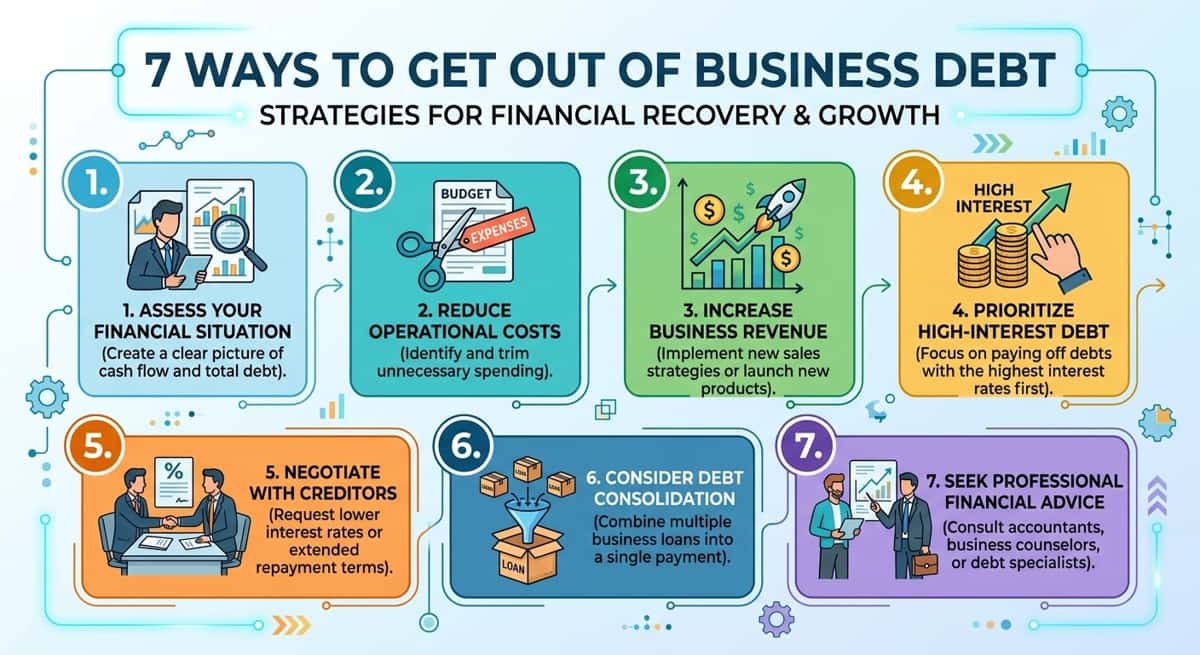
7 Ways To Get Out Of Business Debt
11 min read
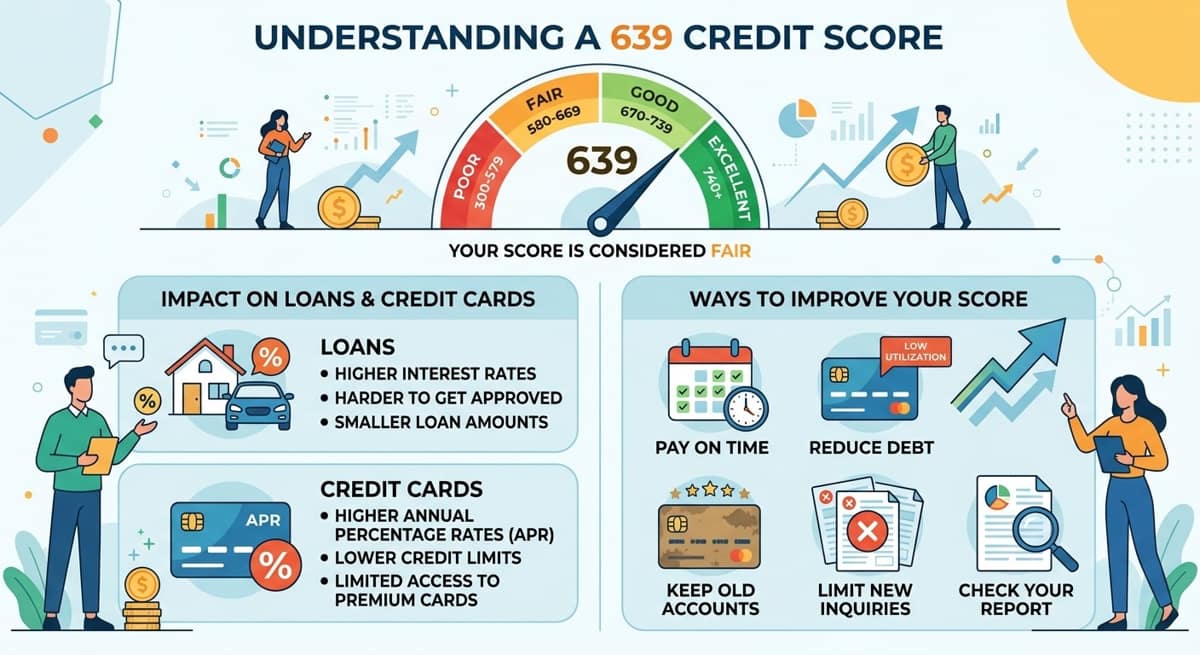
Is 639 A Good Credit Score? How It Affects Loans, Credit Cards And Ways To Improve It
12 min read
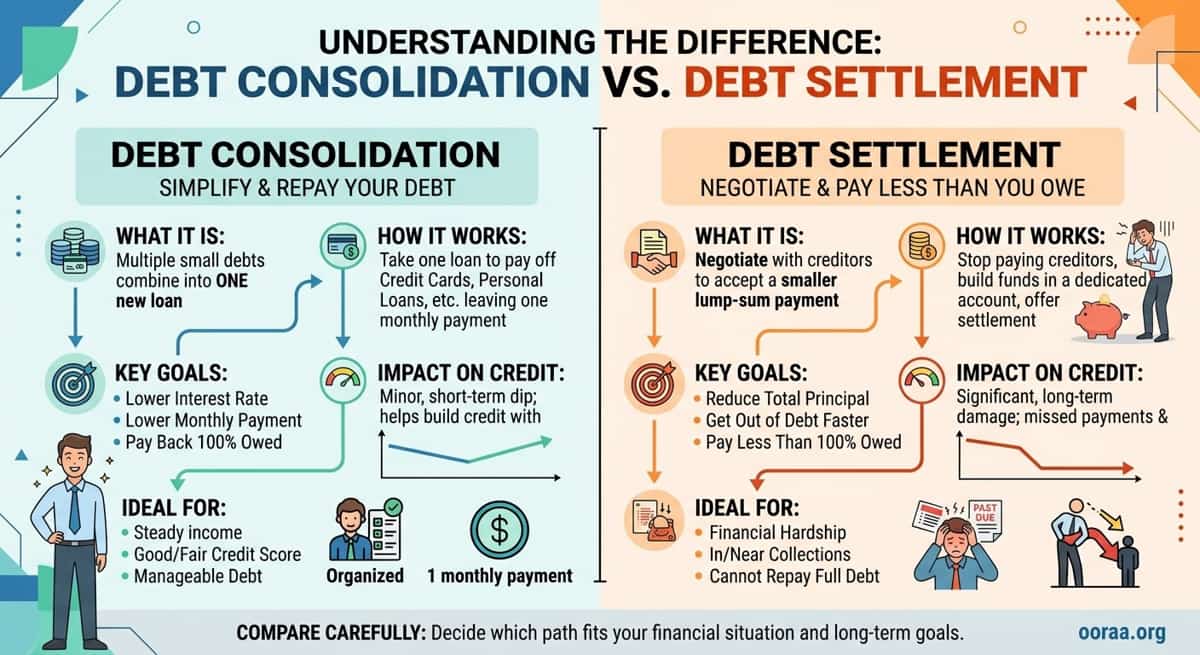
What’s The Difference Between Debt Consolidation And Debt Settlement?
12 min read
Can You Consolidate Debt With a Low Credit Score?
11 min read
Get Your Free Consultation
Speak with a certified debt consultant to explore your options.
Start NowNo obligation • Free consultation