
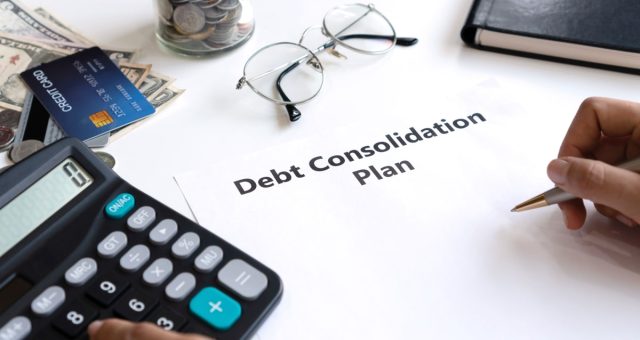
Debt Consolidation: The Pros And Cons
Navigating high-interest consumer debt can feel like a heavy burden, often impacting the collective financial health of the family—a concern highly valued within the South Asian community. If you find yourself juggling multiple high-rate credit cards or personal loans, debt consolidation often emerges as a powerful option for simplification and relief. It involves merging several debts into one new, single payment, typically with a lower interest rate. However, this strategy carries significant risks, especially regarding assets and long-term financial discipline. This expert guide offers an honest, balanced perspective on the pros and cons of consolidation, tailored to the unique economic and family considerations facing South Asian residents in the USA.
Understanding Debt Consolidation: A Single-Payment Solution
Debt consolidation is a financial tool designed to simplify multiple high-interest debts into one manageable obligation.1 For families aiming for clarity and efficiency in their financial structure—a common goal in multi-generational households—it can seem like the ideal path. However, because it involves restructuring significant personal debt, this is a high-stakes decision requiring careful, expert analysis.
The Mechanic: How Consolidation Works to Simplify Debt
At its core, debt consolidation is a process of refinancing. You take out one new loan (the consolidation loan) to pay off several existing debts simultaneously.
- Definition: You are essentially exchanging multiple smaller debts—like various credit card balances, medical bills, or personal loans, which often carry high and variable interest rates—for a single, larger debt.
- The Goal: The aim is to secure a significantly lower, single interest rate. This single loan is repaid via one fixed monthly payment over a specified period.4 The benefits are threefold: a lower overall interest cost, a reduced and predictable monthly payment, and a fixed repayment timeline that clearly shows when you will be debt-free. This simplified structure makes budgeting easier and reduces the mental burden of managing several due dates.
Three Main Types of Consolidation Loans
The type of consolidation you choose dictates the interest rate, the repayment terms, and the level of risk you take on.
- 1. Personal Loan (Unsecured): This is a lump-sum loan issued by a bank or credit union based solely on your creditworthiness and income.6 Since no collateral is involved, it is considered unsecured debt. This is often the best choice for quick simplification, but the interest rate you receive is heavily dependent on your credit score. If your score is low, the rate may not be much better than your existing credit card rates.
- 2. Home Equity Loan (Secured) or HELOC: These loans use your house as collateral, making them secured debt.7 Because the loan is backed by a tangible asset (your family home), lenders offer much lower interest rates and more favorable terms.8 This option offers the greatest potential savings but carries the highest risk: if you fail to repay the consolidated debt, the lender can foreclose on your property.
- 3. Balance Transfer Credit Cards: This involves moving high-interest balances from old credit cards onto a new card that offers a 0% or low introductory Annual Percentage Rate (APR) for a short term (typically 12 to 21 months).9 This is a great tool, but extremely high-risk. If you do not pay off the entire balance before the introductory period ends, the remaining debt is hit with a very high variable interest rate, often negating all savings. You may also incur a high balance transfer fee (e.g., 3-5% of the transferred amount).
The Advantages: Why Debt Consolidation Appeals to Financial Goals
When executed correctly, debt consolidation offers compelling financial and psychological benefits. For South Asian American families striving for financial security, these advantages translate directly into lower costs, reduced complexity, and a clearer path to wealth-building.
Significant Savings on Interest and Reduced Cost
The most tangible benefit of consolidation is the potential for significant long-term savings by reducing your overall interest rate.
- Lower Interest Rate, Lower Total Cost: Many revolving debts, such as retail and traditional credit cards, carry exceptionally high Annual Percentage Rates (APRs) that can range from 18% to 30%. By consolidating these high-rate debts into a personal loan, which might carry an APR of 8% to 12% (depending on your credit profile), you dramatically reduce the total amount of money paid to creditors. Moving from a 25% APR to a 10% APR can save thousands of dollars over the life of the loan.
- Fixed Repayment Certainty: Unlike credit card debt, which is revolving (meaning it has no set end date if you only make minimum payments), a consolidation loan has a fixed repayment term (e.g., 5 years or 7 years). This fixed timeline provides certainty. Every payment you make moves you definitively closer to the day you will be debt-free, ensuring the cost of your debt is finite and predictable.
Simplified Budgeting and Reduced Stress
In multi-generational households or for entrepreneurs managing complex financial flows, consolidation offers the immense benefit of simplicity.
- One Payment, One Focus: Instead of juggling five different credit card statements, four different minimum payment amounts, and four different due dates, consolidation leaves you with one single payment, one interest rate, and one fixed due date. This clarity significantly reduces the chance of missing a payment, which can trigger late fees and penalty interest rates.
- Reduced Mental Burden: Managing multiple creditors creates ongoing stress, which can impact financial decision-making. By streamlining your obligations, consolidation frees up mental space, allowing you to focus on strategic financial planning, savings, and investments—goals that are crucial for building generational wealth. The removal of this daily “debt friction” is a substantial non-monetary advantage.
Potential for Improved Credit Score
Debt consolidation can provide a powerful, immediate boost to your credit score, a benefit that opens doors to lower interest rates on future loans and mortgages.
- Lowering the Credit Utilization Ratio (CUR): The single biggest immediate impact comes from lowering your CUR. This ratio measures how much revolving credit you are using versus the total amount of revolving credit you have available (e.g., $5,000 used on a $10,000 limit is 50% CUR). FICO scores are heavily penalized if your CUR is above 30%. When you consolidate, the loan pays off your high-balance credit cards, making their balances zero or near-zero. This action can instantly drop your CUR to single digits, leading to a rapid and positive change in your credit score.
- Building Payment History: The new consolidation loan becomes a single, fixed installment loan on your credit report. By making the new, manageable payment on time, every single month, you consistently build a solid positive payment history—the most important factor in your overall credit score. The cautionary note is vital: This credit boost is only sustainable if you commit to making the consolidation payment on time and do not run up the newly paid-off credit cards again.
The Disadvantages: The Risks and Why Professional Advice is Crucial
While the concept of simplifying debt is appealing, consolidation carries significant long-term risks that often outweigh the immediate benefits if not managed with strict financial discipline. Because this decision directly impacts your financial stability and assets, seeking professional, licensed advice is not optional—it is essential.
Risk of Securing Debt to the Family Home
The greatest and most severe risk of debt consolidation is choosing a secured loan, such as a Home Equity Loan or a HELOC (Home Equity Line of Credit), to pay off unsecured debt.
- Converting Unsecured to Secured: Credit card debt is unsecured, meaning a lender cannot take your house if you default. By using your home as collateral for the consolidation loan, you convert that safe, unsecured debt into secured debt.
- Foreclosure Risk: This shift means that if you fail to make payments on the new consolidated loan, the lender now has the legal right to foreclose on your family home. This risk is profoundly serious, especially in the South Asian American community where the family home often represents the primary, intergenerational asset and a cultural touchstone of security.
- The Expert Warning: While the interest rate on a HELOC is often the lowest available, the risk to your primary residence and family stability makes this option a last resort. Never put your home at risk to pay off non-essential consumer debt unless you are fully prepared for the possibility of losing it.
The Debt Cycle Trap: New Debt Accumulation
The core pitfall of debt consolidation is that it addresses the symptom (the high balance) but not the cause (the spending behavior). Consolidation does not erase bad habits—it creates temptation.
- The Double-Debt Scenario: Once your credit cards are paid off by the consolidation loan, the cards’ credit limits are reset and become immediately available for use again. The most common scenario leading to financial disaster is when the individual or business owner continues their prior spending habits, runs up the newly freed credit cards, and is left with both the original consolidation loan and the newly accumulated credit card debt.
- Crippling Financial Effect: This cycle results in a debt load that is double the original amount, often making the situation financially unrecoverable without resorting to bankruptcy.
- Requirement for Success: Consolidation will only work if it is paired with a genuine and sustainable commitment to behavioral change and strict budgeting. If you are a small business owner, this means creating clear boundaries between personal spending and business expenses to prevent future reliance on high-interest credit.
High Fees and Longer Repayment Terms
The immediate promise of a lower monthly payment can mask two insidious disadvantages that negate the potential interest savings over time.
- Hidden Fees: Consolidation loans often come with substantial upfront costs that cut into your initial savings:
- Origination Fees: Charged by the lender for processing the loan (typically 1% to 5% of the loan amount).
- Balance Transfer Fees: Charged by credit card issuers (often 3% to 5% of the amount transferred) when using a balance transfer credit card.
- Closing Costs: Charged by banks if using a Home Equity Loan, similar to mortgage closing costs.
- The Trap of Extended Terms: Lenders often push longer repayment terms (e.g., a 7-year loan instead of a 3-year term) because it makes the monthly payment look smaller. While the immediate payment relief is welcome, extending the term means you pay interest for a much longer period. Even if the APR is lower, the total interest paid over 7 years can sometimes exceed the total interest you would have paid on the higher-rate debt over a shorter 3-year period. You must calculate the Total Cost of the Loan, not just the monthly payment.
Alternatives to Consolidation: Solutions for Unmanageable Debt
If consolidation is too risky, you have poor credit (preventing a favorable interest rate), or your total debt load is simply too high, other structured debt relief options are available. These alternatives are offered by licensed professionals and provide different pathways to financial freedom without incurring new loan debt.
Debt Management Plans (DMP)
A Debt Management Plan (DMP) is an excellent, lower-risk alternative for individuals struggling with high-interest credit card debt.
- No New Loan Required: A DMP is facilitated through a non-profit credit counseling agency. You do not take out a new loan, so there are no origination fees and no risk to your home.
- The Mechanism: The counseling agency works on your behalf to negotiate with your creditors (banks, credit card companies). They aim to reduce interest rates (often dropping high rates to single digits), waive late fees, and secure a single, fixed monthly payment that you pay to the agency, which then distributes the funds to your creditors.
- The Focus: The goal is to pay off the debt in full, typically within three to five years. It requires closing the accounts being consolidated, proving you are committed to the behavioral change necessary for long-term stability.
Debt Settlement and Negotiations
Debt settlement is a high-risk strategy where you pay less than the full amount owed to clear the debt.
- The Negotiation: The process involves your professional representative (a settlement company or attorney) negotiating with creditors to accept a lump-sum payment that is less than the balance due (e.g., settling a $20,000 debt for $10,000).
- The Risks: This strategy is fraught with consequences: you must stop paying creditors, which causes massive damage to your credit score and triggers aggressive collection calls and potential lawsuits. Furthermore, the amount of debt forgiven by the creditor may be treated as taxable income by the IRS, creating a new tax liability.
- Warning: Debt settlement is generally only suitable for individuals facing extreme hardship or insolvency, and it should only be pursued with expert, licensed representation to manage the legal and tax ramifications.
The Final Safety Net: Bankruptcy
For individuals and business owners whose debt is truly insurmountable, federal bankruptcy protection remains a legal and necessary option for a true fresh start. Acknowledging the cultural stigma surrounding bankruptcy is important, but sometimes it is the most financially responsible path.
- Chapter 7 (Liquidation): This option discharges (wipes out) most unsecured debts quickly. It is generally suitable for those with minimal assets (outside of protected exemptions) and primarily consumer debt.
- Chapter 13 (Reorganization): This is often preferred by small business owners or those with substantial assets they wish to protect (like a home). It involves a court-approved repayment plan over three to five years, allowing you to catch up on mortgages or secured debt while discharging remaining unsecured debt.
- Goal: While severe, bankruptcy stops collection calls, halts lawsuits, and provides a clear, court-monitored path out of crushing debt.
Final Checklist: Is Debt Consolidation Right for You?
Before committing to a debt consolidation loan, it is vital to answer these key questions honestly. They serve as a final check to ensure this strategy aligns with your long-term financial goals and risk tolerance.
- Can you secure an APR that is significantly lower than your current average credit card interest rate (at least 5 percentage points lower)?
- Are you certain you will not use the newly freed credit cards after paying them off, thereby preventing the double-debt trap?
- If choosing a Home Equity Loan, are you comfortable putting your family home at risk as collateral for consumer debt?
- Have you calculated the total interest paid over the full term of the new consolidation loan, ensuring it’s less than what you’d pay on your current debts?
- Are you ready to commit to a strict, new budget that treats the consolidation payment as a non-negotiable priority?
If you answered “No” to any of these, seek professional guidance immediately to explore lower-risk alternatives like a Debt Management Plan.
Conclusion: Making a Confident, Informed Financial Choice
Debt consolidation is a powerful tool for achieving financial simplicity, but it is never a decision to take lightly. Your success hinges not just on securing a low interest rate, but on committing to lasting behavioral change and protecting your family’s most valued assets, like your home. By carefully weighing the pros and cons—simplification versus risk—you empower yourself. Ultimately, the confidence in your financial choice comes from an informed decision. Always consult with a licensed financial management expert to ensure the path you choose is the safest and most effective strategy for your unique situation.

