Debt Consolidation Loan Denied? 6 Common Reasons And How To Fix Them
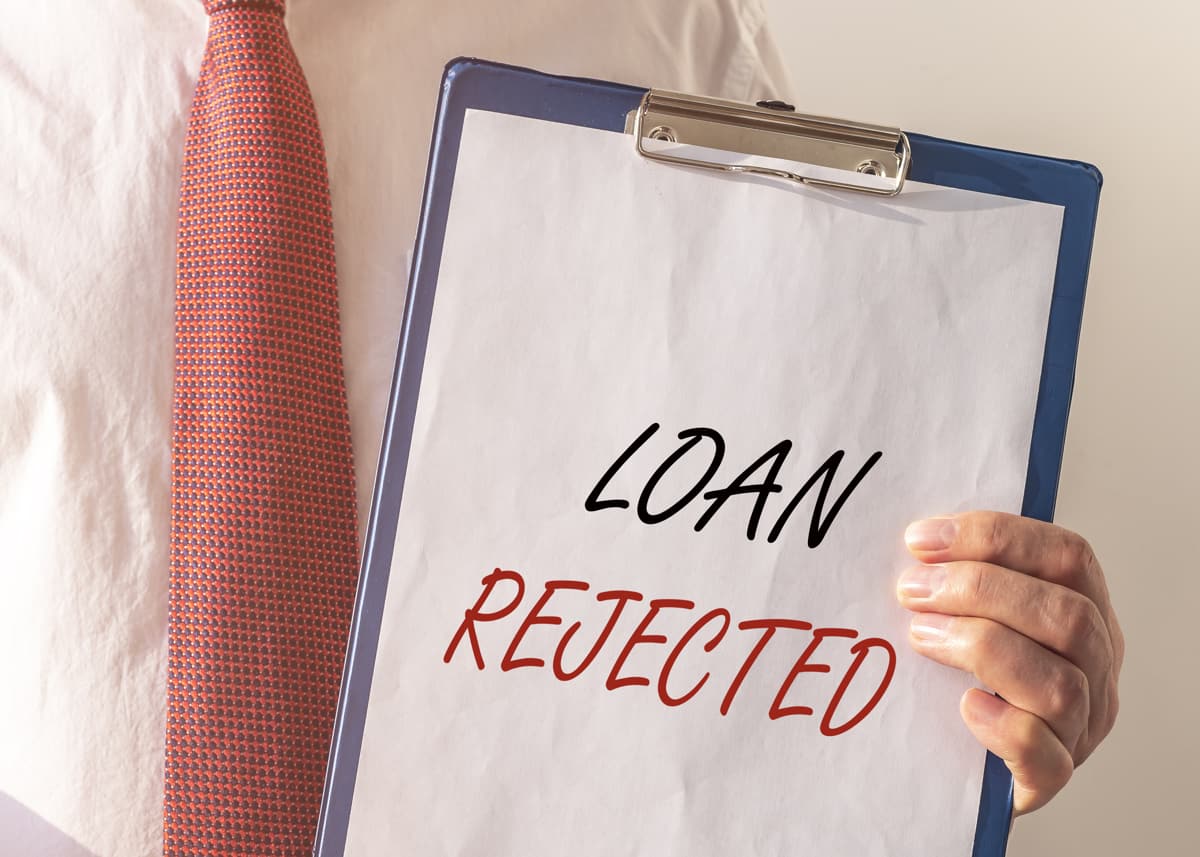
There are few financial setbacks as frustrating and demoralizing as receiving a debt consolidation loan (DCL) denial. You've recognized the need to take control, planned to simplify your high-interest debts, and submitted your application with hope, only to be rejected. It feels like the door to financial relief has been slammed shut, leaving you right back where you started—or perhaps even feeling worse. It’s completely understandable to feel stressed, disappointed, and even angry when you receive that unfavorable letter.
But take a deep breath. A denial letter is not a final verdict; it is simply a data point that requires a professional diagnosis. For South Asian individuals navigating the complexities of the US financial system, loan denials can sometimes feel compounded by factors like limited local credit history, specific visa statuses, or unfamiliarity with US lending benchmarks. You deserve an expert guide to help you understand this setback.
What exactly is a Debt Consolidation Loan? In simple terms, it's a new, single loan designed to pay off multiple smaller debts—such as credit cards, medical bills, or personal loans—often resulting in a lower interest rate, a single monthly payment, and a fixed repayment term.1 The purpose is to make your debt manageable and cheaper.
As a financial management expert, I want to immediately validate your distress and assure you that there is a clear, proven path forward. This comprehensive guide will transform that confusing denial into a detailed action plan. We will move beyond vague reasons and dive into the six most common, specific reasons lenders say "no." More importantly, we will provide you with a strategic, three-step action plan to fix these issues and significantly boost your chances of reapplication success. Don't let the denial define your future—let's uncover the fix and get you on the path to approval.
The Crucial Difference: Why DCLs Are Under High Lender Scrutiny
Debt Consolidation Loans (DCLs) face high lender scrutiny because they often signal a borrower is under significant prior financial strain. Unlike a simple personal loan for a planned expense, a DCL is specifically sought to roll multiple existing unsecured debts (like credit card balances or medical bills) into a single new loan.1 This underlying reason inherently makes the borrower appear riskier to lenders.
Higher Risk Profile for Lenders
A lender assesses a DCL applicant differently because the loan's purpose is to pay off obligations the borrower previously struggled to manage. This raises two critical questions that drive the lender's decision:
Is the borrower a better risk now? The lender must determine if the applicant has addressed the underlying behaviors or circumstances that led to the initial accumulation of unsecured debt.
Does the borrower have the capacity to repay the consolidated amount? While the new single payment might be lower, the principal amount is often higher than any single prior debt, and the loan term might be extended. The lender needs assurance that the current income can comfortably service this new, larger obligation.
Key Financial Health Metrics
To answer these questions and mitigate their risk, lenders heavily prioritize two key financial health metrics:
FICO Score (Credit Score): A high FICO score demonstrates a historical commitment to on-time payments and responsible credit use.2 For a DCL, a lender wants to see that the score hasn't plummeted due to the debt being consolidated.
Debt-to-Income Ratio (DTI): The DTI ratio compares the borrower's total monthly debt payments (including the new DCL payment) to their gross monthly income. Lenders use a low DTI to confirm the borrower has sufficient capacity to repay the new consolidated debt without strain.4 A high DTI indicates limited ability to handle the new payment, increasing the likelihood of default.
The 6 Core Reasons Your Debt Consolidation Loan Was Denied: Diagnosis from an Expert
A Debt Consolidation Loan (DCL) is a high-stakes product for lenders, as it involves taking on a borrower who is already experiencing financial strain. A denial isn't arbitrary; it stems from a careful risk assessment using established financial metrics. Here are the six core reasons your application was likely rejected, broken down by an expert.
Reason 1: Your FICO Score is Too Low
Your FICO Score is the single most important indicator of your historical ability to manage debt responsibly. It serves as a predictor of future repayment behavior.
The Threshold: For an unsecured DCL, most prime lenders seek a score of 670 or higher, placing you in the "Good" or "Very Good" category. Scores below this range (e.g., 600–660, or "Fair") significantly increase the lender's risk of default, making them hesitant to extend a large, unsecured loan.
Why this matters: Lenders analyze your score components, prioritizing payment punctuality and the length of your credit history. Recent late payments or a history that is only a few years long suggests volatility or insufficient evidence of long-term reliability. A low score tells the lender that your past behavior makes the prospect of consolidating existing defaulted or struggling debt too risky.
Reason 2: Your Debt-to-Income (DTI) Ratio is Sky-High
The Debt-to-Income (DTI) ratio is a critical, mandated metric that measures your ability to service all your monthly debts relative to your gross monthly income.1
The Calculation: DTI is calculated as:
DT} = {Total Monthly Debt Payments (including the proposed DCL payment)} / {Gross Monthly Income}
The Benchmark: For DCLs and other personal loans, lenders ideally want to see a DTI below 36%. If your ratio is higher—say, 40% or even 50%—it signals that too much of your income is already committed to existing obligations, leaving little financial buffer to handle the new loan payment, should any financial setback occur.
Why this matters: Even if your FICO score is decent, a high DTI indicates a fundamental capacity problem. It shows the lender that you are financially stretched thin. Consolidating debt may lower your interest rates, but if your DTI is too high, the lender concludes that you are unlikely to be able to sustainably manage the total debt load.
Reason 3: Recent High-Risk Activity on Your Credit Report
Lenders examine the velocity of changes on your credit report, not just the static score. Recent, high-risk activity can cause a denial even if your score is acceptable.
Hard Inquiries: Multiple hard inquiries within a short period (e.g., several loan applications within 30–90 days) can be interpreted negatively.2 This activity signals financial desperation to the lender, suggesting you are being rejected elsewhere or scrambling to secure funds, which is a major red flag.
New Credit Accounts: Opening new lines of credit (like a new credit card) just before or during the DCL application process is detrimental. This lowers the average age of accounts on your file and suggests you are taking on more debt while simultaneously seeking to consolidate existing debt, creating an unacceptable contradiction in your financial behavior.
Why this matters: This activity shows a lender that you are engaging in financial behavior that increases your overall credit risk and may be trying to beat the system before an impending financial crisis is recorded on your file.
Reason 4: You Applied for Too Much Money Relative to Your Income
Lenders have internal caps on the amount they will lend based on a multiplier of your verifiable annual income, regardless of your DTI ratio.
The Risk Profile: If you request a loan amount that is a high percentage of your income (e.g., asking for a $50,000 loan on a $60,000 salary), the lender views the repayment risk as too high. This is because a default on such a large amount would result in a substantial loss for them.
The Counter-Offer: Often, a lender may counter-offer a lower principal amount (e.g., offering $30,000 instead of $50,000) that they deem safely within your repayment capabilities. If the denial was outright, it means the requested amount, combined with your current profile, created an utterly unacceptable risk that they were unwilling to even partially finance.
Why this matters: This decision is a simple calculation of potential loss versus potential return. The lender must ensure the loan amount is reasonable in the context of your income, providing them with a margin of safety.
Reason 5: Incomplete, Unverifiable, or Inconsistent Application Information
Lending is heavily reliant on verification. If a lender cannot definitively prove your income and stability, they must deny the loan.
Documentation Complexity: This is particularly relevant for individuals with complex income profiles, such as recent immigrants, self-employed individuals, or those with international income sources. Lenders require spotless, easily verifiable documentation. This means:
W-2s and Tax Returns: They must match precisely.
Bank Statements: They must be current and clearly show direct deposit income. Large, unexplained transfers or inconsistent deposit amounts are red flags.
Inconsistency Issues: Any discrepancy between the income or employment stated on the application and the official documents—or errors in the documents themselves (e.g., wrong address, missing dates)—leads to an automatic denial.
Why this matters: Lenders operate under strict regulatory and internal risk guidelines. If the source and stability of the income used to calculate the DTI cannot be 100% verified, the entire risk assessment is compromised, forcing a denial.
Reason 6: Insufficient Credit History or Mix
Even if you have no current debt and a perfect payment record, a thin or one-dimensional credit file can result in a denial, especially for large DCLs.
Thin File: This is a common issue for younger individuals or recent immigrants who haven't had the time to establish a long, rich credit file. A lender simply has too little data to confidently predict how you will manage a large, multi-year installment loan.
Lack of Credit Mix: Lenders like to see a diverse credit mix, demonstrating your ability to manage different types of debt:
Revolving Credit: (e.g., credit cards)
Installment Loans: (e.g., auto loans, mortgages, student loans)
Why this matters: A lender for a DCL is extending an installment loan. If your history only contains a single credit card, you haven't proven you can manage the discipline of fixed monthly payments over a long term. The lack of history makes you an unknown variable, which lenders prefer to avoid.
Your 3-Step Action Plan to Overcome a Debt Denial and Secure a Loan
Receiving a debt consolidation loan denial can be discouraging, but it's not the final answer. It is a diagnosis of specific financial weaknesses that you can systematically address. This professional, 3-step action plan is designed to tackle the core reasons for denial (FICO, DTI, and risk) and position you for successful reapplication.
Step 1: The Audit and The Clean-Up
Your first step must be a meticulous review of the data the lender used to assess your application. This is your financial foundation, and any errors must be corrected immediately.
Action: Pull Your Full Credit Reports
Obtain your full credit report from all three major bureaus: Experian, Equifax, and TransUnion. Do not rely on simple credit monitoring scores; you need the detailed reports. Review every single account and line item.
Critical Fix: Dispute All Errors
Scrutinize the reports for any inaccuracies, no matter how small. Common errors include:
Incorrect payment dates or status (e.g., reporting a payment as 30 days late when it was on time).
Accounts that are not yours (identity theft).
Incorrect loan balances or credit limits (which directly impacts your utilization).
Outdated or duplicate negative information.
Immediately dispute all errors with the reporting bureau. Errors can artificially inflate your debt and ruin your payment history, negatively impacting your FICO Score and Debt-to-Income (DTI) ratio.
Recalculate Your Actual DTI
Using your verified gross monthly income and the correct monthly payments for all debts (including the proposed DCL payment if you get a lower rate), recalculate your DTI ratio. This gives you a clear, objective baseline for the necessary improvements in Step 2.
Step 2: Strategic Credit Improvement and Risk Reduction
This phase involves making targeted, high-impact changes to your credit file that quickly improve the metrics lenders prioritize.
The Quick Win: Optimize Credit Utilization
Your credit utilization ratio (the amount of credit you are using divided by the total credit available) accounts for nearly a third of your FICO score. This is the fastest way to boost your score:
Pay Down Balances: Focus on bringing your credit card balances down dramatically. While a utilization ratio below 30% is acceptable, an aggressive goal of 10% or lower is ideal for securing the best DCL rates.
The Revolving Effect: As soon as your credit card issuers report the lower balances to the bureaus, your FICO score will likely jump, directly combating Reason 1 (Low FICO Score).
The Wait: Mitigate Hard Inquiry Impact
If your denial was due to Reason 3 (Recent High-Risk Activity/Hard Inquiries), you must exercise patience. Each hard inquiry can ding your score slightly and signal desperation.
Wait 3–6 Months: Before reapplying, wait this period to allow the inquiries to drop in impact. Do not apply for any other credit during this time. This demonstrates to lenders that you have stabilized your financial search.
Co-Signer Consideration (A Calculated Risk)
If your primary issue is Reason 6 (Insufficient US Credit History or Mix), consider a co-signer.
Responsibility is Key: The co-signer must have an excellent credit profile (high FICO, low DTI). Crucially, a co-signer takes on full legal responsibility for the loan. This is an option that should only be pursued with a trusted, financially responsible family member who understands the gravity of the commitment. Their credit history immediately mitigates the lender's risk exposure.
Step 3: Explore Alternative and Target-Specific Lending Pathways
Major national banks often use automated systems that adhere to rigid FICO and DTI cutoffs, leading to denials for complex profiles. Step 3 focuses on finding lenders that use a more holistic, relationship-based approach.
Community Banking: Target Credit Unions
Relationship-Based Lending: Credit Unions (CUs) are member-owned, non-profit institutions. They often place a greater value on the applicant's overall relationship with the CU (e.g., savings history, current checking accounts) rather than relying solely on a slightly low FICO score.
Advantage for Complex Files: If you are a recent immigrant, self-employed, or have other complex verification documents (Reason 5), a local CU loan officer may manually review your file, giving greater weight to alternative proof of income or stability.
Secured DCLs: Reduce Lender Risk
If you have assets, consider using them to secure the loan, which directly combats Reason 6 and the general high-risk nature of DCLs.
Asset Options: A secured loan could use a Certificate of Deposit (CD) or, sometimes, the equity in a fully paid-off vehicle as collateral.
Benefit: By securing the loan, you drastically reduce the lender's risk, often qualifying you for a lower interest rate or a higher principal amount than you would get with an unsecured loan.
Piecemeal Approach: Reduce the Requested Amount
If your denial was primarily due to the sheer size of the loan (Reason 4), adjust your consolidation strategy.
Partial Consolidation: Instead of trying to consolidate 100% of your debt, aim to consolidate only the most expensive, highest-interest debts (e.g., 50–70%). This reduces the Requested Loan Amount, making it fall within the lender's acceptable income multiplier guidelines, and still provides significant savings on interest payments. This allows you to secure a smaller loan now and consolidate the remaining debt later, after you've proven repayment reliability.
Beyond Debt Consolidation: Tailored Financial Management for South Asian Americans
The financial landscape for South Asian Americans often includes unique dynamics that are not captured by standard lending models. Expert guidance must acknowledge these factors—such as strong family support, cultural norms regarding debt, and the practice of remitting funds—to provide truly effective solutions. This tailored approach elevates the content from generic advice to highly relevant, practical guidance.
Understanding the Role of Family Finance and Privacy
In many South Asian cultures, financial well-being is often a communal affair, where family consultation is expected, and privacy regarding debt can be a significant cultural norm. Individuals may hesitate to disclose financial struggles, yet simultaneously have access to strong family support networks.
Navigating Family Assistance: Before resorting to high-cost alternatives (like certain high-interest personal loans or extreme measures), a conversation with trusted family members could reveal opportunities for a zero-interest or low-interest loan from within the family unit. This can provide an immediate, inexpensive solution while maintaining financial dignity.
Establishing Financial Independence: Simultaneously, it is crucial to establish independent US credit history. While family support is valuable, relying solely on it can hinder your long-term access to major financial products (mortgages, car loans). Personal financial literacy and the ability to manage debt independently are essential for building a robust credit profile necessary for future financial goals.
Building "Invisible" Credit: Rent, Utility, and Alternative Data
A significant barrier for recent immigrants and younger South Asian Americans is a thin or short credit history (Reason 6 for denial). Even with a flawless record of paying rent and utilities, these payments traditionally do not report to the major credit bureaus. This gap is known as "invisible" credit.
Leveraging Alternative Data: To quickly address this, individuals can utilize third-party services that report on-time payments for things you are already paying for:
Rent Payment Reporting: Services like Rent Reporters or Experian Boost (for certain bills) can take your monthly rental payments and report them to the major credit bureaus. This immediately adds significant, positive payment history to a thin file.
Utility and Subscription Reporting: Many services now allow you to connect your bank accounts to report on-time payments for utilities (gas, electric, water) and even streaming subscriptions.
The Impact: By transforming these regular, responsible payments into documented credit history, you can rapidly build a track record, boosting your FICO score and making your file less "thin" in the eyes of a lender, thereby mitigating the risk associated with insufficient credit history.
Conclusion: Moving From Denial to Financial Freedom
A debt consolidation loan denial is not a final verdict on your financial future; it is merely a data point highlighting specific areas for improvement. The key takeaway is that successful lending relies on verifiable risk metrics—your FICO score, your DTI ratio, and the stability of your income. By treating the denial as a clear diagnosis, you can implement a focused strategy.
Begin with the rigorous audit and clean-up of your credit report, then execute strategic improvements like lowering credit utilization. Finally, explore alternative pathways, such as local Credit Unions or a secured loan, to increase your approval odds upon reapplication. Diligence in these steps transforms your profile from a high risk to an acceptable one.
Important Disclaimer: While this guide provides expert, actionable steps, if your debt load feels overwhelming, we strongly advise consulting with a certified financial planner or a reputable non-profit credit counseling agency. This information is intended for educational purposes only and should not replace professional financial advice.
Ready to Get Started?
Get a free consultation with a certified debt consultant to see if debt settlement is right for you.
Get Free ConsultationAbout the Author
Bhupinder Bajwa
Bhupinder Bajwa is a Certified Debt Specialist and Financial Counselor with over 10 years of experience helping families overcome financial challenges. Having worked extensively with the South Asian community in the U.S., he understands the cultural nuances and unique financial hurdles they may face. He is passionate about offering clear, compassionate, and actionable guidance to help individuals and families achieve their goal of becoming debt-free.
Related Articles
7 Ways To Get Out Of Business Debt
11 min read
What Debts Can Be Included in Debt Relief?
13 min read
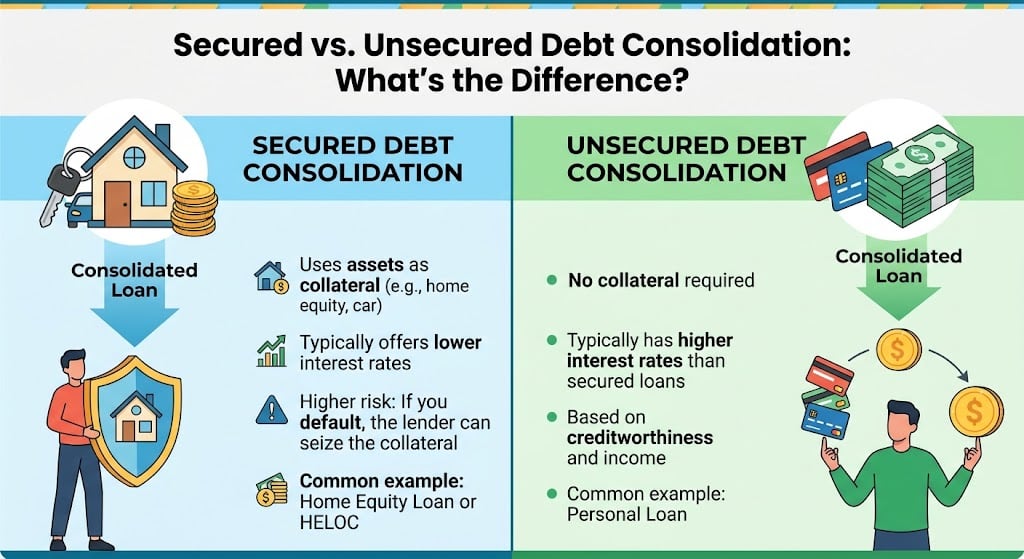
Secured vs Unsecured Debt Consolidation: What's the Difference?
8 min read
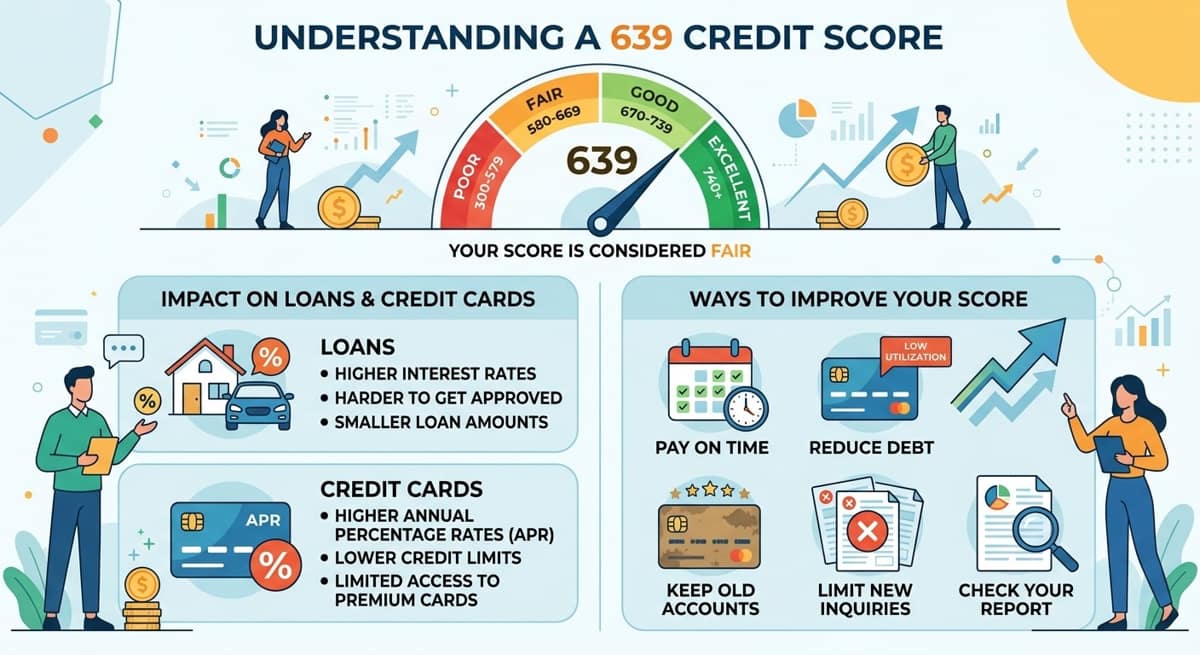
Is 639 A Good Credit Score? How It Affects Loans, Credit Cards And Ways To Improve It
12 min read
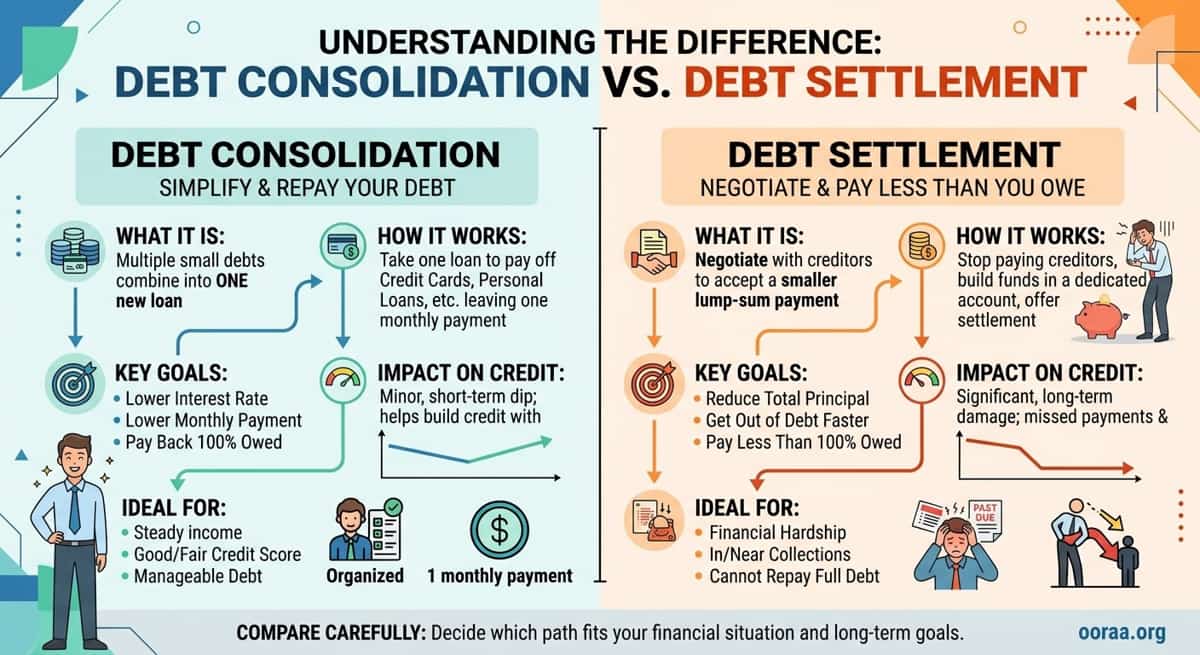
What’s The Difference Between Debt Consolidation And Debt Settlement?
12 min read
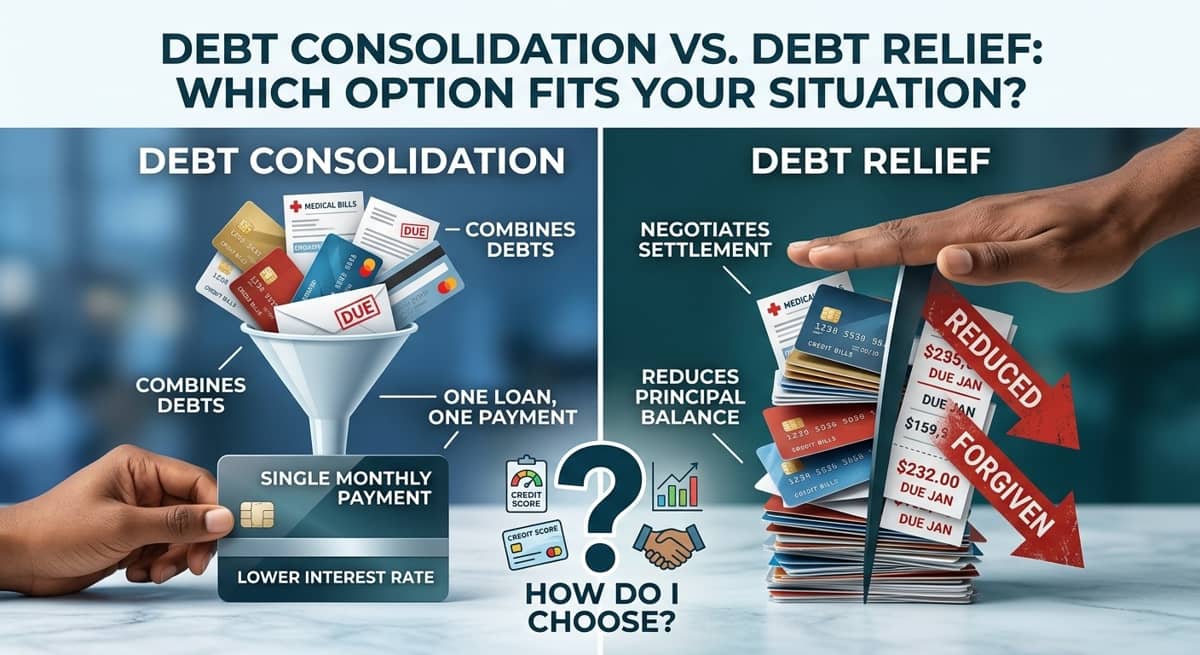
Debt Consolidation vs. Debt Relief: Which Option Fits Your Situation?
10 min read
Get Your Free Consultation
Speak with a certified debt consultant to explore your options.
Start NowNo obligation • Free consultation