Chapter 7 Means Test Calculator 2026: Pass Or Fail In 90 Seconds

Facing significant financial burden in the US can feel overwhelming, especially when navigating complex legal systems like Chapter 7 bankruptcy. If you are a member of the South Asian community in America, you may also be contending with unique financial pressures—from navigating familial obligations like remittances to dealing with cultural expectations around debt and wealth management. The anxiety surrounding debt is real, and the need for clear, trustworthy solutions is paramount.
I am here as a professional financial management expert, dedicated to helping individuals like you understand and secure effective debt relief. This isn't just theory; it's about providing the practical expertise needed to navigate the American legal and financial landscape successfully.
The centerpiece of any Chapter 7 filing is the Means Test. It is the critical gatekeeper that determines your eligibility for this powerful form of debt elimination. Getting this calculation wrong can cost you thousands of dollars, delay your relief, or push you into a less desirable Chapter 13 repayment plan.
This guide will demystify the Chapter 7 Means Test for 2026. Forget the confusing jargon and conflicting advice. We will break down the precise rules and calculations needed to determine, in minutes, whether you are likely to pass or fail. Our goal is to empower you with the correct knowledge and a clear, step-by-step path to achieving the fresh financial start you deserve in the United States. Let's find your solution.
The 90-Second Verdict: What the Calculator Can and Cannot Do
The allure of a "90-second" answer to your financial future is strong, but it's crucial to approach online Means Test calculators with caution. While these tools provide a quick, preliminary screening, they are not a legal verdict. Think of them as a useful shortcut, not the final destination.
The actual legal process involves submitting detailed financial information to the court on Official Form 122A. This form requires precise calculations and documentation that a simple online tool cannot verify. Relying solely on an online estimate can lead to costly errors in your official bankruptcy filing.
Step 1: The Preliminary Test—Below the Median Income
The easiest and quickest path to passing the Means Test is demonstrating that your family's average income is below your state's median income limit for your household size.1
This first step is often called the Preliminary Test. You calculate your Current Monthly Income (CMI) by averaging your total income over the six months leading up to your filing. You then compare this CMI to the official median income figure published by the U.S. Census Bureau for your state.
If your CMI is below the relevant median income limit, congratulations—you receive a "Fast Pass" and automatically qualify to file Chapter 7. You do not need to proceed to the complex second stage.
Step 2: The Full Means Test (Disposable Income Calculation)
If your CMI is above your state’s median income limit, the 90-second calculator ends, and the full, complex Means Test begins.
This second stage is a meticulous calculation of your disposable income. The court allows you to deduct specific, legally defined qualified expenses from your income, such as certain housing costs, taxes, and medical expenses. If your resulting disposable income falls below a specific statutory threshold, you pass the test. This step is highly nuanced and is where expert legal and financial guidance becomes essential.
Deep Dive into the Chapter 7 Means Test Rules for 2026
If your initial income check indicates your family income is above the state median, you must proceed to the full, rigorous Means Test Calculation (Official Form 122A-2). This phase is designed to objectively determine if you have enough disposable income to repay your debts. Understanding the precise rules for calculating income and deducting expenses is crucial to passing this stage.
Defining "Current Monthly Income" (CMI)
The starting point for the Means Test is your Current Monthly Income (CMI). This is not just your current paycheck; it is the average monthly gross income you received from nearly all sources during the six full calendar months immediately preceding the month you file for bankruptcy. This is known as the 6-month look-back period.
To calculate your CMI, you take the total income received over those six months and divide it by six. It is important to use the gross amount (before taxes and deductions), and it must include income from:
Wages, salary, tips, bonuses, and commissions.
Net income from any business or rental property you own.
Alimony or spousal support received.
Regular contributions from any person (even a non-filing spouse, roommate, or family member) that are used for household expenses.
Unemployment benefits, pensions, and retirement income.
Crucially, some income is legally excluded from the CMI calculation, most notably payments received under the Social Security Act (including Social Security Retirement, SSI, and SSDI). Other specific exclusions include certain veterans' benefits and payments to victims of war crimes.
Determining the Median Income Threshold for Your State
The comparison threshold for the Means Test is the median income limit for your state. These limits are not arbitrary; they are derived from data provided by the U.S. Census Bureau and are adjusted twice a year by the U.S. Trustee Program (part of the Department of Justice).
For 2026, these limits will be updated to reflect the latest economic data. It is vital to use the most up-to-date figures corresponding to your specific filing date. The threshold depends on two factors:
Your State of Residence: Median incomes vary widely across the U.S. (e.g., California has a much higher median than Mississippi).
Your Household Size: The limit increases significantly for each person in your household, ensuring the test is fair for larger families.
You must always reference the official U.S. Trustee Program website for the accurate median family income data that applies to your specific state, household size, and filing window. Using outdated or unofficial figures is a major source of error and can lead to a mistaken Presumption of Abuse (the court's determination that you can afford to repay your debt).
When Allowable Expenses Save Your Case
If your CMI is above the state median, the Means Test allows you to deduct a specific set of allowable expenses to prove you have zero or minimal disposable income left over for creditors. This is where strategic, expert calculation is essential.
These expenses are primarily based on the IRS National Standards for core living expenses (like food and clothing) and the IRS Local Standards for housing, utilities, and transportation, which vary by county and metropolitan area. These are often standardized amounts that you may claim regardless of your actual spending, which can be beneficial.
Beyond these standards, you can deduct actual and necessary expenses, including:
Secured Debt Payments: Payments on loans for items you intend to keep (e.g., mortgage, car loan).
Health and Term Life Insurance Premiums.
Court-Ordered Payments: Alimony or child support.
Involuntary Deductions: Mandatory union dues or retirement contributions from your paycheck.
By accurately deducting these items, you legally reduce your calculated disposable income. If the resulting disposable income falls below a statutory dollar figure (or if it's too low to pay a certain percentage of your unsecured debt), you pass the Means Test and can proceed with Chapter 7.
Addressing the South Asian American Financial Context
The decision to file for bankruptcy is often complicated by family and cultural factors, particularly within the South Asian American community. Financial matters are frequently intertwined with familial obligations, making the straight application of US bankruptcy law confusing. Successfully navigating the Means Test requires acknowledging these cultural realities and reporting them accurately.
Navigating International Remittances and Financial Support
For many South Asian Americans, sending funds abroad—known as remittances—is a regular and essential obligation. When completing the Means Test, you must clearly distinguish between money you send and money you receive.
Money Sent (Remittances Out): If you are consistently sending money to support immediate family overseas, this can potentially be categorized as a necessary and reasonable allowable expense on the Means Test forms. However, this must be justifiable and reported accurately. It is critical to retain detailed records of all transfers (bank statements, transfer receipts) to substantiate this expense to the court.
Money Received (Gifts In): If you received funds from family overseas (e.g., from parents) in the six months prior to filing, these are generally considered gifts and are not counted as income for the Means Test. Gifts are usually non-taxable and are not part of your Current Monthly Income (CMI) calculation. However, if the court views these gifts as regular, ongoing financial support meant to cover household expenses, they might be considered income. Transparency and proper documentation are vital to avoid complications.
Joint Assets and Familial Obligations in the US Legal System
Financial boundaries within South Asian families are often blurred, leading to complex issues involving joint bank accounts, shared ownership of property, and familial loans. The US bankruptcy system treats all assets of the debtor as potentially available to creditors, making clarity essential.
Joint Accounts: If you share a bank account with a non-filing family member (like a parent or spouse), the entire balance may be presumed by the Trustee to be your property, unless you can clearly document which funds belong to the other person.
Property and Investments: Assets held in common, such as investments or property back home, must be disclosed. It is vital to understand the difference between exempt property (assets you can legally keep in Chapter 7, like retirement funds or a certain amount of equity in your home) and non-exempt property (assets the Trustee can liquidate). The concept of familial debt—informal loans between family members—must also be handled carefully. Such debts can sometimes be legally structured and included in the filing, but attempting to repay them preferentially before filing can be seen as fraudulent.
Overcoming the Stigma of Debt and Seeking Help
In many South Asian cultures, carrying debt can be associated with shame or a perceived failure to uphold family honor. This cultural perspective can create significant resistance to pursuing necessary legal relief like Chapter 7. It’s essential to remember that Chapter 7 bankruptcy is a legal tool provided by the US government to help honest, financially struggling people achieve a fresh start.1 Utilizing this system is not a sign of failure; it is an act of courageous financial responsibility that secures your family's future in the US. Seek the help of a professional who understands both the legal requirements and your cultural context.
The Consequences of Errors and the Critical Need for Expertise
The Means Test sits at the intersection of your financial life and the US legal system. Because of the high stakes—your money and your future—it is classified as a critical area, meaning mistakes or misrepresentations can carry severe legal and financial consequences. Filing inaccurate information, even unintentionally, can lead to the court dismissing your case or, in rare instances, even charges of bankruptcy fraud if deliberate concealment is suspected. Transparency and precision are non-negotiable.
The Penalty of Failure: Conversion to Chapter 13
If the Means Test results in a Presumption of Abuse (meaning the court believes you can afford to repay your debt), it does not mean that debt relief is impossible, but it does mean Chapter 7 is off the table. The most common consequence is the court or the U.S. Trustee filing a motion to dismiss your case or requesting conversion to Chapter 13.
Chapter 13 bankruptcy is a court-supervised reorganization that allows debtors with regular income to keep their assets while repaying a portion of their debts over a 3-to-5-year period.1 While Chapter 13 provides a powerful remedy for preventing foreclosure or repossession, it lacks the speed and comprehensive debt discharge of Chapter 7. Therefore, failing the Means Test simply steers you toward a repayment plan rather than outright liquidation.
The Critical Role of an Experienced Bankruptcy Attorney
The complexity of the Means Test underscores why the involvement of a qualified professional is essential. An experienced bankruptcy attorney ensures the correct application of the law, which is often the difference between passing and failing.3 They provide expertise in:
Accurate CMI Calculation: Ensuring only eligible income is included in the 6-month look-back period.
Maximizing Deductions: Identifying and correctly claiming all allowable expenses, including specific local IRS standards and necessary actual expenses often overlooked by debtors.
Asset Protection: Guiding you through state and federal exempt property laws to ensure you retain as many of your assets (like your home equity and retirement funds) as legally possible.
Attempting to file such complex forms alone to save on fees often results in greater financial loss down the line.
When to Bypass the Means Test Entirely: Non-Consumer Debt
There is a significant exception to the Means Test that many debtors overlook: the non-consumer debt exception.4 The Means Test only applies to individuals whose debts are primarily consumer debts (debts incurred for personal, family, or household purposes, like mortgages, car loans, and credit cards).
If the dollar amount of your debt is primarily classified as non-consumer debt (such as business debts, business-related personal guarantees, or certain tax liabilities), you are exempt from taking the Means Test entirely.6 If your financial hardship stems from a failed business venture, for example, you can often proceed directly to Chapter 7 liquidation, regardless of your household income.
Failed Chapter 7? Your Debt Relief Alternatives
If you have carefully completed the Means Test for 2026 and confirmed that you do not qualify for Chapter 7, all is not lost. The US legal and financial system provides several powerful alternatives that can still help you achieve substantial debt relief and a manageable financial future. It is crucial to pivot quickly and develop a new, actionable strategy.
Chapter 13: The Reorganization Plan
For many individuals who fail the Chapter 7 Means Test due to having sufficient income, Chapter 13 bankruptcy becomes the next viable legal solution.1 Known as "reorganization bankruptcy," Chapter 13 involves creating a court-approved repayment plan to pay back all or a portion of your debts over three to five years.
The key benefits of Chapter 13 are:
Asset Protection: You get to keep your non-exempt assets, as liquidation is not required.
Stopping Foreclosure/Repossession: It allows you to catch up on missed mortgage or car payments through the repayment plan.
Discharge of Remaining Debt: At the end of the 3-to-5-year term, any remaining unsecured debt is discharged, just as in Chapter 7.
This option requires a commitment to a strict budget but offers powerful debt relief while keeping your major assets secure.
Non-Bankruptcy Options for Debt Consolidation
If bankruptcy is not the right fit—either because you want to avoid a formal court filing or your debt is manageable without it—consider non-bankruptcy debt relief strategies:
Debt Management Plans (DMPs): Offered by non-profit credit counseling agencies, a DMP consolidates all your unsecured debts (like credit cards) into a single monthly payment.6 The agency negotiates with creditors to lower interest rates and waive fees, aiming to pay off the debt fully, usually within three to five years.
Debt Consolidation Loans: If you have good credit you may qualify for a personal loan with a low, fixed interest rate.7 You use this single loan to pay off all high-interest debts, leaving you with one simpler monthly payment.
Debt Settlement: This involves negotiating with creditors (often through a third-party company) to pay a lump sum that is less than the total amount owed.9 While it can reduce the debt amount, it often damages your credit score significantly and may result in taxable income.
Conclusion: Take the Next Step with Confidence
Understanding the Chapter 7 Means Test for 2026 is the crucial first step on your journey toward financial freedom. Whether the preliminary calculator suggests a pass or points toward the complexity of the full test, you now have the foundational knowledge needed to proceed confidently. Remember, securing debt relief is not about navigating a simple pass/fail quiz; it’s about strategically utilizing the legal tools available to you.
The most powerful step you can take now is consulting a local US-based bankruptcy attorney. A qualified professional can perform a meticulous review of your financial documentation, maximize your allowable expenses, and ensure you correctly utilize all applicable exemptions, thus optimizing your chances of a successful Chapter 7 discharge. Don't face this critical process alone. Take action now and secure your fresh financial start
Ready to Get Started?
Get a free consultation with a certified debt consultant to see if debt settlement is right for you.
Get Free ConsultationAbout the Author
Bhupinder Bajwa
Bhupinder Bajwa is a Certified Debt Specialist and Financial Counselor with over 10 years of experience helping families overcome financial challenges. Having worked extensively with the South Asian community in the U.S., he understands the cultural nuances and unique financial hurdles they may face. He is passionate about offering clear, compassionate, and actionable guidance to help individuals and families achieve their goal of becoming debt-free.
Related Articles

The Ultimate Guide To Side Hustles To Pay Off Debt
12 min read
4 Reasons Why Filing for Bankruptcy Should Be Your Last Option
10 min read
10 Reasons Why You Should Pay Off Debt
9 min read
7 Ways To Get Out Of Business Debt
11 min read
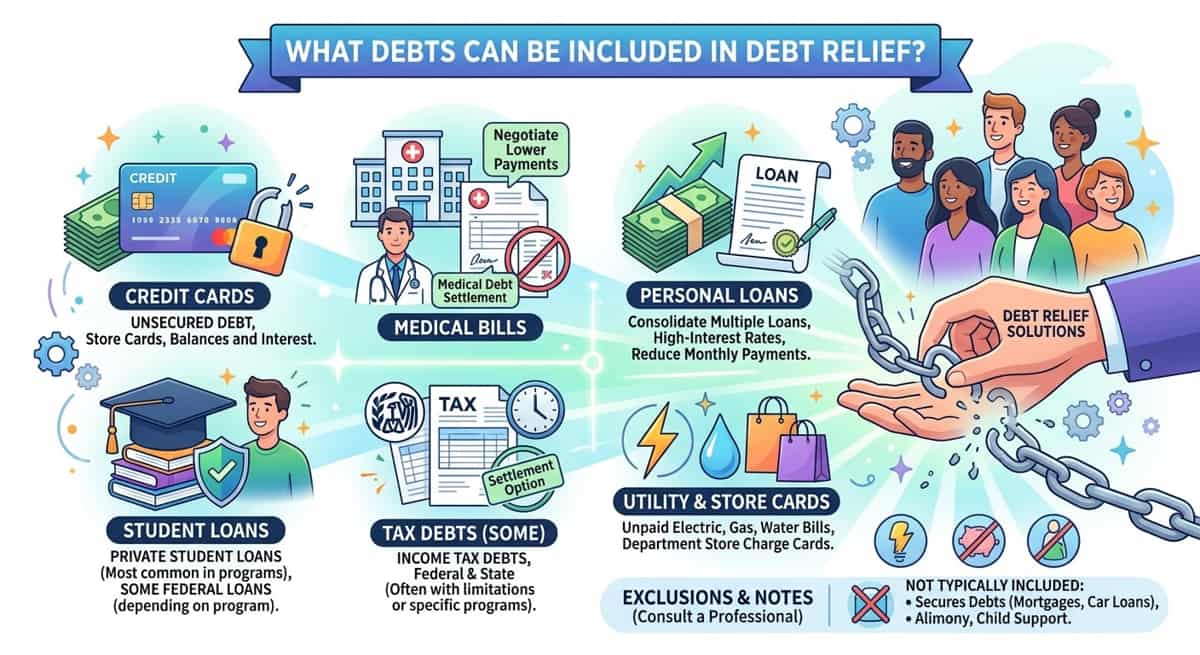
What Debts Can Be Included in Debt Relief?
13 min read
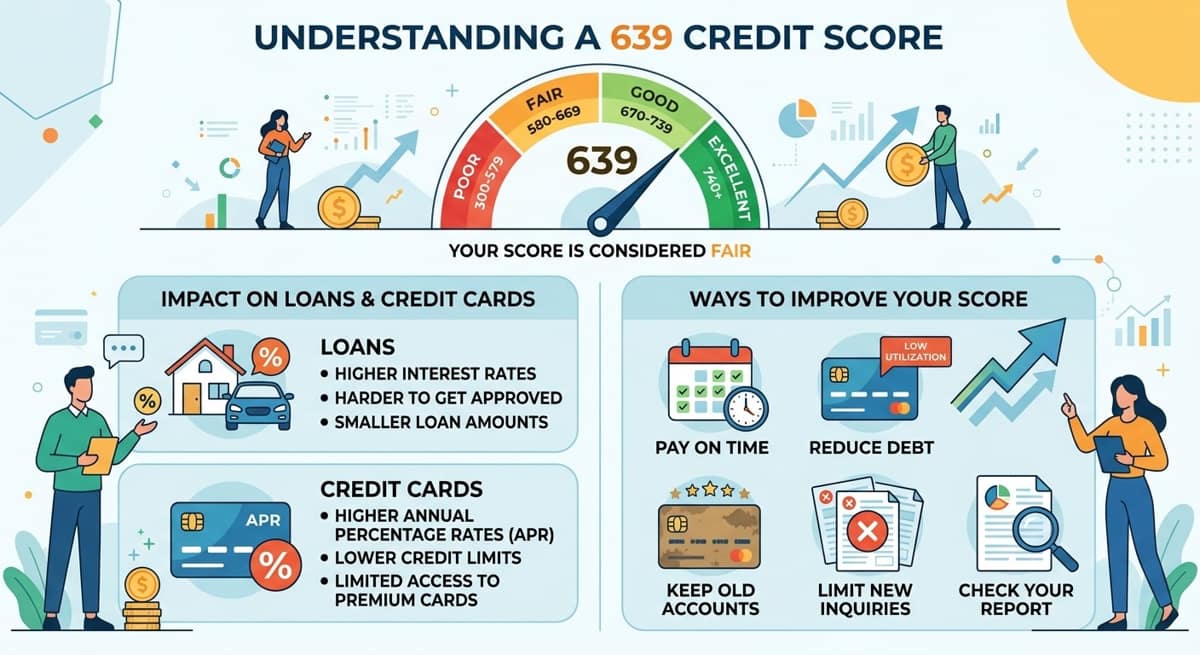
Is 639 A Good Credit Score? How It Affects Loans, Credit Cards And Ways To Improve It
12 min read
Get Your Free Consultation
Speak with a certified debt consultant to explore your options.
Start NowNo obligation • Free consultation