Back to Blog
Debt
Chapter 7 Bankruptcy Explained: What You Need to Know
Bhupinder Bajwa
Author
2025-09-19
11

It’s easy to feel overwhelmed when faced with overwhelming debt. For many, especially within the South Asian community in the USA, discussing financial hardship can feel like a deep personal failure—something to be hidden away due to cultural expectations and the pressure to succeed. This sense of shame and isolation can make a difficult situation feel impossible. But please, know this: you are not alone, and your situation is not a reflection of your worth. In fact, seeking a solution is one of the most responsible and courageous steps you can take toward a better future.
This guide is designed to be a trusted resource, offering a clear and compassionate explanation of Chapter 7 bankruptcy. We understand the specific concerns and questions you may have. We will walk you through the process, demystify the legal jargon, and provide you with the straightforward information you need to make an informed decision with dignity and confidence. Consider this your first step toward regaining control of your financial life and building a future free from the burden of debt.
What is Chapter 7 Bankruptcy? A Simple Explanation
Navigating the world of debt relief can be confusing, but understanding Chapter 7 bankruptcy doesn't have to be. At its core, Chapter 7 is a powerful legal tool designed to give individuals a "fresh start" by eliminating, or "discharging," most types of unsecured debt. Think of it as a financial reset button that can wipe the slate clean of burdens like credit card debt, medical bills, personal loans, and certain unpaid judgments. This process is often referred to as "liquidation" bankruptcy because it involves a court-appointed individual called a bankruptcy trustee. The trustee's job is to review your assets to see if there is any non-exempt property that could be sold to pay off your creditors. This brings up a common and very real fear for many: "Will I lose everything I own?" The answer, in most cases, is no. The law includes generous provisions for "exempt" property, which allows you to protect essential assets. This typically includes your primary home (up to a certain value), a car, household goods, and retirement savings. The vast majority of Chapter 7 cases are "no-asset" cases, meaning all of the filer's property is exempt and nothing is sold. It's also important to distinguish Chapter 7 from other options, like Chapter 13. While Chapter 7 discharges most of your debt outright, Chapter 13 bankruptcy involves creating a three-to-five-year repayment plan to pay back a portion of your debt. For those with significant unsecured debt and limited income, Chapter 7 is often the more direct and effective path to a fresh start.Am I Eligible? The Means Test and Other Requirements
Eligibility is one of the most important questions to answer when considering bankruptcy. A common misconception is that if you have a job and a steady income, you can’t file for Chapter 7. The reality is more nuanced, and your eligibility is determined by a legal screening process known as the "Means Test." This test is designed to ensure that Chapter 7 bankruptcy is a tool for those who genuinely cannot afford to repay their debts, not for those simply trying to avoid them. The Means Test is a two-part process. The first step compares your household's average monthly income over the past six months to the median income for a household of your size in your state. If your income is below this median, you automatically pass the test and are eligible to file for Chapter 7. The specific median income figures are updated regularly and vary significantly from state to state. For example, the median income in a high-cost-of-living state like California will be different from that in a state with a lower cost of living. If your income is higher than your state's median, you are not automatically disqualified. You proceed to the second part of the test, which involves a more detailed calculation. Here, you can deduct a variety of allowed expenses from your income, such as taxes, social security contributions, and necessary living expenses like housing, food, and transportation. The goal is to determine your "disposable income"—the amount of money you have left over each month after paying your essential bills. If your disposable income is low enough, you can still qualify for Chapter 7. This is often the case for individuals with high medical bills or other unavoidable expenses that consume a large portion of their paycheck. Beyond the Means Test, there are other critical eligibility requirements. You must complete a pre-filing credit counseling course from an approved agency within 180 days before you file. Furthermore, you cannot have received a discharge in a previous Chapter 7 bankruptcy case within the last eight years or from a Chapter 13 case within the last six years. These rules are in place to ensure that bankruptcy remains a solution for genuine financial distress, not a recurring strategy. Consulting with a qualified professional is the best way to assess your specific situation and determine your eligibility accurately.The Chapter 7 Process: From Start to Finish
Filing for Chapter 7 bankruptcy can seem daunting, but it's a structured legal process with clear steps. Understanding what to expect can significantly reduce anxiety and help you feel more in control. The entire process, from filing to receiving a discharge, typically takes about 4 to 6 months for a straightforward case.Step 1: The Pre-Filing Credit Counseling Course
The first required step is to complete a credit counseling course from an agency approved by the U.S. Trustee Program. This isn't just a formality; the course is designed to help you analyze your financial situation and explore all your options for debt relief, including alternatives to bankruptcy. You must take this course within 180 days before you file your bankruptcy petition. The course can usually be completed online or by phone, and it often takes just a couple of hours. Once you finish, you'll receive a certificate of completion that you'll need to file with your other bankruptcy paperwork.Step 2: Filing the Petition and Financial Forms
This is the formal start of your case. You and your attorney (if you have one) will prepare and file a comprehensive packet of forms with the local bankruptcy court. This packet, known as your bankruptcy petition, is a detailed snapshot of your financial life. It includes a complete list of your assets (what you own), your liabilities (who you owe), your income, and your expenses. This is where you'll also submit the certificate from your credit counseling course. Once the petition is filed, an automatic stay goes into effect, which legally stops most creditors from taking collection actions against you, like lawsuits, wage garnishments, or harassing phone calls.Step 3: The 341 Meeting of Creditors
This is perhaps the most nerve-wracking part for most filers, but it's usually the easiest step. The 341 meeting, named after the section of the Bankruptcy Code, is a brief, informal meeting held with the bankruptcy trustee assigned to your case. Despite the name "meeting of creditors," it's rare for creditors to actually attend. The purpose of the meeting is for the trustee to verify your identity and ask a series of standard questions under oath to confirm the accuracy of the information in your petition. You'll be asked to bring photo ID and proof of your Social Security number. The meeting typically lasts only about 5 to 10 minutes.Step 4: The Final Discharge and Debtor Education
After your 341 meeting, the trustee may take a few weeks to review your case. This is also when you'll need to complete a second required course, the debtor education or financial management course, which must be completed after you file for bankruptcy. This course is meant to give you the tools to manage your finances successfully in the future. The final step is the discharge order, which is a court document that legally eliminates your qualifying debts. This order is typically issued about 60 to 90 days after your 341 meeting, and once it's granted, you are no longer legally obligated to repay those debts. This marks the successful completion of your bankruptcy case and the beginning of your financial fresh start.What Happens to My Assets? Understanding Exemptions
It’s a natural and important concern to wonder what happens to your hard-earned possessions when you file for bankruptcy. The good news is that Chapter 7 is designed to give you a fresh start, not leave you destitute. The law achieves this through exemptions, which are legal protections that allow you to keep certain property from being sold by the bankruptcy trustee to pay creditors.Common Exempt Assets
A wide range of assets are typically protected by exemptions to ensure you can maintain your livelihood and home. These often include:- Your Home (Homestead Exemption): You can protect a portion of the equity in your primary residence.
- Your Vehicle: A certain amount of equity in one or more vehicles is typically protected, recognizing the need for transportation for work and family.
- Retirement Accounts: Qualified retirement funds, like 401(k)s and IRAs, are usually fully protected. This is a crucial safeguard for your future financial security.
- Household Goods & Personal Items: Most everyday possessions, such as furniture, appliances, clothing, and electronics, are exempt up to a certain value.
- Tools of the Trade: Items you use to earn a living, like a computer, work tools, or professional books, are also protected.
Federal vs. State Exemptions
This is a key detail that highlights the complexity of bankruptcy law. The U.S. Bankruptcy Code provides a set of federal exemptions that are available nationwide. However, many states have "opted out" of the federal system and have their own unique set of state exemptions. Some states, like California, even offer two different sets of exemptions. The specific values and types of property you can exempt vary significantly depending on which system you use. For example, some states have very generous homestead exemptions, while others do not. You must choose either the federal or your state’s exemption system; you cannot mix and match. This decision is critical to your case, as selecting the most beneficial set of exemptions can be the difference between keeping your property and losing it. An experienced professional can help you navigate this choice to protect as many of your assets as possible.Life After Bankruptcy: Rebuilding Your Financial Future
Facing the aftermath of bankruptcy can bring up new questions, particularly about your credit and financial future. While a Chapter 7 bankruptcy will remain on your credit report for up to 10 years, this is not a life sentence for your financial health. In fact, many individuals see their credit scores begin to improve in the years following their discharge. With most of your unsecured debt eliminated, your debt-to-income ratio improves dramatically, which is a major factor in credit scoring. The most important step now is to focus on rebuilding your financial foundation. Start by establishing new positive credit history. A great way to do this is with a secured credit card, where you provide a deposit that acts as your credit limit. By making small purchases and paying the balance in full each month, you can demonstrate responsible financial behavior. Over time, you may also qualify for small personal loans or installment loans. The key is to be disciplined and only take on debt you can comfortably manage. Think of bankruptcy not as an end, but as a reset button—a new opportunity to build a healthier relationship with your money. You have been given a clean slate and the chance to apply the lessons you've learned. With careful planning and consistent, positive financial habits, you can and will rebuild your credit and secure a more stable, prosperous future for yourself and your family.Conclusion
Before you make any decisions, it's crucial to understand that this guide is for informational purposes only and does not constitute legal advice. While we have provided a clear overview of the Chapter 7 bankruptcy process, every individual's financial situation is unique. The complexities of bankruptcy law, including state-specific exemptions and eligibility requirements, demand the attention of a professional.
Your next step toward freedom is not a legal filing but a simple conversation. We invite you to contact a professional who can provide the personalized advice you need. A confidential consultation can help you explore all your debt relief options, determine if Chapter 7 is the right path for you, and guide you through the process with the expertise and empathy you deserve. You don’t have to navigate this alone. Reach out today and take the first step toward a future free from debt.
Ready to Get Started?
Get a free consultation with a certified debt consultant to see if debt settlement is right for you.
Get Free ConsultationAbout the Author
Bhupinder Bajwa
Bhupinder Bajwa is a Certified Debt Specialist and Financial Counselor with over 10 years of experience helping families overcome financial challenges. Having worked extensively with the South Asian community in the U.S., he understands the cultural nuances and unique financial hurdles they may face. He is passionate about offering clear, compassionate, and actionable guidance to help individuals and families achieve their goal of becoming debt-free.
Related Articles
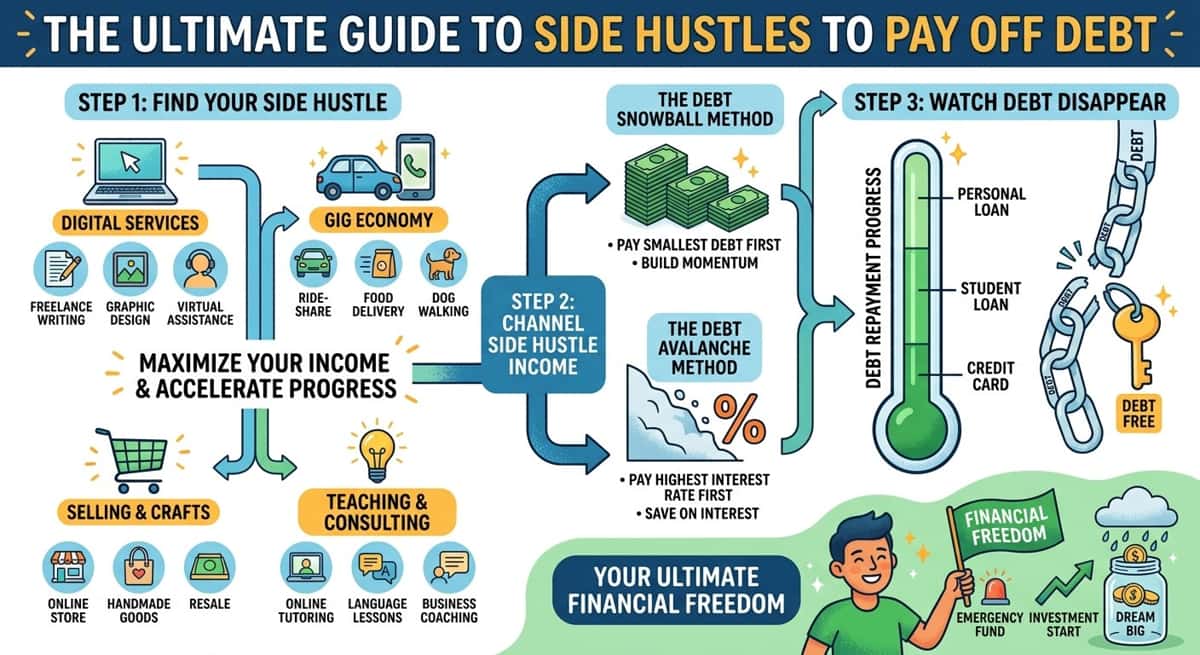
The Ultimate Guide To Side Hustles To Pay Off Debt
12 min read
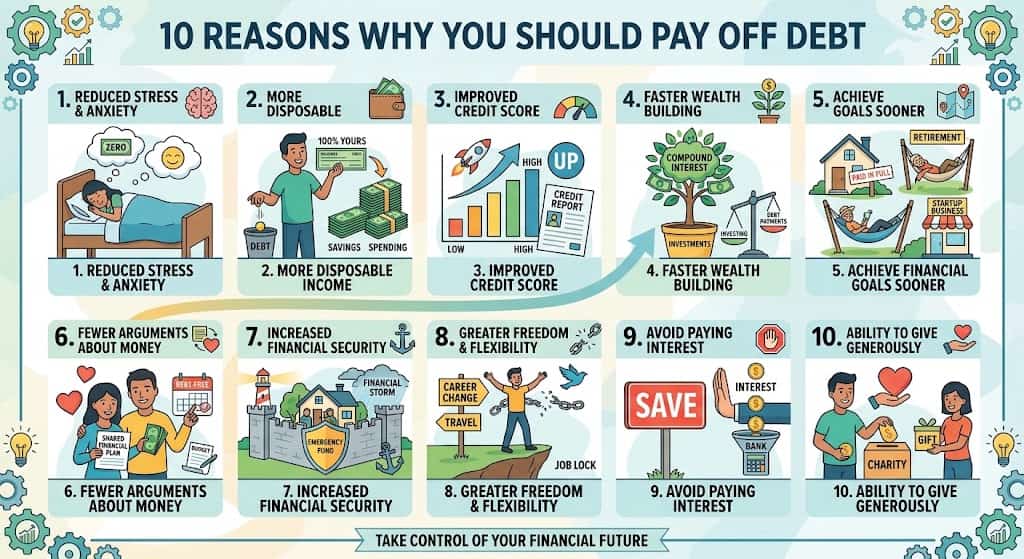
10 Reasons Why You Should Pay Off Debt
9 min read
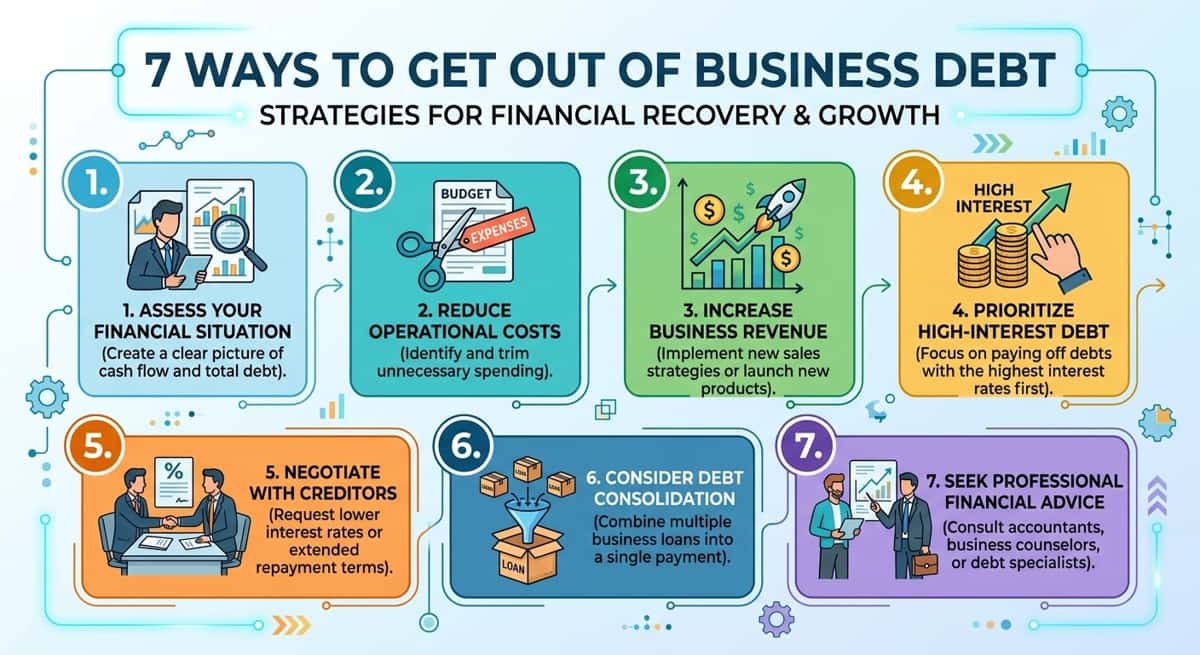
7 Ways To Get Out Of Business Debt
11 min read
Is 639 A Good Credit Score? How It Affects Loans, Credit Cards And Ways To Improve It
12 min read
What’s The Difference Between Debt Consolidation And Debt Settlement?
12 min read

Can You Consolidate Debt With a Low Credit Score?
11 min read
Get Your Free Consultation
Speak with a certified debt consultant to explore your options.
Start NowNo obligation • Free consultation