What Are The Dangers Of Filing Your Own Taxes?
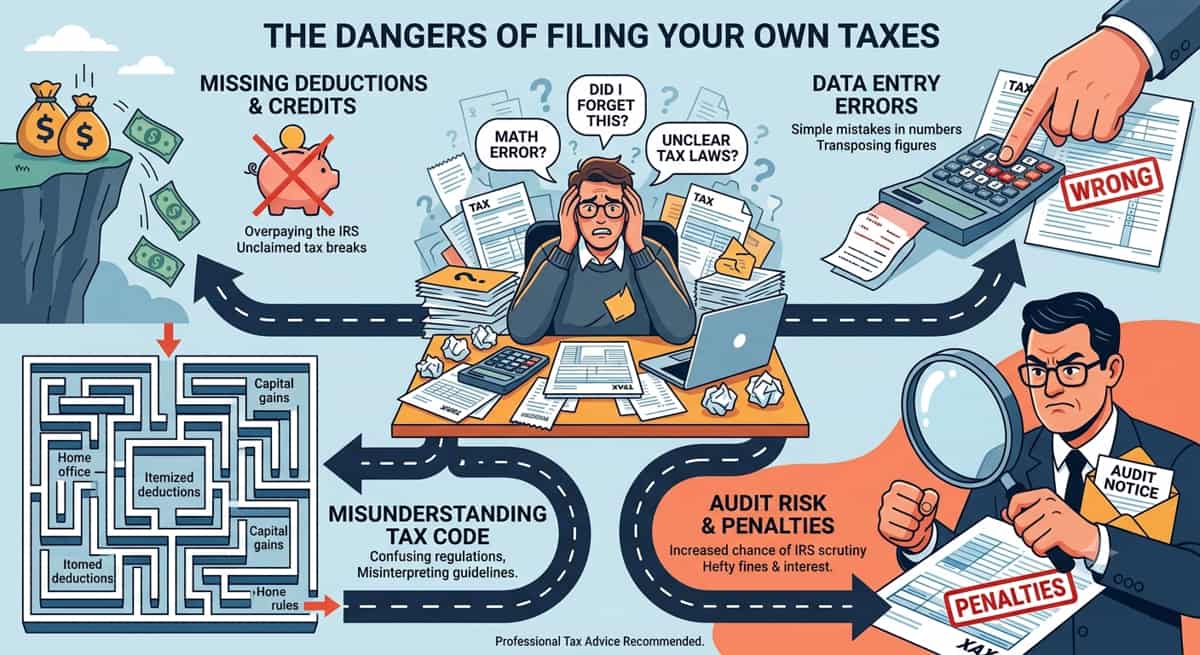
Filing your taxes yourself might sound like a great way to save. Given that many people promise they will refund your taxes quickly and guide you through the process step-by-step, most may just assume tax filing is easy. That could be the case for some taxpayers with uncomplicated finances. However, once your tax return gets just a bit more complicated than this, the potential to make an expensive mistake becomes much higher. A missed form, a wrong deduction or even a reporting error can result in delayed refunds, surprise tax bills, penalties or an IRS notice several months after you've filed.
Filings of tax returns in the United States for a lot of South Asian individuals and families come with additional complexities beyond just reporting a paycheck. The return must be prepared in accordance with foreign bank accounts, overseas investments, rental income, gifts from family abroad, self-employment earnings or tax rules for visa regulations and several other factors. Why you need to watch out for these situations While U.S. tax law has reporting requirements, many first-time or DIY filers might not recognize that they are subject to them.
Why This Topic Matters for South Asian Families in the U.S.
Many South Asian families in the U.S. don't have just one simple paycheck to report. There's often a W-2 job, plus income from a family-owned restaurant, gas station, or retail store. Some households have rental income from a property back home, or they send money regularly to parents or siblings overseas. On top of that, many people are filing with an ITIN instead of a Social Security number, or they're on a visa like H-1B, F-1, or L-1, which changes how the IRS expects them to file.
It's also common for families to turn to a relative, a family friend, or someone in the community who "knows taxes" instead of a licensed professional. This isn't a bad instinct it comes from trust, and in many South Asian cultures, keeping things "within the family" or the community feels safer than handing personal financial details to a stranger. But U.S. tax law doesn't care how well-meaning the person preparing your return is, or how much you trust them. If the return is wrong, it's still your name and signature on it, and you're still the one responsible for fixing it not the person who filled it out for you.
This gap between good intentions and actual tax law is exactly where a lot of financial trouble quietly starts. A return that "looks fine" can still be missing key forms, mixing up which country's rules apply to which income, or claiming a credit that doesn't actually apply. None of that shows up until months or years later, usually in the form of an IRS letter.
Common Mistakes People Make When Filing Taxes Themselves
Simple Math and Data-Entry Errors
It sounds small, but a transposed number, a wrong filing status, or a mistyped Social Security or ITIN number can hold up your entire return. The IRS systems flag mismatches automatically, which means even an honest typo can lead to a delayed refund or a letter asking you to explain yourself. When you're juggling tax forms from more than one job or business, these small errors become much easier to make.
Missing Eligible Deductions and Credits
If you didn't grow up with the U.S. tax system, it's easy to miss money that's rightfully yours. Credits like the Earned Income Tax Credit, the Child Tax Credit, education credits, and dependent care credits can lower what you owe or increase your refund but only if you know they exist and how to claim them correctly. Many first-time filers either miss these entirely or claim them incorrectly, which can cause its own problems later.
Misreporting Income From Multiple Sources
Between a full-time job, freelance or 1099 gig work, rental income, and cash income from a family business, it's easy to lose track of what needs to be reported and how. Cash income, in particular, is a common blind spot even if no one is trying to hide anything, forgetting to report it or reporting it inconsistently can raise questions with the IRS.
Errors With Foreign Income, Accounts, and Property (FBAR/FATCA)
This is one of the most overlooked and most expensive mistakes. If you have a bank account, property, or other assets in India, Pakistan, Bangladesh, Sri Lanka, or Nepal, you may be required to report them to the U.S. government, even if that money never touches U.S. soil. These rules are separate from your regular tax return, and the penalties for missing them can be far larger than the actual tax owed. Many people don't even know these requirements exist until they've already missed a filing.
Confusion Over Visa and Residency Status (H-1B, F-1, L-1, Dual-Status)
Your visa status can change how you're supposed to file. Depending on how long you've been in the country and your specific visa, you might be considered a resident or a nonresident for tax purposes and each comes with different rules. Some people also qualify for tax treaty benefits between the U.S. and their home country but don't know to claim them, while others accidentally claim benefits they don't qualify for. Getting this wrong isn't unusual, but it can be costly to fix.
The Financial Dangers of DIY Tax Filing Mistakes
IRS Penalties and Accruing Interest
If you file late, pay late, or make an error the IRS considers significant, penalties start adding up right away. On top of the penalty itself, interest keeps accruing on whatever you owe, which means a manageable bill today can turn into a much bigger one a year from now. Many people don't realize how quickly this compounds until they see the final number.
Increased Risk of an IRS Audit
Certain patterns catch the IRS's attention faster than others income that doesn't match what employers or banks reported, deductions that seem unusually high for your income level, or unreported foreign accounts. An audit doesn't automatically mean something was done wrong on purpose, but it does mean paperwork, time, stress, and sometimes professional help to sort out all of which could often have been avoided.
Falling Into Tax Debt You Can't Easily Pay Off
This is where small mistakes can turn into a real financial burden. A missed form, a misunderstood filing status, or unreported income doesn't just disappear it sits there, collecting penalties and interest, until the IRS catches it or you do. By the time many people realize what's happened, the amount owed has grown well beyond what it would have been if it were caught early.
This is one of the most common and most stressful ways people end up with tax debt they never saw coming. It often doesn't feel like "debt" in the moment; it feels like a confusing letter, then another one, then a growing balance that seems to have appeared out of nowhere. For families already stretched thin by remittances, supporting relatives, or running a small business, an unexpected tax bill can throw off an entire year's budget. The good news is that tax debt, even when it feels overwhelming, almost always has a resolution path the key is addressing it early rather than putting the letters in a drawer and hoping the problem resolves itself.
Legal Consequences for Serious or Repeated Errors
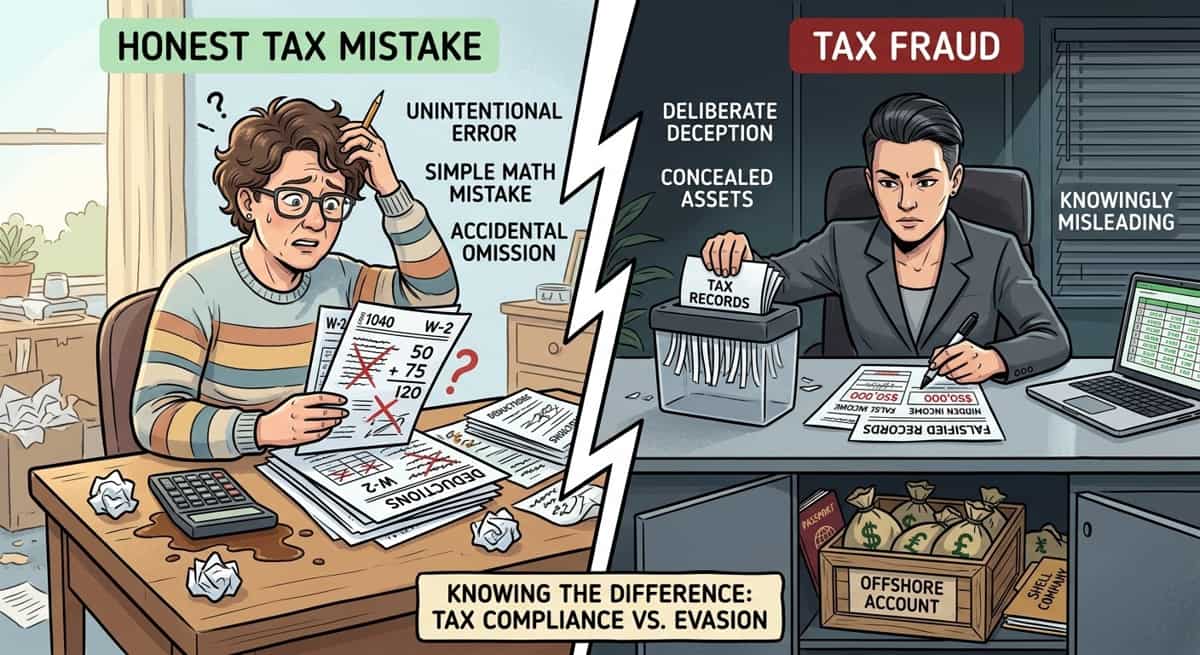
Most tax mistakes are just that mistakes, not crimes. The IRS generally treats honest errors as civil matters, meaning penalties and interest, not jail time. Criminal charges are reserved for cases of deliberate, willful fraud, which is rare. Still, even a purely accidental error can be expensive to correct, so it's worth taking seriously rather than assuming "it'll probably be fine."
Why These Risks Are Higher for Immigrants and First-Generation Filers
If you didn't grow up filing U.S. taxes, the whole system can feel like it was built for someone else. The forms use unfamiliar terms, the deadlines and rules don't match what you may have grown up with, and there's rarely anyone walking you through it step by step. Language barriers make this harder, and many people end up relying on someone in their community who isn't actually a licensed tax preparer, simply because that person is easier to talk to and trust.
Add to this the pressure many families feel to send money home to support parents or relatives, often without realizing that this can come with its own reporting requirements. And for many, there's a quiet reluctance to admit confusion or ask for professional help it can feel like acknowledging a weakness rather than what it actually is: a completely reasonable response to a complicated system.
There's also the practical reality of building a financial life in a new country while still managing responsibilities in another one. Between supporting family here and back home, adjusting to a new job market, and learning an entirely different set of financial rules, taxes often end up at the bottom of the priority list something to get through quickly rather than something to fully understand. None of this means anyone did something wrong. It means the system has real gaps for people navigating it for the first time, and those gaps are worth taking seriously rather than treating as a personal shortcoming.
Signs You Should Not File Your Taxes on Your Own
Some situations are simply too complex to handle without help, and recognizing them early can save you a lot of stress later. Consider working with a professional if any of the following apply to you:
You have income from more than one source, including a family business
You have bank accounts, property, or other assets outside the U.S.
Your immigration or visa status changed recently
You're self-employed or your family runs a cash-based business
You've already received a notice or owe money to the IRS
You had a major life change marriage, a home purchase, a new baby
You're unsure which deductions or credits actually apply to you
Safer Alternatives to DIY Tax Filing
Working With a Licensed CPA or IRS Enrolled Agent
A Public Accounta Certifiednt (CPA) or an IRS Enrolled Agent (EA) is trained and licensed specifically to handle tax matters, unlike an unlicensed preparer who may simply have some informal experience. Both CPAs and EAs are held to professional standards and can represent you if the IRS ever has questions about your return. You can verify a preparer's credentials directly through the IRS's public directory before you trust them with your financial information.
Using IRS Free File or VITA Programs (If Eligible)
If your income falls below a certain level, you may qualify for the IRS Free File program or Volunteer Income Tax Assistance (VITA), which offers free, IRS-supported help preparing your return. These programs are legitimate, government-backed resources not a shortcut, but a genuinely low-cost way to get accurate help if you qualify.
Getting Help If You Already Owe Back Taxes
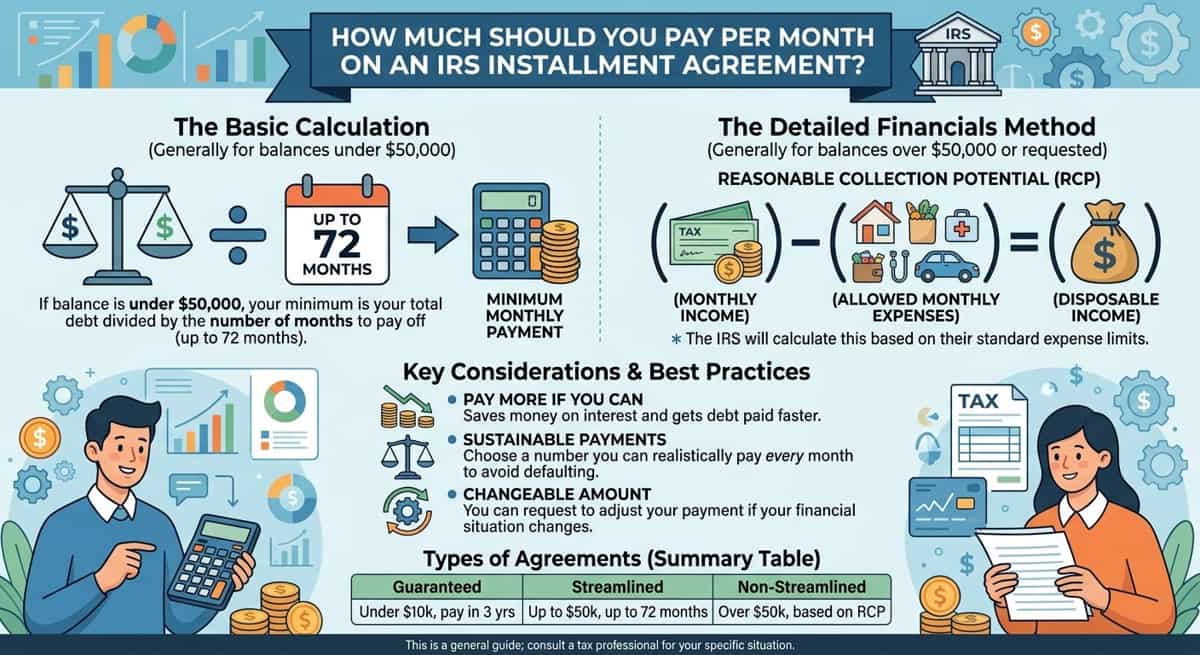
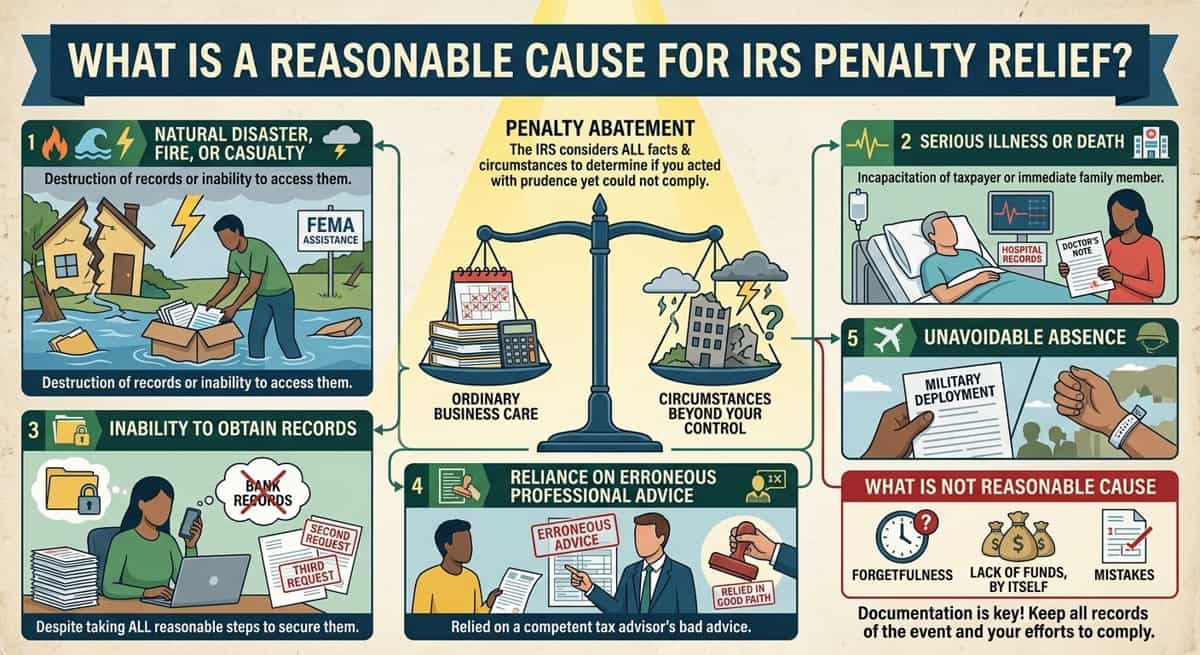
If you already owe the IRS money, you're not out of options. The IRS offers several paths to resolve back taxes, including installment agreements that let you pay over time, an Offer in Compromise that may settle your debt for less than the full amount if you qualify, and penalty abatement in certain circumstances. A tax or debt relief professional can walk you through which option actually fits your situation there's no one-size-fits-all answer, and outcomes depend on your specific circumstances.
How to Protect Yourself If You Choose to File Your Own Taxes
If you still plan to file on your own, a few habits can lower your risk significantly:
Keep organized records of all income, including cash income and money sent or received internationally
Use IRS-approved tax software rather than filing by hand
Confirm your correct filing status and residency status before you begin
Check whether you need to report foreign bank accounts or property
Look into your state's specific filing rules, since they can differ from federal ones
Save your tax documents and records for at least three to seven years
When DIY Tax Filing Becomes a Financial Risk
It is not wrong to file your own taxes many people do so without problems every year. However, if your finances include multiple income streams, foreign assets, a non-settled visa/immigration status or unresolved tax debt, the risk outweighs the benefits. The fact that you need help with money management doesn't mean you have failed; it means you care about how to manage your money. If you are uncertain of your own position or already face tax debt, consulting with tax specialist is not a last resort or even an unreasonable move.
Ready to Get Started?
Get a free consultation with a certified debt consultant to see if debt settlement is right for you.
Get Free ConsultationAbout the Author
Bhupinder Bajwa
.
Related Articles
Tax Return Accepted vs Approved: What the Difference Really Means
9 min read
IRS Tax Fraud: Types, Penalties, Warning Signs, and What to Do
11 min read
What Is the Difference Between Tax Fraud and an Honest Tax Mistake?
11 min read
Can You Be Charged With Tax Fraud for Not Filing Taxes?
10 min read
How Much Should You Pay Per Month on an IRS Installment Agreement?
10 min read
What Is a Reasonable Cause for IRS Penalty Relief
12 min read
Get Your Free Consultation
Speak with a certified debt consultant to explore your options.
Start NowNo obligation • Free consultation