
State Tax Debt: What You Need To Know

You moved to the U.S. a few years ago on an H-1B visa, you finally feel settled, and then one day an envelope shows up from your state's tax department. Your stomach drops. Is this the same as an IRS letter? Did you do something wrong? Could this affect your green card application?
If this sounds familiar, take a breath you're not alone, and this situation is far more common than people think, especially for those who are newer to filing U.S. taxes. This guide walks you through what state tax debt actually is, what really happens if it's not paid, and the real, practical ways to fix it. It reflects how state tax agencies actually handle these cases today, not outdated assumptions.
What Is State Tax Debt?
State tax debt is simply money you owe to your state's tax department separate from the IRS, which handles federal taxes. Most states (though not all) collect their own income tax, and some also collect business or sales tax. When that amount isn't paid in full, it becomes state tax debt.
Here's the part that catches a lot of people off guard: your state tax debt and your federal (IRS) tax debt are two completely different things, handled by two completely different offices even if they both came from the same tax return you filed.
This happens for all kinds of ordinary reasons. Maybe your employer didn't withhold quite enough from your paycheck. Maybe you picked up freelance or 1099 work for the first time and didn't realize you needed to set money aside for state taxes too. Maybe you filed with an ITIN instead of a Social Security Number and something didn't line up. Or maybe you moved to a new state partway through the year and ended up owing tax in both places. None of these mean you did anything dishonest; they're just common situations that catch new filers off guard.
How Is State Tax Debt Different From IRS (Federal) Tax Debt?
This is one of the most confusing parts for first-time filers, so let's clear it up plainly.
Think of it like having two separate landlords for two different apartments. Paying one doesn't pay the other, and each one has their own rules.
They're two separate creditors. The IRS collects federal tax. Your state's department of revenue (or equivalent agency) collects state tax. They don't automatically talk to each other or share your payments.
States often move faster, with fewer protections. The IRS has a fairly well-known set of rules and appeal rights. States vary a lot. Some states, like California's Franchise Tax Board, actually require you to pay the full amount first before you're allowed to formally dispute it the opposite of how many people assume it works.
Every state writes its own rulebook. Payment plans, penalty relief, and how aggressively they pursue collection all differ from state to state. There's no single nationwide standard.
Fixing one doesn't fix the other. If you settle your IRS debt through a program like an Offer in Compromise, that resolves your federal balance only. Your state balance still sits there, untouched, unless you deal with it separately.
State Tax Debt | IRS (Federal) Tax Debt | |
Who collects it | Your state's tax/revenue department | The IRS |
Rules | Different in every state | Consistent nationwide |
Resolving one resolves the other? | No | No |
Speed of collection action | Often faster, fewer protections | Generally more standardized process |
What Happens If You Don't Pay State Tax Debt?
If a notice gets pushed to the back of a drawer and forgotten, here's the general order of events. Not every state follows this exact sequence, but this is the typical pattern:
You get a notice, and penalties and interest start adding up. This is usually the first letter of a heads-up that you owe money, with a deadline to respond.
A state tax lien gets filed. This is a public record that says the state has a legal claim on your property until the debt is paid. It can show up when you try to sell a home, refinance a mortgage, or apply for certain loans.
Bank levies or wage garnishment. If the debt still isn't addressed, the state can freeze money in your bank account or take a portion directly from your paycheck.
Your refunds get held back. Future state tax refunds (and sometimes federal refunds, depending on state agreements) can be applied to what you owe instead of being sent to you.
In some states, certain licenses can be affected. A small number of states will suspend a driver's license or professional license for very overdue, unresolved tax debt. This is rare and usually only after everything else has been ignored for a long time.
A quick, honest note on something many people worry about: owing state tax debt, by itself, does not directly affect your immigration status or a green card application. It's a civil financial matter, not an immigration one. That said, unresolved debt can complicate other things down the road like getting approved for a mortgage, or paperwork tied to financial sponsorship simply because lenders and agencies like to see a clean financial picture. So while there's no need to panic about your status, there's good reason to deal with it sooner rather than later.
What Are Your Options for Resolving State Tax Debt?
The good news: states almost always want to work something out with you. They'd rather get paid over time than not at all. Here are the main paths, depending on your situation.
Installment Agreements (Payment Plans)
Installment Agreements plans are the most common solution and works a lot like a payment plan you'd set up for any other bill. You agree to pay a fixed amount each month until the balance is cleared. Most states offer this, and many let you apply online. It's a good fit if you can't pay the full amount today but do have steady income to chip away at it.
Offer in Compromise / Settlement Programs
Some states allow you to settle debt for less than the full amount owed, if you can show you genuinely can't pay the full balance even over time. This isn't automatic and usually requires detailed proof of your income, expenses, and assets. Not every state offers this option, so it's worth checking your specific state's program before assuming it applies to you.
Currently Not Collectible / Hardship Status
If you truly have no ability to pay right now, say, you lost your job or are dealing with a medical crisis some states can pause collection activity temporarily. The debt doesn't disappear and interest may keep building, but it buys you breathing room while you get back on your feet. This status typically gets reviewed again after a set period.
Penalty Abatement
Sometimes the tax itself isn't the painful part it's the penalties stacked on top. If you have a reasonable explanation (a serious illness, a natural disaster, or even a clean prior history with one slip-up), some states will reduce or remove penalties, even if the underlying tax still needs to be paid.
Lien Withdrawal, Subordination, or Release
Once a lien has been filed, there are still ways to deal with it. A release happens once the debt is paid or resolved. A withdrawal removes the public lien notice in certain qualifying situations. Subordination doesn't remove the lien but lets another creditor (like a mortgage lender) move ahead of the state in priority often used when someone needs to refinance a home.
Important: not every state offers every one of these programs. California's FTB, for example, generally requires the balance to be paid in full before you can formally dispute it, a good reminder that it always pays to check your specific state's rules rather than assuming they all work the same way.
How Do State Tax Rules Differ Depending on Where You Live?
This matters a lot for families who move between states for jobs, to be closer to relatives, or because of life changes. Tax rules are not the same everywhere.
A few things worth knowing:
Some states have no state income tax at all; Texas and Florida are well-known examples. This can genuinely make a difference if you're weighing a job offer or relocation, especially for dual-income households.
If your income comes from more than one state, say, you work remotely for a company based elsewhere, or you have rental income from a property in another state you may owe tax in more than one place.
Each state's revenue department has its own website, forms, and contact process. Rather than assuming your home state's rules apply everywhere, it's always worth checking the specific state agency's site for your situation.
What Should You Do First If You Receive a State Tax Notice?
The moment you open that letter, here's the order of steps that actually helps:
Read the entire notice carefully. Note which state agency sent it, how much they say you owe, and the deadline to respond. Don't skim the deadline is usually the most important detail.
Check whether your return was filed correctly. This step matters a lot if you're filing for the first time, using an ITIN, or if you're not fully sure your previous accountant or software handled your state filing properly.
Don't let it sit. Many states give shorter response windows than the IRS does. Ignoring it doesn't make it go away it just narrows your options as time passes.
Decide if you can handle it yourself or need help. Smaller, straightforward balances are often manageable on your own. Bigger or more complicated situations usually benefit from professional support.
Gather your documents. Pull together income records, past tax returns, and any paperwork related to outside income or remittances, so you (or whoever helps you) can respond with accurate information.
Should You Hire Help for State Tax Debt, or Handle It Yourself?
There's no single right answer here it really depends on how complicated your situation is.
You can likely handle it yourself if: the balance is relatively small, your tax situation is straightforward, and your state offers an easy online payment plan setup. Many states make this surprisingly simple to do on your own.
It's worth getting professional help if: a lien has already been filed, you have income across multiple states, you're dealing with a language or paperwork barrier, or the debt is tied to a business. A licensed tax attorney can often resolve things faster and avoid costly mistakes.
In many South Asian households, money troubles aren't something people talk about openly, even within the family. There can be real pressure to handle it quietly, alone, or to feel embarrassed about needing help. But reaching out to a professional early isn't a failure, it's the single most effective thing you can do to protect your finances and your peace of mind. The earlier you act, the more options stay open to you.
How Does State Tax Debt Affect Your Broader Financial Picture?
State tax debt doesn't exist in a bubble it connects to the rest of your financial life. A filed lien can show up in credit checks and complicate a mortgage or loan application. An active payment plan needs to be factored into your monthly budget, just like rent or a car payment. And once it's resolved, rebuilding your financial footing, repairing credit, saving again, planning for the future becomes the next meaningful step.
Think of resolving state tax debt as one piece of a bigger picture: a financially stable home for you and your family, not just a single problem to check off a list.
Key Takeaways
State tax debt is separate from IRS debt; they're handled by different agencies with different rules, and resolving one doesn't resolve the other.
Ignoring a state tax notice doesn't make it go away. It typically escalates from a letter, to a lien, to a levy or garnishment, over time.
Owing state tax debt does not directly affect your immigration status, though it's still smart to resolve it for your broader financial health.
States offer real solutions, payment plans, settlement programs, hardship status, and penalty relief but the options differ from state to state.
The first and most important step is simple: read the notice, don't ignore it, and decide early whether you can handle it yourself or need professional help.
Asking for help isn't a failure. It's the fastest way back to financial stability.
Frequently Asked Questions
Can state tax debt affect my immigration status or green card application?
No, owing state tax debt by itself does not directly impact your immigration status. It's a civil financial matter. That said, it's still smart to resolve it, since a clean financial record can matter for things like mortgage approvals or sponsorship paperwork down the line.
Is state tax debt forgiven after a certain number of years?
Most states do have a collection time limit, often called a statute of limitations, after which they can no longer legally collect the debt. However, this varies significantly by state and can be paused or extended under certain circumstances, so it's not something to count on as a strategy.
Can the state garnish my wages without notice?
No. States are required to send notices and give you a chance to respond before garnishing wages or levying a bank account. That said, the response windows can be short, which is exactly why acting quickly on any notice matters.
What if I owe tax debt in a state I no longer live in?
You're still responsible for resolving it. Moving away doesn't erase the debt the state where the debt originated can still pursue collection, including liens or garnishment, even after you've relocated.
Do I owe state tax on income earned outside the U.S. or sent as remittances?
This depends on your residency status and the specific state's rules, and it can get genuinely complicated. If you have income from outside the U.S. or send money internationally, it's worth talking to a tax professional who understands both U.S. state tax rules and cross-border income.
Can my spouse be held responsible for my state tax debt?
It depends on how you filed. If you filed a joint return, your spouse may share responsibility for the debt. If you filed separately, the rules vary by state. This is worth clarifying directly with a tax professional based on your specific filing history.
Ready to Get Started?
Get a free consultation with a certified debt consultant to see if debt settlement is right for you.
Get Free ConsultationAbout the Author
Bhupinder Bajwa
.
Related Articles
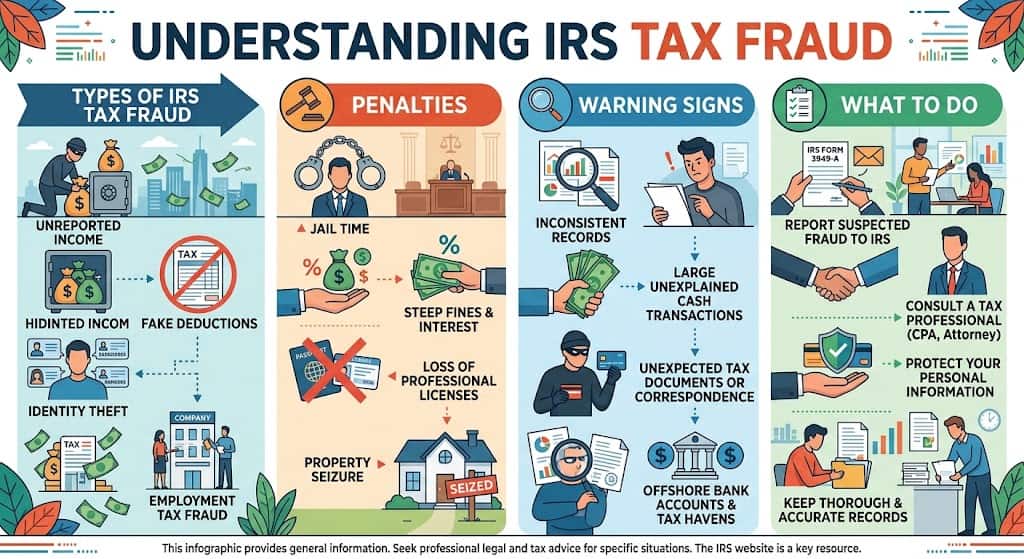
IRS Tax Fraud: Types, Penalties, Warning Signs, and What to Do
11 min read
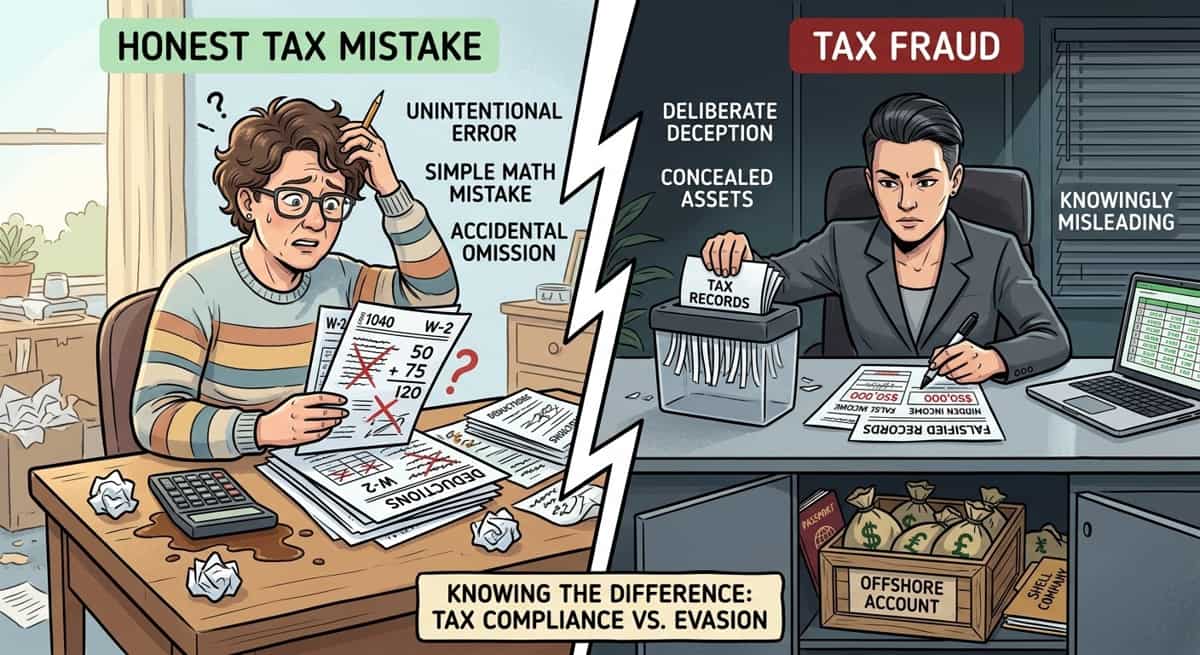
What Is the Difference Between Tax Fraud and an Honest Tax Mistake?
11 min read
Can You Be Charged With Tax Fraud for Not Filing Taxes?
10 min read
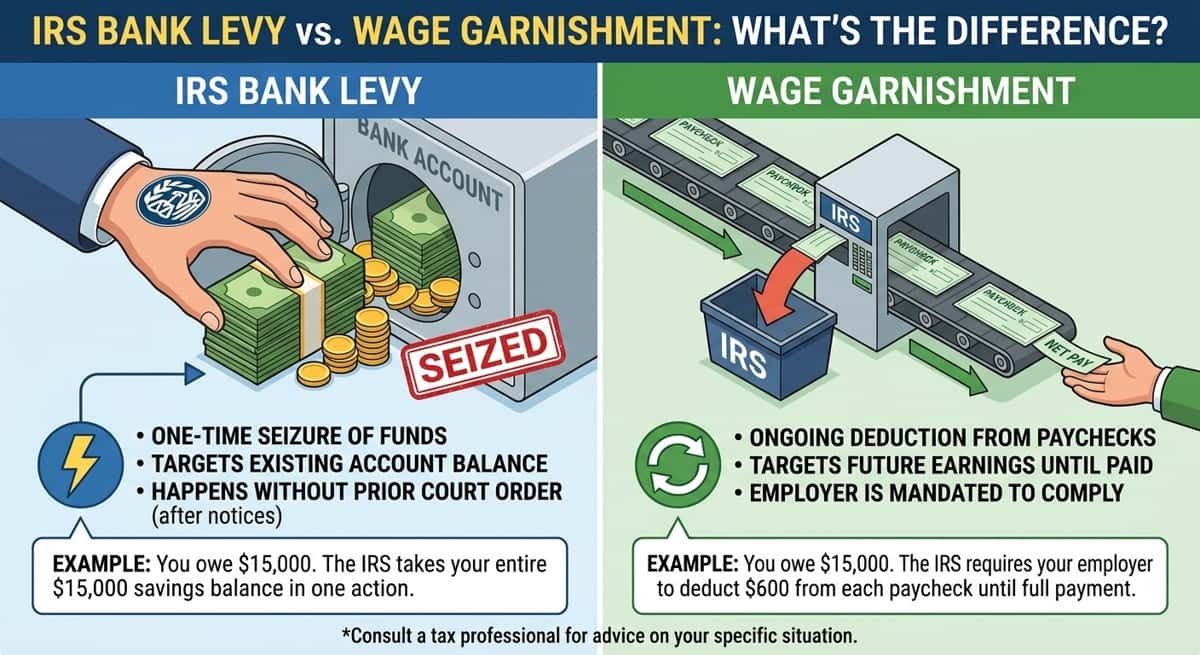
IRS Bank Levy vs. Wage Garnishment: What's the Difference?
11 min read
Self-Employed and Owe Taxes? A Guide for 1099 Workers
11 min read
Unfiled Tax Returns: What Should You Do?
11 min read
Get Your Free Consultation
Speak with a certified debt consultant to explore your options.
Start NowNo obligation • Free consultation