Financial Tips, Guides & Insights Blog
Page 8 of 34
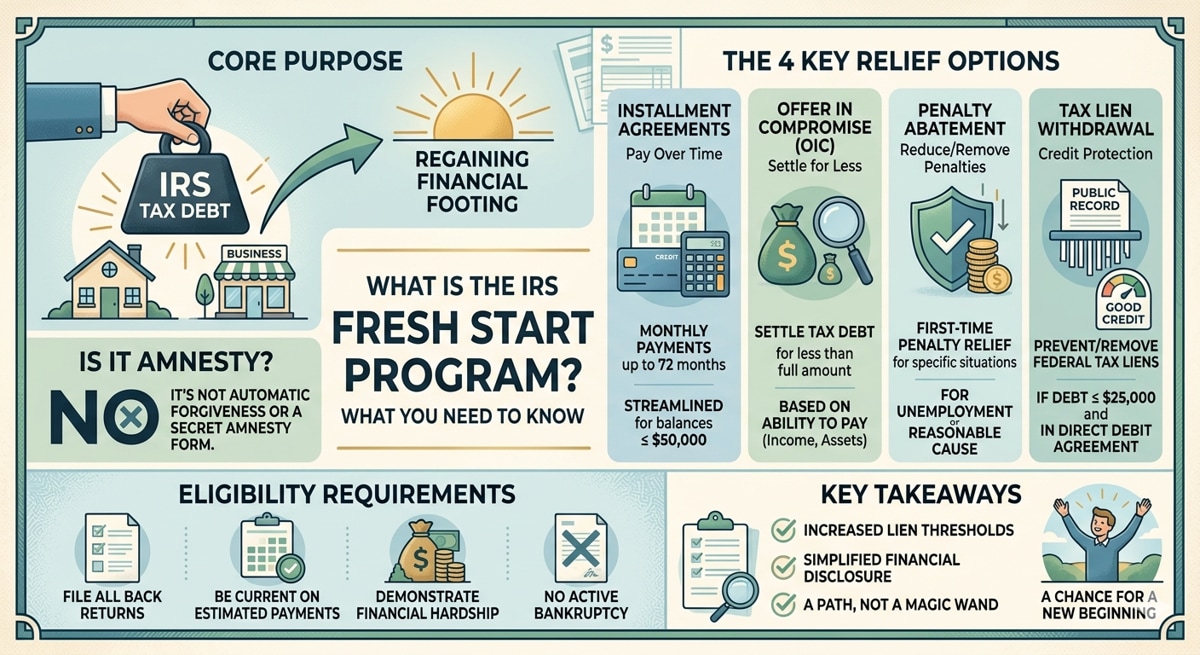
What Is The IRS Fresh Start Program? What You Need To Know
The IRS Fresh Start Program helps taxpayers clear back taxes and avoid aggressive collection actions. It offers streamlined payment plans for debts under $50,000, easier debt settlements, tax lien withdrawals, and penalty relief. To qualify, you must file all missing returns. It is an official safety net for financial recovery.
How To Request A Debt Verification Letter
Receiving a US debt collection notice can be stressful, especially for South Asian immigrants unfamiliar with the financial system. Under the Fair Debt Collection Practices Act (FDCPA), you have the legal right to send a written Debt Verification Letter within 30 days to halt collection activity and force agencies to prove the debt is legitimate before paying.
Does IRS Debt Show On Your Credit Report?
The IRS doesn't report debt to credit bureaus, but ignoring it can trigger a public federal tax lien, freezing home sales, refinancing, and loans. Additionally, sudden bank levies or wage garnishments can cause missed bill payments, indirectly wrecking your credit.
What Is An IRS Partial Payment Plan?
An IRS Partial Payment Installment Agreement (PPIA) offers tax relief by letting you make affordable monthly payments based on your income and living expenses. Once the IRS’s 10-year collection window expires, any remaining debt is permanently discharged. It provides a structured, legally backed path to financial freedom and peace of mind.

Understanding Healthy Business Debt: How Much Is Acceptable?
Strategic debt drives growth when returns exceed interest costs. For South Asian entrepreneurs, monitoring key financial metrics like a Debt-to-Equity ratio under 2:1 and a Debt Service Coverage Ratio above 1.25 is essential. Recognizing early warning signs and leveraging SBA or professional resources protects both your business and family.
Understanding Tax Settlement: The Offer In Compromise
Dealing with tax debt can feel overwhelming and carry a quiet shame. However, the IRS Offer in Compromise (OIC) program allows qualified individuals to settle their debt for less than they owe based on what they can realistically pay. Ensure you are current on filings before applying, and always consult licensed professionals.
Should You Choose Debt Settlement Or Credit Counseling?
Managing debt in the U.S. can feel overwhelming and shameful, but options exist. Debt settlement reduces your balance but severely damages credit and risks tax penalties. Credit counseling creates a structured plan to repay everything at lower interest rates, protecting your score. Assess your hardship, avoid predatory scams, and consult a certified nonprofit counselor.
Why Your Paycheck Disappears So Fast in 2026 — And How to Break the Debt Cycle
Feel like your paycheck disappears after bills and minimum payments? Learn why debt drains your income and how to break the monthly debt cycle.
7 Signs Your Debt Is Becoming Financially Dangerous in 2026
Learn the 7 warning signs your debt may be becoming financially dangerous. Discover how financial stress, missed payments, and growing balances may signal it's time to explore debt relief options.
What Is The Bad Debt Deduction?
Losing money to an unpaid loan hurts, but the IRS bad debt deduction offers relief. Business debts are fully deductible as ordinary losses. Nonbusiness (personal) debts require absolute worthlessness and are capped at $3,000 annually as short-term capital losses. Crucially, you must prove a real, documented loan existed—informal family gifts do not qualify.