Financial Tips, Guides & Insights Blog
Page 5 of 34
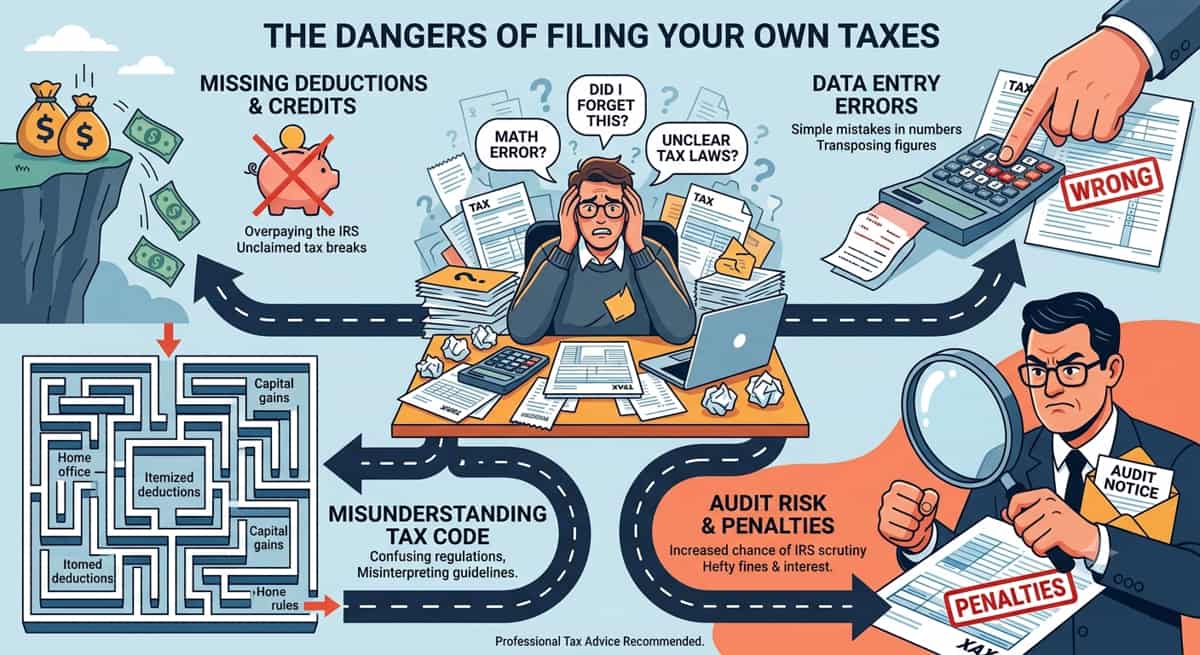
What Are The Dangers Of Filing Your Own Taxes?
While DIY tax filing saves money initially, it poses severe financial risks for individuals with complex situations, such as multiple income sources, foreign assets, or specific visa statuses. Errors can lead to compounding penalties and IRS audits. Hiring licensed professionals ensures accuracy and prevents unexpected debt.

Dismiss Your Credit Card Lawsuit: Winning Strategies
Getting sued for credit card debt does not mean an automatic loss. Ignoring the lawsuit causes a costly default judgment, but you can fight back. Key winning strategies include demanding proof of debt ownership, checking the statute of limitations, and filing a timely written response to get the case dismissed.
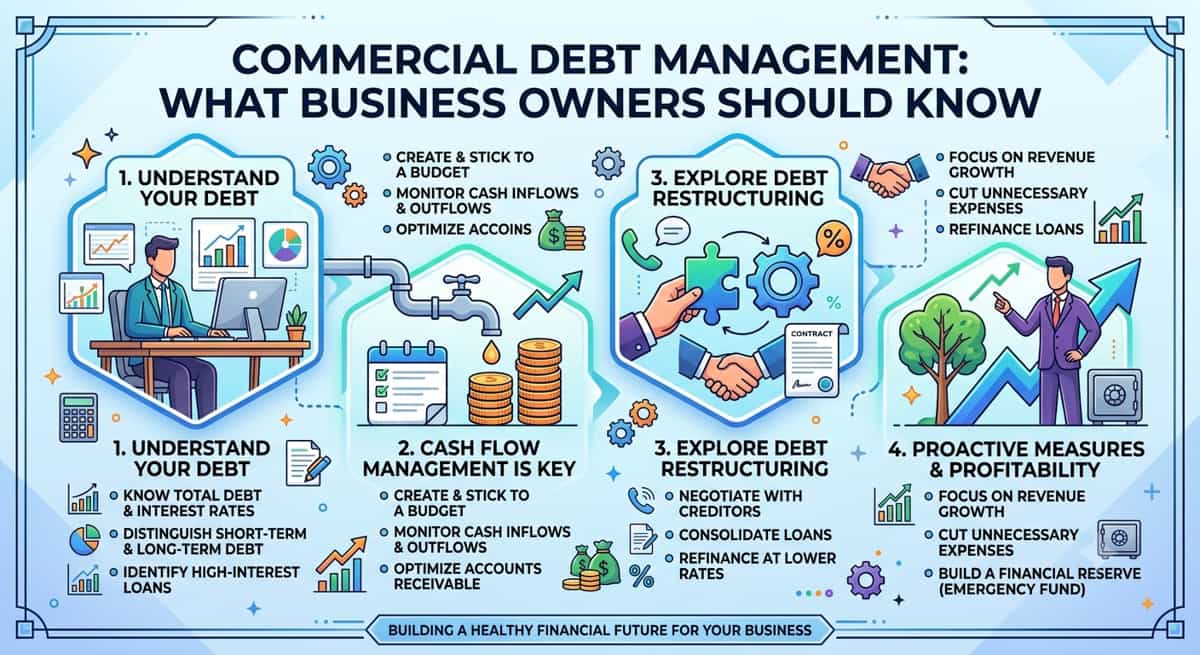
Commercial Debt Management: What Business Owners Should Know
Commercial debt management means organizing and handling business loans, credit lines, and cash advances before they become a crisis. For South Asian business owners, navigating informal family loans and thin credit files requires special care. Actively tracking cash flow, renegotiating terms, using legitimate professionals, and separating finances builds long-term resilience.
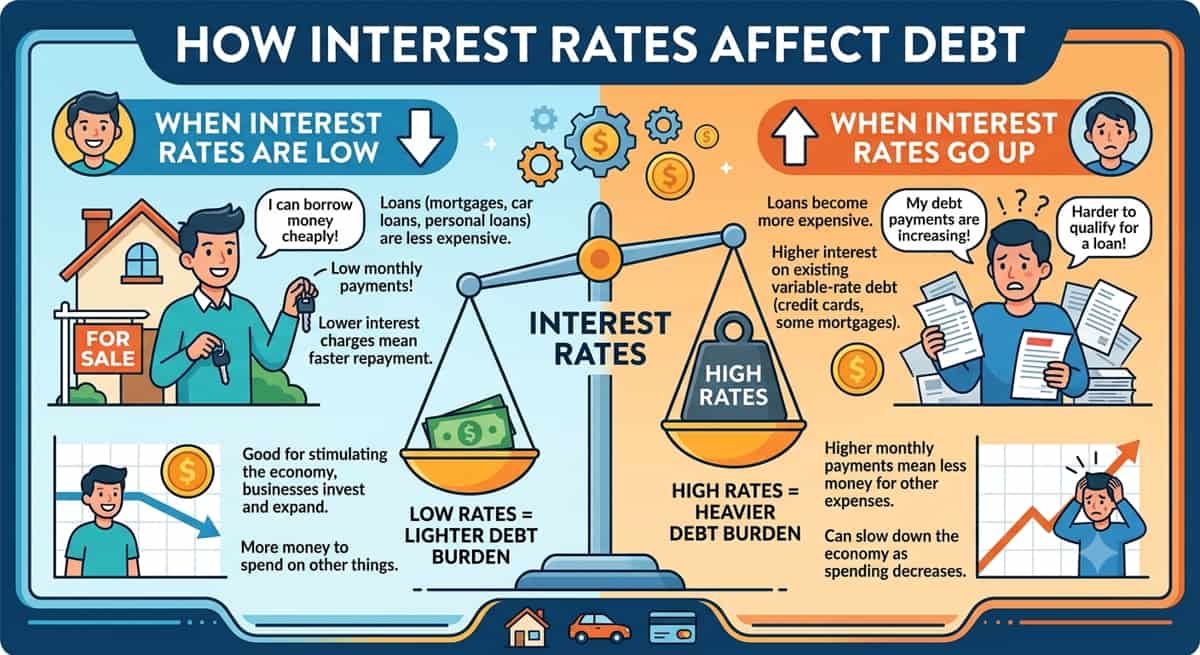
How Interest Rates Affect Debt
Interest rates dictate the true cost of borrowing, determining your monthly payments and payoff timeline. While fixed rates stay constant, variable rates fluctuate with the economy. High rates and compounding interest quickly balloon debt. Understanding these rates helps you choose smart payoff strategies, build credit, and successfully avoid predatory debt relief scams.
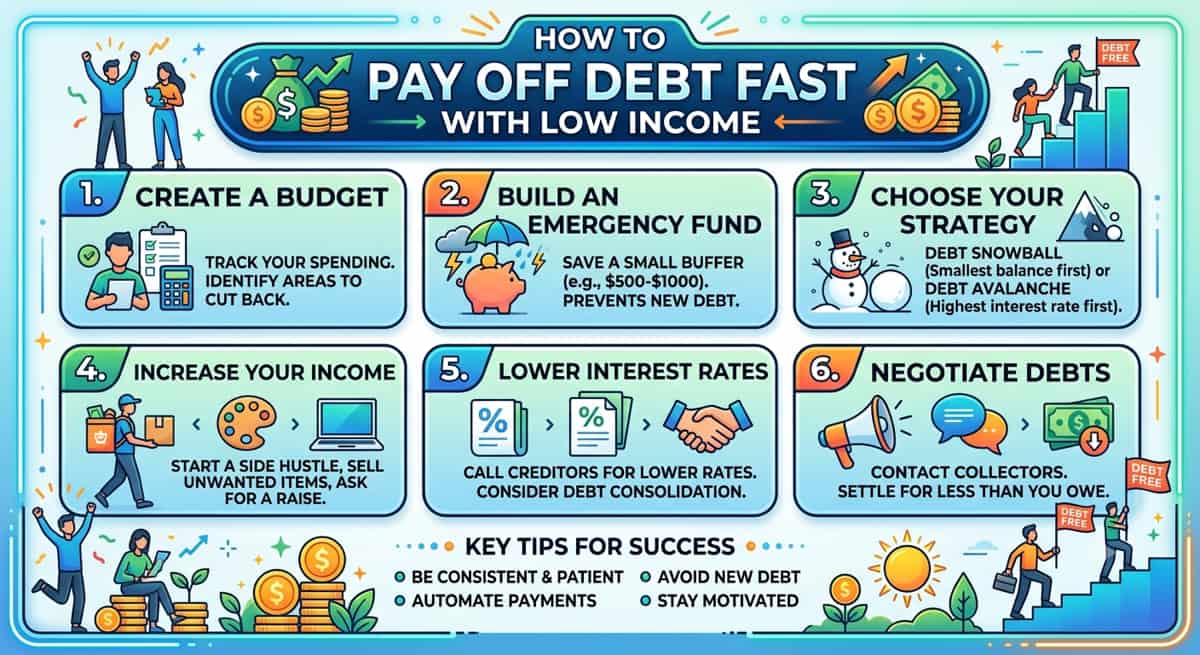
How To Pay Off Debt Fast With Low Income
Paying off debt on a low income requires a clear plan tailored to your life. List all debts, choose a payoff method (snowball or avalanche), manage family remittances openly, and use a flexible budget. Beware of scams targeting immigrants, and consider free help from nonprofit credit counselors to build financial security.
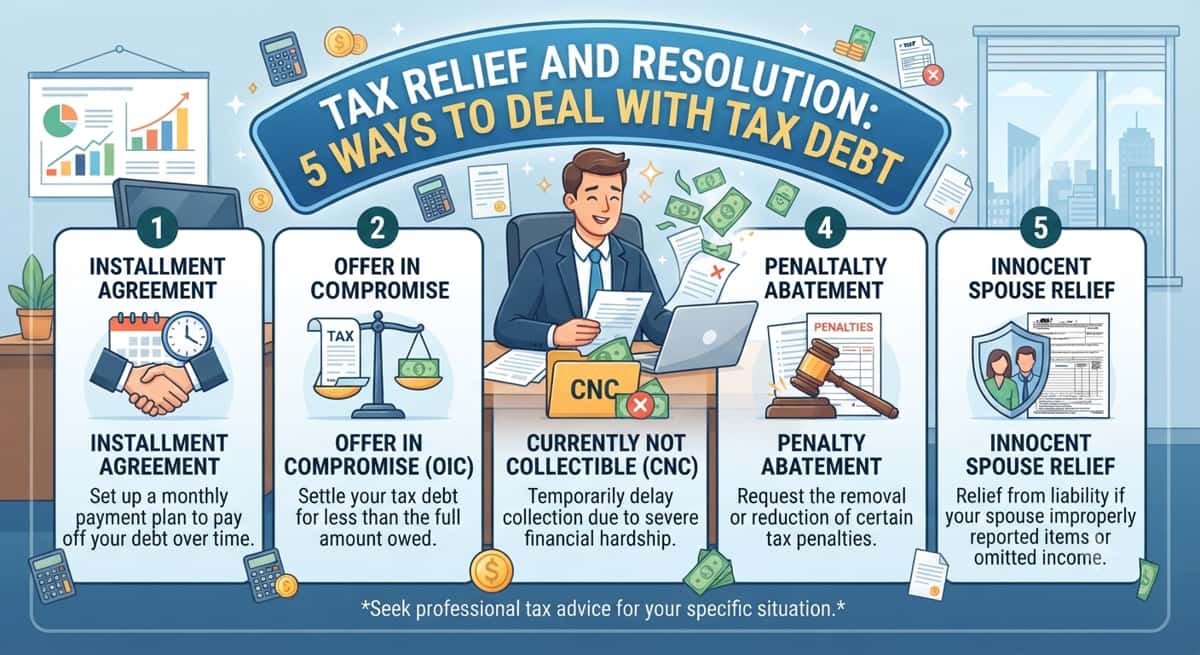
Tax Relief And Resolution: 5 Ways To Deal With Tax Debt
Tax debt is manageable and not necessarily an immigration issue. You can resolve it through installment agreements, Offers in Compromise, Currently Not Collectible status, or penalty abatement. Alternatively, consult qualified tax professionals to navigate complex situations, but avoid predatory firms and always address notices promptly.
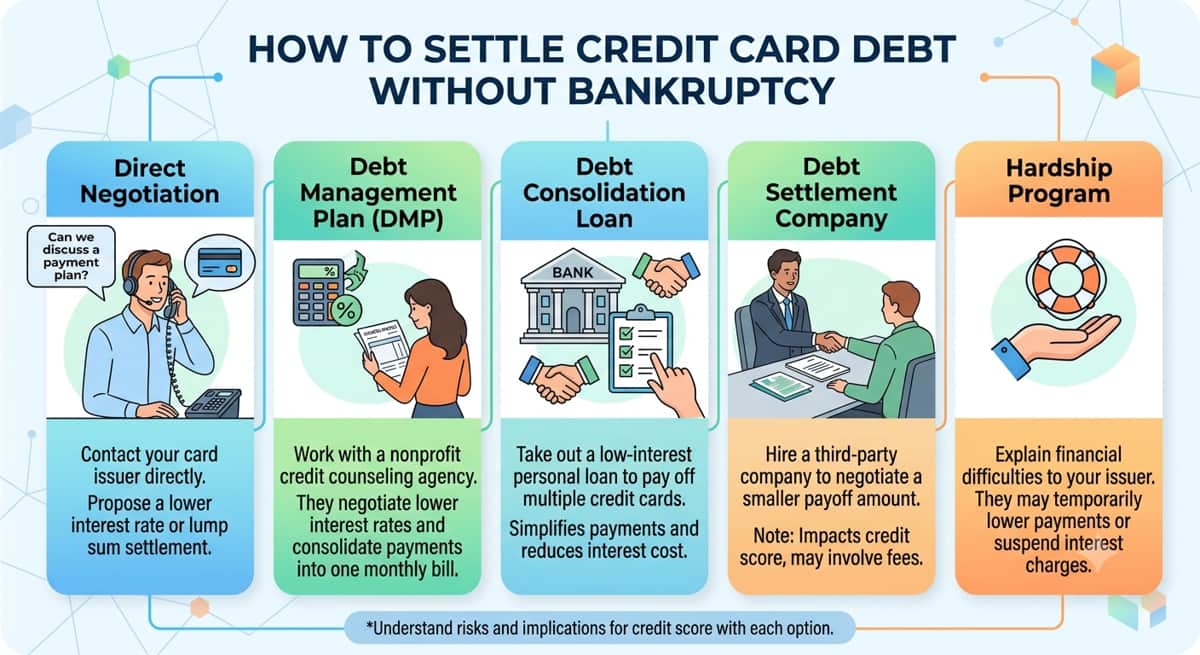
How Can You Settle Credit Card Debt Without Bankruptcy?
You can handle overwhelming credit card debt without filing for bankruptcy. Options include direct negotiation, nonprofit credit counseling, settlement companies, consolidation loans, and balance transfers. While settlement reduces your total debt, weigh the credit impacts and potential taxes. Consulting an NFCC-accredited nonprofit counselor is a safe, low-cost way to start.
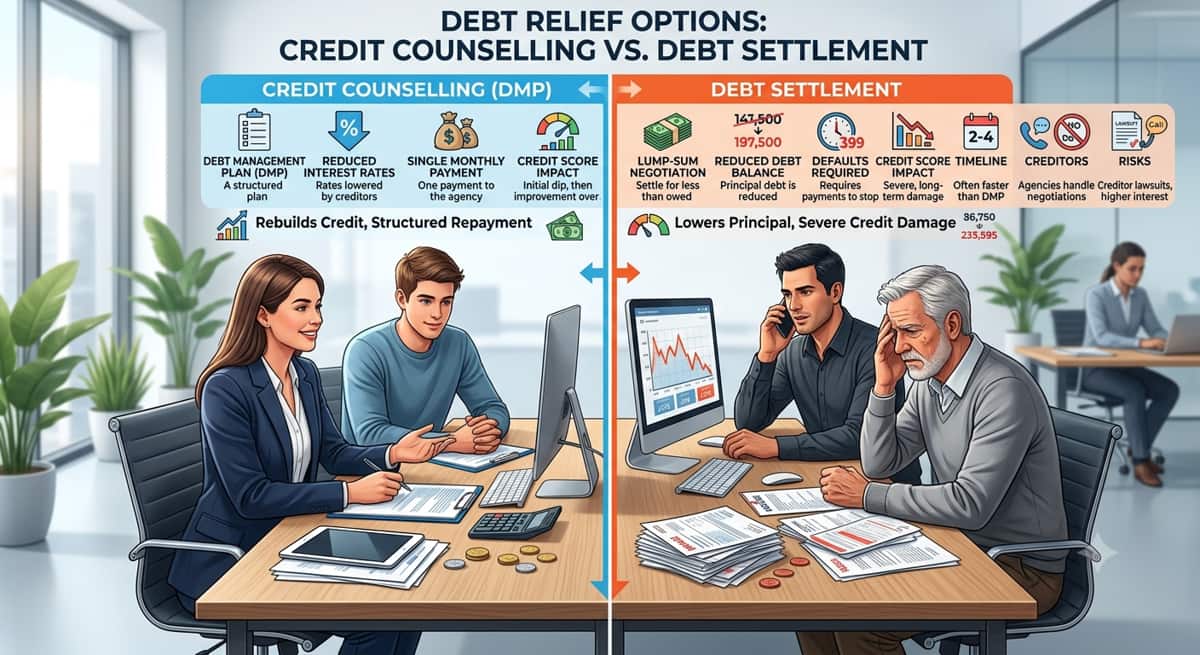
Credit Counselling vs. Debt Settlement: Which One Is Right for You?
Managing debt can feel deeply isolating, especially within South Asian families. To regain control, you have two main paths: credit counseling, which gently restructures your payments through a predictable, credit-safe plan, or debt settlement, which aggressively reduces your principal balance but carries severe credit risks. Ooraa helps you safely choose the right fit.
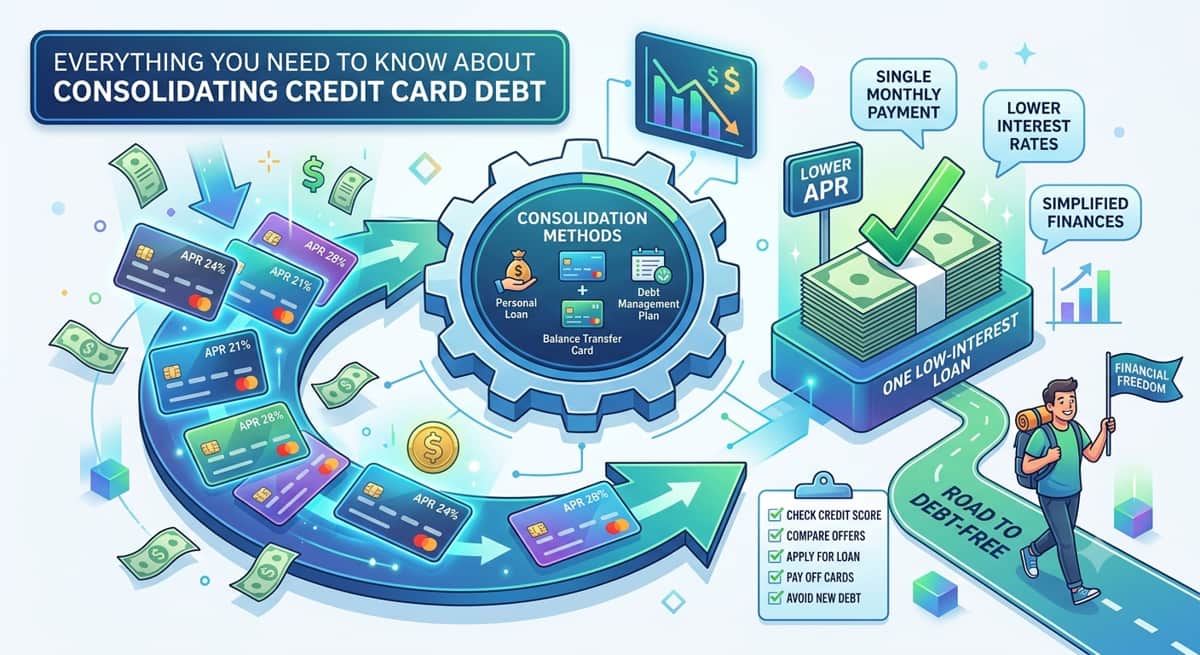
Everything You Need To Know About Consolidating Credit Card Debt
Credit card debt consolidation combines multiple balances into a single monthly payment, simplifying your finances. Main methods include balance transfer cards, personal loans, home equity, and nonprofit debt management plans. While it can lower interest rates and boost your credit score, you must budget to avoid accumulating new debt.
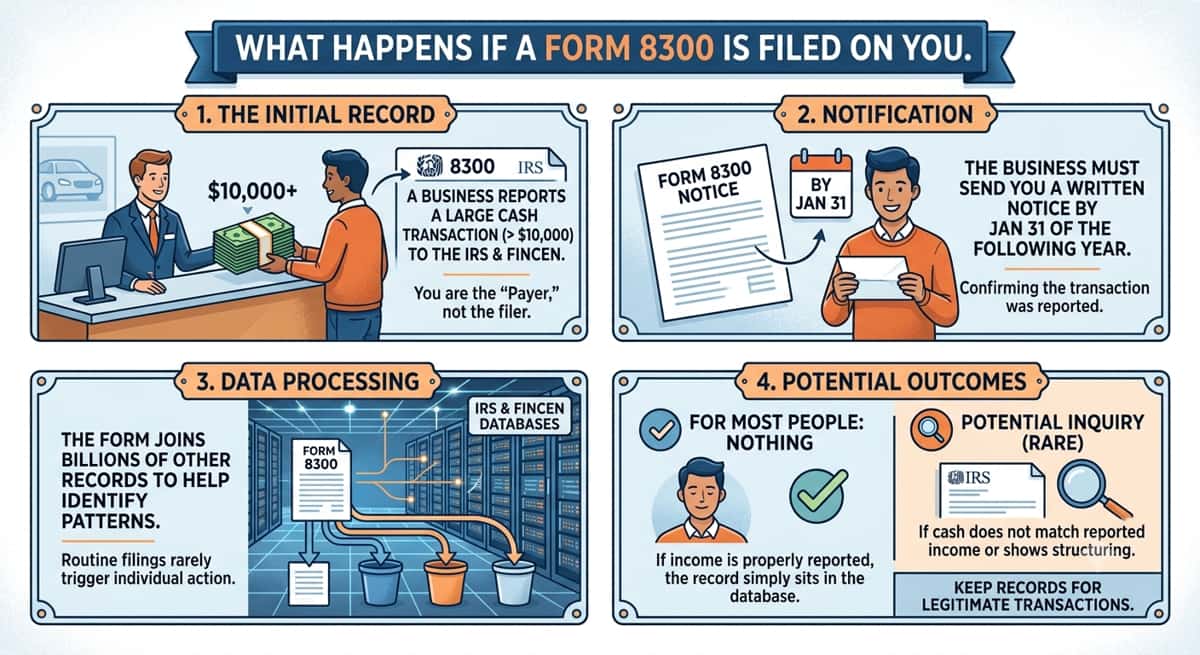
What Happens If A Form 8300 Is Filed On You?
When a business files IRS Form 8300 after a cash transaction over $10,000, it is routine compliance, not an accusation. For most people, nothing happens. To stay secure, confirm your written notice, keep clear records (like gift letters) for five years, and avoid "structuring" transactions to evade the rule.