3 Key Benefits of Settling Your Debt
Late at night, after the kids are asleep, a lot of people sit with their laptop open, staring at credit card statements that never seem to go down. Maybe there's a car repair that had to go on a card. A medical bill that snowballed. A personal loan taken out to help a sibling or send money home during a hard year. For many South Asian families in the US, debt doesn't come from one bad decision, it comes from doing what you had to do for the people who depend on you.
If you're in that spot right now, you've probably heard the term "debt settlement" thrown around. Maybe a friend mentioned it, maybe you saw an ad. In simple terms, debt settlement means working out a deal with the people you owe money to, so you pay back less than the full amount often as one lump sum. It's not magic, and it's not for everyone, but it has helped a lot of people get out from under debt faster than they thought possible.
What Is Debt Settlement, Exactly?
Debt settlement is when you (or someone working on your behalf) negotiates directly with a creditor to pay less than what you originally owed, usually as one lump-sum payment instead of years of monthly payments. Once the creditor agrees and you pay, that debt is considered resolved.
It's different from a few other options you may have heard of:
Debt consolidation combines several debts into one new loan, usually with a lower interest rate but you still pay back the full amount.
A debt management plan (DMP), usually run through a nonprofit credit counseling agency, sets up a structured repayment schedule, again for the full balance.
Bankruptcy legal procedure that can wipe out debt entirely, but it comes with serious long-term consequences we'll get into shortly.
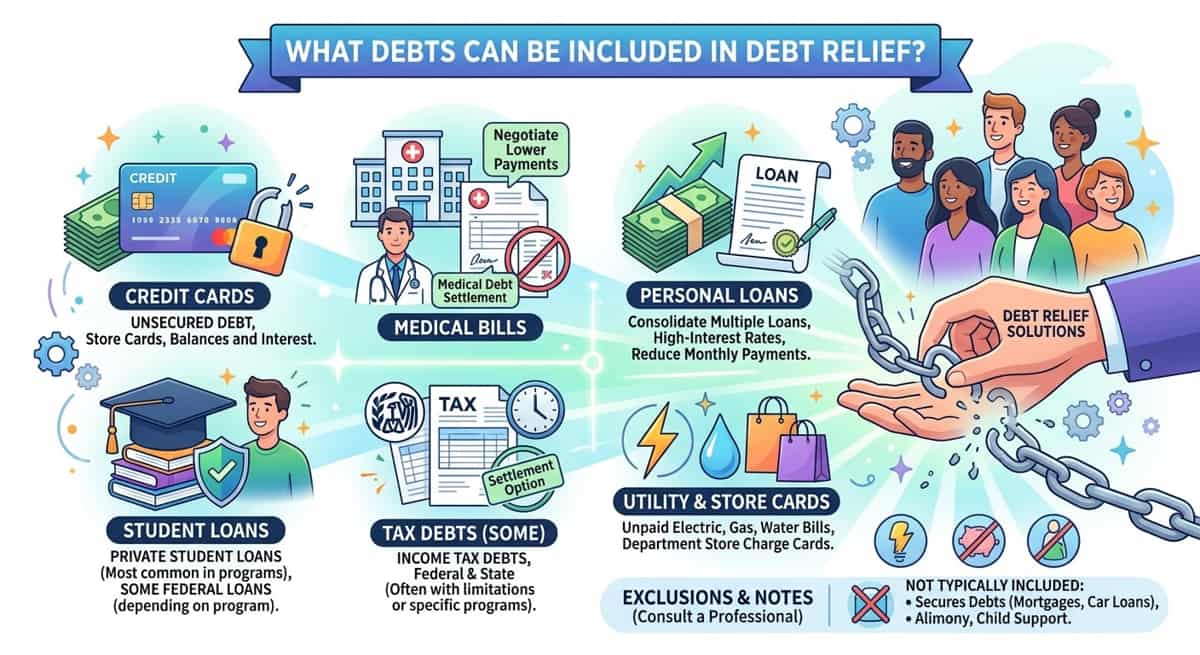
One important thing to know: debt settlement generally only works for unsecured debt credit cards, personal loans, medical bills. It doesn't apply to things like your mortgage or car loan, since those are tied to property the lender can repossess.
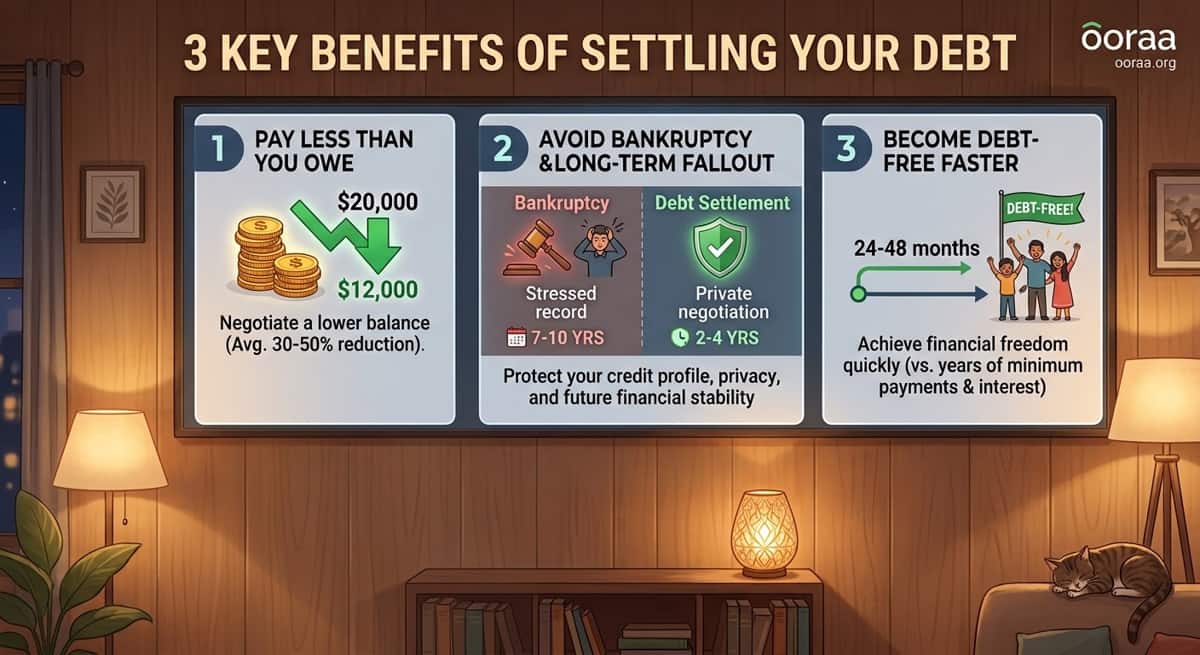
3 Key Benefits of Settling Your Debt
Here's what settling debt can actually do for your finances and for your peace of mind.
1. You Pay Back Less Than You Actually Owe
This is the most obvious benefit, and it's a big one. Depending on the creditor and your situation, settlements often bring your balance down by somewhere around 30% to 50%. So if you owe $20,000 across a few credit cards, a successful settlement might mean you actually pay somewhere around $10,000 to $14,000 to be done with it instead of the full amount plus years of interest.
Why would a creditor agree to take less? Because from their side, a partial payment now is often better than the risk of getting nothing at all. Chasing an unpaid debt through collections or lawsuits costs them time and money too, so many are willing to settle rather than keep pushing for the full amount.
For a lot of South Asian households, this reduction matters in a very real way. If you're sending money home to parents, saving for a child's education, or covering a wedding or medical expense for extended family, every dollar that debt no longer takes from you is a dollar that can go toward the people who actually need it.
2. You Avoid Bankruptcy and Its Long-Term Fallout
Bankruptcy can feel like the only way out when debt piles up, but it comes at a steep cost. A bankruptcy filing can stay on your credit report for 7 to 10 years, making it much harder to get approved for loans, credit cards, or even some rentals during that time. Debt settlement, by comparison, tends to affect your credit for a shorter stretch and doesn't carry the same public record.
There's also a piece that matters specifically for immigrant families. Bankruptcy itself isn't something that blocks a green card or citizenship application. But financial instability can still complicate things when you're filing paperwork like an affidavit of support for a family member, since those forms often ask about your financial history and ability to provide support. This isn't legal advice if immigration paperwork is part of your situation, it's worth talking to an immigration attorney directly but it's a reason many families prefer to resolve debt through settlement rather than take on the more public, longer-lasting mark of bankruptcy.
There's also the community side of things. In a lot of South Asian communities, financial struggles are something people don't talk about openly, and a bankruptcy filing can feel exposing in a way that a private settlement negotiation doesn't.
3. You Get to Debt Freedom Faster
If you're only making minimum payments on high-interest credit cards, you could be stuck paying off the same debt for 15, 20, even 30 years, with most of your payment going toward interest instead of the actual balance. Debt settlement programs, on the other hand, are often designed to wrap up within 24 to 48 months.
That difference isn't just about the calendar. It's about what you get your life back for. Less time spent stressed about collection calls. More room in your monthly budget to actually save for a down payment on a home, for your kids' education, for a trip back home to see family you haven't seen in years. Debt settlement won't erase every financial worry, but for many people, having a clear end date changes everything about how manageable the situation feels.
What South Asian Families Should Think About Before Settling
Debt doesn't exist in a vacuum, and for a lot of South Asian households in the US, there are a few extra layers worth thinking through.
Shared and informal financial obligations. It's common to have co-signed a loan for a sibling, or to have an informal understanding that you'll help repay money borrowed from family. These arrangements aren't always something a settlement negotiation can touch, so it helps to be clear about what debt is actually yours before you start the process.
Remittances and support back home. If part of your monthly budget already goes toward supporting parents or relatives abroad, it's worth factoring that into whether you can realistically save toward a lump-sum settlement, or whether a longer-term plan makes more sense for your situation.
The reluctance to ask for help early. In many families, money problems are kept private, sometimes until they've gotten a lot worse than they needed to. The earlier you reach out to a credit counselor, the more options you'll usually have. Waiting rarely makes debt easier to deal with.
Future financial milestones. If buying a home, sponsoring a family member, or applying for a major loan is somewhere in your future, it's worth understanding how a settlement might show up on your credit history so there are no surprises later.
Language support is available. If English isn't your first language or you'd simply feel more comfortable discussing this in your own language, many nonprofit credit counseling agencies offer support in Hindi, Urdu, Bengali, Tamil, and other South Asian languages. Don't hesitate to ask when you call.
The Trade-Offs You Should Know
No debt relief option is perfect, and it wouldn't be fair to only tell you the good parts. Here's what to weigh before deciding:
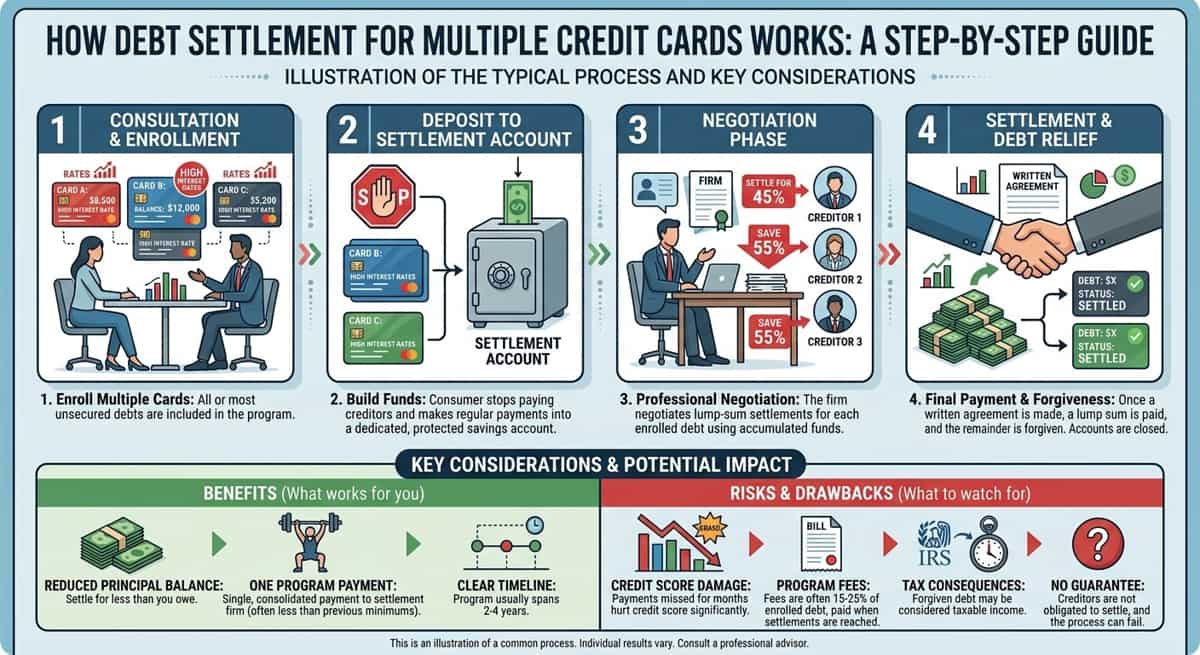
Your credit score will likely dip while you're going through the settlement process, especially if you stop making payments in order to build up a lump sum. It typically recovers over time once accounts are settled.
Forgiven debt can be taxable. If a creditor writes off part of what you owed, the IRS may treat that forgiven amount as income, and you could receive a 1099-C form. It's worth talking to a tax professional about how this could affect you.
Creditors may still pursue collection or legal action while you're negotiating, since there's no guarantee they'll agree to settle.
Not all debt qualifies. Secured debts like your mortgage or car loan, along with most student loans, generally aren't eligible for settlement.
Watch out for scams. Legitimate companies won't ask for large upfront fees before doing any work. Under strict federal regulations and Ooraa's $0 upfront fee policy, you only pay service fees after a debt is successfully settled and approved by you.
Is Debt Settlement Right for You?
A few honest questions can help you figure out if this path fits your situation:
Is your debt mostly unsecured (credit cards, personal loans, medical bills)?
Could you realistically save up a lump sum over the next year or two?
Are you more concerned about a shorter, more intense process than a longer, steadier one?
Can you handle a temporary dip in your credit score for a longer-term payoff?
If most of your debt is secured, or your income is stable enough to keep up with a structured repayment plan, a debt management plan might actually suit you better. And if your debt is significantly larger than your income can ever reasonably cover, bankruptcy may genuinely be the more responsible option, despite its downsides. There's no one right answer, just the one that fits your numbers and your life.
How to Get Started Safely
Add up everything you owe and take an honest look at what's coming in and going out each month.
Talk to a nonprofit credit counselor first. Look for one affiliated with the National Foundation for Credit Counseling (NFCC) ; the initial consultation is usually free.
Check any settlement company before signing anything. Look them up in the CFPB's complaint database and check their rating with the Better Business Bureau.
Understand exactly what you'll be charged, and confirm there's no fee due until a debt is actually settled.
Get every agreement in writing before you send a single payment, so there's no confusion about what was promised.
Bringing It All Together
Settling your debt can mean paying back less than you owe, avoiding the long shadow of bankruptcy, and getting to a debt-free life faster than years of minimum payments ever would. For families balancing bills here with responsibilities back home, that can make a real difference not just financially, but in terms of stress and peace of mind.
That said, it isn't a one-size-fits-all fix. The right move depends on how much you owe, what kind of debt it is, and what your life actually looks like right now. Before you commit to anything, it's worth having a conversation with a nonprofit credit counselor who can look at your full picture and help you decide what makes sense.
Ready to Get Started?
Get a free consultation with a certified debt consultant to see if debt settlement is right for you.
Get Free ConsultationAbout the Author
Bhupinder Bajwa
.
Related Articles
What Debts Can Be Included in Debt Relief?
13 min read

Debt Settlement for $20,000 in Credit Card Debt: What to Expect
11 min read
Debt Settlement for Multiple Credit Cards: How Does It Work?
10 min read
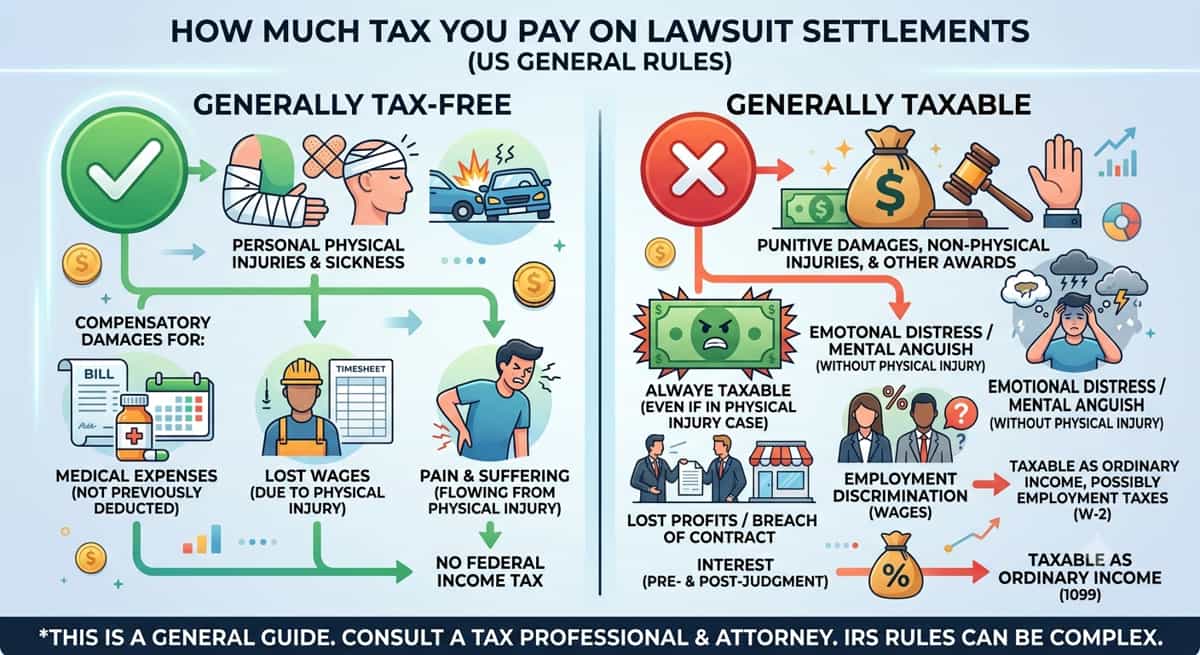
How Much Tax You Pay On Lawsuit Settlements
9 min read
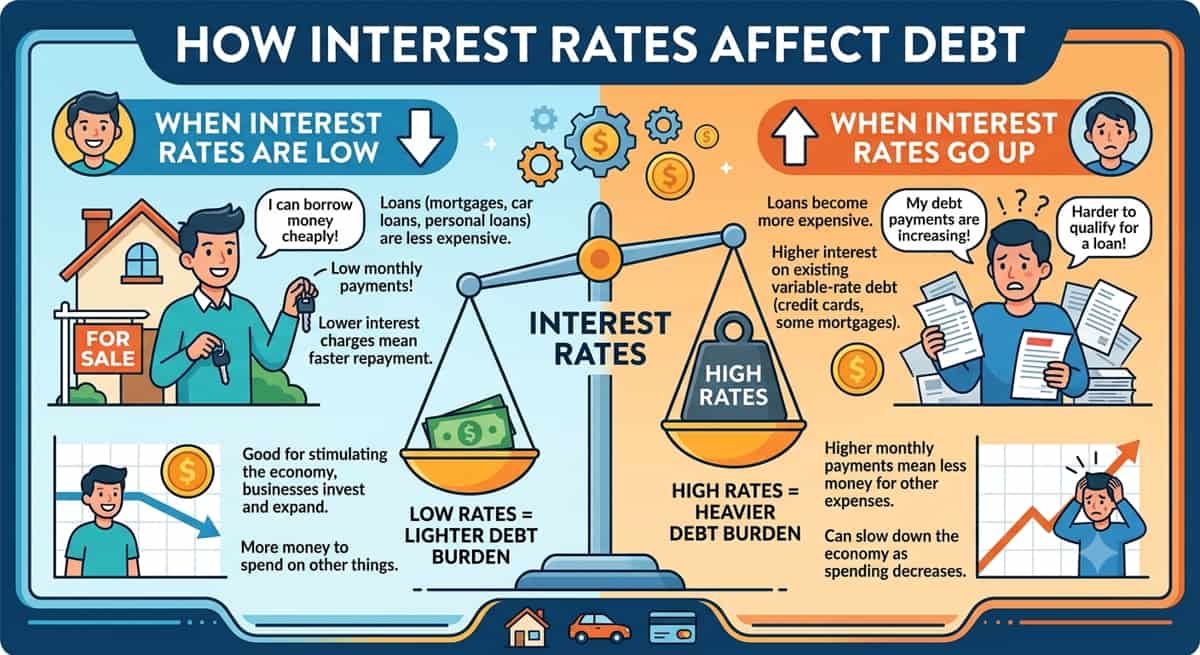
How Interest Rates Affect Debt
13 min read
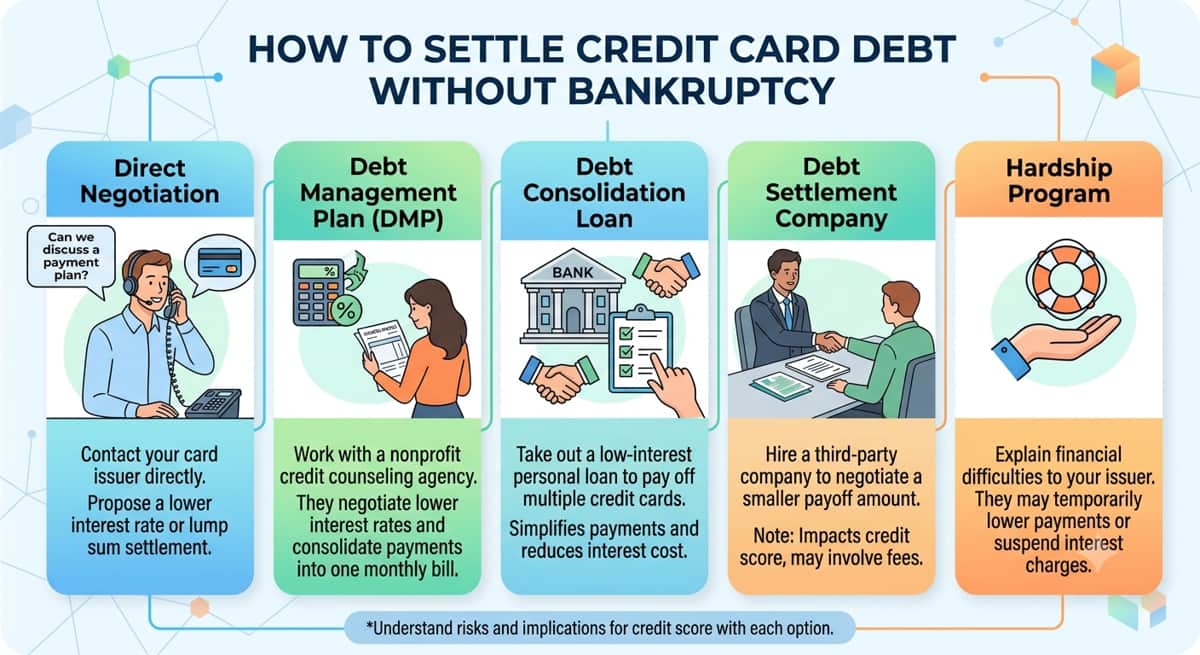
How Can You Settle Credit Card Debt Without Bankruptcy?
12 min read
Get Your Free Consultation
Speak with a certified debt consultant to explore your options.
Start NowNo obligation • Free consultation