Does Debt Affect Your Credit Score?
Moving to the United States brings a whirlwind of changes, from navigating cold winters to adjusting to a fast-paced lifestyle. But one of the biggest shifts for South Asian families is mastering the American financial system. Back home in countries like India, Pakistan, or Bangladesh, avoiding debt is often a matter of pride. Many of us prefer to buy things in cash, believing that if you can't pay for it upfront, you don't buy it.
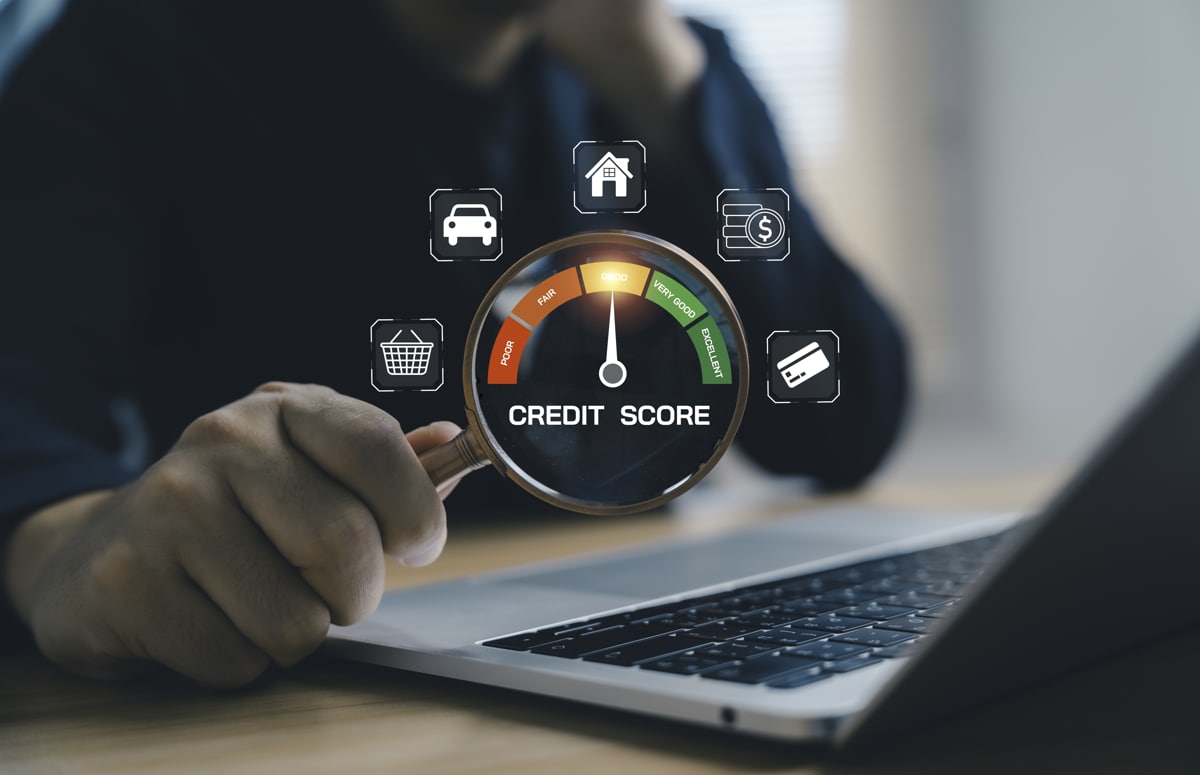
In the US, however, avoiding debt completely can actually hold you back. Yes, debt absolutely affects your credit score, but it isn’t always a bad thing. In America, your credit score is your financial passport. It dictates whether you can buy a home, lease a car, or even start a business. Understanding how debt impacts this score is the first step toward building a secure, prosperous life for your family in your new home.
Is Debt Bad for Your Credit Score?
Debt affects your credit score but debt itself isn't automatically bad. What actually moves your score is how you manage it: whether you pay on time, how much of your available credit you're using, and how much total debt you're carrying.
Here are the three biggest levers:
Payment history - paying on time matters more than almost anything else
Credit utilization - how much of your credit limit you're actually using
Total debt load - how much you owe compared to what you earn and what's available to you
Owing money isn't the problem. Mismanaging it is. The rest of this guide breaks down exactly how that plays out, and what it means if you're building credit in the U.S. for the first time.
What Is a Credit Score?
A credit score is a three-digit number, usually between 300 and 850, that tells lenders how likely you are to pay back money you borrow. The higher the number, the more lenders trust you. It affects whether you can rent an apartment, get approved for a credit card, buy a car, or one day get a mortgage and it can even affect your car insurance rate.
Here's what nobody tells you before you land in the U.S.: your credit history from back home doesn't transfer. It doesn't matter if you always paid your bills on time in India, Pakistan, Bangladesh, Sri Lanka, or Nepal the U.S. credit system doesn't see any of that. You're not starting with bad credit. You're starting with no credit, which is a completely different thing, even though it can feel just as frustrating.
That's an important distinction to hold onto as you read the rest of this guide. Most of what follows is really about two different journeys: managing debt you already have, and building a credit history if you're starting from zero.
How Debt Affects Your Credit Score: The 5 Things That Actually Matter
Your credit score isn't one mysterious number, it's built from five specific ingredients. Understanding them takes the mystery out of the whole thing.
1. Do You Pay on Time? (This Is the Big One)
This is the single most important factor in your score. Paying even a few days late usually isn't reported, but going 30 days or more past due can knock your score down and it can stay on your report for up to seven years. If you only remember one thing from this article, let it be this: set up autopay, even just for the minimum amount, so a busy week never accidentally costs you years of progress.
2. How Much of Your Credit Are You Using?
This is called your credit utilization, and it's simply how much debt you're carrying compared to your total credit limit. If your credit card limit is $5,000 and you're carrying a $4,000 balance, that's 80% utilization and that will hurt your score, even if you're never late on a payment.
This one catches a lot of people off guard. Maybe you put a plane ticket home or a family medical bill on your credit card and plan to pay it off over a few months. That's completely understandable but while that balance sits there, it's quietly pulling your score down. A good rule of thumb is to try to keep your balance under 30% of your limit, and under 10% if you're aiming for an excellent score.
3. How Long You've Had Credit
The longer your credit history, the better which is exactly why starting from scratch in the U.S. can feel like such an uphill climb. This is also why closing your oldest credit card, even one you barely use, can actually hurt your score. It shortens your credit history and reduces your available credit at the same time.
4. The Mix of Debt You Have
Lenders like to see that you can handle different types of credit responsibly for example, a credit card (revolving credit) along with a car loan or student loan (installment credit). This matters, but it's a smaller factor, and it's never worth taking on debt; you don't need just to "diversify" your credit.
5. How Often You Apply for New Credit
Every time you apply for a new credit card or loan, it creates a small, temporary dip in your score called a hard inquiry. One or two inquiries are no big deal. But if you apply for five credit cards in a month because you're eager to build credit fast, that pattern can actually work against you.
Not All Debt Affects Your Score the Same Way
Debt isn't one single thing and it's worth understanding how different types show up on your credit report.
Credit card debt is the most sensitive to your score, because it directly affects your utilization. This is usually the fastest debt to either hurt or help you, depending on your balance.
Student loans are installment debt, meaning you pay a fixed amount over time. If you came to the U.S. as an international student and are now repaying loans, consistent on-time payments here can actually be one of the best ways to build a strong history.
Medical debt works differently than people expect. As of recent credit reporting changes, paid medical debt no longer shows up on your credit report at all, and small unpaid medical bills under $500 are typically excluded too. So a medical bill sitting in a drawer isn't automatically wrecking your score but it's still worth resolving.
Personal loans, including debt consolidation loans, can actually help your score if you use them to pay off high credit card balances, since they lower your utilization.
Buy Now, Pay Later plans are becoming more common, and right now, reporting to credit bureaus is inconsistent; some providers report, some don't. Don't assume it's invisible to your credit file; treat it like any other debt you need to repay on time.
Money borrowed from family or through community savings circles (sometimes called committees, chit funds, or ROSCAs in South Asian communities) never shows up on a U.S. credit report at all. But if repaying that money strains your budget and causes you to miss other bills, it can still hurt your credit indirectly so it's worth tracking just as carefully.
Common Debt and Credit Situations for South Asian Families in the U.S.
If you're part of a South Asian family or community in the U.S., a few situations tend to come up again and again and they're rarely talked about openly, even though they're extremely common.
Starting with no credit history. As mentioned earlier, this isn't a bad score, it's an empty file. Lenders simply have nothing to judge yet. The fix is building history, not repairing damage.
Cosigning for a spouse, sibling, or child. It's common to cosign a car loan, apartment lease, or credit card for a family member who's newer to the country or still building their own credit. What's important to know is that this debt shows up on your credit report tooif they miss a payment, your score takes the hit, not just theirs.
Balancing remittances with U.S. bills. Many people send money home regularly to support parents or extended family. That's a meaningful and often non-negotiable part of the budget but it means less room for error if a credit card bill or loan payment comes due the same week. Building a small buffer specifically for bill due dates can prevent a lot of stress.
Not wanting to talk about it. In a lot of South Asian households, debt is something you handle quietly, not something you discuss, even with close family. That silence can delay asking for help until a small problem becomes a bigger one. There's no shame in using a credit counselor or advisor; it's simply a resource, the same way you'd consult a doctor or an accountant.
A quick way to build history fast. If a trusted family member adds you as an authorized user on their older credit card, their positive payment history can start showing up on your credit report too even if you never use the card. It's one of the fastest, lowest-risk ways to get a head start.
Does Paying Off Debt Improve Your Credit Score Right Away?
Often, yes but not instantly, and not always dramatically. When you pay down a credit card balance, your utilization drops, and that usually improves your score within one to two billing cycles, once the lower balance is reported to the credit bureaus.
If you pay off a loan that was already sent to collections or written off, it won't disappear from your credit history but it does stop causing further damage, and it can make a real difference when a lender is manually reviewing your application.
The main thing to keep in mind: credit score recovery is gradual. There's no single payment that instantly transforms your score overnight, but consistent, on-time payments and lower balances build momentum steadily, month after month.
How to Manage Debt Without Hurting Your Credit Score
Automate your minimum payments. Even if you can't pay the full balance, paying on time every month protects the biggest factor in your score.
Keep your balances low relative to your limit. If you can't pay a card off completely, try to at least keep it under 30% of the limit.
Don't close your oldest card, even if you rarely use it it's quietly helping your credit history and your available credit.
Check your credit report for free at AnnualCreditReport.com, and dispute anything that looks wrong. Errors are more common than people think.
Build a small emergency fund, even $500–$1,000, so an unexpected car repair or medical bill doesn't have to go on a credit card.
If you're starting from zero, a secured credit card or a credit-builder loan is one of the safest ways to start building history.
When to Consider Debt Relief Options
Sometimes debt goes beyond something you can manage with better habits alone and that's a normal thing to run into, not a personal failure. A few signs it may be time to look into extra help:
You're only able to pay the minimum, and your balance barely moves
You're using credit cards to cover everyday necessities like groceries or rent
You're avoiding opening bills or checking your balance
If any of that sounds familiar, there are legitimate options worth knowing about:
Credit counseling through a nonprofit agency is often free or low-cost, and a counselor can help you build a realistic plan.
Debt management plans combine your debts into one monthly payment, often with reduced interest rates, arranged through a credit counseling agency.
Debt consolidation loans pay off multiple high-interest debts with a single, often lower-interest loan which can also improve your utilization.
Debt settlement involves negotiating to pay less than what you owe. It can reduce your total debt, but it typically causes a short-term dip in your credit score, so it's worth understanding fully before choosing this path.
One important note: stick to nonprofit, accredited credit counseling agencies (look for NFCC affiliation). Unfortunately, there are companies that promise to "erase" debt for a large upfront fee and don't approach any offer that sounds too good to be true with caution.
Key Takeaways
Debt itself isn't what damages your credit score. Paying on time and keeping your balances low will do more for your score than almost anything else you can control. And if you're building credit from zero after moving to the U.S., know that you're not behind you're simply starting a new chapter, and there are clear, proven ways to build a strong credit history from here.
If you're not sure where you stand or which option makes sense for your situation, talking to a nonprofit credit counselor or a trusted financial advisor is a good next step. It costs little to nothing to get clarity, and it can save you a lot of stress down the road.
Ready to Get Started?
Get a free consultation with a certified debt consultant to see if debt settlement is right for you.
Get Free ConsultationAbout the Author
Bhupinder Bajwa
.
Related Articles
The Ultimate Guide To Side Hustles To Pay Off Debt
12 min read
10 Reasons Why You Should Pay Off Debt
9 min read
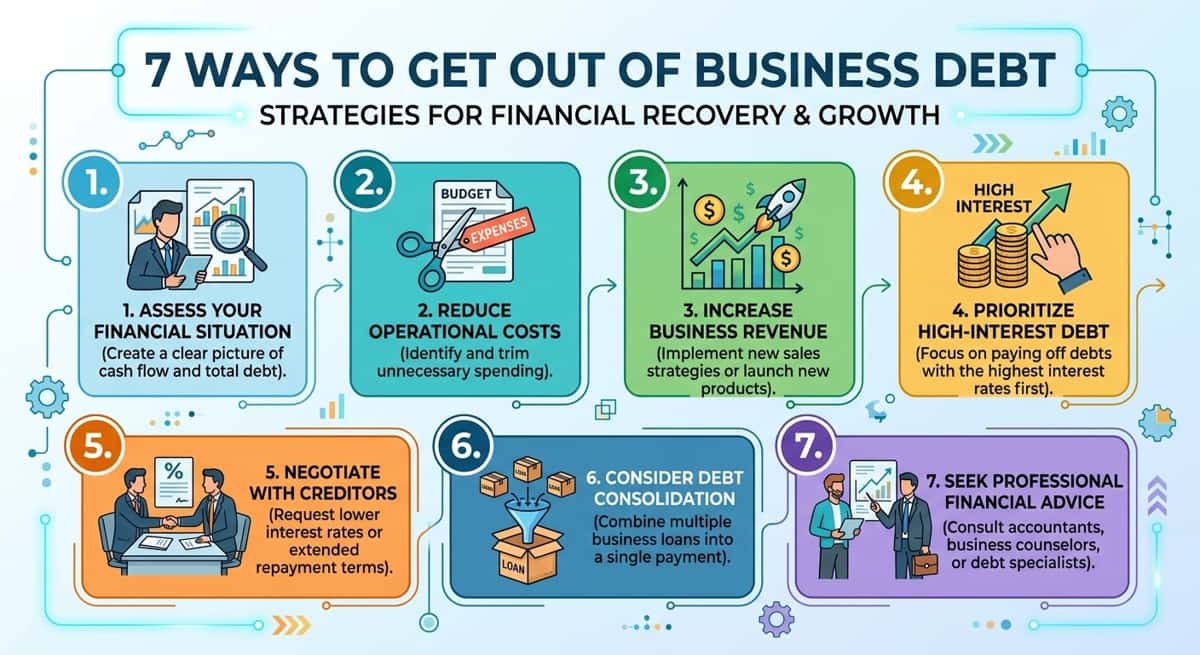
7 Ways To Get Out Of Business Debt
11 min read
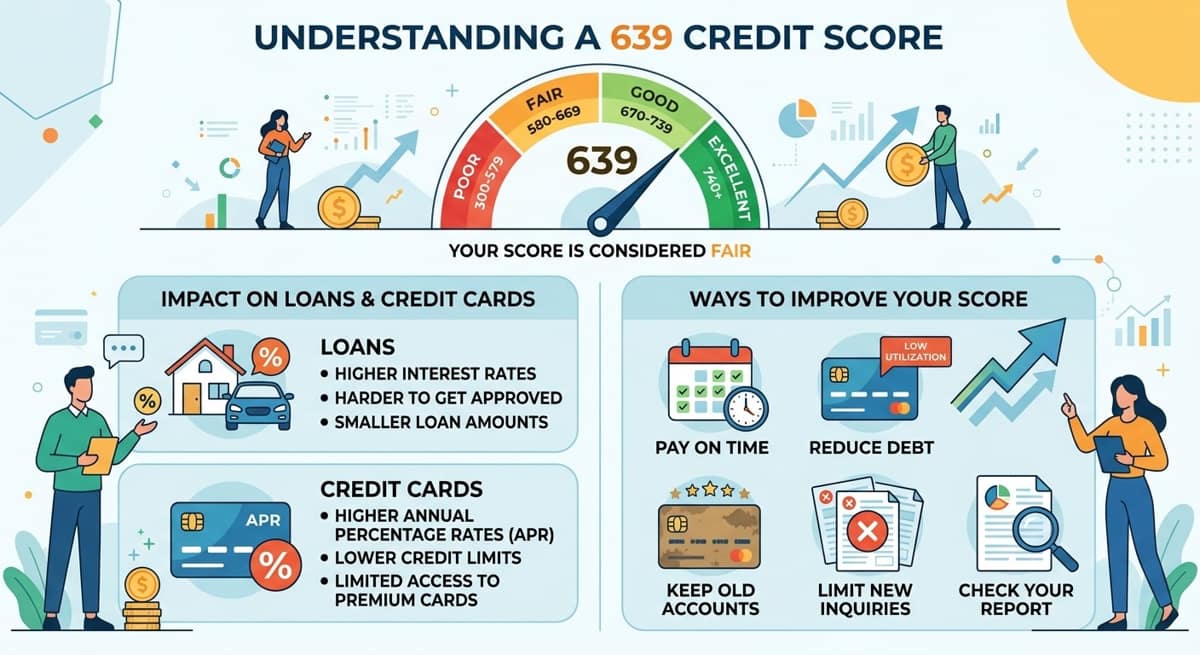
Is 639 A Good Credit Score? How It Affects Loans, Credit Cards And Ways To Improve It
12 min read
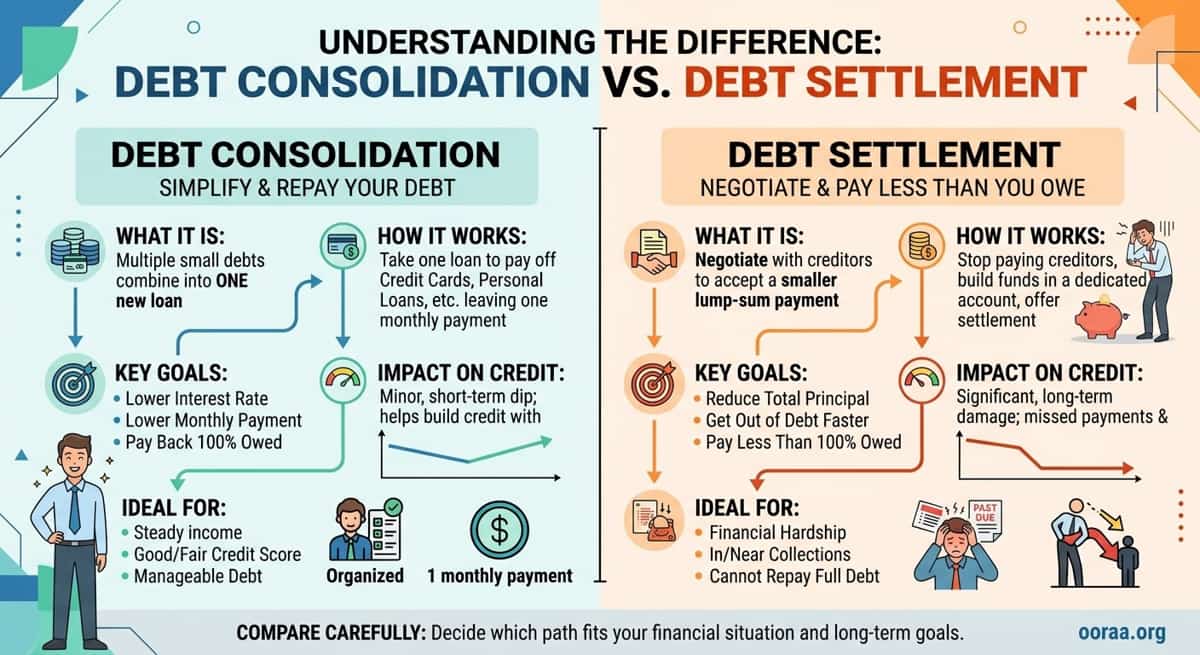
What’s The Difference Between Debt Consolidation And Debt Settlement?
12 min read
Can You Consolidate Debt With a Low Credit Score?
11 min read
Get Your Free Consultation
Speak with a certified debt consultant to explore your options.
Start NowNo obligation • Free consultation