Can I Use My Roth IRA to Pay Off Debt?

Yes, you can use money from your Roth IRA to pay off debt. The money you put in (your contributions) can come out anytime with no tax and no penalty. But the growth on that money (your earnings) may be taxed and hit with a 10% penalty if you take it out early. And whatever you take out is gone from your retirement.
If your credit card bills or loan payments feel heavy, it's natural to look at your Roth IRA and think, "That money is just sitting there." Many people in the US have the same thought. The good news is you have options. The better news is that the answer is not as scary as you might expect, as long as you know the rules before you act.
Can You Use Your Roth IRA for Debt?
Think of your Roth IRA as having a few different "buckets" of money. Each one follows different rules.
Contributions: The money you put in. You can take it out anytime, with no tax and no penalty.
Earnings: The growth of your money. If you're under 59½, you'll usually owe income tax plus a 10% penalty, unless an exception applies.
Converted money: Money you moved over from a traditional IRA or old 401(k) if you're still weighing how a traditional 401(k) compares to a Roth IRA, the tax rules differ at withdrawal. Converted funds also have their own five-year timing rule.
So yes, you can do it. But just because you can doesn't mean you should. Let's look at why.
How Roth IRA Withdrawals Work
You fund a Roth IRA with money you've already paid tax on. Because of that, the IRS lets you take those same dollars back without taxing them again. That's your contribution money.
Earnings are different. That's the growth your investments made, like interest, dividends, and price gains. The tax break on earnings is meant to reward you for leaving the money alone until retirement.
When you take money out, IRS Publication 590-B sets a fixed order: contributions first, then converted money, then earnings. This helps you, because it means you reach your tax-free money first.
A simple example:
Say you've put $10,000 into your Roth IRA over the years, and the account is now worth $12,000. That means $10,000 is contributions and $2,000 is earnings.
If you take out $8,000, it all comes from your contributions. No tax, no penalty.
If you take out the full $12,000, the last $2,000 is earnings. That part may be taxed and hit with the 10% penalty.
Here's a quick look:
What you withdraw | Taxed? | 10% penalty? |
Contributions | No | No |
Converted money | No (already taxed at conversion) | Possibly, if taken out within five years of the conversion |
Earnings (before 59½, no exception) | Yes | Yes |
When a Roth IRA Withdrawal Is Fully Tax-Free
The IRS calls a withdrawal "qualified" when everything, including earnings, comes out tax-free and penalty-free. To get there, two things need to be true:
You're 59½ or older.
Your Roth IRA has been open for at least five years.
The five-year clock is a little tricky. It starts on January 1 of the year you make your first contribution, not the day you open the account. So if you open a Roth IRA in 2020 but make your first contribution in 2026, your clock starts in 2026. You could take earnings out tax-free in 2031 (once you're also 59½).
Money you convert from a traditional IRA has its own five-year timing. This matters if you're under 59½, so check the details before you move any converted money.
If you're paying off debt today and you're under 59½, you're most likely not in the "fully tax-free" zone. That's why it's so important to know which bucket your money comes from.
Penalty Exceptions That Could Apply
Under IRS Topic No. 557, you can skip the 10% penalty on earnings in some situations. Some common ones include:
Buying your first home: Up to $10,000 over your lifetime.
Birth or adoption: Up to $5,000 per child.
Total and permanent disability.
Certain medical costs: Costs above a set share of your income, as set by the IRS.
Two things to keep in mind. First, skipping the penalty doesn't always mean skipping the tax. You may still owe income tax on any earnings you take out. Second, paying off debt is not on the list. A credit card balance on its own doesn't earn you a penalty break.
These rules can change, so check the current IRS guidance or ask a tax professional before you act.
The Real Cost of Using Your Roth IRA to Pay Off Debt
Taxes and penalties are only part of the story. The bigger cost is often what you can't see right away.
You can't easily put the money back
A Roth IRA has a yearly limit on how much you can add. Under the IRS IRA contribution limits for 2026, that limit is $7,500, or $8,600 if you're 50 or older. That's the most you can put in across all your IRAs, no matter how much you took out before.
So if you take out $15,000 to pay off a credit card, it could take two years or more of full contributions just to get back to where you started. Many people can't afford to put in the full amount every year, so it takes even longer.
There is one narrow workaround. If you change your mind within 60 days of a withdrawal, you may be able to roll the money back in. But this can only be done once every 12 months, and the deadline is strict. It's a safety net, not a plan.
You lose years of tax-free growth
This is the part most people miss. Money in a Roth IRA can keep growing tax-free for decades. Take it out, and it stops working for you.
Here's a simple example. Say you take out $10,000 at age 40. If that money had stayed invested and grown at about 7% a year for 25 years, it could have been worth around $54,000. That growth rate is only an example and isn't a promise, since markets go up and down. But the point is clear: $10,000 pulled out today can cost you much more than $10,000 later.
Taxes and penalties if you dip into earnings
Let's say you're under 59½ and you take out $2,000 of earnings. If you're in the 22% tax bracket, you'd owe about $440 in income tax plus a $200 penalty. That's $640 gone, or nearly a third of what you took out. And that's before you count the lost growth.
When It Might Make Sense
For some people, a Roth IRA withdrawal can be a reasonable last step. It may be worth considering if:
Your debt has a very high interest rate, and you're stuck paying mostly interest.
A serious problem is close, like wage garnishment, a lawsuit, or losing your home.
You're taking out only your contributions, not your earnings.
You've looked at cheaper options and none of them work.
You have a plan so the debt doesn't come back.
Here's a gut-check. A Roth IRA is a last-resort tool, not a first move. If you've tried the other options and you're only touching contributions, it may be fine. If you're reaching for it because it feels like the easy answer, it's worth slowing down.
When It's Usually a Bad Idea
Using your Roth IRA for debt is usually a poor choice if:
You'd have to take out earnings and pay both tax and a penalty.
Your debt has a low interest rate, like some student loans or a car loan. Your investments may earn more than you'd save by paying it off.
You haven't built a budget yet. Without a realistic plan to become debt-free, the debt can creep back, and then you'd have less debt relief and less retirement money.
You're close to retirement and don't have much saved.
There's also something many people don't know. In many cases, retirement accounts have strong protection if you ever file for bankruptcy. The rules vary by state and by the type of account. If you're considering bankruptcy, emptying your retirement account to pay unsecured debt, like credit cards, could backfire. Talk to a bankruptcy attorney before you decide.
Roth IRA vs. Other Ways to Pay Off Debt
Before you touch your retirement, look at what else is out there. Here's a quick comparison:
Option | Best for | Main risk |
Balance transfer card | Credit card debt you can pay off in a year or two | Fees, and a high rate if the balance isn't paid in time |
Debt consolidation loan | Several debts at high rates | You need decent credit, and you must avoid running up the cards again |
Debt management plan (through a nonprofit credit counselor) | People who want one payment and lower interest | Takes three to five years, and cards are usually closed |
Negotiating or settling debt | Debt that's far behind | Can hurt your credit and may create a tax bill |
401(k) loan | People with a steady job who can repay quickly | If you leave your job, you may have to repay fast or face tax and penalties |
Cutting spending and using the snowball or avalanche method | People with some room in their budget | Takes time and discipline |
If you're not sure where to start, a nonprofit credit counseling agency can review your full picture for free or at a low cost. Look for one that's a member of the National Foundation for Credit Counseling (NFCC). They'll walk you through your choices with no pressure.
How to Decide: A Simple 5-Step Checklist
If you're still on the fence, work through these steps in order:
List every debt. Write down each balance, interest rate, and minimum payment. This shows you where your money is really going.
Check your Roth IRA. Find out how much is contributions and how much is earnings. Your account statements or your IRS Form 5498 can help.
Price out cheaper options first. Compare debt relief loans, check balance transfer offers, and ask a credit counselor about a payment plan.
Work out the true cost. Add up the taxes, the penalty, and the growth you'd give up. Compare that to the interest you'd save.
Talk to a pro before you withdraw. A tax professional or credit counselor can spot costs you might miss.
Take your time. A few days of checking can save you thousands of dollars.
Final Thoughts
Here's the big picture. Your Roth IRA contributions are flexible, your earnings are riskier to touch, and retirement money is hard to replace once it's gone. That doesn't mean using it is always wrong. For some people in a tight spot, taking out contributions can be a fair last step.
But for most people, there are cheaper ways to get out of debt. Start with a clear list of what you owe, look at your options, and make a plan you can stick to. One calm step at a time is all you need.
If you'd like help, explore our debt relief options or request a free debt consultation for a review of your situation. We can help you find a path that fits your budget and protects your future.
Frequently Asked Questions
Can I take money out of my Roth IRA to pay credit card debt?
Yes. There's no rule that says what you can spend the money on. Your contributions come out tax-free and penalty-free. Earnings may be taxed, with a 10% penalty if you're under 59½.
Will I pay taxes if I only withdraw my contributions?
No. You already paid tax on that money before it went in. As long as you stay within what you put in, you won't owe tax or a penalty.
Can I pay the money back into my Roth IRA later?
Only in limited ways. You can add new money up to the yearly limit, which is 7,500for2026(8,600 if you're 50 or older). Or you may be able to roll it back within 60 days, once every 12 months.
Is it better to pay off debt or keep investing in a Roth IRA?
It depends on your interest rate. Very high-rate debt, like many credit cards, often costs more than your investments are likely to earn. Lower-rate debt may not be worth draining your retirement for. A mix of both is often the safest path.
Does using a Roth IRA hurt my credit score?
No. A Roth IRA withdrawal isn't a loan, and it isn't reported to the credit bureaus. Paying down your balances can help your score over time.
Ready to Get Started?
Get a free consultation with a certified debt consultant to see if debt settlement is right for you.
Get Free ConsultationAbout the Author
Bhupinder Bajwa
.
Related Articles
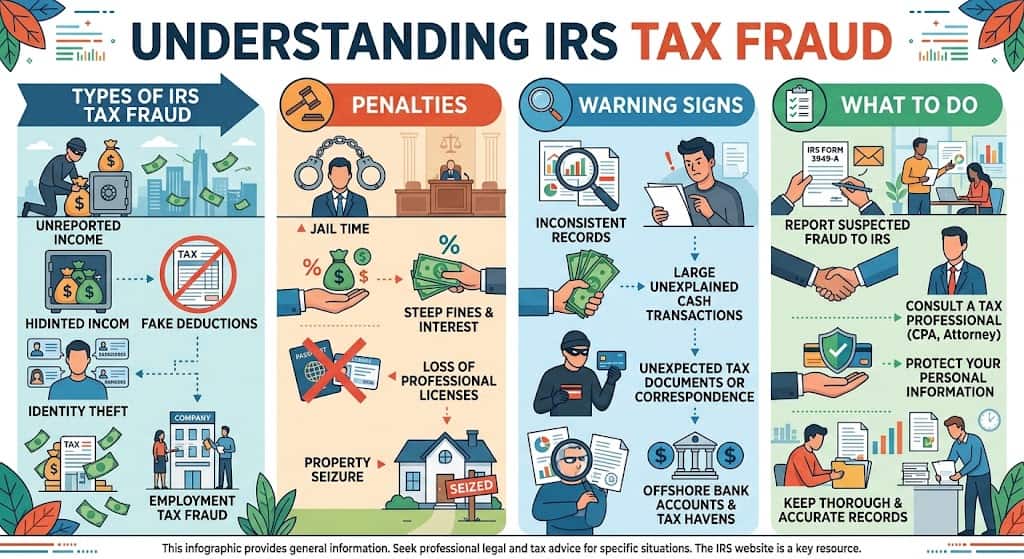
IRS Tax Fraud: Types, Penalties, Warning Signs, and What to Do
11 min read
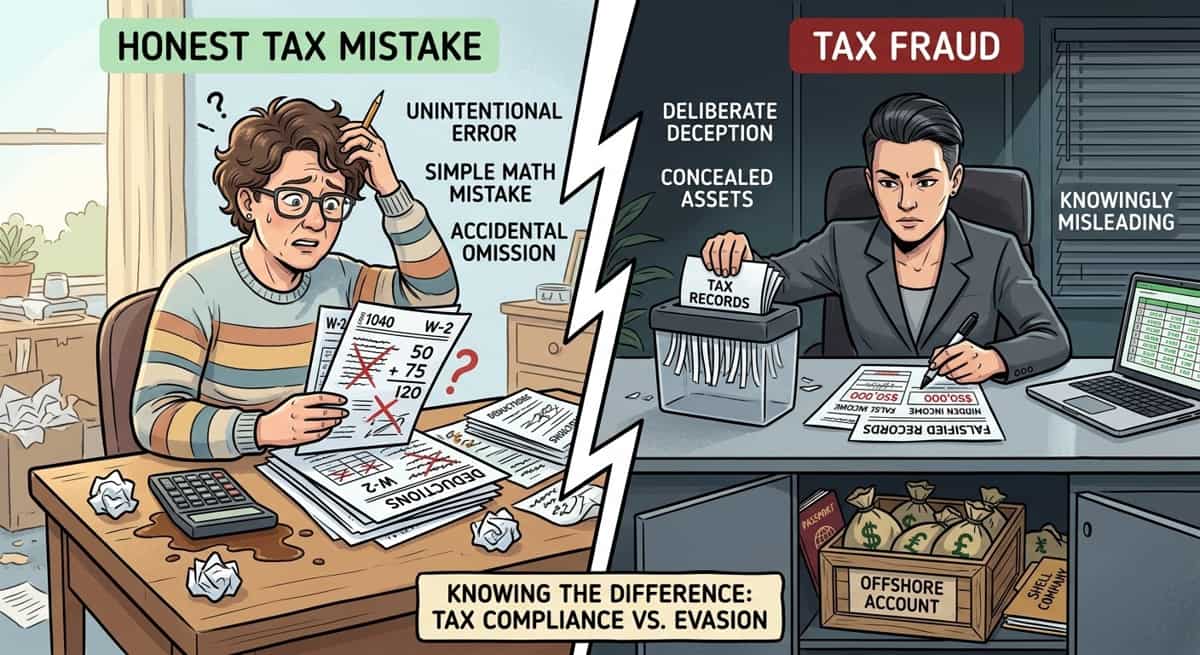
What Is the Difference Between Tax Fraud and an Honest Tax Mistake?
11 min read
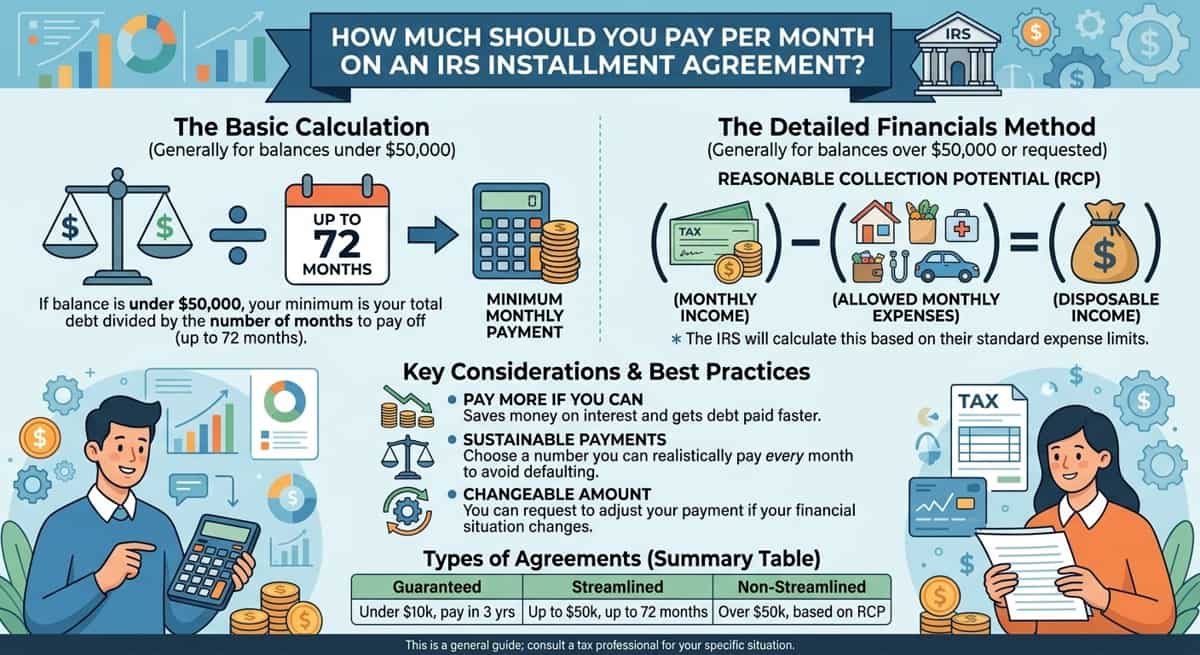
How Much Should You Pay Per Month on an IRS Installment Agreement?
10 min read
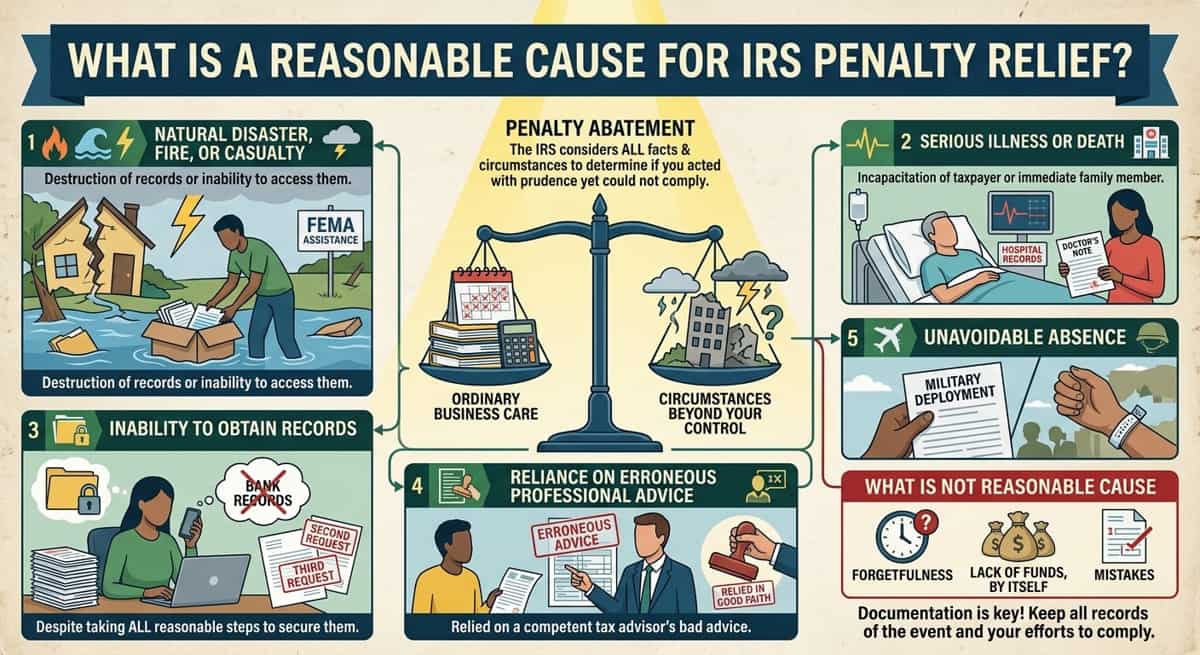
What Is a Reasonable Cause for IRS Penalty Relief
12 min read
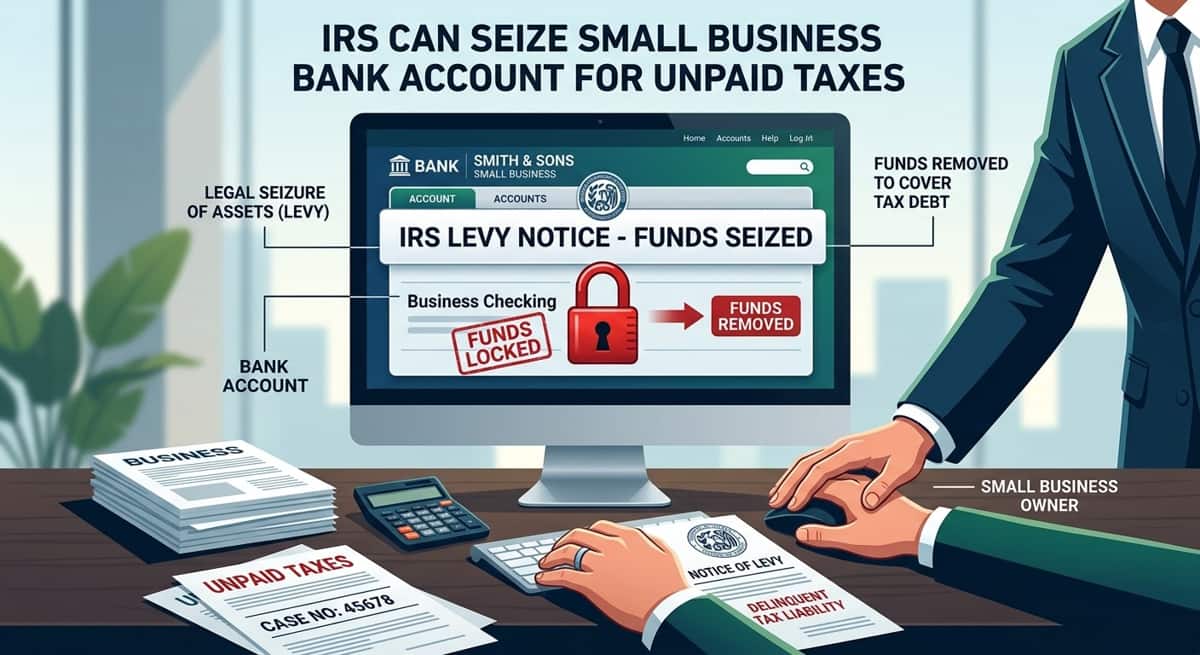
Can the IRS Seize a Small Business Bank Account for Unpaid Taxes?
11 min read
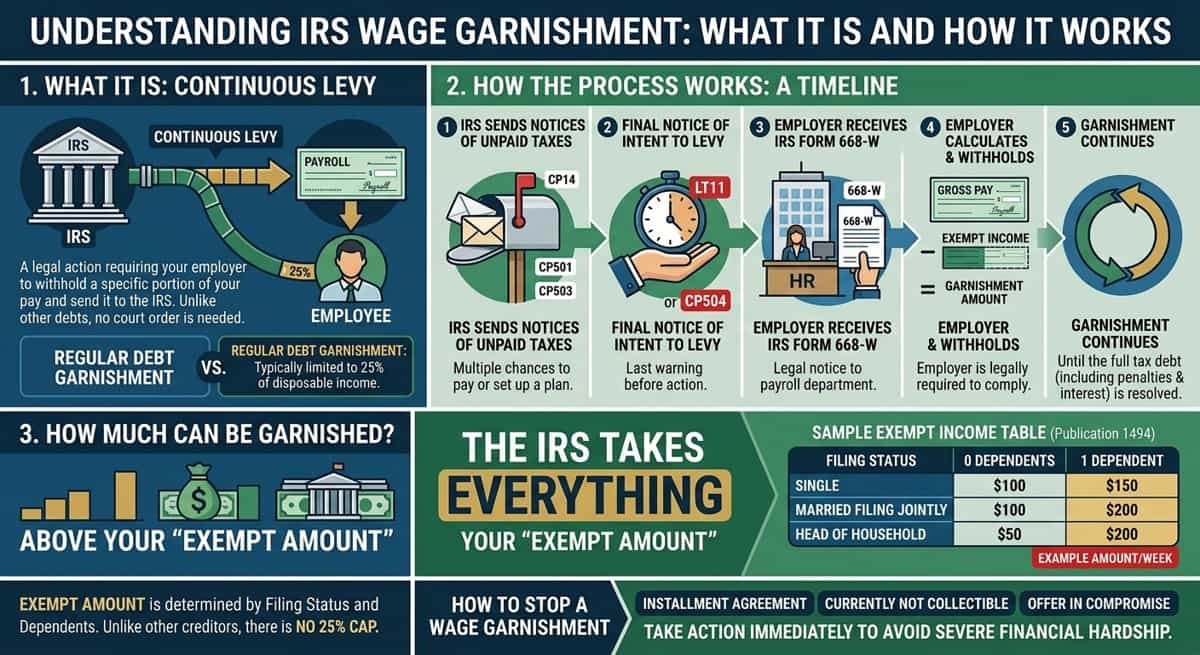
What Is an IRS Wage Garnishment and How Does It Work?
10 min read
Get Your Free Consultation
Speak with a certified debt consultant to explore your options.
Start NowNo obligation • Free consultation