Can I Still Use My Credit Card After Debt Settlement
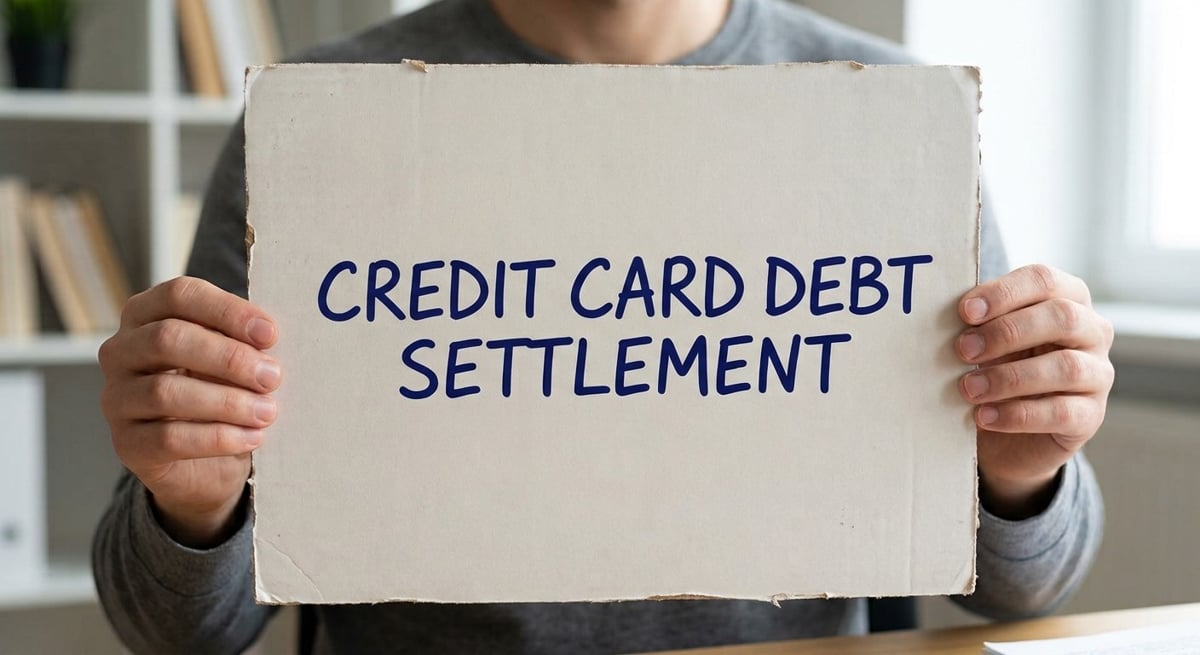
Finally settling your credit card debt can feel like a huge weight has been lifted off your shoulders. But what happens next? Can you still swipe your old credit card, or will you need to apply for a new one? Here's what you should know. In most cases, when you go through a credit card debt settlement program, the creditor closes that account, so you won't be able to use the card for new purchases. You'll also likely see the settlement reported on your credit report, which can affect your credit score. But don't worry, this doesn't mean you're locked out of credit cards forever.
You may still qualify for a new card later, depending on your credit history, income, remaining debts, and payment habits. Knowing what happens after debt settlement can help you avoid common mistakes, rebuild your credit, and make smarter financial choices moving forward.
Can You Use a Credit Card After Debt Settlement?
Usually not the card you settled. In most cases, the creditor closes the card tied to the settled debt, and you can't use it again. Cards you left out of the settlement may keep working for a while, but the issuer can lower your limit or close them later.
Here is how it usually plays out:
The card you settled: almost always closed.
Other cards from the same bank: may stay open, but the bank can review them and cut the limit or close them.
Cards from other banks: often stay open if you're paying them on time, but nothing is guaranteed.
Your situation | What usually happens | What to do |
Card included in the settlement | Closed, can't be used | Plan to rebuild with a different card later |
Another card from the same bank | May be reviewed, limit cut or closed | Keep the balance low and pay on time |
Cards at other banks, paid on time | Usually stay open | Avoid new spending that adds debt |
Cards already closed or charged off | Stay closed | Check that your credit report shows them correctly |
Losing a card does not mean you'll never have credit again. It means you'll rebuild with a different card. We'll cover how below.
Why the Card Usually Closes
Missed payments usually come first
Most people reach settlement after falling behind. The Consumer Financial Protection Bureau (CFPB) says many settlement companies tell you to stop paying your debts while you save up for settlement offers. When payments stop, you usually pick up late fees, penalty interest and more calls from collectors. Once an account is far behind or charged off, the creditor typically closes it. By the time a settlement is agreed, the card is often already shut.
A settled account doesn't reopen
Settling means the creditor accepted less than you owed. Because the balance wasn't paid as agreed, issuers generally don't let you keep borrowing on that account, even if it wasn't officially closed right away. Think of it as that account reaching the end of its road.
Your other cards with the same bank can be reviewed
After a settlement, some issuers take a look at your other accounts with them. If they see negative activity, they can lower your limit or close the card. It isn't automatic, but it happens, so don't count on those cards.
What About Your Other Credit Cards?
Some people keep one card out of the settlement, often one with a small balance that is up to date. That can work. Just know two things.
First, the issuer can still change your limit or close the card. Second, if you're negotiating with other creditors, they may question why you still have credit available and are using it. And if overspending is part of how you got here, an open card can be a temptation. If you keep one, use it only for true emergencies and pay it in full each month so it doesn't turn into new debt.
A debt management plan works differently
A debt management plan (DMP) is not the same as settlement. In a DMP, a nonprofit credit counselor works with your creditors to lower your interest rates, and you repay the full balance over time, often in three to five years. Cards in the plan are typically closed so new purchases don't undo your progress. So if you're comparing the two, expect closed cards either way.
How Settlement Affects Your Credit Score and Card Access
Closed cards can raise your credit utilization
Credit utilization is how much of your available credit you're using. When a card closes, its limit disappears from your total. That can push your utilization up even if your balances don't change.
Here's a simple example, with made-up numbers. Say you have three cards with $5,000 limits, so $15,000 in total, and you owe $3,000 across them. You're using 20% of your available credit. If one card closes, your total limit drops to $10,000, and the same $3,000 is now 30%.
Now picture settling debt across multiple credit cards at once. One debt relief site gives the example of five cards with $15,000 limits each: when they close, you lose $75,000 in available credit. Utilization is a big part of your score, so you may see a drop, and it can show up quickly.
How long the settled status stays on your report
A settled account counts as a negative mark. How long it stays depends on the account's history:
If you were behind before settling, it generally drops off seven years from the first missed payment that you never caught up on.
If the account was in good standing when you settled, the seven years usually start on the settlement date.
Settling does not restart the clock. The mark also matters less as time passes, so your score can start recovering well before the seven years are up. Check your reports to make sure each settled account is labeled correctly.
How to Get a New Credit Card After Debt Settlement
A secured card is usually the easiest way back. You put down a deposit, often equal to your credit limit, and the issuer reports your payments to the credit bureaus. Before you apply, check that the card reports to all three bureaus (Experian, Equifax and TransUnion), that the fees are low, and that your deposit is refundable when you close the card or move up to a regular one. Some people qualify within a few months of settling.
Realistic timelines
Nobody can give you an exact date. Sources vary. A secured card is often possible within a few months, and a regular unsecured card with fair rates commonly takes one to two years of on-time payments. Some sources say scores begin to bounce back within six months to a year.
How fast you recover depends on how much you owed, how the accounts were reported and what the rest of your credit looks like. Treat these as ranges, not promises.
Why you can still be denied
Approval depends on the issuer's own rules, your credit report, your income and how recently you settled. A denial doesn't mean you're locked out. It means that the issuer isn't ready to say yes yet. Applying for several cards in a short time can hurt more than help, so pick one carefully. If the issuer offers a pre-approval check that doesn't affect your score, use it first.
6 Steps to Rebuild Credit After Settlement
Check your credit reports. Pull your reports and make sure each settled account shows the right status and balance. If something is wrong, dispute it with the credit bureau.
Get a secured card or credit-builder option. Choose one that reports to all three bureaus, then use it for a small purchase each month.
Keep your balances low. Try to use only a small slice of your limit, and pay the statement balance in full when you can.
Set up automatic payments. On-time payments are the habit that does the most for your score. Autopay protects you on busy months.
Build a small emergency fund. Even a few hundred dollars means a car repair or medical bill doesn't go straight onto a card.
Check in again after six months. Review your reports and score, see what has improved, and decide whether you're ready to apply for a regular card.
Tax and Fee Facts to Know Before You Settle
As you prepare for the debt settlement process, keep in mind that settlement can come with a tax bill. When a creditor cancels $600 or more of debt, it usually sends you and the IRS a Form 1099-C, and the canceled amount can count as taxable income. There are exceptions. The most common is insolvency, which means your debts were greater than your assets right before the debt was canceled. If that applies, you may be able to exclude some or all of it by filing IRS Form 982. The IRS also expects you to report canceled debt even if you never get a 1099-C. Getting the form doesn't automatically mean you owe tax, so talk with a tax professional before you file. You can read more on the IRS Taxpayer Advocate page on canceled debt.
Federal rules say for-profit companies that sell debt settlement by phone can't charge you until they've settled at least one of your debts and you've made a payment under that settlement. If a company asks for money first, walk away.
Alternatives That Keep Card Access Healthier
Negotiate directly with the creditor
If you are looking to settle credit card debt without bankruptcy, you can call the creditor yourself. This avoids company fees and the stop-paying advice, and you stay in control. The CFPB says settlement companies usually can't get you better terms than you could get on your own. You'll still face the credit and tax effects of settling, so get any deal in writing before you pay.
Nonprofit credit counseling or a debt management plan
A counselor offering credit counseling services can look at your whole budget and may set you up with a DMP. When you look at the consumer credit counseling process, the CFPB notes it does not involve advising you to stop paying your debts. The trade-off is that cards in the plan are typically closed.
Hardship programs or debt consolidation
Some issuers offer hardship programs with lower rates or payments. Exploring debt consolidation options rolls balances into one payment, which can be easier on your credit if you qualify and stick with it. Ask what each option does to your cards before you commit.
Option | Effect on your cards | Effect on credit | Cost |
Negotiating yourself | Settled cards closed | Negative mark for settling | No company fee |
Nonprofit counseling or DMP | Enrolled cards typically closed | Milder, improves as you pay | Varies, ask for fees in writing |
Hardship program | Varies by issuer | Depends on the terms | Usually none |
Debt consolidation | Cards stay open unless you close them | Can help if you pay on time | Interest, possible fees |
Debt settlement company | Settled cards closed | Negative, up to seven years | Fees only after results |
Red Flags When Choosing a Debt Settlement Company
Be careful if a company:
asks for fees before it settles any debt,
guarantees it will make your debt go away,
says it can stop all collection calls or lawsuits,
tells you to stop paying or stop talking to your creditors, or
says it uses a "government program" to pay your bills.
The CFPB lists these as warning signs. Also know the risk: when you stop paying, late fees and interest keep adding up, and a creditor can still sue you. If you're ever sued, don't ignore it.
Key Takeaways and Your Next Step
The card you settled will almost always be closed, but you can rebuild with a secured card.
Settlement affects your score and stays on your report for about seven years, though the impact fades.
Before you settle, compare your options and check for tax and fee surprises.
If you'd like to talk through your options, a nonprofit credit counselor or a licensed professional can walk you through them. Schedule a free debt consultation with Ooraa to review your situation. There's no pressure, and the right choice is the one you feel good about.
Ready to Get Started?
Get a free consultation with a certified debt consultant to see if debt settlement is right for you.
Get Free ConsultationAbout the Author
Bhupinder Bajwa
.
Related Articles
7 Steps to Prepare For the Debt Settlement Process
12 min read

Pros and Cons of Using a Personal Loan to Pay Off Credit Card Debt
12 min read
What Are Debt Relief Loans?
10 min read
Which Debt Should I Pay Off First?
10 min read
Does Debt Settlement Work? What to Know Before You Start
11 min read
What Ignoring Credit Card Debt Really Costs You
10 min read
Get Your Free Consultation
Speak with a certified debt consultant to explore your options.
Start NowNo obligation • Free consultation
Related Posts
- 7 Steps to Prepare For the Debt Settlement Process
12 min read
- Pros and Cons of Using a Personal Loan to Pay Off Credit Card Debt
12 min read
- What Are Debt Relief Loans?
10 min read
- Which Debt Should I Pay Off First?
10 min read