
5 Ways Couples Can Get Out of Debt
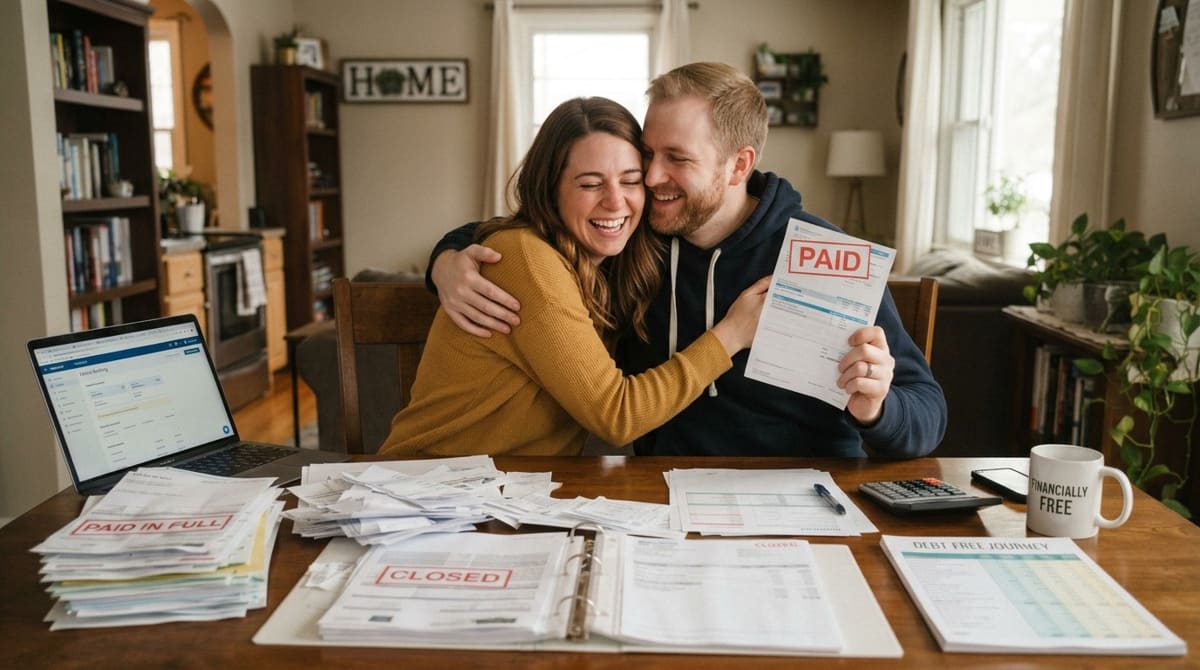
Debt is hard on your bank account. When you share a life with someone, it can be hard on your relationship too. Money stress has a way of showing up in small arguments about groceries, vacations, and who forgot to pay what.
The good news is that you don't need a perfect plan. You need a plan that both of you understand and agree to. To see how common debt is, look at credit cards alone. TransUnion's latest report puts the average credit card balance per consumer at $6,678. If you and your partner owe more than that, you are far from alone.
How Can Couples Get Out of Debt?
Here are the five steps in short:
Put every debt on the table together. Know the full picture before you make any plan.
Choose one payoff method. Pick the debt snowball or the debt avalanche and stick with it.
Build one shared budget and free up extra cash. Give every dollar a job.
Lower what your debt costs. Ask for lower rates, or look at a balance transfer or consolidation loan.
Get professional help if the debt feels too big. A nonprofit credit counselor is a good place to start.
Many couples see early progress within the first few months when they follow these steps in order. The rest of this article explains each step in plain words.
1. Get Everything on the Table, Together
You can't fix what you can't see. The first step is simple but can feel uncomfortable: both of you share every debt, with no hiding and no blame.
Plan a "money date." Pick a calm time. Turn off phones and the TV. Make some coffee or order your favorite takeout. Say at the start, "We're on the same team. The debt is the problem, not each other." That one sentence can change the whole tone of the talk.
Write down everything. For each debt, list:
The balance you owe
The interest rate (APR)
The minimum monthly payment
The due date
Whose name is on the account
Then add the income each of you brings in every month. Include credit cards, car loans, student loans, personal loans, medical bills, and any money owed to family.
Check your credit reports. You can get free reports at AnnualCreditReport.com. This helps you catch old accounts you forgot about, or mistakes that need fixing.
Know whose debt is whose. Debt you each had before the relationship is often treated differently from debt you took on together. Joint accounts usually make both of you responsible. In some states (called community property states), debt taken on during a marriage may be shared even if only one name is on it. The rules differ by state, so check your state's rules or ask a licensed professional.
Set one shared goal. Finish the talk with one sentence you both agree on, such as: "We will be debt-free by [date]." A shared goal helps both of you stay motivated when things get hard.
2. Pick One Payoff Method and Stick to It
Once you know what you owe, you need an order for paying it off. Two popular methods work well. Neither one is wrong. The best one is the one you will actually follow.
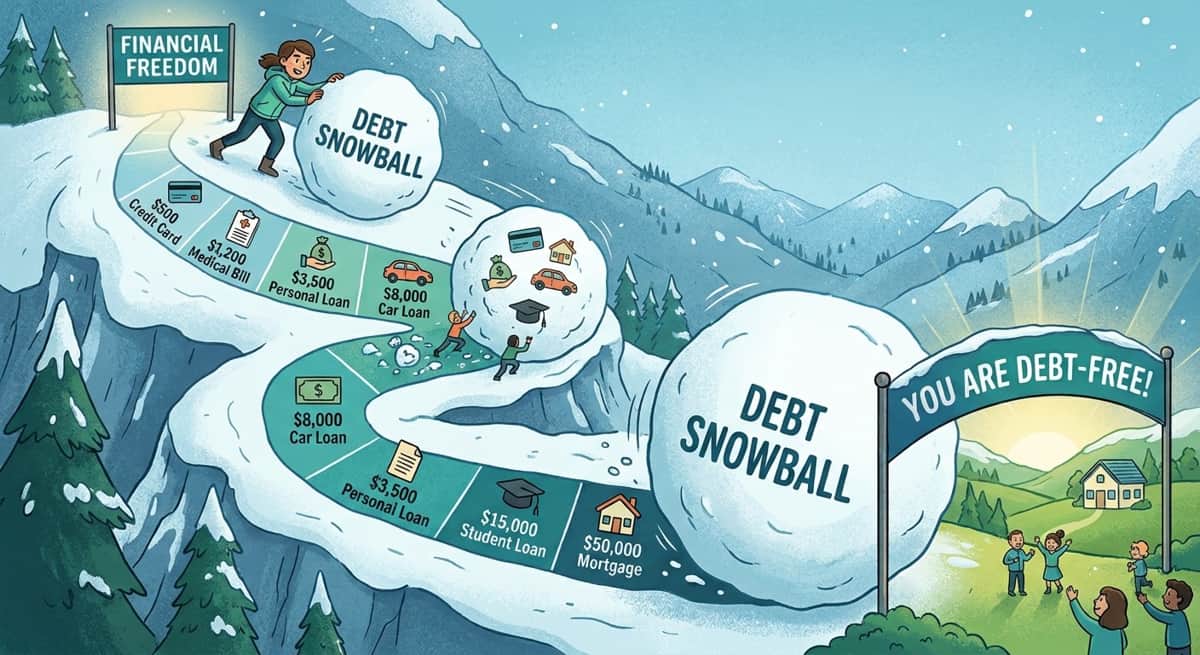
The debt snowball
How it works: Pay the minimum on every debt. Put all your extra money toward the smallest balance first. When it's gone, roll that payment into the next smallest debt.
Best for: Couples who need quick wins to stay motivated.
Downside: You may pay more interest overall, because you are not going after the highest rate first.
The debt avalanche
How it works: Pay the minimum on every debt. Put all your extra money toward the debt with the highest interest rate first.
Best for: Couples who want to save the most money on interest.
Downside: If your highest-rate debt is also large, it can take a while to feel progress.
A simple example. Say you have a $4,000 credit card at a 24% rate and a $1,500 card at a 15% rate. You can put $500 a month toward debt in total.
With the avalanche, you pay the minimums on both cards and send the extra to the $4,000 card, because it costs you more each month. With the snowball, you send the extra to the $1,500 card. At about $380 a month, you could clear it in around four months. That is a real win you can celebrate together.
If you can't decide, compare the avalanche vs. snowball vs. hybrid payoff methods and try a mix. Knock out one very small debt first for the motivation, then switch to the avalanche for the rest.
A note about interest rates. Rates depend on the card, your credit score, and who you ask. Bankrate's credit card interest rate tracker reported the national average credit card rate at 19.71% in early November 2026, while the New York Fed's survey found a median closer to 22.2%. Your own rate may be higher or lower, so check your statements.
Your rule: Choose one method together, write it on paper or in a shared note, and don't change it every month. Switching often is one of the easiest ways to lose momentum.
3. Build One Shared Budget and Find Extra Cash
A budget isn't a punishment. It is just a plan that tells your money where to go, so you aren't asking each other where it went.
Keep it simple. Start with three buckets:
Needs: rent or mortgage, utilities, groceries, insurance, transportation
Wants: dining out, streaming, hobbies, trips
Debt: one fixed monthly amount you both agree on
The debt amount comes first. Treat it like a bill that must be paid.
If your incomes are different, choose a fair split. You have two common options:
50/50: Each partner pays half of the shared costs.
Proportional: Each partner pays a share based on income. If one of you earns 70% of the total household income, that person pays 70% of shared costs.
The proportional way often feels fairer when one partner earns much more. The best choice is the one that both of you feel good about.
Find extra cash. Even small changes add up when you put them toward debt:
Cancel subscriptions you don't use
Skip one dining-out night each week
Sell things you no longer need
Put tax refunds, bonuses, and gifts toward debt
Take on a short-term side job or extra shifts
Start a small emergency fund. Even $500 to $1,000 can keep a car repair or a vet bill from landing back on a credit card. You can build it quickly while you keep paying at least the minimums on your debts.
Give each other breathing room. Agree on a small personal amount each month that each of you can spend with no questions asked. It stops the budget from feeling like a cage, and it prevents secret spending.
Automate it. Set up your debt payments to go out right after payday. When you don't have to remember, you are less likely to skip.
4. Lower What Your Debt Costs
Every dollar you save on interest is a dollar that goes toward the balance. Here are ways to make your debt cheaper.
Ask for a lower rate. Call your card company and ask. Mention your on-time payments and ask about hardship programs. It takes ten minutes, and the worst they can say is no.
Consider a balance transfer card. These cards offer a 0% rate for an introductory period, often 12 to 21 months. They usually charge a transfer fee, commonly 3% to 5% of the amount you move. The risk is what happens when the promo ends. LendingTree's average credit card interest rate study shows the average rate on 0% balance transfer cards is about 22.36% after the offer period. So this only works if you have a plan to pay off the balance before the promo ends.
Consider a debt consolidation loan. This is a loan you use to pay off several debts. You end up with one fixed monthly payment, which can be easier to manage. It helps only if the new rate is lower than what you pay now, and only if you stop using the cards you just paid off.
Check your credit before you apply together. If you apply for a loan as a couple, lenders look at both credit histories, so it helps to know how credit score ranges work. A strong score can help, and a weak one can raise the rate. Sometimes it is better for just one partner to apply. Compare offers before you decide.
Don't add new debt. It is tempting to feel relief after consolidating and then use the empty cards again. Try to keep them tucked away. Also avoid closing old accounts in a rush, because it can affect your credit score.
Don't wait for a rate cap. A 10% credit card rate cap has been proposed in Washington, and President Trump said on November 22, 2026 that he would work with Congress on it. But nothing has become law yet, and banks have pushed back hard. Make your plan with today's rates.
5. Get Professional Help When the Debt Feels Too Heavy
Asking for help isn't failure. It's a smart move, and it can save you years of stress.
Signs it may be time to get help:
You can only afford the minimum payments
You use credit cards to pay for basics like food and gas
You've missed payments or gotten calls from collectors
Money talks keep turning into fights
Your options, from least to most serious:
Nonprofit credit counseling. A certified counselor reviews your whole situation and helps you build a plan, often for free or at a low cost. Look for agencies affiliated with the National Foundation for Credit Counseling (NFCC).
A debt management plan (DMP). Through a counseling agency, you make one monthly payment, and the agency pays your creditors. Interest rates are often lowered. You usually agree to close the cards in the plan.
Debt negotiation process. A company negotiates to pay less than you owe. This can hurt your credit, may come with tax costs, and some companies charge large fees. Read every term carefully.
Bankruptcy. Chapter 7 and Chapter 13 bankruptcy can give you a fresh start, but it has long-term effects on your credit. Talk to a licensed bankruptcy attorney first. Couples can file together or one partner can file alone, depending on the situation.
How to spot a scam. Watch for these signs of a debt relief scam and be careful with any company that:
Asks for big fees before doing any work
Guarantees results
Tells you to stop talking to your creditors
Pressures you to sign right away
When in doubt, slow down and get a second opinion from a nonprofit counselor.
Common Mistakes Couples Make
Hiding debt or spending. Secrets cost more than the debt itself.
Switching methods every month. Pick one and give it time.
Making one partner "the debt person." You're a team. Share the plan and the progress.
Skipping the emergency fund. One surprise bill can undo months of work.
Quitting after one slip. Everyone has a bad month. Get back on track the next day.
Your Next Step
Getting out of debt as a couple comes down to five steps: lay it all out, pick one method, build one budget, lower your costs, and ask for help when you need it. You don't have to do all of it today.
Start small. Pick a time this week for your first money date. If the numbers feel heavy, talk with a nonprofit credit counselor or schedule a free debt consultation with a licensed debt relief professional who can look at your specific situation.
Frequently Asked Questions
Am I responsible for my spouse's debt?
It depends on whose name is on the debt and where you live. If you both signed for an account, you are both responsible. Debt in only your spouse's name is often theirs alone, but community property states can have different rules. Ask a licensed professional about your state.
Should couples combine their finances to pay off debt?
Not necessarily. Some couples use joint accounts, and others keep separate accounts and share a budget. What matters most is honesty, a shared goal, and a clear plan for who pays what.
Which is better for couples, the snowball or the avalanche?
The avalanche saves more on interest. The snowball gives quicker wins. If you need motivation, start with the snowball. If saving money matters most, choose the avalanche. The best method is the one you will both stick with.
How long does it take a couple to get out of debt?
It depends on how much you owe, your interest rates, and what you can pay each month. A rough guide is to divide your total debt by your monthly payment. For example, $24,000 divided by $800 a month is about 30 months, and interest adds a little more time.
Can we get help paying off debt if only one of us has bad credit?
Yes. Nonprofit credit counseling doesn't require good credit. For loans, lenders may look at both scores, so it can help to compare offers as a couple and as an individual. A counselor can help you choose.
Ready to Get Started?
Get a free consultation with a certified debt consultant to see if debt settlement is right for you.
Get Free ConsultationAbout the Author
Bhupinder Bajwa
.
Related Articles
How to Use the Debt Snowball Method to Pay Off Debt
12 min read
How to Become Debt-Free in 5 Steps
10 min read
How to Remove Old Debt From Your Credit Report
11 min read
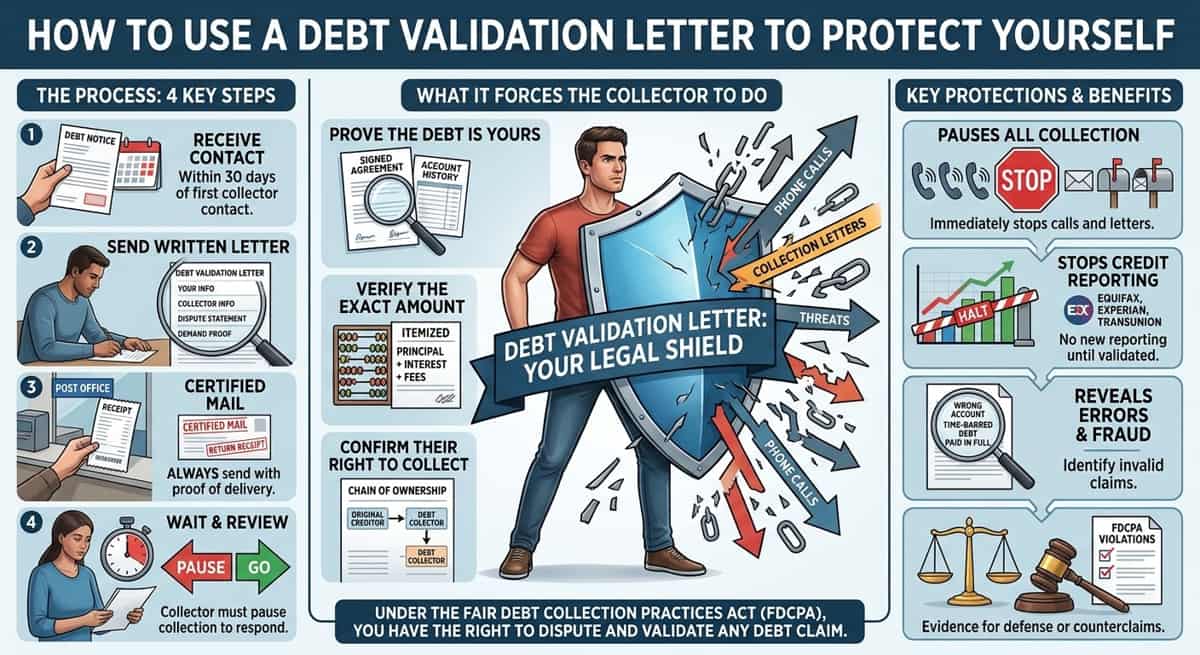
How to Use a Debt Validation Letter to Protect Yourself
10 min read
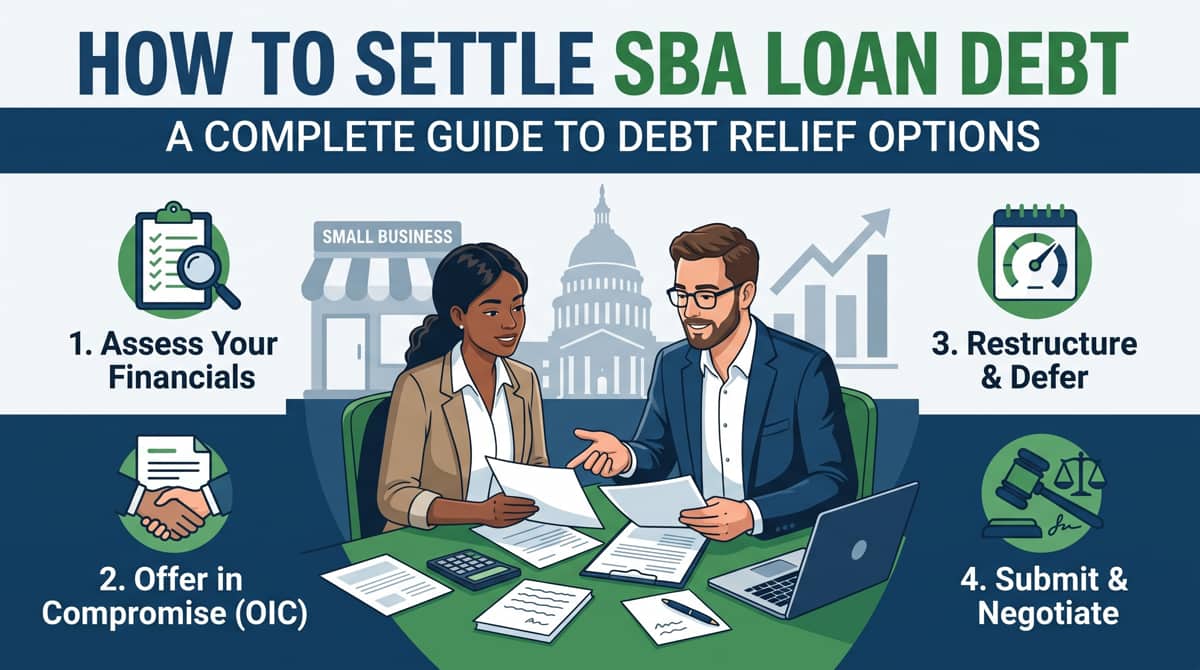
How to Settle SBA Loan Debt: Complete Guide to Debt Relief Options
11 min read
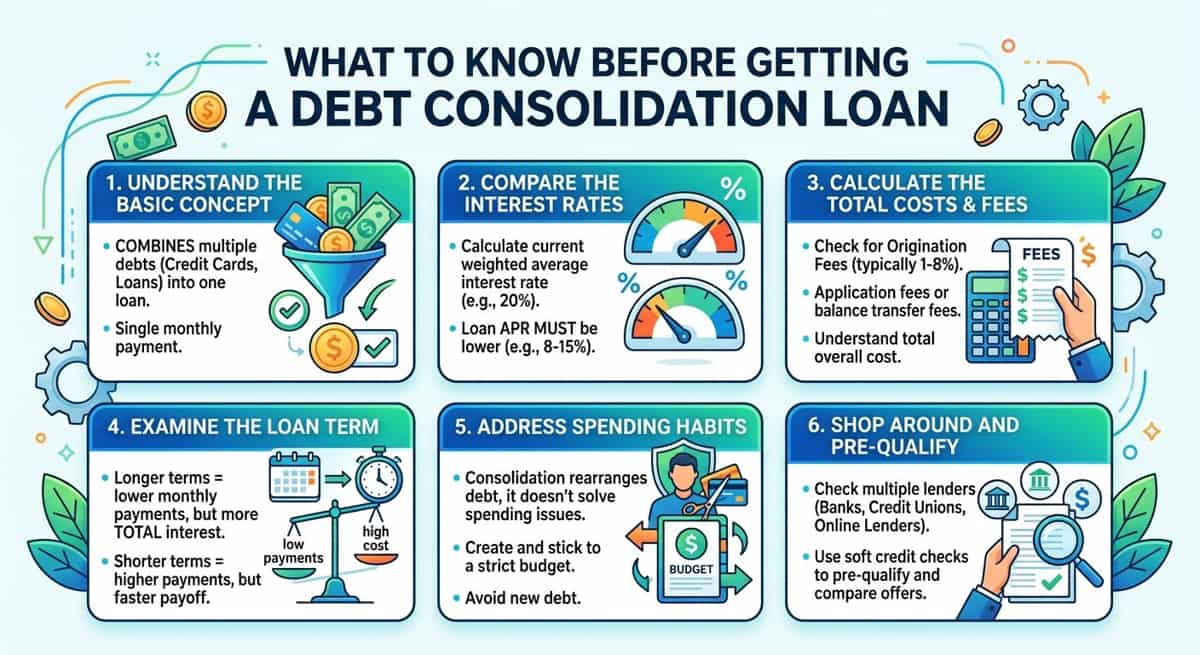
What to Know Before Getting a Debt Consolidation Loan
10 min read
Get Your Free Consultation
Speak with a certified debt consultant to explore your options.
Start NowNo obligation • Free consultation