5 Key Questions To Ask A Debt Consolidation Loan Company
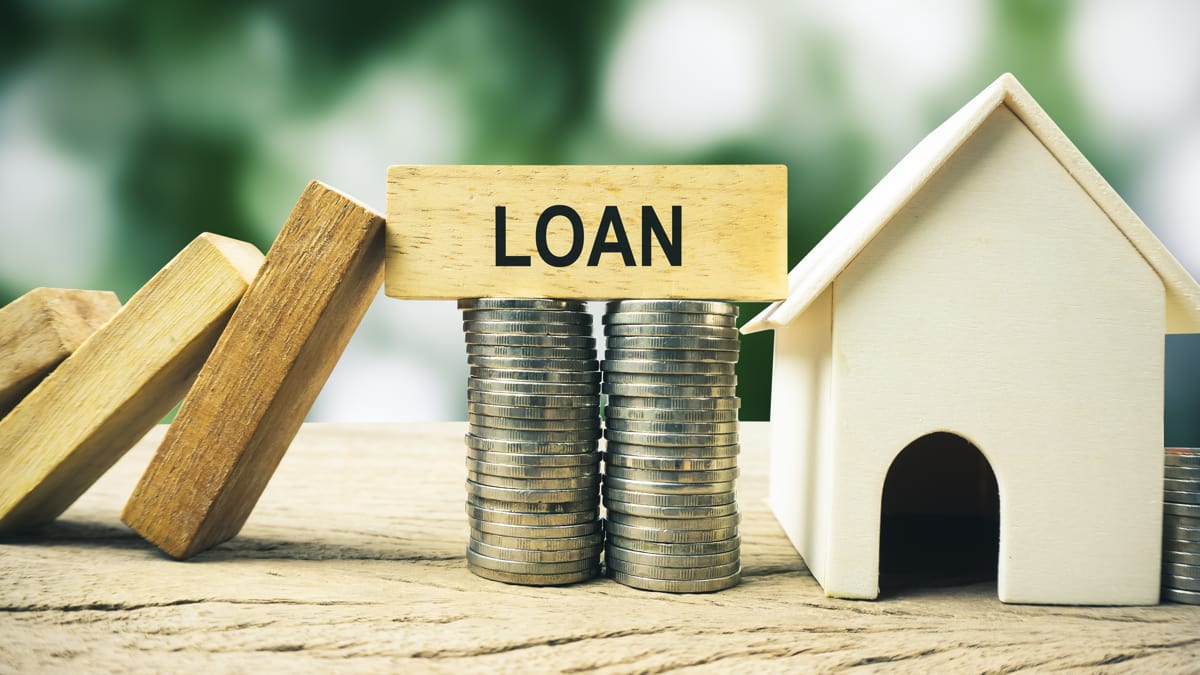
The South Asian community is a vital economic engine in the United States, contributing immense talent, entrepreneurship, and financial stability. Yet, navigating the American financial system comes with its own unique set of pressures. Whether it’s the high cost of supporting family through remittances back home, the burden of educational loans for the next generation, or the societal drive toward early homeownership, these commitments can quickly lead to complex debt situations.
When debt becomes overwhelming, debt consolidation often emerges as a powerful, necessary solution. However, like any major financial decision, it must be approached with professional-level scrutiny. In the high-stakes environment of "Your Money or Your Life" (YMYL) topics, trusting the wrong company can put your entire financial well-being at risk.
As an expert in financial management and debt relief, I understand the desire for financial clarity and security within the American credit system. This guide is designed to empower you with the essential tools you need. It serves as your definitive checklist, detailing the five mandatory, expert-vetted questions you must ask before you sign any contract. By asking these questions, you will cut through the confusing fine print, ensure you make a safe, financially sound decision, and successfully avoid predatory lending practices. Let's start with the non-negotiable step: truly understanding the lender and the total cost.
Understanding the Landscape: Why Debt Consolidation is Different for South Asian Individuals
The approach to money management often changes dramatically when individuals transition to the U.S. financial ecosystem. In many South Asian communities, there is a strong cultural tendency to maintain financial transparency within the family unit but manage external finances privately. Furthermore, significant financial decisions, including debt, are often addressed through informal community lending networks or based on anecdotal advice.
While deeply rooted in trust and community, this reliance on non-professional counsel can overlook the specific, complex demands of U.S. consumer protection and lending laws. A well-meaning solution proposed by a relative might not account for how a specific product affects your credit score impact or legal standing here in America.
The stakes in the U.S. are incredibly high. Unlike informal systems, the U.S. credit system meticulously tracks every transaction, and mistakes can jeopardize your long-term access to major milestones like a mortgage, business loan, or even certain jobs.
This is why moving forward with a formal debt consolidation loan requires a clear understanding of the difference between inherited financial practices and American debt management. Your entire life savings and your future credit health are on the line. Before engaging with any company, you must arm yourself with the right knowledge to protect your assets and build lasting security. The first step in this protection is understanding the true cost of borrowing.
Key Question 1: What is the True APR, and What Hidden Fees Are Included in the Total Cost?
The foundational step in any sound financial decision is understanding the true cost of borrowing. When debt consolidation companies advertise low rates, they are often highlighting only the interest rate, which can be misleading. Your primary concern, and your first mandatory question, must focus on the total expense.
The 'All-In' Cost: Going Beyond the Advertised Rate
When comparing loans, you must look past the simple interest rate. The interest rate is only the charge applied to the principal balance. The figure that truly matters is the Annual Percentage Rate (APR). The APR is a mandatory, legally required disclosure that reflects the true, total borrowing cost of the loan, as it includes the interest rate plus certain fees. If a company only quotes an interest rate, insist on knowing the APR. This number is the most reliable metric for comparing offers side-by-side, ensuring you are not comparing apples to oranges.
Decoding Setup Fees, Origination Fees, and Closing Costs
One common way lenders obscure the total cost is by burying various charges in the fine print. These fees are often paid upfront or deducted directly from the loan principal, meaning you receive less cash than you borrowed. You must demand a complete, itemized breakdown of all associated charges.
Checklist of Common Fees to Ask About:
Origination Fees: A charge for processing the loan, often a percentage of the total amount.
Application/Administrative Fees: Charges for paperwork or initial setup.
Closing Costs: Fees related to finalizing the loan (more common with secured loans).
These charges can dramatically increase the actual expense of the loan, sometimes negating the benefit of a lower interest rate. Always calculate the final loan amount after all fees have been deducted.
Negotiating for Lower Fees
A critical expert tip: most fees, particularly origination and administrative fees, are negotiable. If you have a good credit history or have received a competitive offer from another lender, use that as leverage. Ask directly if the origination fee can be waived or reduced. A company willing to negotiate often demonstrates better long-term client focus.
Key Question 2: What Are the Exact Repayment Terms, Penalties, and Flexibility Options?
A debt consolidation loan is a long-term commitment. You need a clear understanding of the full repayment structure to ensure the loan helps your finances rather than locking you into an unsustainable trap. This question addresses the details of your commitment and safeguards against unexpected future costs.
The Financial Trade-Off: Longer Term vs. Higher Monthly Payment
Lenders will present various repayment schedules, often ranging from two to seven years. A longer repayment term (e.g., seven years) results in a lower monthly payment, making the debt feel more manageable day-to-day. However, this convenience comes at a significant cost: you will pay substantially more in lifetime interest. Conversely, a shorter term has higher monthly payments but saves you thousands in interest over time. Analyze your current cash flow to find the sustainable balance—the highest payment you can comfortably afford without jeopardizing your emergency savings.
Understanding Prepayment Penalties: The Cost of Paying Off Early
As your financial situation improves, you may want to pay off your consolidation loan ahead of schedule. However, some lenders include prepayment penalties in their contracts. This is a crucial consumer protection point: a prepayment penalty is a fee charged for eliminating your debt too quickly. You must know if this clause exists. Ideally, you should only choose a lender that allows you to make extra payments or pay off the full balance early without incurring any additional charges. Always insist on a written guarantee that your loan has no prepayment penalty.
Options for Financial Hardship
Life is unpredictable, and even the most financially disciplined person can face a job loss or unexpected health crisis. Ask the company directly: What forbearance or deferment options do you offer for financial hardship? A reputable lender will have established policies that allow you to temporarily pause or reduce payments during an emergency, offering a crucial safety net for your family.
Key Question 3: Is the Loan Secured or Unsecured, and What Assets Must I Put Up as Collateral?
This question directly addresses the maximum financial risk you face and is critical for protecting the significant assets your family may have worked hard to acquire. The answer determines whether a payment default could simply harm your credit score or result in the total loss of valuable property.
The Fundamental Difference Between Secured and Unsecured Debt
The difference between a secured and unsecured loan is simple but vital. An unsecured loan (like a personal loan or credit card) is based solely on your creditworthiness and reputation; the only risk of default is damage to your credit score and collections. A secured loan requires collateral—an asset the lender can legally seize and sell if you fail to repay. Since your assets are directly at risk, secured loans carry a far greater financial risk and should be approached with the utmost caution.
Protecting Your Home and Cultural Assets
In many South Asian families, assets like the family home (equity) and gold or jewelry hold immense cultural and financial value. Using these for debt consolidation, perhaps through a Home Equity Line of Credit (HELOC) or a jewelry-backed loan, puts them directly on the line. If you face unexpected financial hardship and cannot make the payments, the lender has the legal right to seize and liquidate that collateral. Never take this step lightly. Assess if the consolidation benefit is truly worth putting your primary residence or cherished cultural items at risk.
The Danger of 'Title Loans' and Other High-Risk Secured Products
As a financial expert, I offer this strong warning: be wary of high-interest secured loan types, such as car title loans. These products are often predatory, offering small, fast loans in exchange for your vehicle's title. The interest rates are astronomical, and failure to pay results in the immediate loss of your transportation. Always avoid these extreme high-risk secured products, regardless of the immediate need.
Key Question 4: What are Your Company's Licensing, Client Reviews, and Specific Experience with Your Client Profile?
When dealing with a "Your Money or Your Life" (YMYL) financial topic, the credibility and trustworthiness of the lender are paramount. You are handing over control of your debt, and you must vet the provider thoroughly. This question helps establish their expertise, experience, authoritativeness, and trust (EEAT).
Verifying State and Federal Licensing
Before you provide any sensitive personal information, you must confirm the company is legally authorized to operate where you live. Ask for their state license number. You can verify this registration through your State Banking Department or the Nationwide Multistate Licensing System (NMLS) registry online. This step is non-negotiable. A legitimate financial institution will readily provide this information. If a company hesitates or refuses to disclose its licensing, treat that as an immediate and significant red flag, as they may not be subject to the required consumer protection laws.
How to Find Unbiased Client Reviews and Complaint Records
While the company will offer testimonials, you need to seek objective, third-party perspectives. Look up the lender on reliable sources such as the Better Business Bureau (BBB), the Consumer Financial Protection Bureau (CFPB) complaint database, and general Google reviews. Pay attention to recurring complaints about hidden fees, aggressive collections, or difficulties communicating. Be skeptical of reviews that are vague or overly aggressive in their praise, as they can sometimes be manufactured. A pattern of unresolved complaints is a serious warning sign.
Experience Serving the South Asian American Community
Ask the company if they have experience working with clients from the South Asian American community. This is not about preferential treatment, but about understanding nuances like joint family finances, high debt related to extended family support, or the need for absolute discretion. A lender sensitive to these factors can offer more appropriate guidance and communicate in a culturally aware manner.
Key Question 5: How Will This Consolidation Affect My Immediate and Long-Term Credit Score?
Your credit score is your financial passport in the United States, dictating your access to major products like mortgages, car loans, and even insurance rates. For families focused on building long-term assets and generational wealth, understanding the complete credit impact of consolidation is crucial. This is your final, non-negotiable question.
The Initial Credit Score Dip: Hard Inquiries vs. Account Closures
The debt consolidation process may cause a slight, temporary dip in your score.2 This happens for two main reasons. First, the lender performs a hard inquiry to check your credit history before approval, which minimally affects your score.3 Second, once the consolidation loan pays off your credit cards, those accounts may be closed. Closing older accounts can slightly reduce the average age of your credit history.4 However, this temporary dip is a small trade-off for the substantial long-term benefits of eliminating high-interest revolving debt and establishing a clear repayment plan.
Long-Term Improvement: Credit Utilization and Payment History
The consolidation loan’s true benefit lies in its impact on the two most important factors of your FICO score. First, it drastically lowers your credit utilization ratio (the amount of credit used versus the total available credit).5 By paying off high-balance credit cards, you signal to credit bureaus that you are no longer maxing out your available credit, which is a significant positive factor. Second, by simplifying multiple payments into one, you improve your payment history, ensuring fewer missed or late payments—the single most impactful factor on your score.
Post-Consolidation Financial Discipline
To maximize credit recovery and secure your financial future, expert advice is simple: do not take on new debt immediately after consolidation. The goal is to use the low monthly payment as an opportunity to build savings, not to refill the now-empty credit cards. Maintaining discipline ensures the long-term positive impact on your credit score is realized.
Beyond the Five: Essential Due Diligence and Red Flags
Asking the five key questions will position you for a safe consolidation, but a final layer of consumer protection is required before signing any document. Be extremely vigilant against signs of predatory practices, which often target individuals seeking quick relief.
Key Red Flags You Must Watch For:
Guaranteed Approval: No reputable lender can guarantee approval without reviewing your full financial profile. If a company promises a loan "regardless of your credit history," walk away.
Pressure to Sign Now: If a company insists the rate is only available "today only" or uses high-pressure tactics to rush your decision, they are prioritizing their profit over your long-being. Take your time to review the contract.
Upfront Fees: Never pay large fees before the loan is officially approved and disbursed. Legitimate fees (like origination) are deducted from the principal, not paid out of your pocket beforehand.
Stop Paying Creditors: Absolutely reject any advice to stop paying your current creditors before the consolidation loan funds are dispersed. This action immediately damages your credit score and invites collections calls.
To ensure your financial privacy and make an objective decision, seek the counsel of a trusted, objective third party, such as a certified CPA or a non-commission-based financial advisor, to review the terms. While community advice is valuable, this is a legal contract that requires professional expertise.
Conclusion: Making an Empowered Financial Choice
Navigating debt in a new financial system is challenging, but with the right knowledge, you transition from being a vulnerable consumer to an empowered client. The core message remains clear: knowledge is your best financial defense.
By equipping yourself with these five mandatory questions, you are doing more than just comparing interest rates; you are asserting control. You have the confidence to challenge confusing terminology, demand full fee transparency, understand the true risk to your assets, and verify the lender’s credentials. Use this information as leverage. A reputable debt consolidation company will welcome your detailed scrutiny and provide clear, satisfactory answers.
Your financial destiny in the U.S. is a journey built on intentional, informed decisions. I urge you to conduct thorough comparison shopping among multiple vetted lenders, meticulously review all documentation before the closing table, and never sign under pressure. By taking these critical, expert-guided steps, you will successfully transition your debt into a sustainable, secure financial future for yourself and your family.
Ready to Get Started?
Get a free consultation with a certified debt consultant to see if debt settlement is right for you.
Get Free ConsultationAbout the Author
Bhupinder Bajwa
Bhupinder Bajwa is a Certified Debt Specialist and Financial Counselor with over 10 years of experience helping families overcome financial challenges. Having worked extensively with the South Asian community in the U.S., he understands the cultural nuances and unique financial hurdles they may face. He is passionate about offering clear, compassionate, and actionable guidance to help individuals and families achieve their goal of becoming debt-free.
Related Articles
Negotiating Debt Settlements For Your Business Debt
11 min read

Is Credit Card Debt Forgiveness Possible?
9 min read

Debt Management- The Right Program
9 min read

How To Protect Your Business And Personal Assets From Debt Collectors
18 min read
How To Request A Debt Verification Letter
10 min read

Understanding Healthy Business Debt: How Much Is Acceptable?
10 min read
Get Your Free Consultation
Speak with a certified debt consultant to explore your options.
Start NowNo obligation • Free consultation