Veteran Debt Relief Grants: Programs That Actually Help
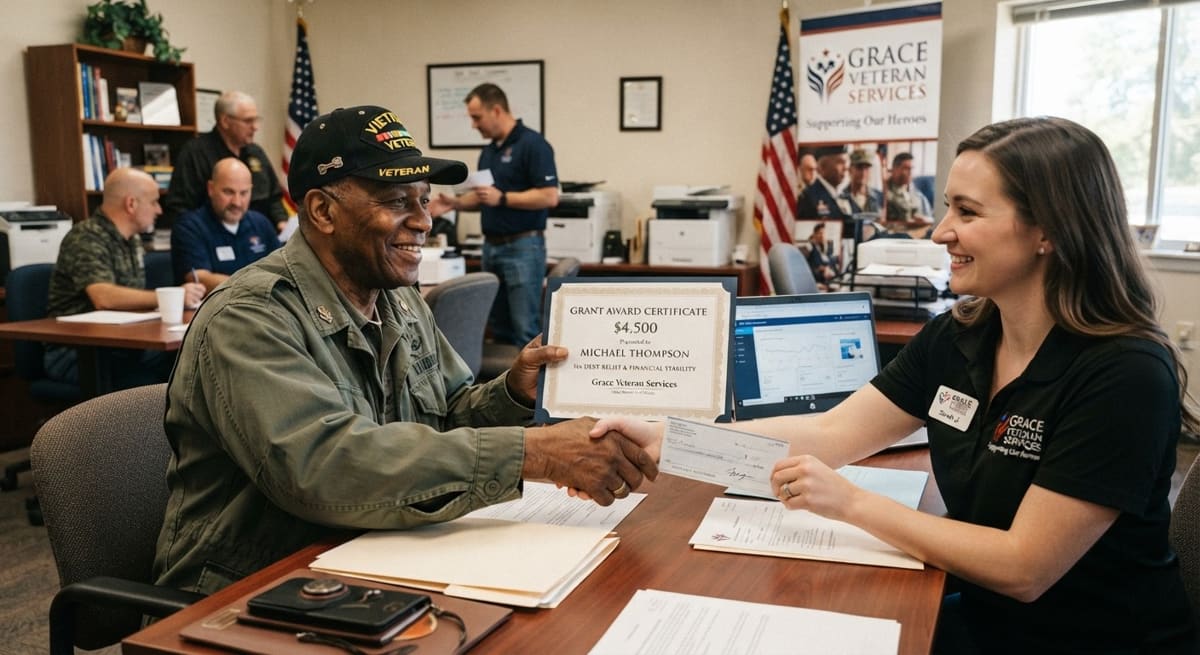
If you’re a veteran with bills piling up, you’ve probably seen the ads. “Veteran debt forgiveness.” “Government grants that wipe out your debt.” They sound great when you’re stressed and short on time.
Here’s the honest truth: real help exists, but it’s more limited than those ads suggest. No single grant pays off your credit cards. What you can get is a way to ask the VA to lower or forgive what you owe it, charities that cover urgent bills, and free counseling for the rest.
This guide walks you through each option, shows you who to contact first, explains what happens with taxes if a debt is forgiven, and helps you spot scams before you pay anyone a dollar.
Can Veterans Get Grants to Pay Off Debt?
Not for most debt. No broad grant pays off veterans’ credit cards or personal loans. Real help comes in three forms: relief for money you owe the VA, one-time emergency grants for basics like rent and utilities, and free credit counseling for private debt.
Fast facts
VA debt can be waived, reduced or put on a payment plan.
Military and veteran charities help with bills like rent and utilities, often paying the creditor directly.
Never pay upfront for “veteran debt forgiveness.”
What Is a Veteran Debt Relief Grant, Really?
A grant is money you don’t have to pay back. That’s the good part. The catch is that most veteran grants are small and meant for urgent needs, like keeping the lights on or making this month’s rent. They’re not built to erase a large credit card balance.
It helps to look past common debt relief myths and think of relief more broadly. Anything that lowers your bills or raises your income frees up cash to put toward debt. A grant that covers your rent this month is a kind of debt relief, even though it never touches your credit card.
Why many “grants” are really loans or repayment help
Words get mixed up in this space, so here’s a quick guide:
Grant: money you keep. No repayment.
Interest-free loan: money you pay back, with no interest added.
Repayment plan: more time to pay what you owe.
Waiver: the lender agrees to forgive the debt.
One more thing to know up front. The VA doesn’t pay off credit cards, and it can’t negotiate with card companies for you. It can help with money you owe the VA itself, so that’s where we’ll start.
Owe Money to the VA? These Programs Can Help
Sometimes the debt is owed to the VA itself. It might be an overpayment of a benefit, or a copay bill from a VA medical visit. This kind of debt has its own relief options, and you can ask for them directly. The sooner you ask, the better, because asking within the time limit can help you avoid late fees, interest and collection actions.
Repayment plans
If you can’t pay in one lump sum, you can ask for a monthly repayment plan. For benefit overpayments you can pay back in under five years, VA gov says you can request a plan online, by phone or by mail. If you need longer than five years, you’ll fill out a Financial Status Report (VA Form 5655) so the VA can see your income and expenses.
Copay bills work a little differently. The VA usually expects those to be paid off within three years.
Waivers (forgiveness)
A waiver asks the VA to forgive the debt, either all of it or part of it. It’s usually based on financial hardship, and it generally isn’t available if the overpayment involved fraud or misrepresentation.
Pay attention to the deadline. The VA now says you have one year from the date of your first debt letter or copay bill to request a waiver.
Compromise offers
A compromise offer means you propose a smaller, one-time payment and ask the VA to accept it as payment in full. You’ll explain why you can’t pay the whole amount and name the number you’re offering, along with your Financial Status Report.
Don’t send money with your offer. Wait until the VA says yes.
How to apply
The fastest route is the online request on VA.gov. You can also use Ask VA or mail your forms to the VA Debt Management Center.
A few tips:
Keep copies of everything you send.
Write “repayment plan,” “waiver” or “compromise” clearly so your request goes to the right place.
If the VA is already withholding part of your benefit payments, ask whether a smaller withholding amount is possible.
Emergency Grants From Military and Veteran Charities
Charities can step in when you’re in a short-term squeeze. They help with basic needs. They won’t usually pay down a large credit card balance. But covering rent or a utility bill can free up your own money for debt.
Military relief societies
The four main groups are Army Emergency Relief, the Navy-Marine Corps Relief Society, the Air Force Aid Society and Coast Guard Mutual Assistance, according to Military One Source. They usually help with one-time needs like rent, utilities, vehicle repairs, emergency travel and some medical bills. Help may come as an interest-free loan, a grant or both.
Here’s the part many people miss: these groups mainly serve active-duty members and retirees. Veterans who left the service before retiring often don’t qualify. If that’s you, don’t stop here. Move on to the other options below.
VFW Unmet Needs
The Veterans of Foreign Wars runs a program called Unmet Needs. It gives grants, not loans, for basic life needs, and you don’t have to be a VFW member to apply.
Eligibility is narrow. Your hardship generally needs to be connected to your military service, and the rules differ depending on when you were discharged. The VFW won’t cover hardship caused by things like bankruptcy or poor money management. If approved, the money is paid straight to the creditor, and a review can take a few weeks.
Sources list different maximum amounts, so check the VFW’s for the current number before you apply.
Housing help through SSVF
Supportive Services for Veteran Families (SSVF) is a VA program that gives grants to local nonprofits. Those nonprofits help very low-income veteran families who are homeless or at risk of losing their housing. Help can include rent, utility costs and moving costs.
SSVF is about keeping you housed. It isn’t a way to pay off debt in general. But if you’re behind on rent, it’s worth a call.
Where to look next
Call 211, contact your state’s veterans affairs office, or ask a VA-accredited Veterans Service Organization (VSO).
Help for Credit Cards, Loans and Private Medical Bills
Here’s where honesty matters most. There’s no grant for unsecured balances like credit cards or private medical debt. But there are real options that can make payments more manageable.
Free or low-cost credit counseling and debt management plans
A nonprofit debt counselor can go over your budget with you and explain your choices. If a debt management plan fits, the counselor works with your creditors to set up one monthly payment, and the plan often lasts about three to five years.
Before you sign up with anyone, ask what they charge and how they’re paid. You can also check with your state attorney general’s office to see whether an organization has complaints.
Consolidation, including VA home loan cash-out refinance
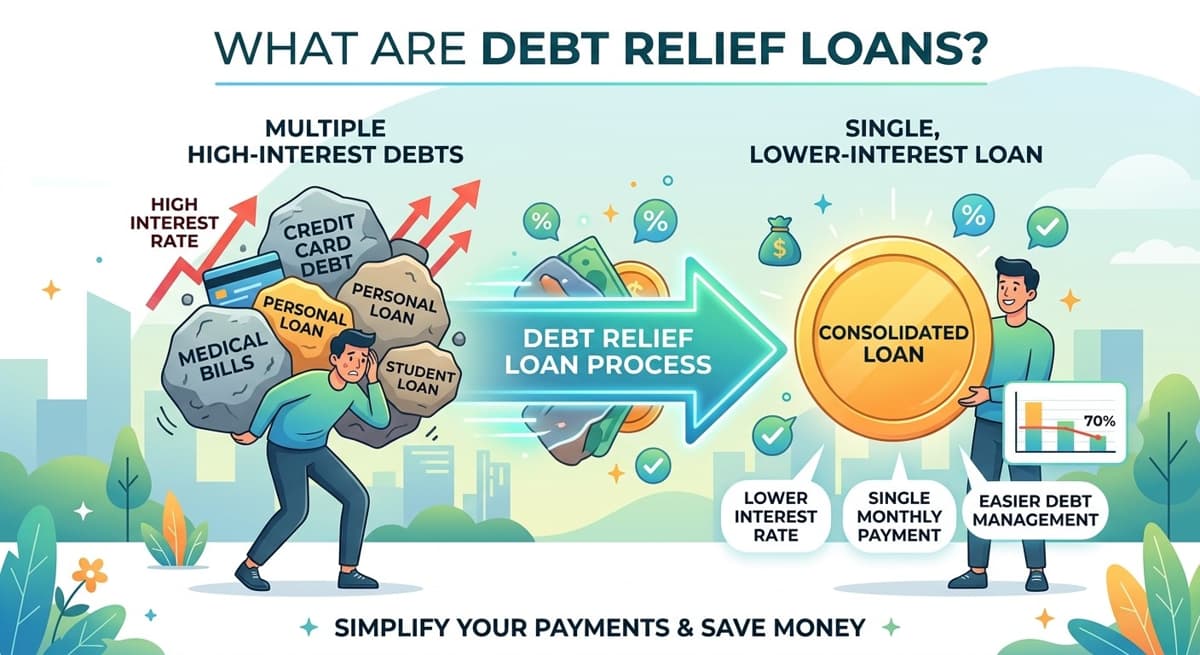
VA Debt consolidation means combining several debts into one, ideally at a lower interest rate. Common debt relief loan options include:
A personal loan from a bank, credit union or online lender.
A balance transfer card with a low or 0% introductory rate. Watch out for high rates once the intro period ends.
A cash-out refinance on a VA home loan, if you own a home.
That last option deserves extra care. It can lower your monthly payments, but it turns credit card debt into debt secured by your house. If you fall behind, your home could be at risk. Make sure you understand the trade-off before you choose it.
Settlement and bankruptcy: honest trade-offs
Debt settlement means trying to pay less than you owe. It can take a long time, creditors may say no, your credit score will likely drop, and any forgiven amount could create a tax bill (more on that next).
Bankruptcy is a legal option for some people. If you’re thinking about it, talk to a licensed bankruptcy attorney first. Many offer a free first consultation.
Which Option Fits Your Situation?
Use this table to find your first step.
Your situation | Best first step | Who to contact |
You owe the VA for an overpayment or copays | Repayment plan, waiver or compromise offer | VA Debt Management Center or Ask VA |
Short-term crisis, like rent or utilities | Emergency grant or loan | Military relief society, VFW Unmet Needs or SSVF |
Credit card or personal loan debt | Free credit counseling or consolidation | A nonprofit credit counselor |
Behind on your mortgage | Talk to your servicer right away | Your loan servicer and a HUD-approved housing counselor |
Someone promises “veteran debt forgiveness” | Stop and verify before paying | See the scam section below |
Will You Owe Taxes on Forgiven Debt?
Possibly. In general, forgiven debt counts as taxable income, unless a special exclusion applies, according to the IRS Taxpayer Advocate Service. If a lender cancels $600 or more, it usually sends you a Form 1099-C. You’re supposed to report taxable canceled debt even if you never get the form.
One common exclusion is insolvency. You’re insolvent when your debts add up to more than everything you own. For example, say you owed $45,000 and owned $38,000 in assets, so you were $7,000 insolvent. If $10,000 of debt was canceled, you could leave out $7,000 and would owe tax on the remaining $3,000. You claim this with IRS Form 982.
This is general information, not legal or tax advice. A tax professional can look at your exact situation. Many veterans can also find free tax help through VITA sites.
How to Spot a Veteran Debt Relief Scam
Scammers know veterans are hoping for help, so they dress up their pitch with military words one of the classic signs of a debt relief scam. A real-sounding program name doesn’t mean the government created it.
Red flags
They want money upfront. The FTC says it’s illegal for a debt relief company to charge you before it helps you. Anyone asking for an “enrollment” or “activation” fee first is a warning sign.
“Exclusive” military or veteran forgiveness programs. MilitaryConsumer.gov warns that some of these programs may not even exist.
Guaranteed results or pressure to act fast. Nobody can honestly promise a settlement before your creditors agree to it.
Advice to stop talking to your creditors. This can leave your balances and fees growing.
They contact you first. A call out of the blue about “special” relief should make you cautious.
What to do if you’ve already been targeted
You haven’t failed. These scams are built to be convincing. Here’s what to do next:
Stop sending money.
Report it at ReportFraud.ftc.gov and to your state attorney general.
Call your bank about any charges you didn’t approve.
Turn to the free options in this guide instead.
A Simple 5-Step Plan to Start Today
List every debt and who it’s owed to.
Sort them into two piles: debt owed to the VA, and private debt like credit cards and loans.
Contact the VA about VA debt, and keep the waiver deadline in mind.
Apply for emergency help if rent or utilities are at risk.
Book a free session with a nonprofit credit counselor for everything else.
You don’t have to do it all in one day. Step 1 alone puts you ahead of where you were this morning.
Your Next Step
The real help for veterans comes down to three things: relief for money you owe the VA, emergency grants for urgent bills, and free counseling for everything else. None of it is magic, but all of it is real, and it’s free or low-cost.
If you owe the VA, start there. If you don’t, a free session with a nonprofit credit counselor is a solid first move. And if you’d like to explore a structured debt relief program or talk through your options with our team, we’re here whenever you’re ready, with no pressure.
Frequently Asked Questions
Does the VA pay off credit card debt?
No. The VA doesn’t run a broad program for credit cards, personal loans or private medical bills. It can help only with money you owe the VA, such as benefit overpayments or copay bills.
Can disabled veterans get debt forgiveness?
There’s no special grant that wipes out personal debt for disabled veterans. The same options apply. If you believe your disability rating is too low, a VA-accredited representative can help review it, and they shouldn’t charge you to file a VA claim.
How long do I have to ask the VA for a waiver?
The VA says you have one year from your first debt letter or copay bill. Check VA for the latest rule, and don’t wait. Acting early can help you avoid late fees and collection actions.
Do I have to repay a VFW or relief society grant?
VFW Unmet Needs gives grants, so you don’t repay them. Military relief societies may offer grants, interest-free loans or a mix. Ask which one you’re being offered before you accept.
Is a “military debt consolidation” company safe to use?
It depends, and the name alone tells you nothing. Check the company with your state attorney general, avoid anyone who asks for fees upfront, and compare the offer with a free nonprofit counselor before you commit.
Ready to Get Started?
Get a free consultation with a certified debt consultant to see if debt settlement is right for you.
Get Free ConsultationAbout the Author
Bhupinder Bajwa
.
Related Articles


Get Your Free Consultation
Speak with a certified debt consultant to explore your options.
Start NowNo obligation • Free consultation
Related Posts
- 5 Ways Couples Can Get Out of Debt
11 min read
- 5 Debt Relief Myths and Realities
10 min read
- How to Use the Debt Snowball Method to Pay Off Debt
12 min read
- How to Become Debt-Free in 5 Steps
10 min read