IRS Payment Plan: How It Works & How To Apply
Moving to a new country involves learning a lot of new systems, and the U.S. tax system is often one of the most intimidating. For many in the South Asian community whether you are here on an H1-B visa, a Green Card, or are a naturalized citizen seeing a balance due on your IRS tax return can cause immediate stress. You might worry about how federal debt could impact your visa status or your ability to sponsor family members in the future.
The truth is, the IRS is generally more interested in getting paid over time than in causing legal trouble for honest taxpayers. If you can’t pay your balance in full right now, an IRS Payment Plan (officially called an Installment Agreement) is a formal arrangement that allows you to pay your tax debt through manageable monthly payments. It’s a proactive way to stay in "good standing," protecting your financial future and your peace of mind while you navigate life in the U.S.
What Is an IRS Installment Agreement — And How Does It Help You?
An IRS Installment Agreement is an official monthly payment plan that lets you pay your tax debt in smaller amounts over time. It protects you from harsh collection actions like bank levies or property liens, and keeps you in good standing with the IRS.
Think of it like an EMI for your federal taxes. Just as you might pay off a home loan or a car in monthly installments, this agreement lets you break a large tax bill into smaller, more manageable payments spread over a set period of time. It is a formal commitment between you and the U.S. government to clear what you owe, step by step.
Which Type of IRS Payment Plan Fits Your Situation?
There are two types of Installment Agreement options, depending on how much time you need:
Short-Term Payment Plan (up to 180 days) Best if you just need a little extra time roughly six months to pay off your full balance. There is no monthly payment setup fee, making this the simpler option if you can clear the debt relatively quickly.
Long-Term Payment Plan (up to 72 months) If six months is not enough, this plan lets you make monthly payments for up to six years. This is the more common choice for those dealing with a larger tax bill and tighter monthly budgets.
What Happens After You Set Up a Payment Plan?
Once your agreement is active, the IRS generally stops its most aggressive collection actions, things like freezing your bank account or placing a lien on your home or property. This alone brings enormous peace of mind, especially if you are supporting a family or running a small business.
One Important Thing to Keep in Mind
An installment agreement is not a pause on your debt. The IRS continues to charge interest and a "failure-to-pay" penalty on your remaining balance until it is fully paid off.
That said, staying in tax compliance means you file future tax returns on time and make each agreed payment prevents those penalties from growing out of control. It also keeps your financial record clean while you work your way to being completely debt-free.
Do You Qualify for an IRS Payment Plan?
Most individuals qualify if they owe $50,000 or less and have filed all required tax returns. Businesses qualify for a simplified plan if they owe $25,000 or less. You can apply using either an SSN or an ITIN both are accepted.
The One Thing You Must Do Before Applying
Before anything else, you need to be current with your tax filings. This means all your past tax returns must be filed even for years you could not pay. The IRS will not set up a payment plan for one year if you still have unfiled returns sitting from another year.
Think of it this way: filing and paying are two separate things. You may not have been able to pay that is exactly why you are here. But you must have filed.
How Tax Debt Can Affect Your H-1B, Green Card, or Immigration Status
This is one of the most common concerns among South Asian families in the U.S. and it is completely understandable.
The IRS and USCIS are separate agencies and do not routinely share information. However, when you apply for a Green Card or U.S. citizenship, immigration officers often look for proof of good moral character and being in good financial standing with the government does matter.
By setting up a formal IRS payment plan, you are officially in compliance. That shows you are taking responsibility, which is far better for your record than having an ignored, unpaid tax debt.
Debt Limits That Determine Your Eligibility
The process is simpler and fully online if your balance falls within these amounts:
For Individuals: If you owe $50,000 or less (including taxes, penalties, and interest), you can apply for a streamlined agreement online without sharing detailed information about your monthly expenses.
For Businesses: If your business owes $25,000 or less, you also qualify for a simplified application process.
Documents to Have Ready Before You Apply
Gathering these items beforehand makes the process much smoother:
Your SSN or ITIN — both are fully accepted
Bank account details — routing and account numbers, if you want to set up automatic payments (this often reduces your setup fee)
Your latest IRS notice — check it for the exact balance you owe
A realistic monthly payment amount — the number you can comfortably afford, every single month
Choosing a Monthly Payment Amount You Can Actually Stick To
Be honest with yourself here. It is tempting to pick a high monthly amount just to pay it off faster but this is one of the most common mistakes people make.
If you miss even one payment, your agreement can go into default. That can trigger extra fees and restart aggressive IRS collection actions, the very things you were trying to avoid.
It is always smarter to commit to a smaller, manageable amount you are confident you can pay every month, than to overcommit and fall behind.
Choosing the Right IRS Payment Plan for Your Situation
A Short-Term Plan (up to 180 days) has no setup fee and works best if you can pay your full balance quickly. A Long-Term Plan (up to 72 months) is better if you need smaller monthly payments. Setting up automatic Direct Debit is the most affordable way to start a long-term plan.
Choose the right payment plan comes down to one simple question: how much time do you realistically need and what can you afford each month? The IRS offers several options designed to help you avoid a tax lien, protect your financial record, and stay in compliance while you pay off what you owe.
Short-Term Payment Plan — Best for Paying Off Quickly
If you can clear your full balance within six months, this is almost always the smartest choice.
Duration: Up to 180 days
Setup Fee: $0
What to keep in mind: There is no setup cost, but interest and penalties continue to build every day until your balance reaches zero. If you have savings set aside or are expecting a bonus or tax refund soon, this plan gives you the breathing room to pay without paying extra in administrative fees.
Long-Term Installment Agreement — Best for Smaller Monthly Payments
If six months is not enough, a long-term plan lets you spread your payments over up to 72 months, that is six full years. Within this category, how you choose to pay makes a significant difference in what it costs you to set up.
Direct Debit Installment Agreement (DDIA) This is the most popular and cost-effective long-term option. Your monthly payment is automatically withdrawn from your bank account, no manual transfers, no risk of forgetting.
Setup Fee: Around $22 (when applied online)
Key Benefit: Automatic payments protect you from accidentally missing a payment and defaulting on your agreement
Standard (Non-Direct Debit) Plan You send a check, money order, or make a manual payment each month through the IRS website.
Setup Fee: Around $69 or more
Key Drawback: Higher fees and a greater chance of missing a payment if life gets busy
Payroll Deduction Agreement — A True "Set It and Forget It" Option
For those who want complete automation, there is one more option worth knowing: a Payroll Deduction Agreement (Form 2159). With this setup, your employer deducts your tax payment directly from your paycheck and sends it to the IRS on your behalf. You never have to think about it which means you are always in compliance, automatically.
Side-by-Side Comparison of All Three Plans
Plan Type | Duration | Setup Fee (Online) | Best For |
Short-Term | Up to 180 Days | $0 | Temporary cash flow issues |
Long-Term – Direct Debit | Up to 72 Months | ~$22 | Saving on fees and avoiding missed payments |
Long-Term – Manual | Up to 72 Months | ~$69 | Those who prefer to manage each payment themselves |
One More Thing Worth Knowing
No matter which plan you choose, the IRS will automatically apply any future tax refunds directly to your outstanding balance until it is fully paid off. For many people, this means becoming debt-free faster than they originally expected.
How to Apply for an IRS Payment Plan Online
The fastest way to apply is through the official IRS website at IRS.gov. Most people get an immediate decision after completing the application. You will need to verify your identity, choose your plan type, and provide your bank details to lock in the lowest setup fee.
If you have been putting this off because it sounds complicated it is actually much simpler than most people expect. The entire process can be done from your home, on your own time, without waiting on hold or mailing any paperwork. For South Asian families managing busy work schedules, running a business, or navigating visa and residency requirements, this is the most practical and stress-free way to get started.
Here is exactly how it works, step by step.
Step 1 — Set Up Your IRS Online Account
Go to IRS.gov and create your online account. The IRS uses a secure identity verification service called ID.me to confirm who you are before giving you access to your tax records and payment options.
If you have never used ID.me before, this step takes the most time so gather everything before you sit down to apply.
What you will need:
A valid government-issued photo ID in the U.S. Driver's License, State ID, or Passport works
Your SSN (Social Security Number) or ITIN (Individual Taxpayer Identification Number) both are fully accepted
A smartphone or computer with a webcam for a short identity verification selfie
Step 2 — Navigate to the Payment Plan Application
Once your account is set up and verified, log in and go to the "Payment Plan" section on your IRS online account dashboard. Click on "Apply for a Payment Plan" to begin.
This is also where you will see your current balance including any penalties and interest that have been added so you know exactly what you are working with before you choose a plan.
Step 3 — Choose the Right Plan for Your Situation
At this stage, the IRS will show you the plan options you qualify for based on your balance. Here is a quick reminder of what to look for:
Short-Term Plan (up to 180 days): Choose this if you can pay your full balance within six months. No setup fee.
Long-Term Plan with Direct Debit (up to 72 months): Choose this if you need more time and want the lowest setup fee — around $22 online.
Long-Term Plan without Direct Debit (up to 72 months): Choose this if you prefer to pay manually each month. Setup fee is around $69.
Pick the option that fits your real monthly budget not the one that looks fastest on paper.
Step 4 — Enter Your Payment Details
If you are setting up a Direct Debit (automatic payment) plan which is strongly recommended you will enter your bank routing number and account number at this step.
Automatic payments do two important things: they keep your setup fee low, and they protect you from accidentally missing a payment, which could default your agreement.
If you prefer to pay manually, you can skip the bank details and choose to pay by check, money order, or through the IRS website each month.
Step 5 — Review and Submit Your Application
Before you submit, take a moment to double-check:
The plan type you selected
Your monthly payment amount
Your payment start date
Your bank details (if applicable)
Once everything looks correct, submit your application. Most people receive an immediate approval notice on screen. You will also get a confirmation by mail within a few days keep that for your records.
What Happens After You Apply
Once your plan is active, a few things happen automatically:
The IRS generally pauses aggressive collection actions like bank levies or property liens
Any future tax refunds you receive will be applied directly toward your balance
You are now officially in compliance with the IRS which matters especially if you are on an H-1B, L-1, or working toward a Green Card
The most important thing now is to make every payment on time and continue filing your tax returns each year. That keeps your agreement in good standing and moves you steadily toward a clean financial record.
What if I Simply Cannot Afford the Minimum Monthly Payment?
If your income barely covers your basic living costs, the IRS has "hardship" programs. You might qualify to settle your debt for less than you owe (Offer in Compromise) or have your collections temporarily paused (Currently Not Collectible status) until your finances improve.
Sometimes, life throws challenges that make even a small monthly payment impossible. Whether it's a medical emergency, a job loss, or a significant change in your household income, the IRS has procedures to help those in genuine financial distress.
Settling for Less: The Offer in Compromise (OIC)
An Offer in Compromise is an agreement where the IRS allows you to settle your tax debt for less than the full amount you owe. This is not for everyone; the IRS only accepts an offer if they believe they can never fully collect the debt from you within a reasonable timeframe.
To determine if you qualify, the IRS calculates your Reasonable Collection Potential (RCP). They look at your:
Assets: What you own (savings, cars, property equity).
Future Income: What you are expected to earn.
Basic Living Expenses: What you need to spend on housing, food, and utilities.
If your "Offer" matches what the IRS thinks you can realistically pay, they may clear the rest of your debt entirely.
Pausing the Clock: Currently Not Collectible (CNC) Status
If you are currently experiencing an extreme hardship meaning you can’t pay for basic necessities like rent or food if you were to pay the IRS you can request to be placed in Currently Not Collectible status.
How it works: The IRS stops all active collection efforts (like taking money from your paycheck).
The catch: The debt does not go away. Interest and penalties continue to grow, and the IRS will still take any future tax refunds you might be owed.
Review: The IRS will review your income once a year. If your financial situation improves, they will ask you to start a payment plan.
Proving Your Hardship: The Collection Information Statement
To qualify for these options, the IRS will ask you to provide a detailed "financial snapshot" using Form 433-F (Collection Information Statement). This is a simple but thorough document where you list:
Every source of income (including help from family).
All monthly bills (rent, mortgage, insurance, etc.).
Your assets (bank balances and vehicle values).
A Word of Advice: When filling out these forms, be as accurate as possible. The goal is to show the IRS your real-life situation. If your expenses are higher than your income, this form is your best tool to prove that you need a break. It helps the IRS move from being a "collector" to being a "partner" in resolving your debt in a way that doesn't leave you unable to care for your family.
The Process: You will take a photo of your ID and a "selfie" to match it. In some cases, you might have a short video call with a representative to confirm your identity. Once verified, you can sign in to see exactly how much you owe and start your application.
2. Choosing Your Application Method: Online vs. Form 9465
While the IRS provides a paper form called Form 9465 (Installment Agreement Request), it is generally better to use the Online Payment Agreement (OPA) tool.
Online Application: This is "self-service." You get an immediate answer, and the setup fees are much lower (as low as $22).
Form 9465: This is the paper version you would mail in. You might use this if you owe more than $50,000 or if you are filing it along with a late tax return. However, it can take weeks to process, and the setup fees are significantly higher (often around $105 or more).
3. Understanding the Setup Fees
The IRS charges a one-time fee to set up a long-term plan. However, these fees are adjusted based on your income and how you choose to pay:
Standard Applicants: If you set up a Direct Debit (automatic) plan online, the fee is approximately $22. If you choose to pay manually every month, the fee jumps to $105 (online) or $225 (by phone/mail).
Low-Income Applicants: If your household income is at or below 250% of the federal poverty level, the IRS is very helpful.
Fee Waiver: If you agree to automatic Direct Debit payments, the setup fee is $0.
Reimbursement: If you cannot do automatic payments, you may still have to pay a reduced fee of $43, but the IRS will reimburse this once you complete your payment plan.
How to Apply (Step-by-Step)
Gather your info: Have your most recent tax notice, bank routing/account numbers, and your ID ready.
Sign in: Go to IRS.gov and log in to your "Individual Account."
Select "Payment Plan": Choose the option to apply for a new plan or change an existing one.
Enter your details: Tell the IRS how much you can pay each month and what day of the month you want the payment to be made.
Submit and Confirm: Review your choices and click submit. In most cases, you’ll see an "Approved" screen immediately, keep a screens ot or printout for your records!
How Can I Balance My Family Obligations with U.S. Tax Debt?
Managing finances as a South Asian resident often means balancing local bills with family support back home. To avoid future tax debt, you should adjust your workplace withholding (Form W-4) or make quarterly estimated payments if you are self-employed.
For many South Asian families, managing money isn't just about personal expenses; it’s about supporting a wider network. You might be sending monthly remittances to parents in India, Pakistan, or Bangladesh, or saving up for a sibling’s wedding. When an unexpected IRS bill arrives, it can feel like you’re being forced to choose between your heritage and your new life in the U.S.
Remittances vs. Tax Debt
While supporting family back home is a priority, it is important to remember that the IRS views tax debt as a "secured" obligation. If you continue to send large amounts of money abroad while neglecting a tax balance, the IRS may see this as having the "ability to pay" and could deny requests for hardship programs. It is often better to temporarily reduce remittances for a few months to clear your tax debt, ensuring your legal standing in the U.S. remains secure for the long term.
Sponsoring Family Members
If you are planning to sponsor a relative for a family preference visa or a Green Card, you will likely need to provide an Affidavit of Support. Part of this process involves sharing your tax transcripts. Having an unaddressed tax debt or a "Notice of Federal Tax Lien" can complicate your ability to prove you are financially stable enough to support a newcomer. Staying on a payment plan shows you are responsible and compliant.
How to Stop This from Happening Again
The best way to manage tax debt is to ensure you never owe a large lump sum in April.
If you are an employee: Ask your HR department for a new Form W-4. By increasing the amount withheld from each paycheck, you "pre-pay" your taxes in small, invisible increments throughout the year.
If you are a freelancer or business owner: Set a reminder to make Estimated Tax Payments every quarter. Breaking your annual tax bill into four smaller payments makes it much easier to manage alongside your other cultural and family commitments.
What Happens if I Miss a Payment? (Common Pitfalls & Avoiding Default)
Missing a payment can lead to an account default, which may trigger extra fees and aggressive collection actions. If you know you’re going to miss a due date, contact the IRS immediately to update your agreement and prevent a tax lien or levy.
Setting up a plan is a great first step, but the key to staying out of trouble is consistency. If you stop making payments without notifying the IRS, your plan will go into account default. This is a situation you want to avoid at all costs.
The Consequences of Defaulting
When a plan defaults, the IRS regains the right to use more serious tools to collect what is owed. This includes:
Notice of Federal Tax Lien: A public document that alerts creditors that the government has a legal right to your property. This can seriously damage your credit score and make it hard to buy a home or a car.
Levy: This is a much more direct action where the IRS can legally seize funds from your bank account or take a portion of your wages (garnishment).
What to Do if You Fall Behind
Life happens perhaps a sudden car repair or an unexpected medical bill left you short this month. If you realize you cannot make your scheduled payment, don't wait for the IRS to contact you.
Call the IRS: You can often request a one-time payment delay or a modification to your monthly amount.
Use Form 433-D: This form, the Installment Agreement, can be used to officially amend your payment details or switch to a payroll deduction.
Check your mail: If you receive a notice that your plan is in danger of defaulting, you usually have 30 days to fix the issue before the IRS cancels the agreement.
The most important thing to remember is that the IRS prefers a modified plan over no plan at all. As long as you stay proactive and communicate, you can keep your financial reputation intact and avoid the stress of more aggressive collection tactics.
Taking Control of Your Financial Future
Dealing with tax debt can feel like a heavy burden, especially when you are building a life in a new country. However, the most important thing to remember is that you don’t have to face it all at once. By setting up an IRS payment plan, you are taking a brave and responsible step toward protecting your family’s financial security and your own peace of mind.
The IRS truly prefers proactive communication over silence. They would much rather work with you on a plan that fits your budget than spend time and resources on collection efforts. Whether you choose a short-term boost or a long-term monthly arrangement, you are moving closer to a debt-free future.
Take a deep breath, log in to the IRS website, and start your application today. You’ve worked hard to build your life in the U.S.; don't let tax debt hold you back from the bright future you deserve.
Ready to Get Started?
Get a free consultation with a certified debt consultant to see if debt settlement is right for you.
Get Free ConsultationAbout the Author
Bhupinder Bajwa
.
Related Articles
IRS Tax Fraud: Types, Penalties, Warning Signs, and What to Do
11 min read
What Is the Difference Between Tax Fraud and an Honest Tax Mistake?
11 min read
How Much Should You Pay Per Month on an IRS Installment Agreement?
10 min read
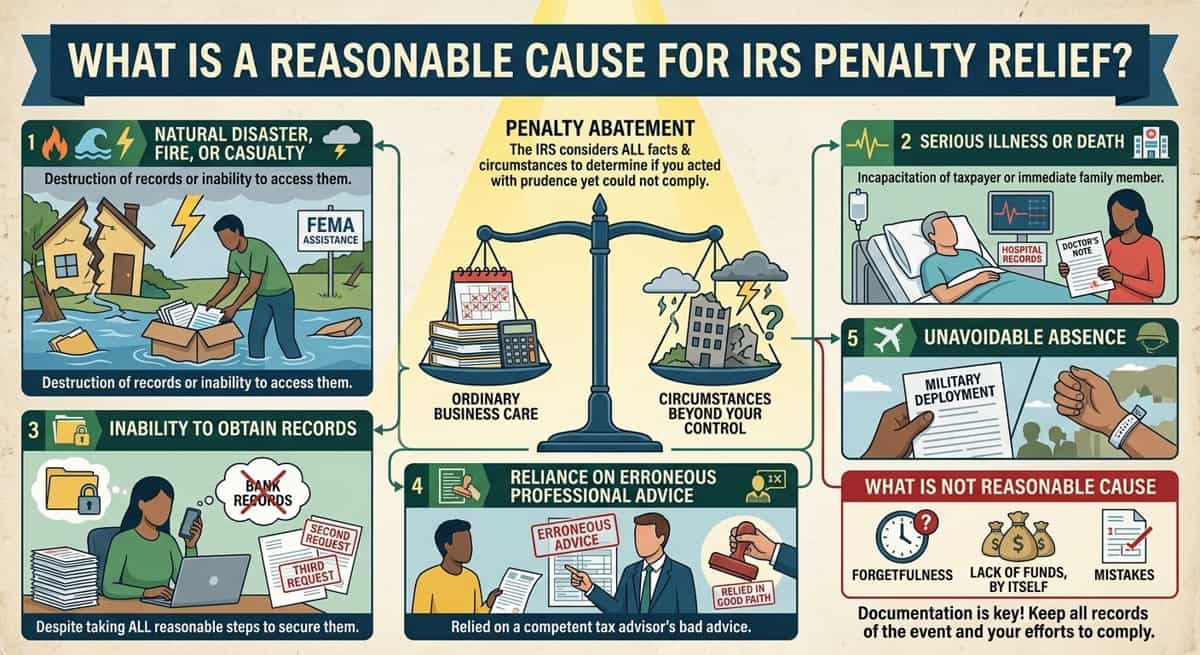
What Is a Reasonable Cause for IRS Penalty Relief
12 min read
Can the IRS Seize a Small Business Bank Account for Unpaid Taxes?
11 min read
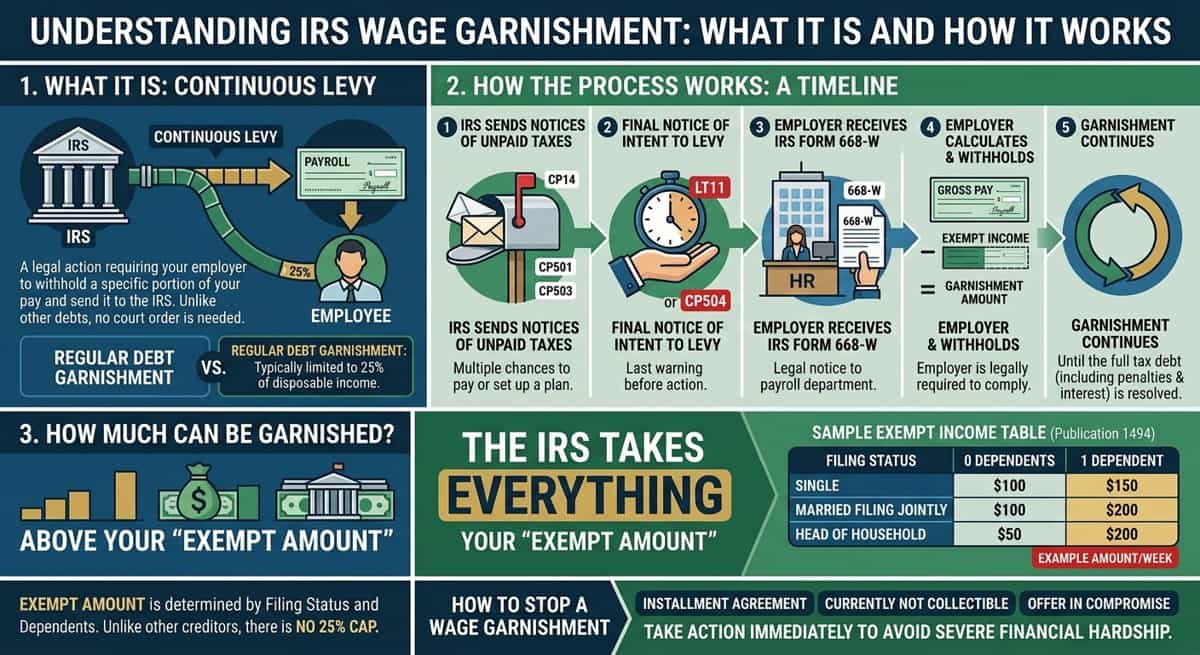
What Is an IRS Wage Garnishment and How Does It Work?
10 min read
Get Your Free Consultation
Speak with a certified debt consultant to explore your options.
Start NowNo obligation • Free consultation