
What Happens If A Form 8300 Is Filed On You?
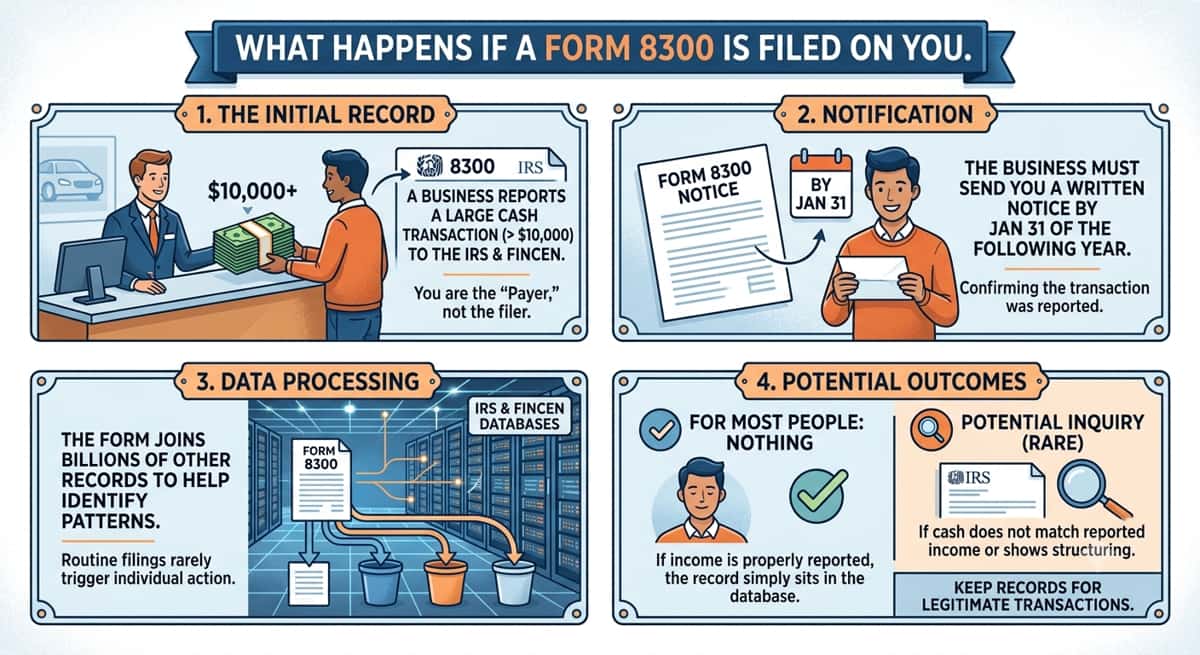
Did you just find out that a car dealer, jeweler, or real estate agent filed an IRS Form 8300 after you paid them in cash? Take a breath in most cases, nothing happens. This form is a routine paperwork requirement, not a red flag aimed at you personally.
Still, it's natural to feel a little uneasy when you hear the word "IRS" attached to a form you didn't even know existed. This is especially true for South Asian families, where large cash gifts at weddings, gold purchases, and family-pooled down payments for a house are simply part of everyday life. None of that makes you a target. It just means a business followed a reporting rule that's been on the books for decades.
What Is IRS Form 8300?
Form 8300 is a joint IRS and FinCEN form called the "Report of Cash Payments Over $10,000 Received in a Trade or Business." Any business, a car dealership, jewelry store, real estate company, or even a small family-owned shop has to file this form whenever it receives more than $10,000 in cash from one person, either in a single payment or in related payments.
The legal requirement comes from two places: Section 6050I of the tax code and a related anti-money-laundering law, 31 U.S.C. §5331. Together, they require businesses to report large cash transactions so the government can keep a paper trail. The goal isn't to catch everyday people doing everyday things, it's to make it harder to hide money from things like drug trafficking, fraud, or funding illegal activity.
Think of it less like an accusation and more like a receipt that gets copied to the IRS. The business isn't reporting you as a suspect. It's just following a rule that applies to cash over a certain amount, no matter who hands it over.
Why This Form Often Involves South Asian Families and Businesses
Cash plays a bigger role in many South Asian households than in the average American one. Wedding gifts (shagun or vari), gold jewelry bought for a daughter's wedding, and family members pooling cash to help with a home down payment are long-standing traditions, not unusual behavior.
On top of that, a lot of first-generation immigrant-owned businesses, restaurants, kirana or grocery stores, jewelry shops, and gas stations handle more cash than typical American businesses do. That combination means Form 8300 shows up more often in South Asian financial life than in many other communities. This isn't a sign of doing something wrong. It's simply a byproduct of cash-based customs meeting a reporting rule designed for a completely different purpose.
What Triggers a Form 8300 Filing?
A few different situations can trigger this form:
A single cash payment over $10,000 for example, paying $12,000 cash for a used car.
Multiple related payments that add up to more than $10,000 within a 24-hour period, or payments that are clearly connected even if spread across a few days (like installment payments for the same purchase).
It's also worth knowing what actually counts as "cash" under this rule. It includes physical currency, of course, but also certain cashier's checks, money orders, or traveler's checks with a face value under $10,000 but only when they're used in a way that looks designed to avoid the reporting threshold.
What does not count as cash: wire transfers, personal checks, and cashier's checks with a face value over $10,000. So if you sent money for a down payment through a bank wire, that wouldn't trigger Form 8300 at all.
A couple of real-life examples: a family gives $15,000 in cash toward a home down payment, and the closing agent has to report it. Or a father pays $11,000 cash at a jewelry store for his daughter's wedding gold. The jeweler is required to file the form. In both cases, the transaction itself is completely legal. The form is simply a routine part of doing business with large amounts of cash.
What Happens After Form 8300 Is Filed on You?
In most cases, nothing happens right away. There's no automatic phone call, no letter demanding answers, no audit notice, and no "watchlist" that gets triggered the moment a single form is filed.
Here's what actually happens behind the scenes:
The business that filed the form is required to send you a written notice by January 31 of the following year, letting you know a Form 8300 was filed listing your name. This is your right to know, and most businesses handle it as a routine mailing, not a warning.
From there, the form goes into a database maintained under the Bank Secrecy Act, which the IRS and FinCEN can cross-reference against other filings. What they're really looking for is a pattern with the same name showing up over and over, especially alongside other red flags not a single, well-documented, legitimate transaction.
Will You Be Audited or Investigated?
If it's a single, clean transaction, say, a documented cash gift from your parents for a house down payment the odds of it leading to an audit or investigation are very low. The IRS receives hundreds of thousands of these forms every year, and the overwhelming majority never lead to any follow-up.
That said, if your name appears on multiple Form 8300 filings, or if a filing shows up alongside other unusual financial activity, it can increase the chances of closer review. This doesn't mean you did anything wrong, it just means it's worth having your documentation in order, which we'll cover shortly.
Is It Illegal or Suspicious to Have a Form 8300 Filed on You?
Having a Form 8300 filed with your name on it is not illegal, and it's not an accusation of wrongdoing. It's simply the business following a routine compliance rule. Millions of these forms get filed every year for completely ordinary reasons buying a car, a home down payment, a large jewelry purchase.
What actually is illegal is something called structuring deliberately breaking up a large cash payment into smaller chunks specifically to avoid triggering the $10,000 reporting threshold. Structuring is a federal crime under 31 U.S.C. §5324, even if the underlying money is completely legitimate.
This matters because some readers may worry about past cash payments that happened to be split into two visits, say, paying a jeweler $6,000 one week and $6,000 the next for the same order. If that split wasn't done to dodge the reporting rule, it isn't structuring. The intent to evade reporting is what makes structuring illegal, not simply making more than one payment. Ordinary large cash gifts, purchases, and family financial support common in South Asian households are not structuring, and they're not something to lose sleep over.
What Should You Do If a Form 8300 Was Filed on You?
If you've learned that a Form 8300 was filed with your name on it, here's a simple, practical checklist:
1. Confirm you received the written notice. The business is required to send this by January 31 following the year of the transaction. If you haven't received it, you can reach out to the business directly.
2. Gather your documentation. This is the most important step. Keep records that clearly show where the cash came from a gift letter from a family member, proof of a property or gold sale, business income records, or bank withdrawal slips if the cash came from your own savings.
3. Make sure the cash shows up correctly in your tax filings. If the money was business income, it needs to be reported as such. If it was a personal gift, it generally isn't taxable income to you, but good documentation still matters.
4. Keep your records for at least five years. This gives you a paper trail if any questions ever come up down the road.
5. Know when to bring in a professional. If you're dealing with recurring cash transactions, complex family gifting arrangements, or you own a cash-heavy business, it's worth having a licensed tax professional or enrolled agent review your situation. This guide is meant to inform you, not replace personalized tax or legal advice.
Documenting Large Family Cash Gifts (Wedding Gifts, Gold, Real Estate Help)
For South Asian families, this step deserves extra attention. If relatives, especially those living abroad pooled money for a wedding gift, gold purchase, or home down payment, it helps enormously to have a simple written gift letter or affidavit. This should state who gave the money, how much, and that it was a gift with no expectation of repayment. For gold, an appraisal or purchase receipt showing value at the time can also help if questions ever arise.
One point of confusion worth clearing up: Form 8300 and IRS gift tax reporting (Form 709) are two completely separate things. Form 8300 is filed by the business that received the cash. Form 709 is a form the giver of a large gift may need to file, depending on the amount. Getting cash reported on a Form 8300 doesn't automatically mean anyone owes gift tax the two rules simply serve different purposes.
Form 8300 Penalties for Businesses (If You're the One Filing)
Many South Asian readers of this guide are also small business owners, so it's worth knowing the other side of this rule. If your business receives cash over $10,000 and doesn't file Form 8300 correctly, there are civil penalties for late or incorrect filings currently around $310 per return as of 2024, and this amount adjusts for inflation each year. Willful disregard of the filing requirement can carry criminal exposure as well.
Businesses generally have 15 days from the date of the transaction to file the form. Since January 1, 2024, most businesses are also required to e-file Form 8300 rather than mail a paper copy, so if you run a cash-heavy business, it's worth checking that your bookkeeping process is set up to catch these transactions automatically.
How Form 8300 Fits Into Your Broader Financial and Debt Picture
A Form 8300 notice can feel like an isolated scare, but it's often a good moment to take a wider look at your financial organization overall. Unresolved tax questions or reporting confusion tend to add stress on top of stress, especially if you're already juggling debt, credit card balances, or family financial obligations across two countries.
Getting ahead of it helps: keep personal and business cash separate, track where large sums of money come from and go to, and don't wait until a form or notice shows up to get organized. If cash flow and debt are already feeling tangled, talking to a debt relief or tax professional before things escalate can save you a lot of stress later and can often uncover options you didn't know you had.
Conclusion
Finding out a Form 8300 was filed with your name on it can feel alarming at first, but it rarely means anything is wrong. It's a routine part of how the IRS keeps track of large cash transactions not a judgment on you or your family's financial habits. Cash gifts at weddings, gold purchases, and family-funded down payments are a normal part of life for many South Asian households, and none of that changes because a business followed a paperwork rule.
The best thing you can do now is simple: keep your documentation organized, understand the difference between a routine filing and actual structuring, and reach out to a tax professional if your situation feels more complicated than a single, clean transaction. Handled this way, a Form 8300 notice becomes just one more piece of paperwork not something that needs to keep you up at night.
Ready to Get Started?
Get a free consultation with a certified debt consultant to see if debt settlement is right for you.
Get Free ConsultationAbout the Author
Bhupinder Bajwa
.
Related Articles
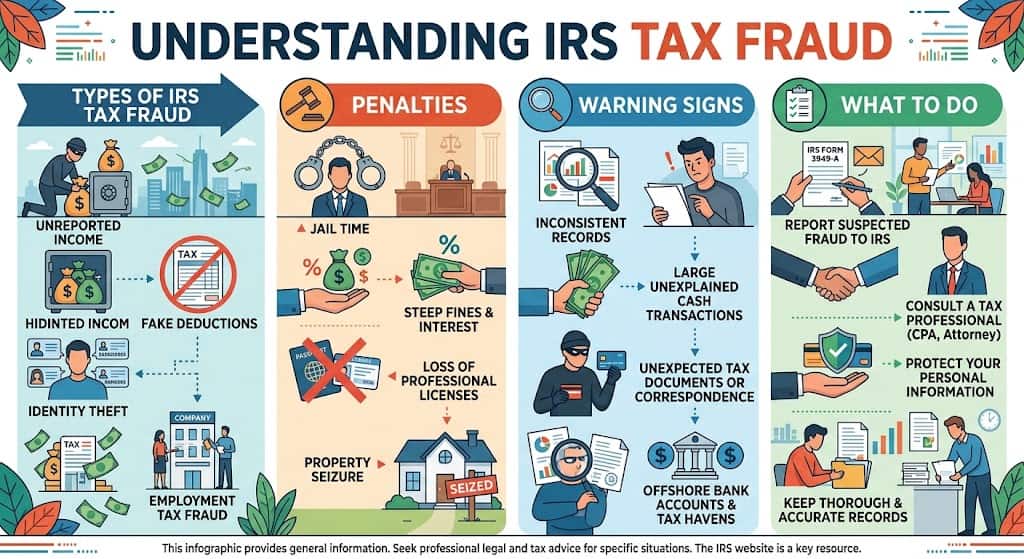
IRS Tax Fraud: Types, Penalties, Warning Signs, and What to Do
11 min read
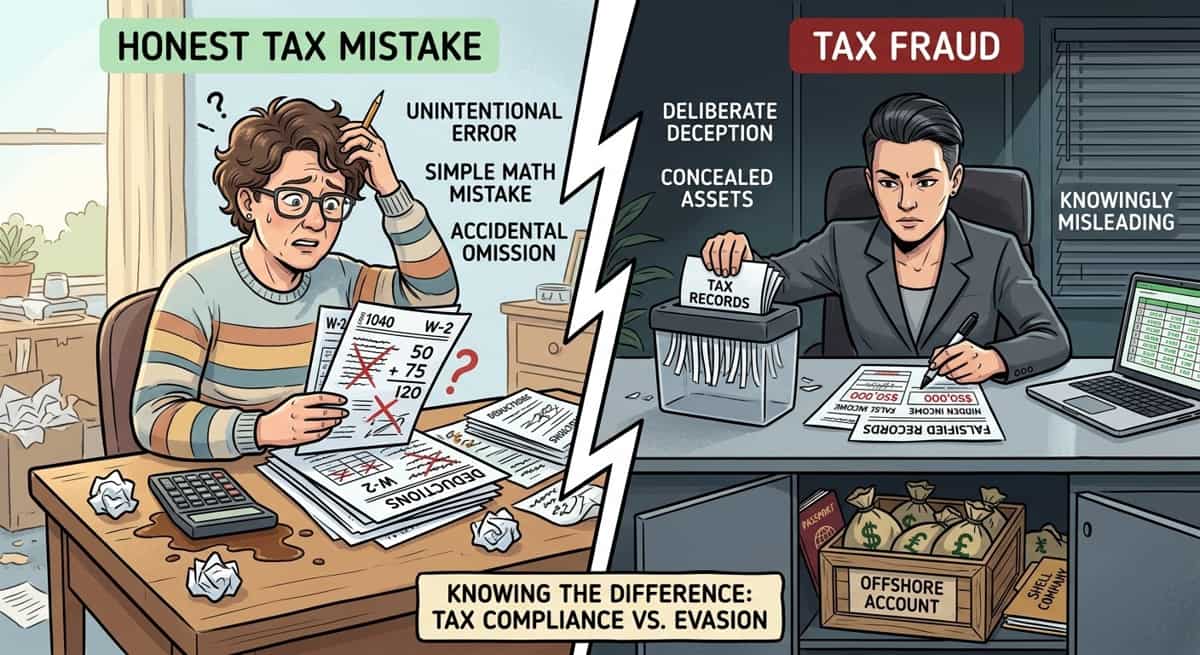
What Is the Difference Between Tax Fraud and an Honest Tax Mistake?
11 min read
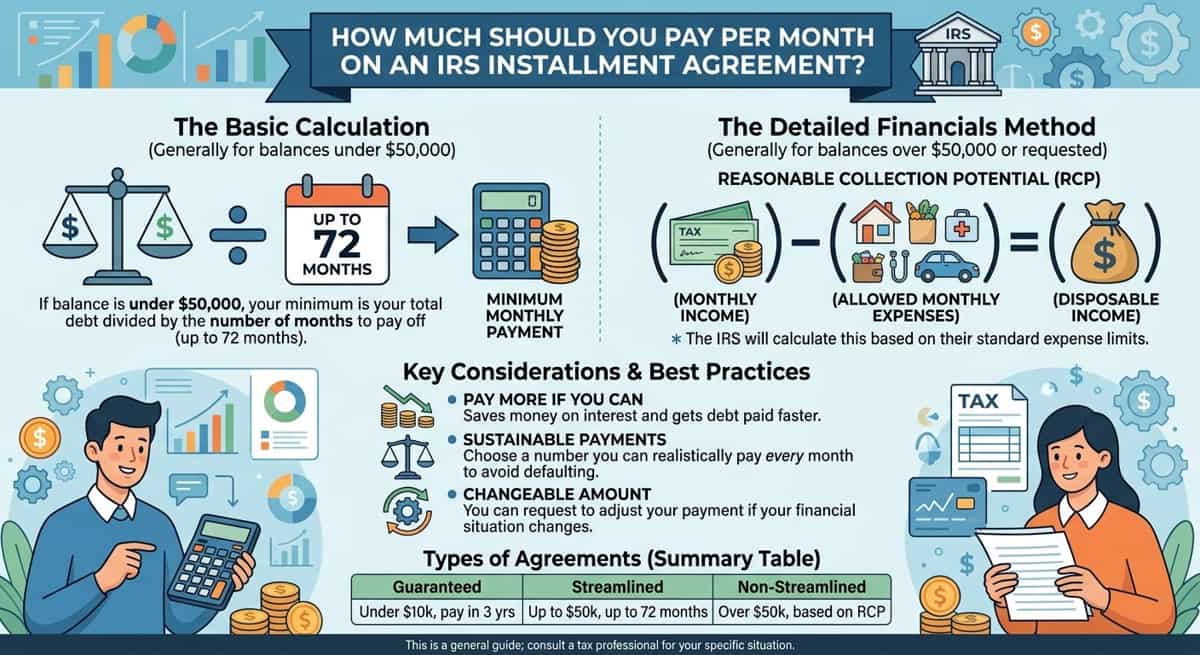
How Much Should You Pay Per Month on an IRS Installment Agreement?
10 min read
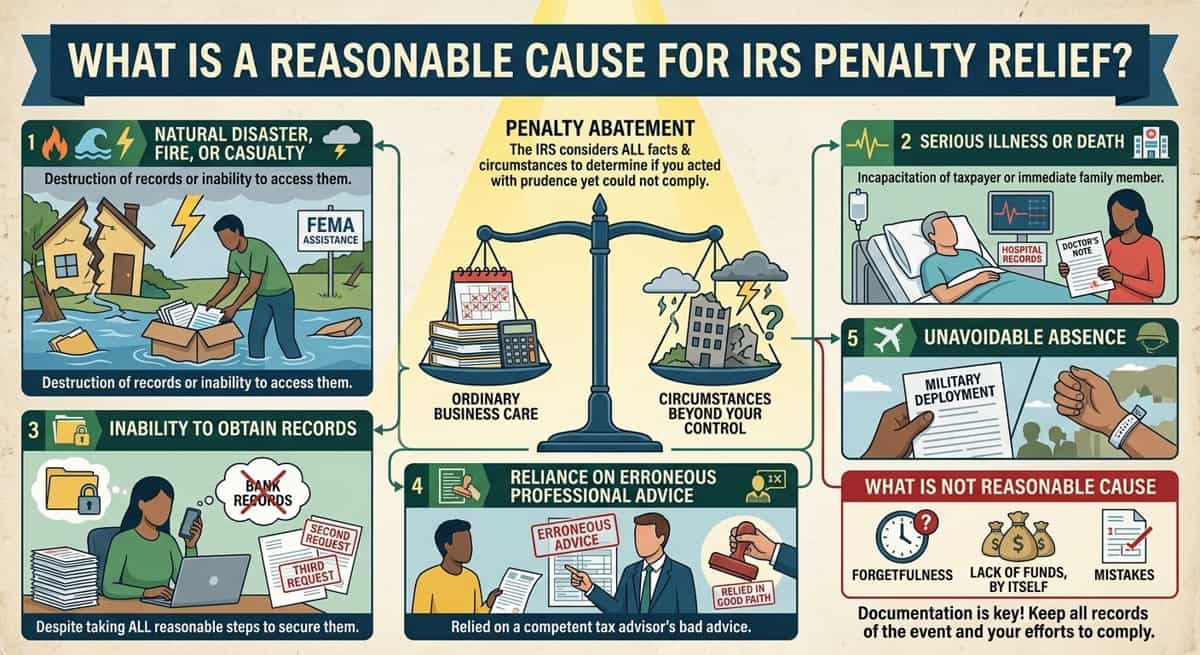
What Is a Reasonable Cause for IRS Penalty Relief
12 min read
Can the IRS Seize a Small Business Bank Account for Unpaid Taxes?
11 min read
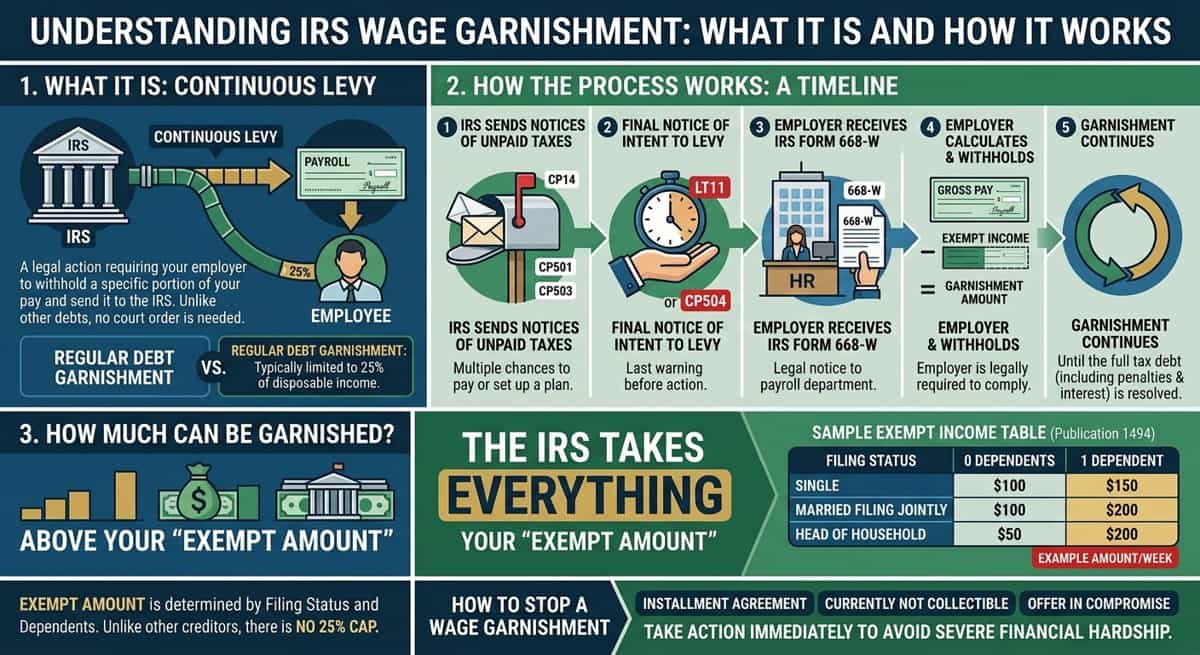
What Is an IRS Wage Garnishment and How Does It Work?
10 min read
Get Your Free Consultation
Speak with a certified debt consultant to explore your options.
Start NowNo obligation • Free consultation