
Does IRS Debt Show On Your Credit Report?
You've been running your family's grocery import business for years filing taxes, keeping the books as best you can. Then one spring, an IRS notice lands in your mailbox. The number is bigger than you expected. Your first thought isn't about the IRS. It's about your credit score. Your mortgage renewal is coming up. Your daughter is getting married next year. The last thing you need right now is your credit taking a hit you didn't see coming.
Here's the breath of fresh air you needed: IRS debt does not automatically show up on your credit report. The IRS does not report what you owe directly to Equifax, Experian, or TransUnion. But and this matters there is one major exception that can quietly derail your financial plans if you don't catch it in time. It's called a federal tax lien, and it works differently than most people expect.
What Is a Federal Tax Lien — And Should You Be Worried?
Think of a federal tax lien as the government staking a claim on everything you own. It doesn't take your property right away but it tells the world that the IRS has first rights to your assets if you sell, refinance, or borrow against them. It's the IRS's way of getting in line before anyone else does.
Here's how it typically unfolds. The IRS calculates what you owe and sends you a bill. If that bill goes unpaid or unanswered after a certain period, the IRS files a Notice of Federal Tax Lien with your local county or state office. From that moment, it's a matter of public record. No court order needed. No advance warning beyond the original notice.
Even though a tax lien no longer appears on your credit report, here's what it can still quietly disrupt:
Selling your home. A lien attaches to your property. When a title search runs during a home sale, the lien shows up and the sale typically cannot close until the IRS debt is resolved.
Refinancing or tapping home equity. If you were planning to refinance your mortgage or pull equity out of your home to fund a business or a family expense, a lien can freeze that plan entirely. Lenders will not process the transaction with an active lien in place.
Helping a family member buy property. In many households, parents co-sign on a child's home purchase or contribute to a down payment through jointly held assets. An active lien on a parent's name can surface during that process and complicate or collapse the transaction.
Business financing. If you run a small business and apply for a line of credit or an SBA loan, lenders conduct public record searches. A federal tax lien is one of the first things they find, and it significantly weakens your application.
General bank loan approvals. Even for personal loans, many banks and credit unions run lien searches as part of their underwriting. The lien signals financial and legal risk, regardless of your credit score.
The lien doesn't announce itself loudly. It sits in a public database until the moment it matters most, usually when you're in the middle of a transaction that can't wait.
When IRS Debt CAN Indirectly Hurt Your Credit Score
The IRS itself won't call Equifax. But that doesn't mean your credit score is completely safe while an IRS balance sits unresolved. There are three real-life situations where unpaid tax debt can find its way into your credit report through the back door.
The IRS levies your bank account. When the IRS runs out of patience, it can legally seize funds directly from your bank account sometimes without much warning. If your account is suddenly drained and you have automatic payments set up for your credit card, car loan, or mortgage, those payments will fail. Missed payments get reported to the credit bureaus, and your score takes the hit even though the IRS never reported a thing.
The IRS garnishes your wages. A wage garnishment means a portion of your paycheck goes directly to the IRS before you ever see it. For many families running on tight monthly budgets, a sudden reduction in take-home pay makes it hard to keep up with minimum payments on existing debt. Those missed or late payments are what ultimately damage your credit.
Your account gets sent to a private collection agency. In certain situations, the IRS transfers past-due accounts to authorized private collection agencies. Unlike the IRS, these agencies can and sometimes do report to credit bureaus. If your debt lands with one of them, the credit impact becomes very direct and very real.
How to Protect Your Credit While Dealing With IRS Debt
Owing the IRS feels overwhelming, but the single biggest mistake people make is waiting. The earlier you respond, the more options you have and the less damage reaches your financial life. Here's what to do, in order.
Open every IRS notice the day it arrives. The IRS sends multiple notices before it files a lien or initiates a levy. That window is your opportunity. Ignoring a notice doesn't pause the clock, it just shortens the time you have to act. Even if you can't pay right now, responding early keeps more doors open.
Request a Collection Due Process (CDP) hearing. If you've received a notice of intent to levy or a notice of federal tax lien, you have the right to request a CDP hearing. This formally pauses IRS collection action while your case is under review giving you breathing room to negotiate a resolution without enforcement escalating.
Explore your resolution options with the IRS. There are several legitimate paths to settling IRS debt, and each one stops the situation from getting worse:
An Installment Agreement lets you pay over time in monthly amounts you can manage. Once in place, the IRS typically won't escalate to a levy, which protects your bank account and your indirect credit exposure.
An Offer in Compromise allows qualifying taxpayers to settle their full debt for a reduced amount based on their actual ability to pay.
Currently Not Collectible (CNC) status is available if your financial situation is genuinely dire. The IRS temporarily suspends collection activity no levies, no garnishments while you stabilize.
Ask about lien withdrawal if a lien has already been filed. This is one of the most underused options available to taxpayers.
If a federal tax lien has already been filed against you, you may be able to have it fully withdrawn, not just released, but removed from public record entirely. The IRS will consider withdrawal once you've entered a Direct Debit Installment Agreement and made three consecutive on-time payments. A withdrawal clears the public record, which means it won't surface in title searches or lender background checks. Most people don't know this option exists.
Keep an eye on your credit while you work through this. Use a free credit monitoring tool to watch for any indirect damage unexpected missed payments from a levy, or collection agency activity. Catching something early means you can dispute it or address it before it compounds.
One additional note for those with more complex financial pictures: if you co-own property with a spouse or family member, or if you have overseas financial accounts that are reported through FBAR or FATCA requirements, getting ahead of an IRS issue early is especially important. A lien filed while jointly owned property or international assets are in play can create complications that are much harder to unwind after the fact.
How IRS Debt Compares to Other Types of Debt on Your Credit
Not all debt behaves the same way when it comes to your credit report. The table below shows exactly how IRS debt stacks up against the types of debt most people are more familiar with so you can see at a glance what's actually being reported and what isn't.
Type of Debt | Reported to Credit Bureaus? | Affects Credit Score? | Becomes Public Record? |
Credit Card Debt | Yes | Yes | No |
Medical Debt | Sometimes | Sometimes | No |
Student Loan Debt | Yes | Yes | No |
IRS Tax Debt | No (direct reporting) | Indirectly | Yes (via lien) |
Federal Tax Lien | No (removed post-2017) | Indirectly | Yes |
IRS Payment Plan | No | No (if maintained) | No |
The key takeaway here is that IRS debt operates outside the normal credit reporting system but that doesn't make it consequence-free. The public record column tells the real story: a federal tax lien is visible to anyone who looks, even if it's invisible on your credit report.
What To Do Right Now
If you've made it this far, you already know more than most people do about how IRS debt actually works and that knowledge matters. The situation you're in is more manageable than it feels right now, especially if you act before things escalate. IRS debt on its own won't show up on your credit report. But a tax lien, a levy on your bank account, or months of inaction absolutely can ripple into your financial life in ways that are much harder to undo later.
The most important next step is talking to someone who understands the full picture, not just the tax side, but how it connects to your property, your business, your family's shared finances, and any international accounts you may hold. A qualified tax relief professional can map out your options clearly and help you choose the path that protects the most.
In many families, financial struggles get carried quietly for too long because asking for help feels like admitting failure. It isn't. The only costly mistake here is waiting. The earlier you reach out, the more options remain on the table and the better the outcome you can realistically expect.
Ready to Get Started?
Get a free consultation with a certified debt consultant to see if debt settlement is right for you.
Get Free ConsultationAbout the Author
Ooraa Team
Our team of certified debt consultants has over 10 years of experience helping families become debt-free. We specialize in debt settlement strategies and financial education.
Related Articles
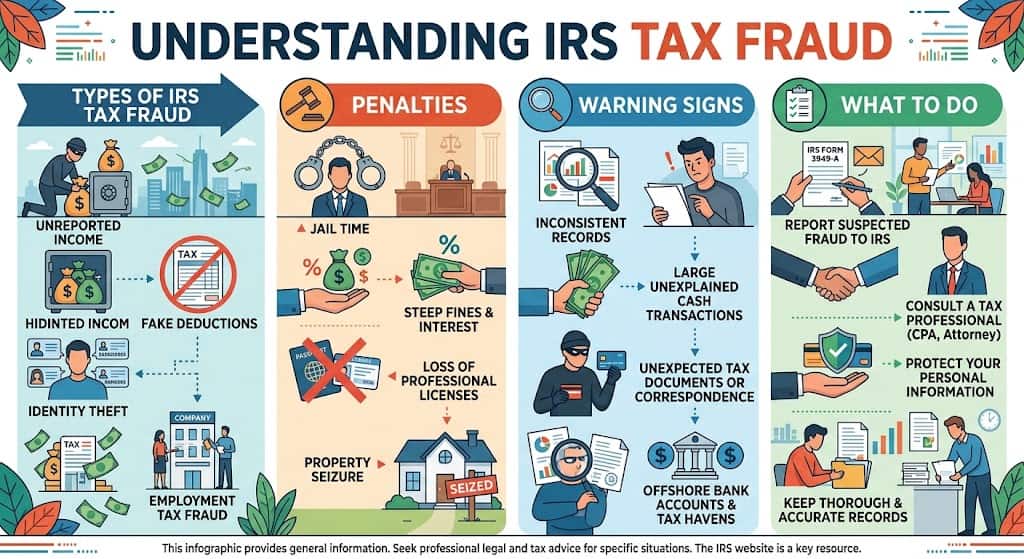
IRS Tax Fraud: Types, Penalties, Warning Signs, and What to Do
11 min read
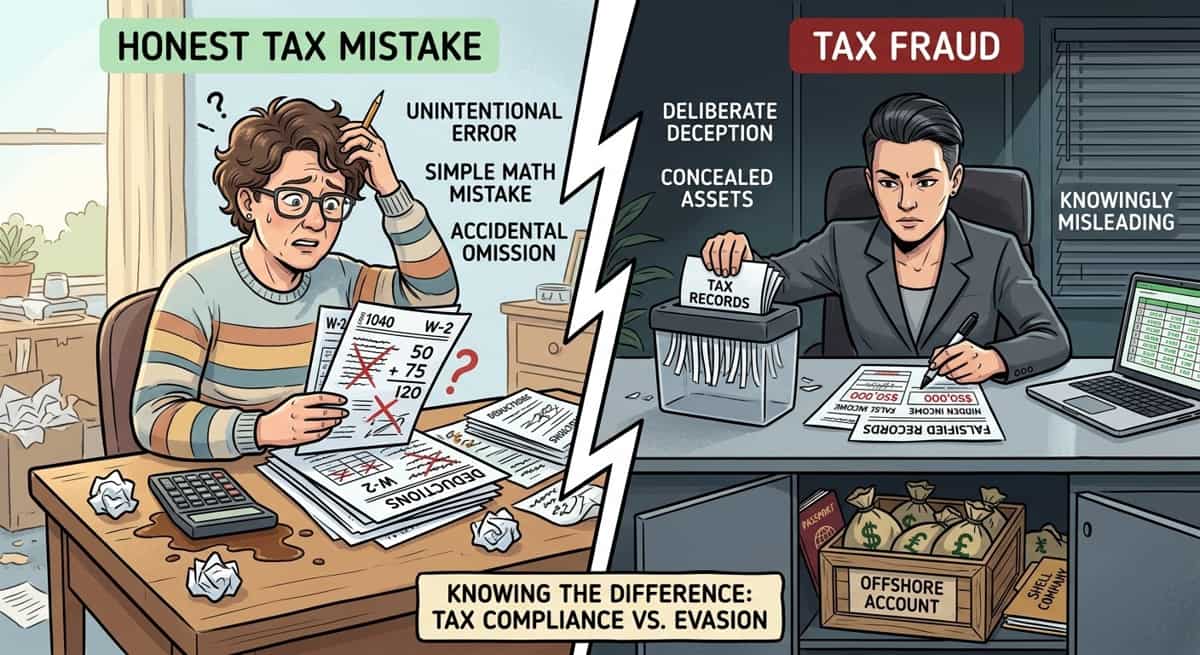
What Is the Difference Between Tax Fraud and an Honest Tax Mistake?
11 min read
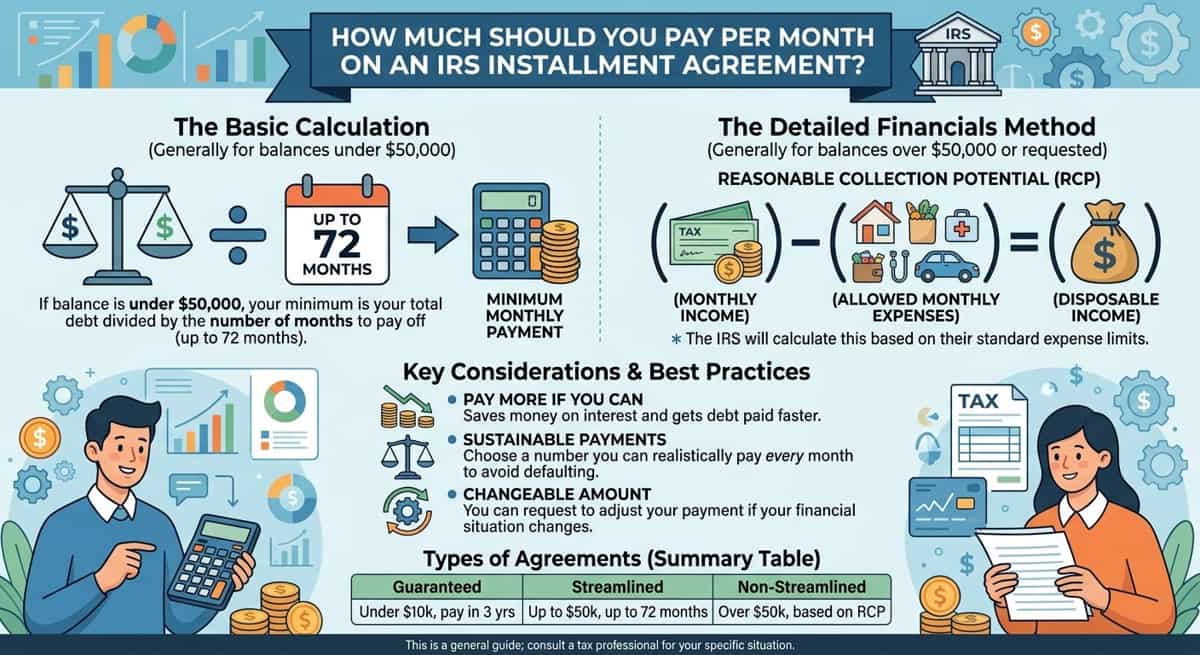
How Much Should You Pay Per Month on an IRS Installment Agreement?
10 min read
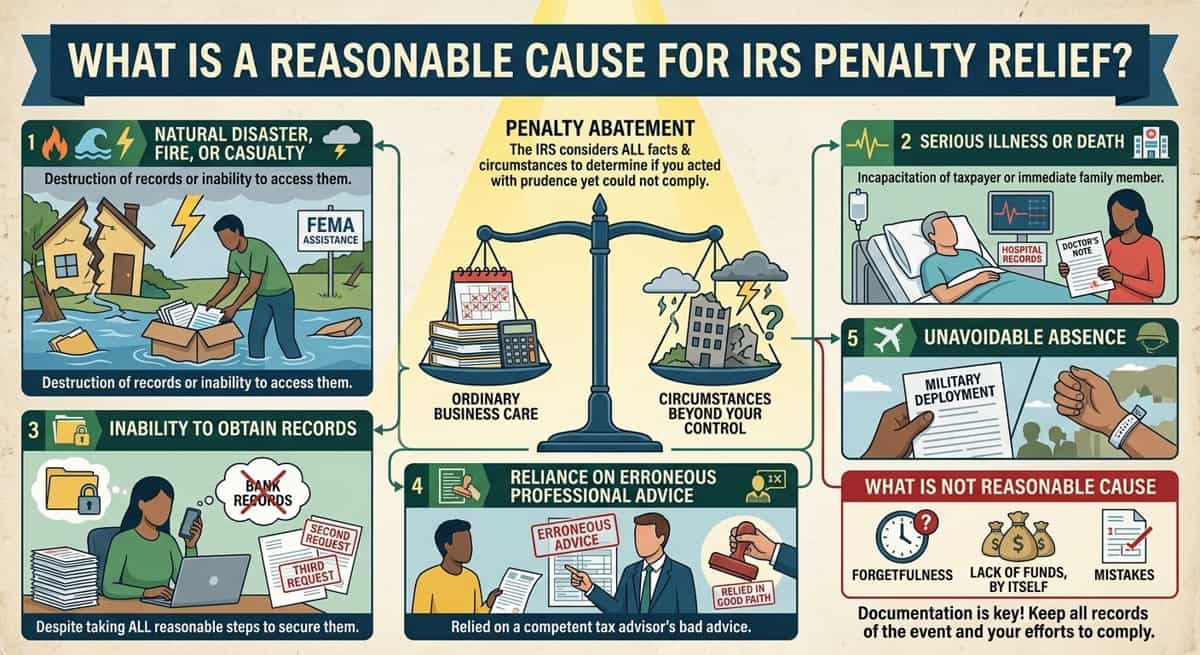
What Is a Reasonable Cause for IRS Penalty Relief
12 min read
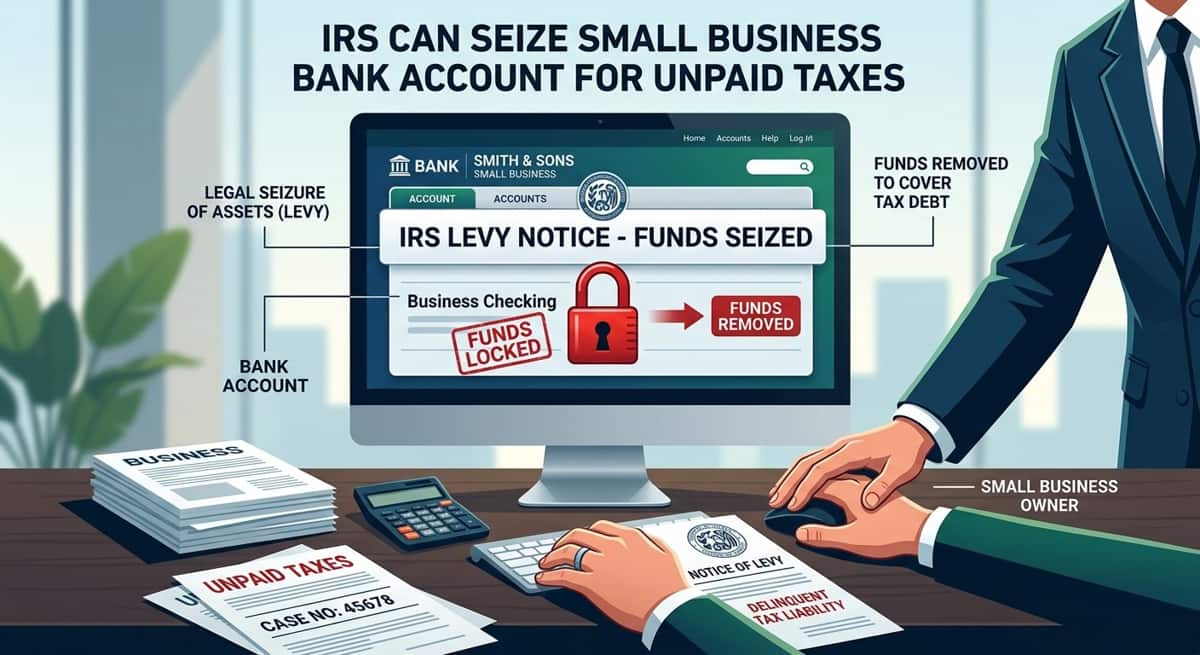
Can the IRS Seize a Small Business Bank Account for Unpaid Taxes?
11 min read
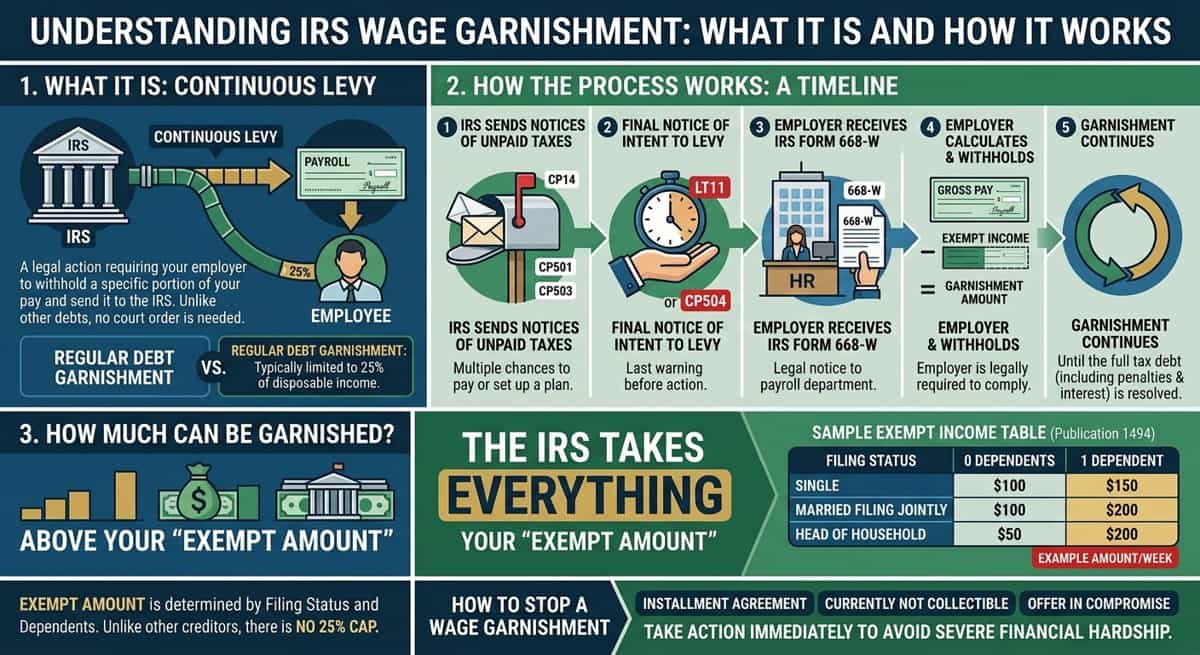
What Is an IRS Wage Garnishment and How Does It Work?
10 min read
Get Your Free Consultation
Speak with a certified debt consultant to explore your options.
Start NowNo obligation • Free consultation