
IRS Certified Mail Audit Letters: The Different Types And What You Should Do

You check your mailbox and there's a slip from the post office saying you have certified mail waiting from the IRS. Your stomach drops. Maybe you think about your uncle who got audited years ago, or a story you heard at a community gathering about someone who "got in trouble with the IRS." For many South Asian families in the US, especially first-generation immigrants, small business owners, or anyone still learning how the American tax system works, this moment can feel scary.
Here's the first thing you need to know: getting certified mail from the IRS does not mean you did something illegal, and it does not mean immigration officials are involved. It simply means the IRS needs to tell you something important enough that they want proof you received it. That's it. It's a normal part of how the IRS communicates, not a sign that your world is about to fall apart.
Why Does the IRS Send Certified Mail Instead of a Regular Letter?
The IRS doesn't send every letter by certified mail, only the ones that matter the most. When something has a deadline attached, or when it affects your legal rights, the IRS uses certified mail so there's an official record that you received it. Think of it like a receipt for a serious conversation. It protects both you and the IRS by creating a paper trail.
This is very different from how scammers operate. The IRS will never call you out of the blue demanding immediate payment, ask you to pay with gift cards or wire transfers, or threaten to have you arrested over the phone. If someone calls, texts, or emails you claiming to be the IRS and pressuring you to act immediately, that's almost always a scam. A real IRS audit or tax issue nearly always starts with a letter in the mail not a phone call.
How to Verify a Letter Is Genuinely From the IRS
Before you do anything else, make sure the letter is actually from the IRS. Every real IRS notice or letter has a notice number (like CP2000) or letter number (like Letter 566) printed in the top or bottom corner. You can type that number directly into the search bar on IRS to see an official description of what it means. A legitimate letter will never ask you to pay by gift card, cryptocurrency, or wire transfer, and it won't threaten immediate arrest. If you're ever unsure, don't call the number printed on a letter that feels off instead, look up the official IRS phone number on IRS and call that one to confirm.
The Different Types of IRS Certified Mail Audit Letters (And What Each One Means)
Not all IRS letters mean the same thing. Some are simple requests for more information. Others are more serious and come with strict deadlines. Here's a breakdown of the most common ones you might receive.
CP2000 Notice - Underreported Income
This is one of the most common letters people receive, and it isn't technically an audit, it's a proposed change to your tax bill. It usually shows up when the income reported on your tax return doesn't match what your employer, bank, or clients reported to the IRS. For example, if you had a side business, freelance income, or forgot to include a 1099, this is the letter you're likely to get. It will show you exactly what doesn't match and give you a chance to agree or explain your side.
Letter 566 (CG) - Initial Correspondence Audit
This letter means the IRS has chosen a specific part of your tax return to review, entirely by mail. It's usually about one issue like a deduction, a credit you claimed, or your filing status rather than your whole return. You'll be asked to mail in documents that support what you claimed, such as receipts or records.
Letter 2202 - Notice of Office or In-Person Examination
This letter asks you to bring your records to an IRS office and meet with an examiner in person. It's more involved than a correspondence audit because the IRS wants to go over your documents face-to-face, often because the issues being reviewed are more complex than a single line item.
Letter 3391 - 30-Day Non-Filer Letter
If the IRS believes you were required to file a tax return for a certain year but didn't, this is the letter you'll receive. It gives you 30 days to either file the missing return or explain why you didn't need to. If you are several years behind on filing, getting assistance with unfiled tax returns helps bring your account up to date before penalties accumulate. This one is common among people who are new to the US tax system or who assumed they didn't need to file because of low income or unfamiliarity with the rules.
Letter 531 - Statutory Notice of Deficiency ("90-Day Letter")
This is one of the more serious letters on this list. It means the IRS has finished reviewing your case and is telling you exactly how much more tax they believe you owe. You have 90 days from the date on the letter to either pay, dispute it, or file a petition with the US Tax Court. Missing this deadline can mean losing your right to challenge the amount before it becomes a final bill.
Letter 525 - General 30-Day Letter (Proposed Changes)
This letter comes after an audit has been completed and outlines the changes the IRS proposes to make to your return. You have 30 days to agree, disagree, or request an appeal before the case moves forward. It's your chance to respond before things become final.
Letter/Notice Number | What It Means | Typical Deadline | Urgency Level |
CP2000 | Income reported doesn't match IRS records | 30 days | Moderate |
Letter 566 (CG) | Audit of a specific item, done by mail | 30 days | Moderate |
Letter 2202 | In-person audit meeting requested | Set appointment date | Moderate–High |
Letter 3391 | IRS believes you didn't file a required return | 30 days | High |
Letter 531 | Final proposed tax bill (90-Day Letter) | 90 days | Very High |
Letter 525 | Proposed changes after audit completion | 30 days | High |
Correspondence Audit vs. Office Audit vs. Field Audit -What's the Difference?
The letter you receive usually tells you which of three audit formats you're dealing with. Knowing the difference helps you understand how much time, paperwork, and preparation you'll need.
Correspondence Audit (By Mail)
This is the most common and usually the least stressful type. Everything happens through the mail you send in copies of documents, and the IRS reviews them and responds in writing. Most CP2000 and Letter 566 cases fall into this category.
Office Audit (In-Person at IRS Office)
Here, you're asked to bring specific records to a local IRS office and meet with an examiner. This is more detailed than a correspondence audit and usually covers more than one issue on your return.
Field Audit (IRS Visits Your Home or Business)
This is the most thorough type of audit, where an IRS agent visits your home or place of business. It's more common for small business owners and many South Asian families run cash-based businesses like restaurants, motels, gas stations, or retail stores, which the IRS sometimes reviews more closely because cash transactions are harder to trace on paper. If this happens to you, it's worth having a tax professional by your side.
What to Do the Moment You Receive an IRS Audit Letter
It's normal to feel your heart race a little when you see that envelope. Here's exactly what to do, step by step, so you don't have to figure it out alone.
Don't panic and don't ignore it. Both reactions make things harder later. The letter is manageable if you deal with it calmly.
Read the notice or letter number and the deadline carefully. This tells you exactly what the IRS wants and how much time you have.
Verify it's real by checking the notice number on IRS.gov before responding to anything.
Gather the documents the letter is asking for pay stubs, receipts, bank statements, 1099s, or anything mentioned specifically in the letter.
Decide if you can respond yourself or need help. Simple mismatches are often manageable alone; anything involving a business, multiple years, or large amounts usually benefits from professional help.
Respond in writing before the deadline, and always keep a copy of what you send along with proof of mailing, ideally by certified mail with a return receipt.
Special Considerations for South Asian Immigrant and Dual-Filing Households
Some situations come up more often in South Asian communities, and it helps to know how they connect to IRS letters.
Remittances, Foreign Bank Accounts, and FBAR/FATCA Questions
Sending money home to family in India, Pakistan, Bangladesh, Sri Lanka, or Nepal is not, by itself, taxable, and it usually has nothing to do with an audit letter. But if you or your family maintain foreign bank accounts above certain thresholds, you may be required to file an FBAR (a report of foreign bank accounts) separately from your tax return. If an IRS letter mentions foreign accounts or asks about unreported income, it may be related to this filing requirement rather than the remittances themselves.
ITIN Holders and Audit Letters
If you file taxes using an Individual Taxpayer Identification Number (ITIN) instead of a Social Security Number, you can still receive audit letters just like anyone else. The process and your rights are the same. If your ITIN has expired, the letter might actually be about renewing it rather than an audit read it carefully to understand which situation applies to you.
Does an IRS Audit Affect Immigration Status or Visa/Green Card Applications?
This is one of the biggest fears families have, so let's address it directly: a routine tax audit is a civil tax matter. It is handled separately from immigration processes, and the IRS does not share audit information with immigration enforcement for the purpose of a standard audit. That said, if you have unfiled tax returns and are working toward naturalization or another immigration benefit that requires proof of tax compliance, it's worth speaking with an immigration attorney alongside your tax professional so both pieces are handled correctly.
Should You Handle the Audit Yourself or Hire a Professional?
When You Can Likely Respond on Your Own
If the letter involves a single, simple issue like a missing 1099 or a small mismatch in reported income and you have the documents to support your original return, you can often respond on your own by mailing in copies with a short explanation letter.
When to Hire a CPA, Enrolled Agent, or Tax Attorney
If the letter involves a business, multiple tax years, a large proposed balance, or you're simply unsure how to respond, it's worth bringing in help. A Certified Public Accountant (CPA) or Enrolled Agent (EA) can handle most audits, while a tax attorney is especially useful if there's a risk of penalties, fraud allegations, or if you need to go to Tax Court.
How to Authorize a Representative (Form 2848 vs. Form 8821)
If you want someone to speak with the IRS on your behalf, you'll need to file paperwork giving them permission. Form 2848 lets a professional represent you and communicate directly with the IRS. Form 8821 is more limited; it only allows someone to view your tax information, without representing you in discussions. Most people working with a CPA, EA, or tax attorney on an audit will use Form 2848.
What Happens If You Ignore the Certified Letter?
Ignoring an IRS letter doesn't make it go away, it just moves the process forward without your input. Typically, if you don't respond, the IRS will send follow-up notices, then move to a proposed assessment of what they believe you owe. If that's ignored too, it can escalate to a Statutory Notice of Deficiency, which starts the 90-day clock to dispute the amount in Tax Court. After that window closes, the IRS can begin collection actions, including liens on property or levies on bank accounts and wages. If you are already facing enforced collections, immediate tax debt relief assistance can help halt legal actions.
The good news is that you have rights throughout this entire process. The Taxpayer Bill of Rights guarantees you the right to be informed, the right to challenge the IRS's position, and the right to appeal most decisions. You are never without options but those options shrink the longer a letter sits unopened.
How to Respond to an IRS Audit Letter (Sample Approach)
A strong response is clear, organized, and sticks to what the letter is actually asking for. Include a short cover letter referencing the notice or letter number, a calm explanation of your position, and copies (never originals) of the supporting documents. Mail your response by certified mail with a return receipt so you have proof it was sent and received, and keep a personal log of every letter you send and receive, along with the dates.
If paying what's owed would cause serious financial hardship, the Taxpayer Advocate Service is a free, independent office within the IRS that can help. They're especially useful if you feel stuck, haven't gotten a response in a reasonable time, or are facing financial hardship because of the situation.
Key Takeaways
Certified mail from the IRS is a normal way of communicating important, time-sensitive information; it is not automatically a sign of wrongdoing.
Always check the notice or letter number on IRS.gov before responding to anything.
Different letters carry different deadlines and levels of urgency to know which one you're dealing with before you act.
A routine tax audit is a civil matter separate from immigration status.
Responding calmly, on time, and in writing puts you back in control of the situation.
When in doubt,a tax attorney can guide you through the process and speak to the IRS on your behalf
Ready to Get Started?
Get a free consultation with a certified debt consultant to see if debt settlement is right for you.
Get Free ConsultationAbout the Author
Bhupinder Bajwa
.
Related Articles
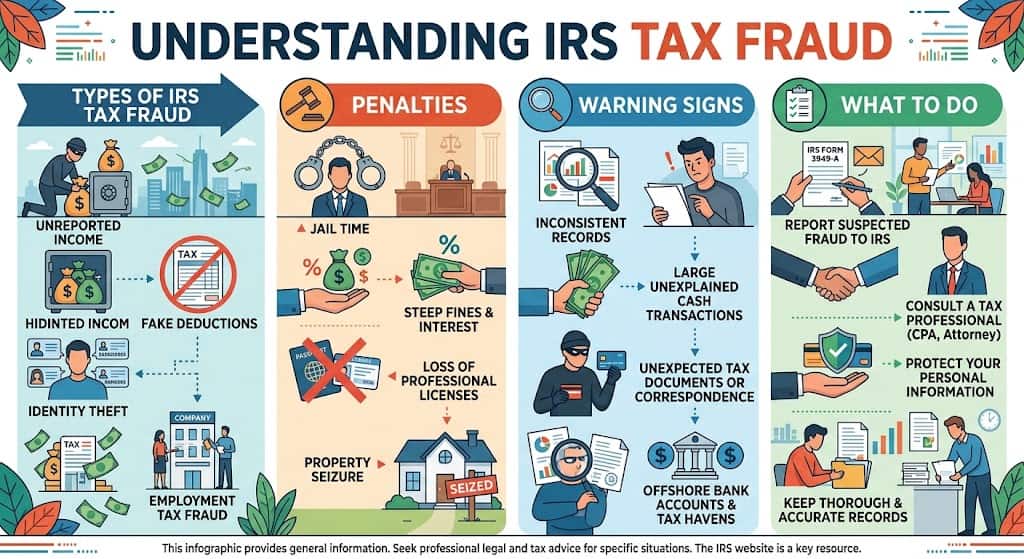
IRS Tax Fraud: Types, Penalties, Warning Signs, and What to Do
11 min read
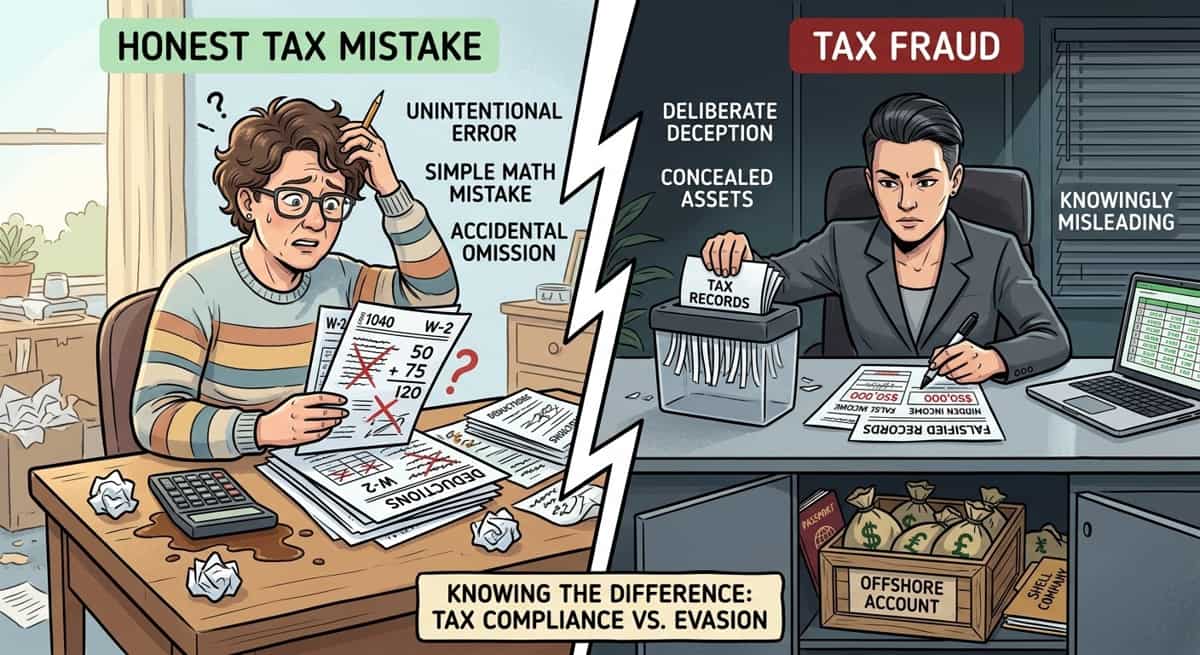
What Is the Difference Between Tax Fraud and an Honest Tax Mistake?
11 min read
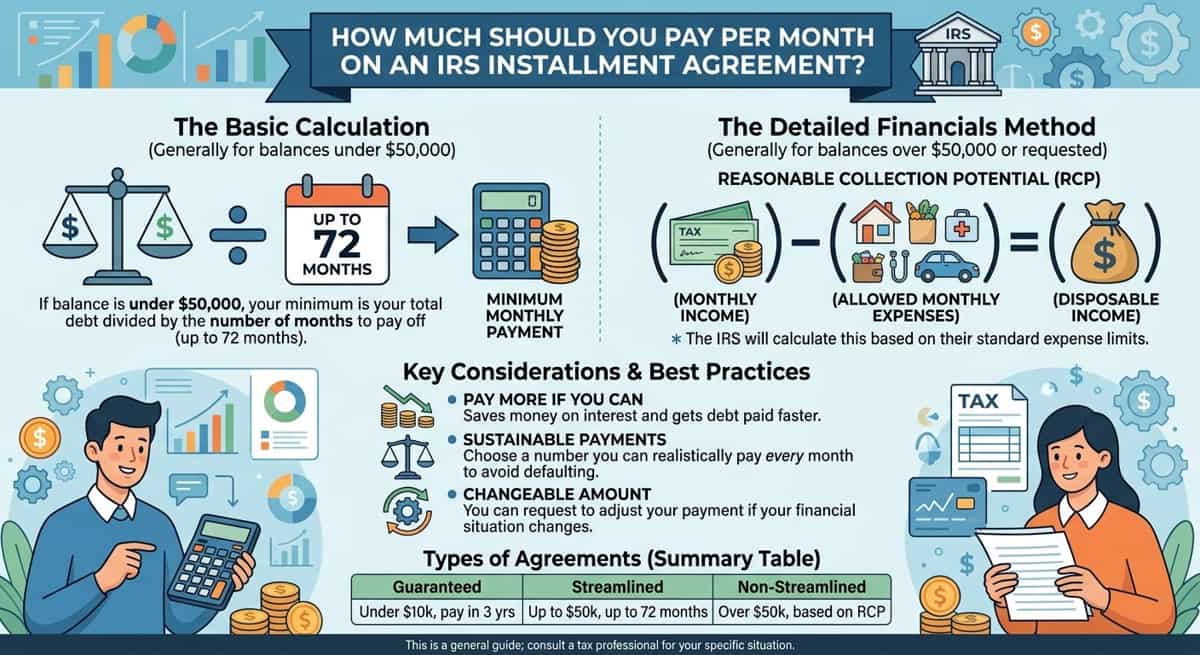
How Much Should You Pay Per Month on an IRS Installment Agreement?
10 min read
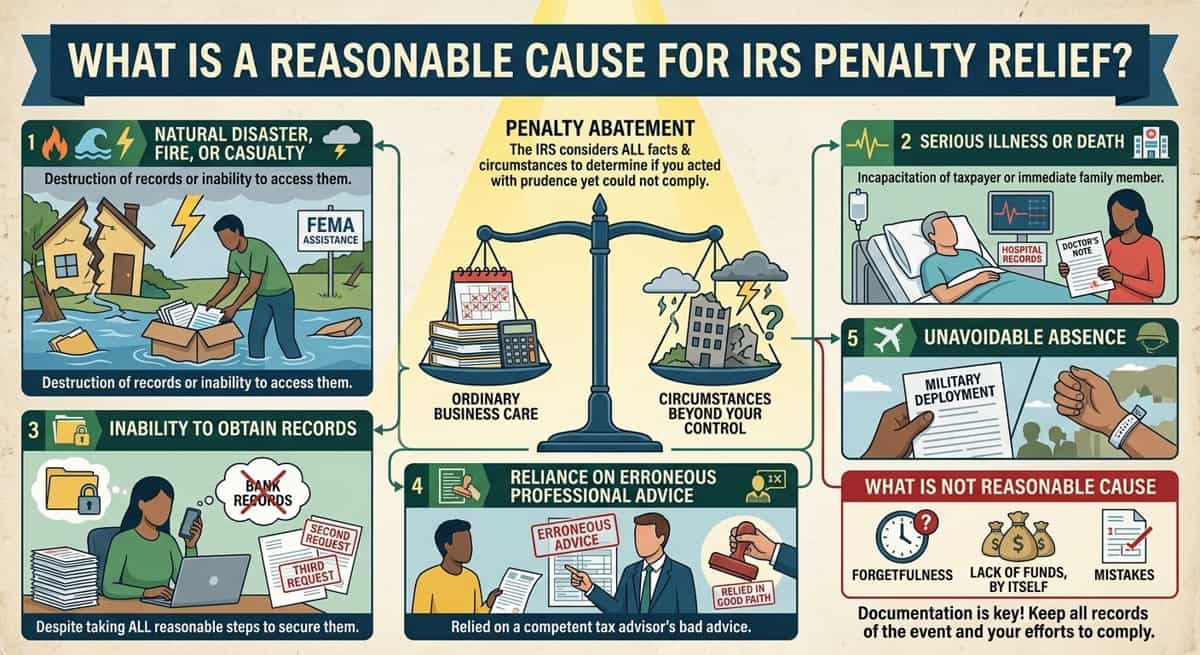
What Is a Reasonable Cause for IRS Penalty Relief
12 min read
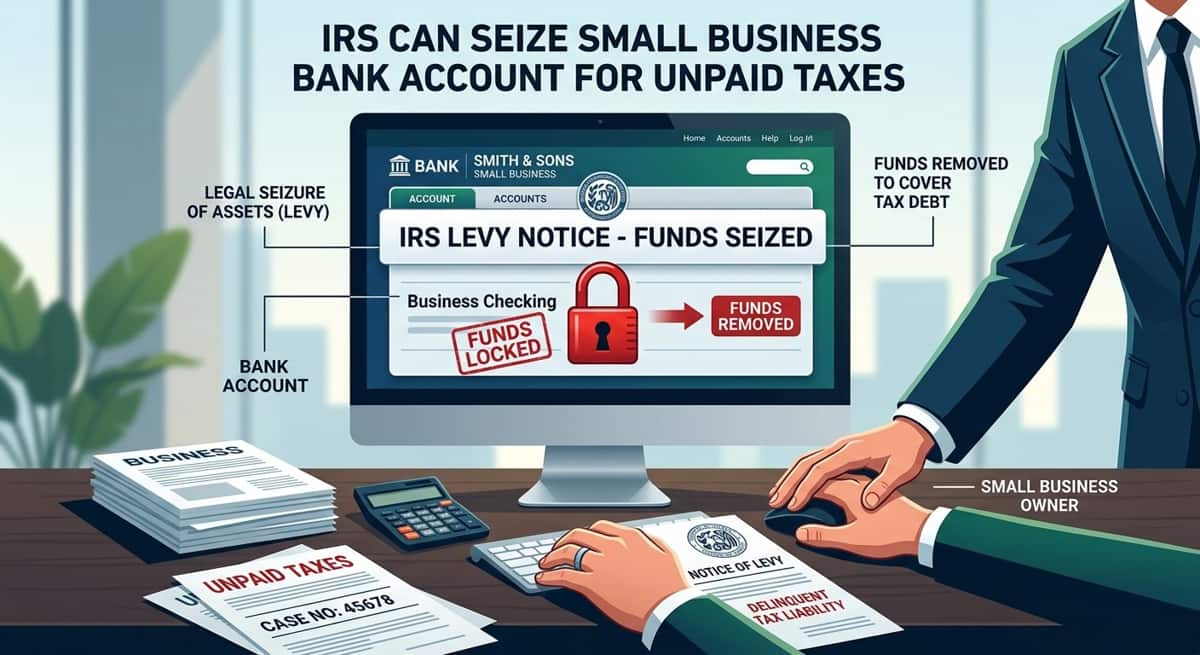
Can the IRS Seize a Small Business Bank Account for Unpaid Taxes?
11 min read
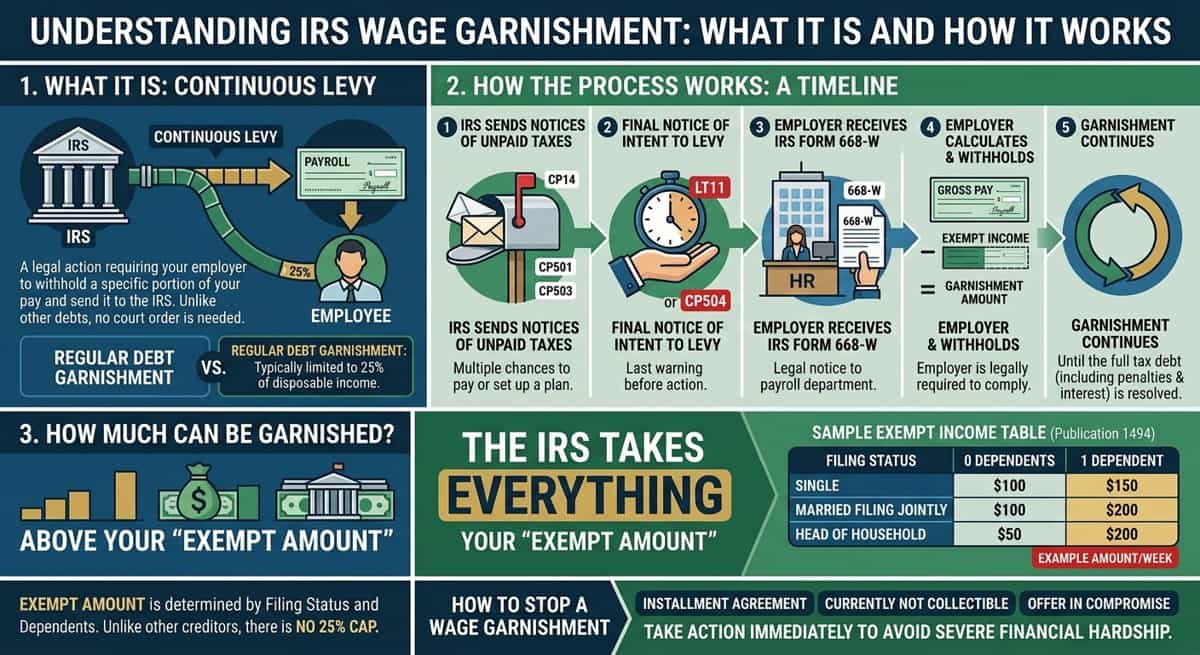
What Is an IRS Wage Garnishment and How Does It Work?
10 min read
Get Your Free Consultation
Speak with a certified debt consultant to explore your options.
Start NowNo obligation • Free consultation