Does Paying Off Debt Improve Your Credit Score?
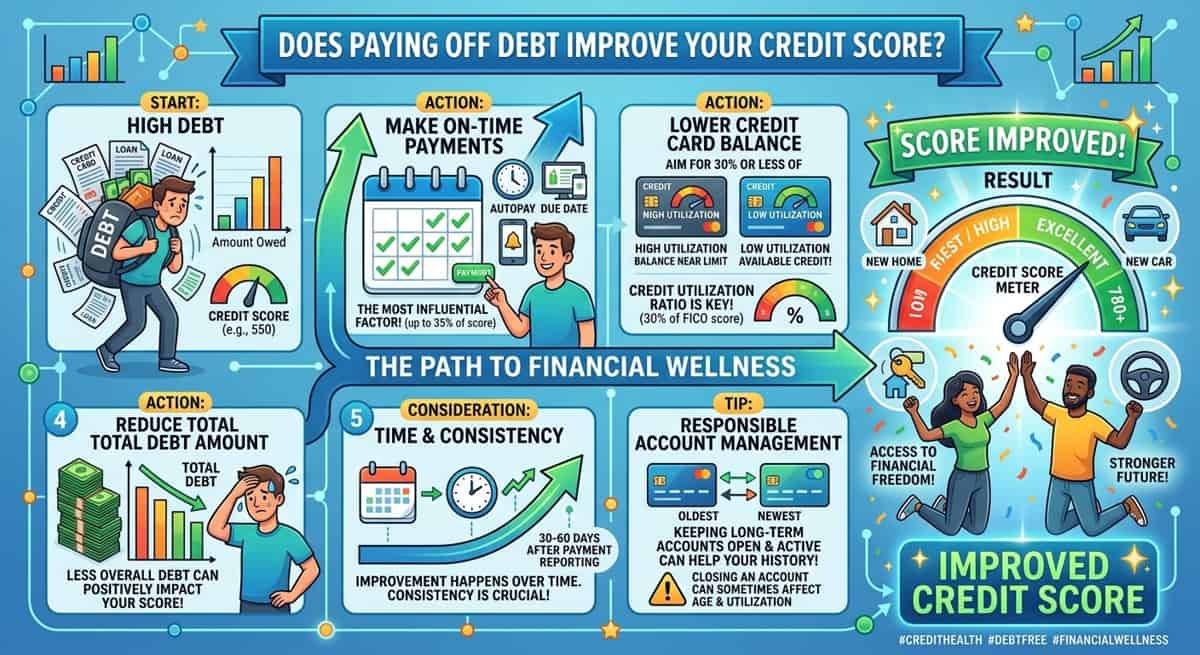
Paying off debt is a great way to get your finances back on track, but will it actually improve your credit score? Well, it depends on the kind of debt you have, your payment history, and how much of your available credit you're using. Paying down credit card balances can lower your credit utilization, which may help raise your score. Making regular loan payments also shows lenders that you can handle debt responsibly.
But don't expect your score to jump right away. Sometimes, closing a credit card after paying it off or finishing an installment loan can even cause a temporary dip in your score. That's why it's important to understand how paying off debt affects your credit before making financial decisions. In this guide, we'll look at how clearing different types of debt can affect your credit score and what you can do to build a stronger credit profile over time.
How Paying Off Debt Affects Your Credit Score
Your credit score is built from several parts. Two of them matter most when you are paying off debt:
Payment history (about 35% of a FICO score): Do you pay on time?
Amounts owed (about 30%): How much do you owe compared to your limits?
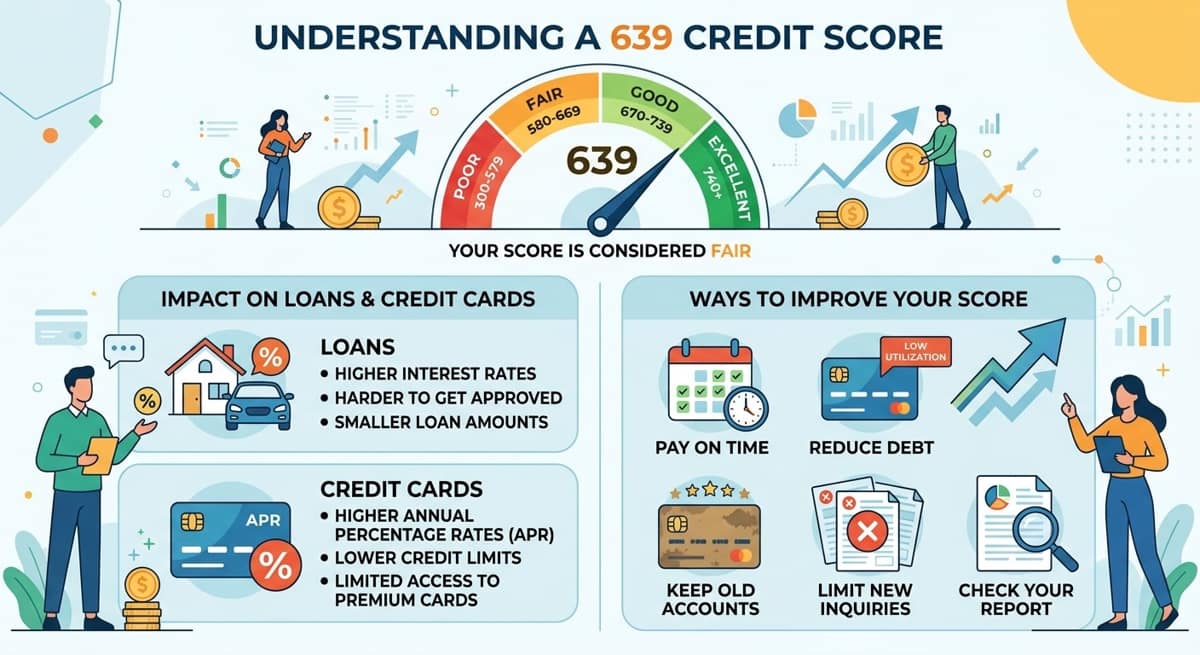
That second part is called credit utilization. It is simply the share of your credit limit that you are using. If your card has a $5,000 limit and you owe $4,000, you are using 80%. Pay it down to $1,000 and you are at 20%. Lenders see the lower number as safer, and your score usually goes up—which is especially helpful if you are trying to improve a fair credit score. Many experts suggest staying under 30%, and lower is often better.
Here is the part many people miss: paying off debt does not erase past late payments. Those can stay on your report for up to seven years. The good news is that they matter less as time passes, and every on-time payment you make from now on helps.
Two main scoring models are used in the U.S., FICO and Vantage Score, and each of the three credit bureaus (Experian, Equifax and TransUnion) keeps its own report on you. That is why your score can look a little different depending on where you check. For a deeper look, see my FICO and the Consumer Financial Protection Bureau.
Paying Off Credit Cards vs. Installment Loans: What Changes?
Not all debt affects your score the same way. Credit cards are "revolving" debt, so your balance goes up and down. Car loans, student loans and personal loans are "installment" debt, with fixed payments until the loan ends.
Type of debt | Typical effect on your score | When you may see it | Good to know |
Credit card | Often goes up | Usually within 1–2 billing cycles | Lower utilization is the main reason |
Auto loan | Small dip possible, then recovers | A few months | The account closes, so you have fewer active accounts |
Student loan | Mixed | A few months | Your on-time history stays on your report |
Personal loan | Mixed | Varies | If you used it to pay off cards, your utilization may already be lower |
Mortgage | Small change | Varies | A long, steady payment record is already working for you |
Credit cards usually give the fastest and biggest lift. With installment loans, a small dip can happen because the account closes and your mix of credit changes. A closed account in good standing can stay on your report for up to 10 years, so its positive history does not disappear overnight.
One simple rule: after you pay off a card, don't close it. Closing it can raise your utilization on your other cards and shorten your credit history, and both can pull your score down. Keep it open and use it for one small purchase every few months.
What Happens When You Pay Off Collections, Charge-Offs, or Settled Debts?
This is where things get less simple, so it helps to know what to expect.
Collections: A collection account appears when a lender sells or hands your unpaid debt to a collection agency. Paying it is the right thing to do and can stop calls and legal trouble. But whether your score improves depends on the scoring model. Some newer models ignore paid collections. Older versions can still count them. Rules on medical debt have also changed in recent years, so check the CFPB's current guidance if your collection is medical.
Charge-offs: This is when a lender gives up on collecting and writes the debt off as a loss. You still owe it. Even after you pay, a charge-off can stay on your report for up to seven years.
Settled vs. paid in full: Paid in full means you paid everything you owed. "Settled" means you negotiated with your credit card lender to accept less than the full amount. Both are better than leaving the debt unpaid, but "paid in full" looks stronger to future lenders.
If you plan to buy a home, keep in mind that mortgage lenders may use different scoring versions than the free score you see in your banking app. Ask your lender which one they use.
Why Your Credit Score Might Drop After Paying Off Debt
It can feel unfair. You do the responsible thing and your score drops a few points. A few common reasons:
You have fewer active accounts than before.
Your mix of credit changed, for example you no longer have an installment loan.
You closed your oldest account, which shortened your credit history.
In most cases the dip is small and temporary. Your on-time payment history stays on your report, and your score tends to recover as the months pass and you keep paying other bills on time.
Please don't open new debt just to "fix" the dip. Applying for new loans or cards adds hard inquiries and new balances, which can set you back further or even lead to a debt consolidation loan denial.
How Long Does It Take to See Your Score Improve?
Most lenders report to the credit bureaus about once a month. That means changes usually show up within one to two billing cycles. A realistic timeline looks like this:
About 30 days: Your new balance is reported and your utilization updates.
About 3 months: Your score settles, and any small dip often starts to recover.
6 to 12 months: Steady on-time payments and low balances build real, lasting progress.
You can check your reports for free at AnnualCreditReport.com, the official site. Look for accounts that are still showing a balance after you paid, because mistakes happen.
5 Steps to Pay Off Debt Without Hurting Your Credit
Check your credit reports. Pull all three reports and look for errors, old accounts you don't recognize, or balances that don't match.
Pay on time first. Before you pay extra on anything, make sure every minimum payment is on time. This protects the biggest part of your score.
Pay down the cards with the highest utilization. Aim to bring each card well below 30% of its limit.
Keep your old accounts open. Use them lightly and pay them off each month.
Avoid new credit during payoff. Each new application creates a hard inquiry, and you want to give your score room to grow.
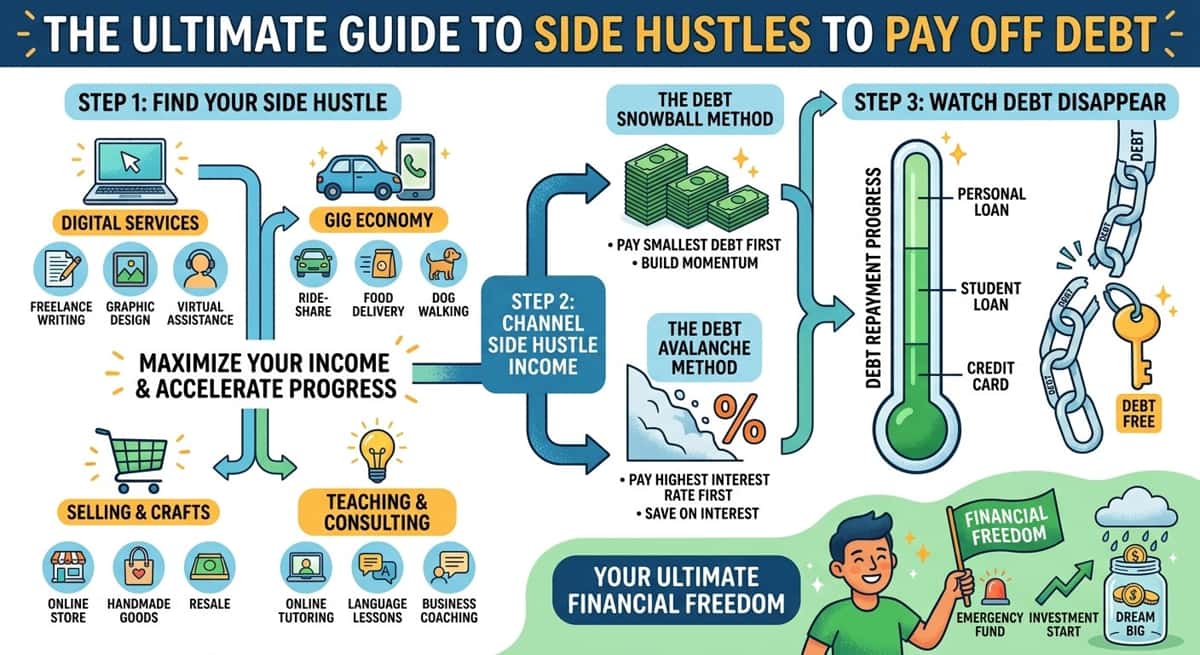
If you are choosing between the two popular payoff methods, here is the short version. The avalanche method targets the highest interest rate first and saves the most money. The snowball method targets the smallest balance first and gives you quick wins that keep you motivated. Either works. The best one is the one you will stick with—and if your budget is tight, pairing your strategy with a side hustle to pay off debt faster can help you build momentum. .
When Should You Consider Professional Debt Relief?
It may be time to get help if:
You can only make minimum payments.
You use one card to pay another.
You are getting calls from collectors.
Debt is keeping you up at night.
There is no shame in asking for help. Many families feel they have to handle money problems quietly, but exploring your debt relief options early often saves a lot of stress and money
A good first step is a nonprofit credit counseling agency, such as those affiliated with the National Foundation for Credit Counseling (NFCC). They can review your budget and may set up a debt management plan, where you make one monthly payment and they work with your creditors.
Be careful with any company that:
Asks for large fees before doing any work.
Guarantees results.
Tells you to stop paying your creditors.
If you'd like a clear picture of your options, book a free consultation with our team or explore our Debt Relief Program to see how we can help.
The Bottom Line
Paying off debt can help your credit score, but how much it improves depends on your credit history and how you manage your accounts. Paying down credit card balances can lower your credit utilization, and paying your bills on time helps build a good payment history. But don't stress if your score doesn't go up right away. Credit scores depend on several factors, and it can take time to see changes. Before closing a paid-off credit card or making big credit decisions, think about how they might affect your available credit and account history.
Most importantly, keep paying your bills on time, try to maintain low credit card balances, and avoid taking on debt you don't need. If you're having trouble keeping up with multiple payments, a debt relief program or credit counseling may help you figure out your options. At the end of the day, paying off debt isn't just about boosting your credit score. It's also about building better money habits and gaining more control over your finances.
Ready to Get Started?
Get a free consultation with a certified debt consultant to see if debt settlement is right for you.
Get Free ConsultationAbout the Author
Bhupinder Bajwa
.
Get Your Free Consultation
Speak with a certified debt consultant to explore your options.
Start NowNo obligation • Free consultation