
How to Raise Your Credit Score
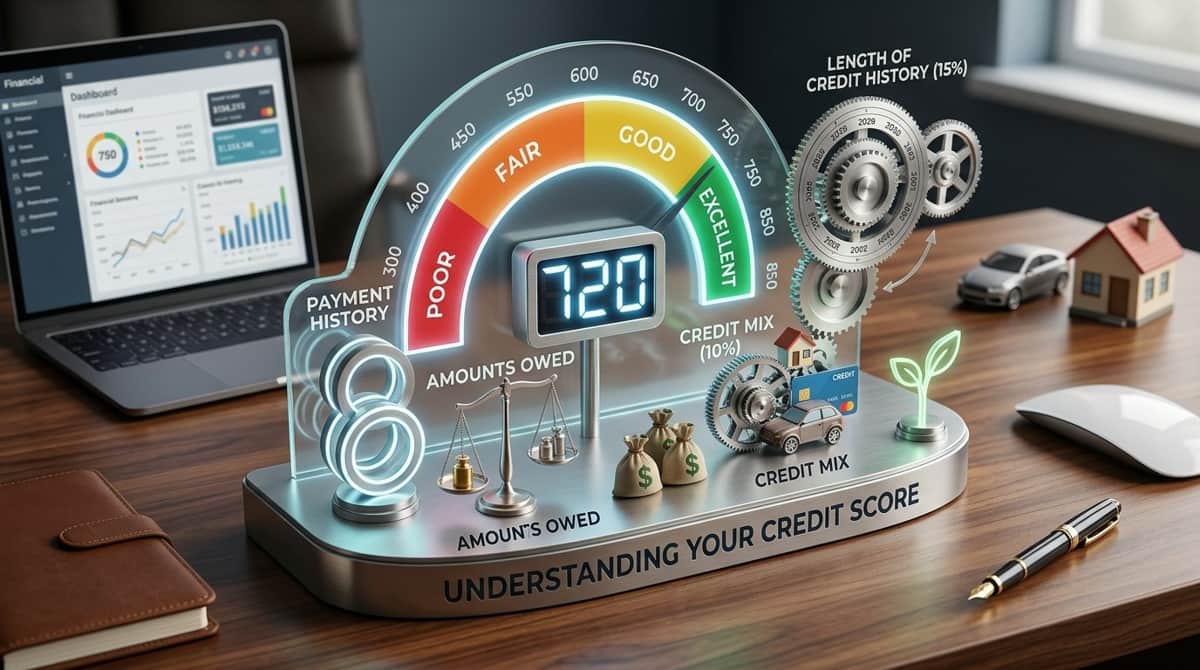
The fastest way to raise your credit score is to pay every bill on time, use less of your available credit, and fix any mistakes on your credit reports. Most other tips matter far less.
If your score is lower than you'd like, you're not alone. A credit score is a snapshot of how you've handled credit so far, and the habits that move it are ones you can change. No one can promise a specific number or a deadline, but you can put your effort where it counts.
How Is Your Credit Score Calculated?
Your FICO Score comes from five parts of your credit report, and payment history counts the most.
What's measured | Share of your score | What it means |
Payment history | 35% | Whether you pay on time |
Amounts owed | 30% | How much you owe, including how much of your credit limits you're using |
Length of credit history | 15% | How long your accounts have been open |
New credit | 10% | Recent applications and newly opened accounts |
Credit mix | 10% | The kinds of credit you have, such as cards and loans |
Payment history and amounts owed together make up 65% of the score. That's why the first steps below focus on them.
For context, the average US FICO Score is 714, and 48.1% of people score 750 or higher. Understanding how credit score ranges work.
FICO isn't the only scoring model. VantageScore is another one lenders may use, and it weighs things a little differently. The habits in this guide help with either.
How Fast Can You Raise Your Credit Score?
It depends on what's holding your score down, and no one can promise you a number or a date. Results vary from person to person.
Here's a rough guide by starting point:
What's dragging your score down | What you can do | How soon it may show up |
A mistake on your report | Dispute it | The company that supplied the information generally must respond within 30 days |
High credit card balances | Pay them down | Often after your next statement or two, once the lower balance is reported |
Recent late payments | Get current, then pay on time | Gradually, as the late payments age |
Older negative items | Keep your accounts in good standing | Most negative information can be reported for up to seven years, and bankruptcies up to ten |
Small, steady changes add up. A big jump in a few days isn't realistic, so be careful with anyone who promises one.
How to Raise Your Credit Score
You don't need to do all eight at once. Start at the top, since the first three have the biggest effect, and add the others as you go. Each step explains what to do and why it helps.
Step 1: Check your credit reports and dispute mistakes
Start by looking at what's actually on your reports. Errors happen, and fixing one can help your score without changing anything else you do.
You can get your free reports from Equifax, Experian and TransUnion at AnnualCreditReport.com. Look for accounts you don't recognize, wrong balances, and payments marked late when you paid on time.
If you find a mistake, dispute it in writing with the credit bureau and with the company that supplied the information.
Your name, address and phone number
Each error, with the account number
Why you believe it's wrong and what you want fixed
Copies (not originals) of documents that back you up
Send it by certified mail so you have proof it arrived. The company that supplied the information generally must respond within 30 days.
Step 2: Pay every bill on time
Payment history is the biggest piece of your score, at 35%. One missed payment can hurt, so protect this above all.
Set up autopay for at least the minimum on every account. You can still pay more by hand.
Add calendar reminders a few days before each due date.
If you're behind, get current first.
If you can't pay everything this month, pay at least the minimum on each account and talk to your lenders early. Some lenders offer help, and it's easier to ask before you fall behind.
Step 3: Use less of your available credit
Amounts owed make up 30% of your score, and a big part of that is how much of your credit limits you're using. This is called credit utilization. Using a high share of your available credit can hurt your score, and using a low share can help.
Here's an example. Say you have one card with a $5,000 limit and a $2,500 balance. You're using 50% of your limit. Pay the balance down to $1,000 and you're using 20%. These numbers are only an illustration.
Two ways to bring it down:
Pay more than the minimum, starting with the card closest to its limit.
Make a payment before your statement closes. Card issuers usually report your balance from around that date.
Paying down balances also saves you interest, so it helps your wallet even before it helps your score.
Step 4: Keep your older accounts open
Length of credit history is 15% of your score, so older accounts help. An old card you rarely use still adds to your average account age.
Closing a card can also shrink your total credit limit, which can push your utilization up. Closing can still make sense if the card has a fee you can't justify, or if having it leads you to overspend.
Step 5: Apply for new credit only when you need it
When you apply for credit, the lender usually checks your report. FICO counts recent applications and new accounts in your score (10%), and new accounts also lower the average age of your accounts.
Inquiries from the last 12 months count toward your FICO Score, though they stay on your report for two years. Before you apply, ask yourself whether you really need the account.
Step 6: Add positive payment history
If you have a thin or damaged credit file, building a record of on-time payments can help. Three common ways:
Secured credit card. You put down a deposit, which usually becomes your limit. Use it lightly and pay it off.
Credit-builder loan. You make payments on a small loan, and the lender reports them to the credit bureaus.
Rent or utility reporting. Some services will report these payments. Not every score counts them, so don't expect a big change.
Before you sign up for anything, check three things: does it report to all three bureaus, what are the fees and interest, and can you afford the payment every month. A missed payment on any of these can hurt you.
Step 7: Be careful with authorized-user status
Being added as an authorized user on someone else's card can add that account's history to your report. But it works both ways. If the main cardholder runs up the balance or pays late, it may hurt you too. Only do this with someone you trust who handles credit well.
Step 8: Handle collections and medical bills carefully
If a debt has gone to collections, make sure it's yours and the amount is right before you pay. Ask the collector to confirm the debt in writing, and keep copies of every letter and payment.
Paying for a collection doesn't always raise your score. It depends on the scoring model the lender uses, and because negative information can generally stay on your report for up to seven years, it helps to know how to remove past debt from your credit report.
.
Medical bills deserve extra care. The rules on how they appear on credit reports have changed in recent years, so check the CFPB's guidance. Ask for an itemized bill, look for errors, and ask the provider about financial help before the bill goes to collections.
What Hurts Your Credit Score? Common Mistakes and Myths
Plenty of popular credit tips are wrong, or matter much less than people think. These are the ones to drop first.
Myth: You need to carry a balance to build credit. Fact: On-time payments and low balances are what count. A balance you carry only costs you interest.
Myth: Closing old cards cleans up your credit. Fact: It can shorten your account history and push your utilization up.
Myth: Paying a collection wipes it off your report. Fact: Negative information can generally stay for up to seven years.
Myth: A credit repair company can erase bad marks. Fact: Paid credit repair services can't legally remove accurate negative information. You can dispute errors yourself for free.
Mistake: Never looking at your reports. Errors go unnoticed and keep costing you until someone catches them.
Which Steps Should You Do First?
Start with the step that fits your situation. A simple rule: stop new damage, fix what's wrong, then build.
Your situation | Do this first | Then |
Little or no credit history | Step 6: add positive payment history | Step 2 (autopay) and Step 4 (keep accounts open) |
High credit card balances | Step 3: pay balances down | Step 2, then Step 5 (hold off on new applications) |
Past late payments or collections | Step 2: get current and stay current | Step 1 (check that the entries are accurate), then Step 8 |
Two steps apply to almost everyone, whatever your starting point.
Check your reports (Step 1). You can't fix what you haven't seen, and an error can cost you for years.
Pay on time (Step 2). Payment history is 35% of your score, so every on-time payment protects it.
The rest depends on your starting point. If you're not sure where you fit, begin with those two. They cost nothing and rarely backfire.
What If Raising Your Score Alone Isn't Enough?
If the debt itself is the problem, you have four main options. Each one has trade-offs for your credit.
Pay it off yourself. This works well if you can afford the payments. List your debts and put any extra money toward the one with the highest interest rate, or explore debt consolidation options,
Nonprofit credit counseling. A counselor looks at your budget and may suggest a debt management plan. Compare fees and contract terms before you sign.
Debt settlement program. A company asks your creditors to accept less than you owe. There's no guarantee they'll agree, it can take a long time, and it can hurt your credit. Forgiven debt can also be taxable income.
Bankruptcy solutions. It can give you a fresh start, but it can stay on your report for up to ten years, per the CFPB. Talk to a bankruptcy attorney first.
How do you avoid credit repair scams?
Under the Credit Repair Organizations Act, credit repair companies can't charge you before they've done the work they promised, and they must give you a written contract that includes a three-day right to cancel. No company can legally remove accurate negative information from your report. Walk away from anyone who guarantees a score.
If you'd like to talk through your options, you can contact Ooraa. If overwhelming debt is holding your score back and you'd like to compare your debt relief options
Key Takeaways and Next Steps
Raising your credit score comes down to a few habits you can start today.
Check your reports and dispute any errors.
Pay every bill on time.
Use less of your available credit.
Then add the other steps as they fit your situation. Progress can be slow at first, but small changes add up. If debt is making that hard, you have options, and it's fine to ask for help.
Frequently Asked Questions
How long does it take to raise a credit score?
It depends on what's pulling your score down. A company that supplied wrong information generally must respond to your dispute within 30 days, but rebuilding after late payments takes longer. No one can promise a date.
Does checking my own credit hurt my score?
Checking your own reports isn't the same as applying for credit, and the inquiries FICO counts come from applications. You can get your reports free every week at AnnualCreditReport.com.
Is a 700 credit score good?
A 700 is close to the US average FICO Score of 714, and 48.1% of people score 750 or higher. Lenders set their own cutoffs, so what counts as good depends on what you're applying for.
Does paying off a collection raise my score?
It depends on the scoring model the lender uses. A paid collection can still stay on your report for up to seven years, so make sure it's accurate before you pay.
Should I close a credit card I don't use?
Usually not, unless it has a fee you can't justify. Keeping it open preserves your account history and your total credit limit, which helps keep your utilization low.
Ready to Get Started?
Get a free consultation with a certified debt consultant to see if debt settlement is right for you.
Get Free ConsultationAbout the Author
Bhupinder Bajwa
.
Related Articles

Credit Score Ranges: What They Mean and How They Work
10 min read

How to Remove Old Debt From Your Credit Report
11 min read
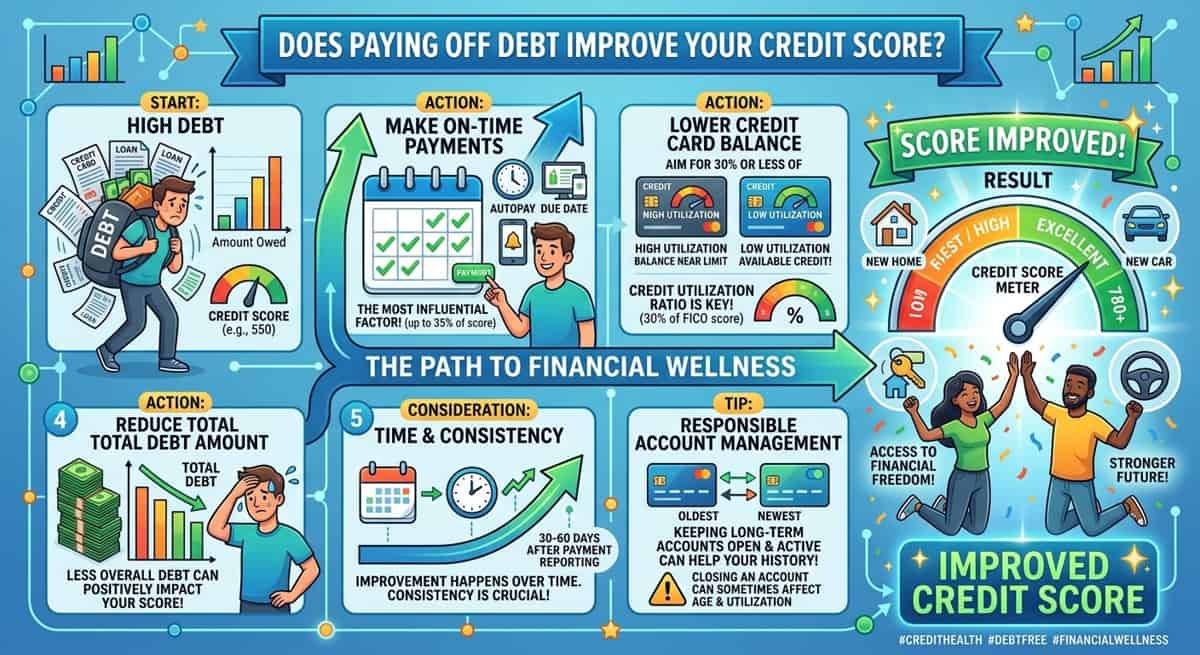
Does Paying Off Debt Improve Your Credit Score?
8 min read
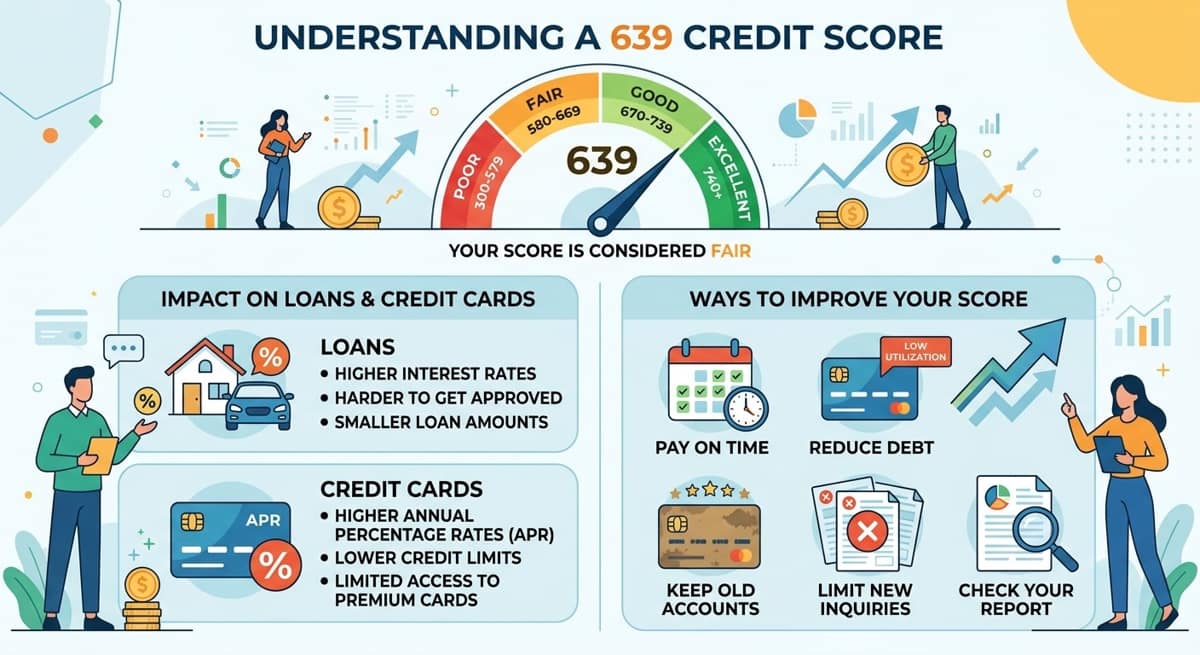
Is 639 A Good Credit Score? How It Affects Loans, Credit Cards And Ways To Improve It
12 min read

Does Debt Affect Your Credit Score?
11 min read
Get Your Free Consultation
Speak with a certified debt consultant to explore your options.
Start NowNo obligation • Free consultation