Credit Card Debt Forgiveness For Disabled: Do You Qualify?

If you're disabled and struggling with credit card bills, here's the short answer: there is no government program that automatically forgives your credit card debt just because you have a disability. Disability benefits like SSDI or SSI are meant to replace lost income, not to erase what you owe on your credit cards. That said, this doesn't mean you're stuck. There are real, practical ways to lower your payments, settle your debt for less, or protect the little income you have.
In this guide, we'll walk through what debt forgiveness actually means, what options are truly available to you, how your immigration status or family situation might affect your choices, and what to watch out for so you don't get taken advantage of. If you or someone in your family is a South Asian immigrant dealing with this exact worry, this guide was written with your situation in mind.
What Does "Debt Forgiveness" Really Mean?
People often use "debt forgiveness" as a catch-all term, but it actually covers a few very different things, and knowing the difference can save you a lot of confusion and disappointment.
Debt forgiveness usually means a lender agrees to cancel all or part of what you owe, often after a long financial hardship. Debt settlement is when you (or a company on your behalf) negotiate with a creditor to pay a lump sum that's less than the full balance, and the rest is written off. Debt discharge happens through bankruptcy, when a court legally cancels certain debts. Hardship deferment is different from all of these: it doesn't erase debt, it just pauses or lowers your payments for a while, often with reduced interest, while you get back on your feet.
None of these are handed out automatically because of a disability diagnosis. Each one requires an application, documentation, and in some cases, a legal process. Knowing which one actually fits your situation is the first step toward real relief.
Is There a Government Program That Forgives Credit Card Debt for Disabled People?
This is the question most people are really searching for, so let's be direct: no, there is no federal program through Social Security, Medicare, or Medicaid that forgives credit card debt because someone is disabled.
Programs like SSDI (Social Security Disability Insurance) and SSI (Supplemental Security Income) exist to give you a monthly income when you can't work due to a disability. They protect your income in an important way most federal benefits, including SSDI and SSI, generally cannot be taken by private creditors like credit card companies. But protecting your income is not the same as canceling your debt. The debt itself still exists unless you deal with it directly through a lender, a nonprofit program, a settlement, or bankruptcy.
The Consumer Financial Protection Bureau (CFPB) and the Social Security Administration (SSA) both confirm this distinction: disability benefits are shielded from most debt collectors, but they don't erase the debt on their own. Understanding this difference matters because it stops you from waiting on a "forgiveness program" that doesn't exist, and instead helps you take action on options that do.
Do You Qualify for Debt Relief as a Disabled Person? Key Factors
"Qualifying" for debt relief doesn't depend on your disability status alone. It depends on a combination of factors that lenders, courts, or nonprofit agencies look at.
Your Income Source (SSDI/SSI vs. Earned Income)
If your only income is SSDI or SSI, this actually works in your favor in some ways. Since these benefits are generally protected from garnishment, creditors have limited power to collect from you, which can make them more willing to settle for less. If you have some earned income alongside benefits, your options may look a little different, since that portion of income isn't always protected the same way.
"Judgment-Proof" Status Explained
If your only income is protected government benefits and you don't own valuable property, you may be considered "judgment-proof." This means that even if a creditor sued you and won, there would be little or nothing they could legally take from you. This status doesn't erase the debt, but it does change how creditors approach negotiating with you, often making them more open to a lower settlement.
Documented Length and Severity of Hardship
Lenders and hardship programs almost always want proof medical records, an SSA disability award letter, or documentation of ongoing treatment. The longer and more clearly documented your hardship, the stronger your case for a reduced payment plan or settlement.
Immigration/Residency Status Considerations
Your visa type, green card status, or citizenship can affect which programs you're eligible for and how comfortable you feel engaging with formal debt processes. We'll cover this in more detail in the next section, since it's especially relevant for South Asian families navigating this system.
Real Relief Options for Disabled Individuals with Credit Card Debt
Once you understand there's no automatic forgiveness, the next question is: what can you actually do? Here are the real paths available.
Credit Card Issuer Hardship Programs
Most major credit card companies have internal hardship programs for people facing financial difficulty, including disability. These can temporarily lower your interest rate, reduce your minimum payment, or pause payments for a few months. You'll usually need to call your card issuer directly, explain your situation, and provide documentation like an SSA award letter or medical proof. This is often the fastest and least damaging option to try first, since it doesn't involve a third party or hurt your credit as much as settlement or bankruptcy.
Nonprofit Credit Counseling and Debt Management Plans (DMPs)
Nonprofit credit counseling agencies, many affiliated with the National Foundation for Credit Counseling (NFCC), can help you set up a Debt Management Plan. Under a DMP, the agency negotiates lower interest rates with your creditors, and you make one combined monthly payment instead of juggling several. This is a well-regulated, low-risk option, and many agencies offer reduced fees or waivers for people on a fixed disability income.
Debt Settlement - Risks and Realistic Outcomes
Debt settlement means negotiating to pay less than what you owe, often as a lump sum. It can genuinely reduce your balance, but it comes with real trade-offs: your credit score will likely drop, creditors may continue collection efforts while you save up the settlement amount, and any forgiven amount over $600 may be considered taxable income (more on this below). Settlement can work well for people who are judgment-proof, but it should be approached carefully and, ideally, with guidance from a nonprofit counselor rather than a for-profit settlement company that charges high fees.
Bankruptcy and Disability-Related Exemptions
For some people, bankruptcy is the most realistic way to legally discharge credit card debt. Chapter 7 bankruptcy can wipe out most unsecured debt, including credit cards, in a matter of months. If your only income is SSDI or SSI, bankruptcy law generally treats that income as exempt, meaning it won't be used to pay creditors during the process. Many disabled individuals with low, fixed incomes qualify for a fee waiver when filing. It's worth talking to a bankruptcy attorney (many offer free consultations) to see if this route makes sense for you.
Special Considerations for South Asian Immigrants and Families in the US
Debt doesn't exist in a vacuum, especially in South Asian households, where financial decisions are often tied closely to family expectations, immigration status, and community trust.
Family and Remittance Financial Pressure
Many South Asian families in the US send money home regularly to support parents, siblings, or extended family. If you're disabled and living on a fixed income, this pressure to keep sending remittances can make credit card debt worse, since people sometimes use credit to cover the gap. It's okay, and often necessary, to be honest with family about a temporary pause in sending money while you stabilize your own finances.
Visa/Green Card Status and Access to Relief Options
Your immigration status generally does not prevent you from using credit counseling, hardship programs, or even bankruptcy these are based on financial and residency factors, not citizenship. However, if you're on a dependent visa or your status is tied to a spouse's employment, it's worth understanding how a bankruptcy filing or major credit change could indirectly affect other financial applications, like future loans or sponsorships. A consultation with both a debt counselor and, if needed, an immigration attorney can help you see the full picture.
Cultural Stigma Around Disclosing Debt or Disability
In many South Asian communities, both debt and disability can carry stigma, and families sometimes avoid talking about either out of fear of judgment or "what will people say." This silence can delay getting help. Please know that struggling financially after a disability is common and nothing to be ashamed of the sooner you reach out to a counselor or program, the more options you'll have.
Community Lending Circles (Kameti/Committee) vs. Formal Debt Relief
Informal lending circles, often called kameti, committee, or chit funds, are common in South Asian communities and can be a helpful way to save or borrow among trusted friends and family. But they don't offer the legal protections that formal debt relief programs do there's no built-in dispute process, no credit reporting, and no regulation if something goes wrong. If you're already struggling with credit card debt, taking on additional obligations through an informal circle can sometimes make your situation harder to manage, so it's worth weighing this carefully alongside formal options.
Is Forgiven or Settled Debt Taxable?
Here's something many people don't expect: if a creditor forgives or settles debt for less than you owed, and the forgiven amount is $600 or more, they're required to send you a Form 1099-C, and the IRS generally treats that amount as taxable income. This can come as an unpleasant surprise right after you thought your debt problem was solved.
There is an important exception, though. If you were "insolvent" at the time the debt was forgiven meaning your total debts were greater than the value of everything you own you may be able to exclude some or all of that forgiven amount from your taxable income using IRS Form 982. This is a common situation for people relying solely on disability income with few assets, so it's worth discussing with a tax professional before filing.
How These Options Affect Your Credit Score
Each path affects your credit differently. Hardship programs through your card issuer usually have the smallest impact, since you're still making payments, just on adjusted terms. Debt management plans can cause a small dip initially but tend to help your score recover over time as you pay down balances consistently. Debt settlement usually causes a more noticeable drop, since accounts are marked as "settled for less than owed." Bankruptcy has the biggest short-term impact on your credit report, but for many people already struggling with unmanageable debt, it offers the fastest path to a clean financial start.
Step-by-Step: How to Check If You Actually Qualify
List your income sources. Note whether you receive SSDI, SSI, a pension, or any earned income, and how much comes from each.
List your assets. Include savings, property, or vehicles of value this helps determine if you're judgment-proof or insolvent.
Gather your documentation. This includes your SSA award letter, medical records, and any letters from doctors describing your condition and its impact on your ability to work.
Add up your total credit card debt across all cards, including interest rates and minimum payments.
Call your card issuers and ask specifically about hardship programs for people with disabilities.
Contact a nonprofit credit counseling agency (like one affiliated with the NFCC) for a free or low-cost consultation.
Ask about a debt management plan, settlement, or bankruptcy based on what the counselor recommends for your specific numbers.
Get everything in writing before agreeing to any program, so you know exactly what's being promised.
Debt Relief Scams Targeting Disabled and Immigrant Communities
Sadly, people who are disabled or new to the US financial system are common targets for scams. The Federal Trade Commission (FTC) and CFPB warn about a few repeated patterns: companies that guarantee they can "erase" your debt or get it "forgiven" with no real explanation of how; requests for large upfront fees before any work is done, which is illegal for most debt settlement companies under federal law; pressure to stop talking to your original creditors right away; and requests for your Social Security number or bank login information over the phone by someone who contacted you first.
If a company promises quick, guaranteed forgiveness, or specifically targets you because you're on disability or because of your immigration background, treat that as a red flag. Legitimate nonprofit credit counselors will never pressure you and will always explain your options clearly, in plain language.
Final Thoughts
Living with a disability while managing credit card debt is genuinely hard, and it's okay to ask for help. There's no magic forgiveness button, but there are real, proven paths, hardship programs, nonprofit counseling, settlement, and bankruptcy that can bring your debt down to something manageable. If you're part of a South Asian family navigating this alongside cultural or immigration concerns, know that these worries are valid, and a good credit counselor can help you weigh all of it together. The most important step is simply reaching out and asking your specific questions to someone qualified to answer them.
Ready to Get Started?
Get a free consultation with a certified debt consultant to see if debt settlement is right for you.
Get Free ConsultationAbout the Author
Bhupinder Bajwa
.
Related Articles
The Ultimate Guide To Side Hustles To Pay Off Debt
12 min read
10 Reasons Why You Should Pay Off Debt
9 min read
7 Ways To Get Out Of Business Debt
11 min read
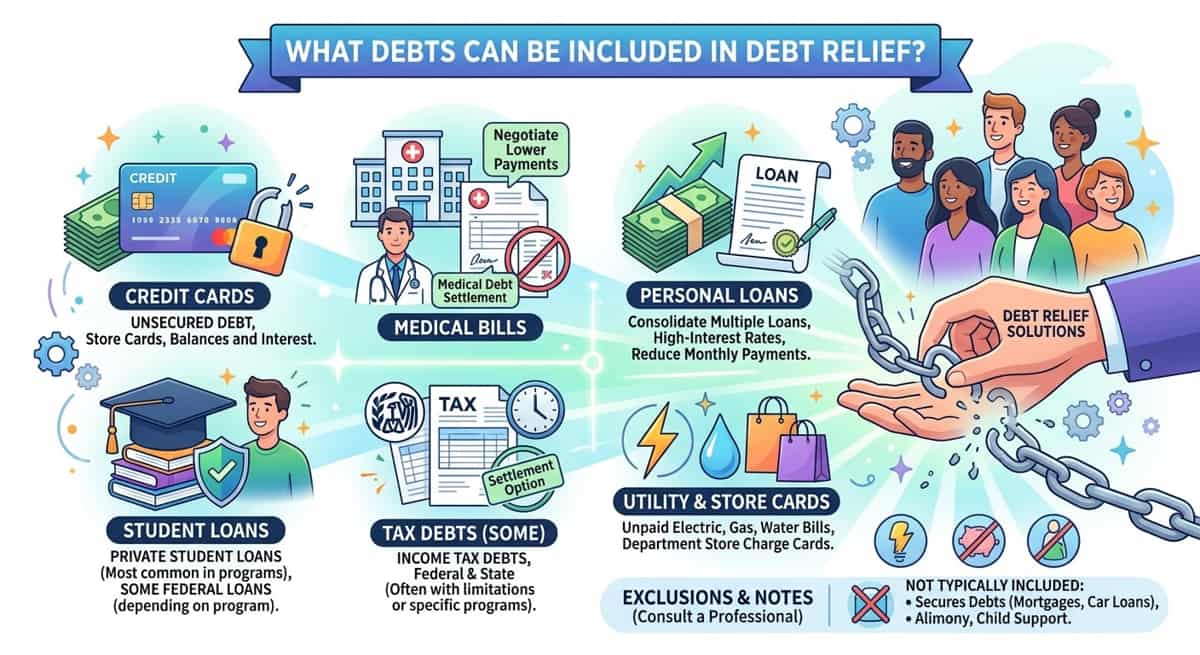
What Debts Can Be Included in Debt Relief?
13 min read

Debt Settlement for $20,000 in Credit Card Debt: What to Expect
11 min read
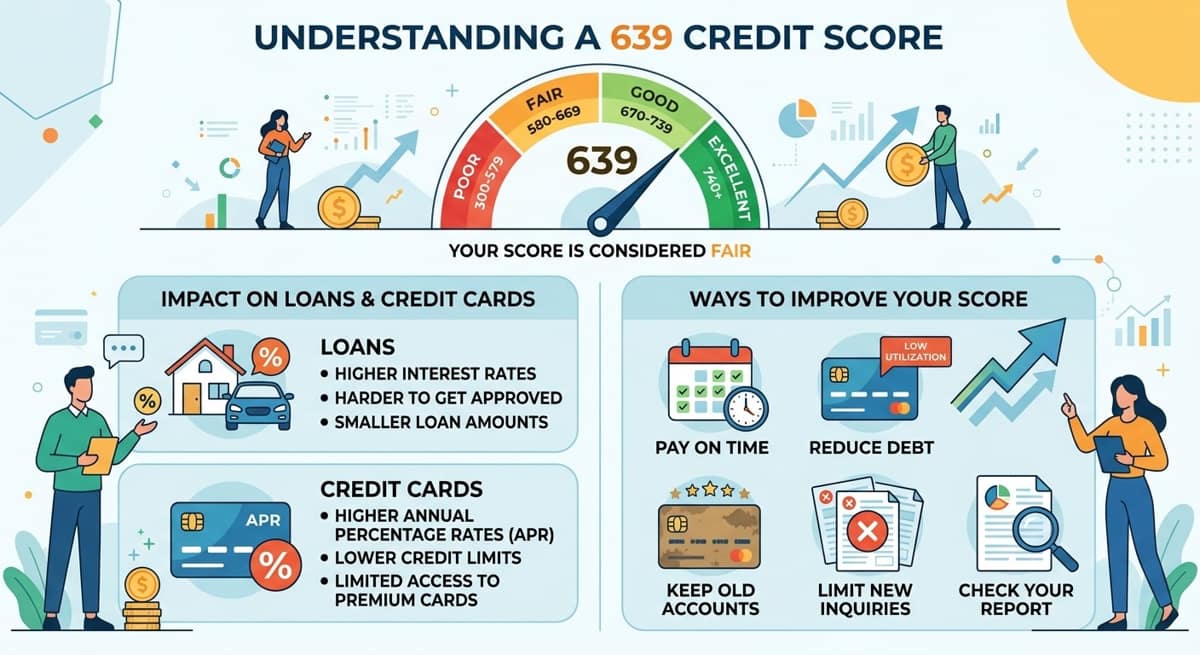
Is 639 A Good Credit Score? How It Affects Loans, Credit Cards And Ways To Improve It
12 min read
Get Your Free Consultation
Speak with a certified debt consultant to explore your options.
Start NowNo obligation • Free consultation
Related Posts
- The Ultimate Guide To Side Hustles To Pay Off Debt
12 min read
- 10 Reasons Why You Should Pay Off Debt
9 min read
- 7 Ways To Get Out Of Business Debt
11 min read
- What Debts Can Be Included in Debt Relief?
13 min read