Negotiating Debt Settlements For Your Business Debt
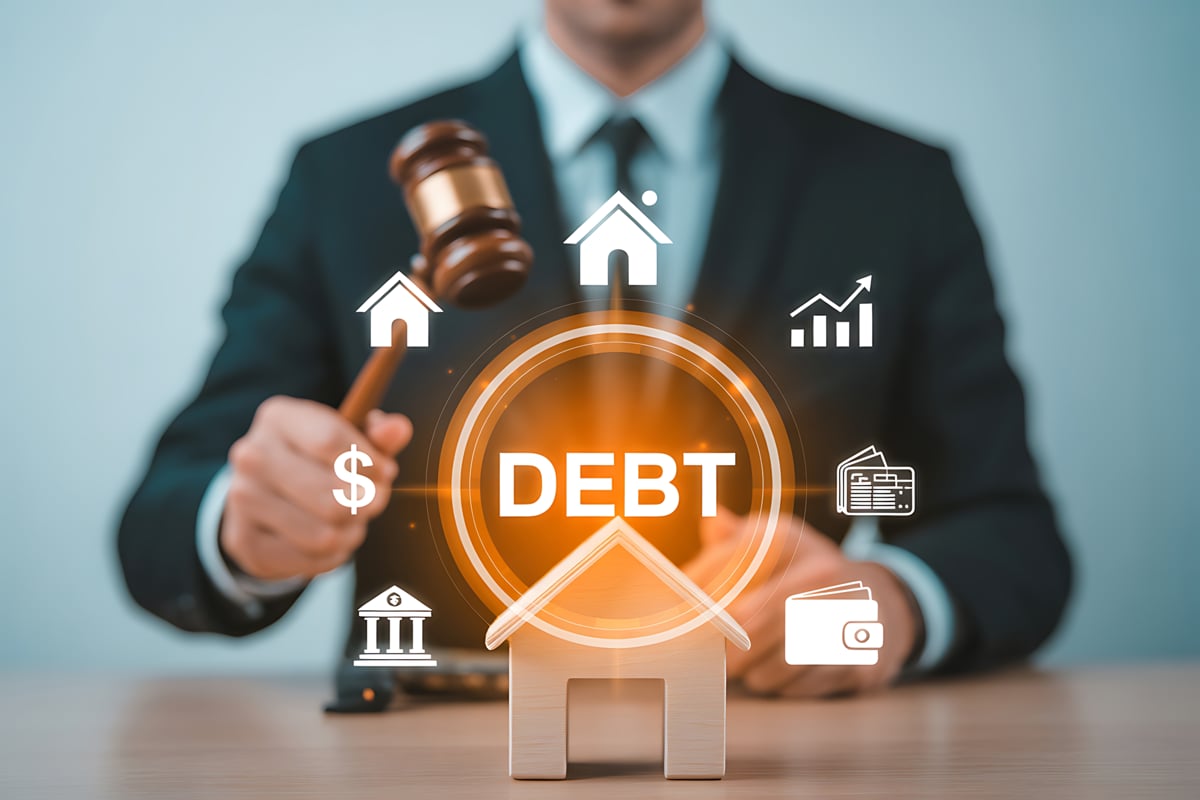
Business debt settlement is when you negotiate directly with your creditors to pay less than the full amount you owe usually as a one-time lump-sum payment in exchange for the creditor considering the debt resolved.
It's not the same as bankruptcy, where a court gets involved and your assets may be liquidated. It's also different from debt consolidation, where you roll multiple debts into one new loan. Settlement is simpler and more direct: you owe $50,000, you negotiate, and the creditor agrees to accept $25,000 as full payment. The remaining balance is forgiven.
Creditors agree to this because a partial payment today is often better than chasing an uncollectible debt for years.
Business Debt Settlement vs. Bankruptcy Key Differences
Settlement - You negotiate a reduced payoff directly with creditors. No court involvement. Business can continue operating.
Chapter 7 Bankruptcy - Business assets are liquidated to pay creditors. Business typically closes.
Chapter 11 Bankruptcy - Court-supervised reorganization. Business keeps operating but under strict oversight. Far more expensive and complex.
Who Qualifies for Business Debt Settlement in the USA?
Not every business owner qualifies, and timing matters. Creditors are most willing to negotiate when they believe they might not collect at all. Signs that you're likely eligible:
Your accounts are already delinquent or in collections
Your business is experiencing a genuine cash flow crisis
You have more debt than your business can realistically repay
You're a sole proprietor, LLC owner, or small corporation with unsecured business debt
Many South Asian–owned businesses in the U.S. restaurants, retail shops, convenience stores, IT service firms operate as sole proprietorships or single-member LLCs. This matters because the line between personal and business finances is often blurred in these structures. If you personally guaranteed your business loans (which most small business owners do), settlement negotiations can affect you personally, not just the business.
Can You Settle SBA Loans?
Yes, but it's more complex. The Small Business Administration has its own offer-in-compromise process for borrowers who cannot repay SBA loans in full. You'll need to demonstrate genuine financial hardship and submit detailed financial documentation. Start at sba.gov for official guidance, and strongly consider working with a business attorney for this type of negotiation.
What Types of Business Debt Can Be Negotiated?
Most unsecured and some secured business debts are negotiable, including:
Business credit card debt
Merchant cash advances
Business lines of credit
Vendor and supplier balances
Equipment loans (in some cases)
How to Negotiate Business Debt Settlements - Step by Step
This is where the real work happens. The process isn't complicated, but it does require preparation, patience, and a clear head.
Step 1 - Audit Your Business Debt Situation
Before approaching any creditor, you need a complete picture of where you stand. Pull together every debt your business carries: the creditor's name, current balance, interest rate, monthly payment, and whether the account is current, delinquent, or already in collections.
This isn't just bookkeeping, it's your negotiating foundation. You can't make a credible settlement offer if you don't know the full scope of what you owe.
Step 2 - Understand What Creditors Will Actually Accept
Industry norms suggest creditors typically settle for somewhere between 40 and 60 cents on the dollar but that range depends on several factors:
How old the debt is. Older, delinquent accounts give you more leverage.
Whether the debt has been sold. If your debt was sold to a third-party collection agency, they bought it at a steep discount and often have more flexibility to negotiate.
Your documented financial hardship. Creditors want evidence you genuinely can't pay in full, not just that you'd prefer to pay less.
Step 3 - Prepare Your Settlement Offer
Start by calculating what you can realistically pay as a lump sum not what you wish you could offer, but what you actually have access to. A credible offer is one you can fulfill immediately upon agreement.
When drafting your hardship explanation, be honest and specific. For many South Asian business owners, the disruptions of the post-COVID period supply chain breakdowns, reduced foot traffic, shifting consumer habits created real, documentable financial strain. If that's your story, tell it plainly. Creditors respond to concrete facts, not vague appeals.
Step 4 Open Negotiation With Creditors
When you make contact, be calm, factual, and brief. You're not begging, you're presenting a business proposal.
A few things to keep in mind:
Don't admit in writing that you cannot pay until you have a draft agreement in front of you. Verbal conversations are fine, but written admissions before terms are set can weaken your position.
Know who you're talking to. Negotiating with the original creditor is different from negotiating with a debt collector. Original creditors often have settlement departments. Collectors bought your debt cheap and have more room to negotiate but they're also more aggressive.
Stay focused on numbers. Say something like: "Based on my current financial situation, I'm able to offer $X as a full and final settlement of this account. I'd like to resolve this today if we can agree on terms."
Step 5 - Get the Agreement in Writing
This step is non-negotiable. Before you pay a single dollar, you must have a written settlement agreement that clearly states:
The account number and original balance
The agreed settlement amount
That payment of this amount constitutes full and final satisfaction of the debt
That the creditor will report the account as "settled" to credit bureaus
The payment deadline
Never pay first and assume the paperwork will follow. It won't or it might not say what you were promised.
Step 6 - Understand the Tax Implications
Here's something many business owners don't expect: forgiven debt can be taxable income.
When a creditor forgives part of what you owe, they're typically required to file IRS Form 1099-C, a "cancellation of debt" form and send you a copy. The IRS considers forgiven debt as taxable income unless a specific exclusion applies, such as insolvency.
This is an area where you need to talk to a CPA before finalizing any settlement. The tax bill on forgiven debt can be significant, and you want to plan for it not be blindsided by it at tax time.
DIY Debt Negotiation vs. Hiring a Debt Settlement Company
You can negotiate business debt yourself. Many business owners do it successfully, especially when they're dealing directly with original creditors and have organized records. But there are situations where professional help is worth the cost.
DIY Negotiation | Debt Settlement Company | |
Cost | No fees | Typically 15–25% of enrolled debt |
Timeline | Varies; depends on your availability | 2–4 years on average |
Success rate | High if well-prepared | Varies widely by company |
Credit impact | Negative, but you control the process | Same negative impact |
Best for | Organized owners with limited debts | Multiple creditors, large balances |
What to Look for in a Debt Settlement Company
If you decide to hire a firm, look for:
AFCC or IAPDA accreditation the two main industry bodies that require ethical standards
No upfront fees under FTC rules, legitimate companies can only charge after they've actually settled a debt
Clear, written fee disclosures before you sign anything
Realistic expectations any company promising to "erase" your debt fast is a red flag
This matters especially for South Asian immigrant business owners who may be targeted by predatory services. Some firms specifically market to communities where English is a second language or where there's limited familiarity with U.S. financial regulations. Don't let urgency push you into signing with someone you haven't thoroughly vetted.
Questions to Ask Before Signing Anything
Are you accredited by the AFCC or IAPDA?
What is your exact fee structure, and when do you collect fees?
How many of your clients successfully settle all enrolled debts?
How will you communicate with me throughout the process?
What happens if a creditor sues me while my accounts are in your program?
How Business Debt Settlement Affects Your Business Credit
Settlement does damage your business credit; there's no way around that. When you stop making payments to build leverage for negotiation (a common strategy), your accounts go delinquent. That delinquency gets reported to the major business credit bureaus: Dun & Bradstreet, Experian Business, and Equifax Business.
Once settled, the account is typically marked "settled for less than the full amount" which signals to future lenders that you didn't fulfill the original terms.
If you personally guaranteed the debt which is common for sole proprietors and LLC owners the settlement may also appear on your personal credit report. This is an important distinction. A business credit hit is manageable. A personal credit hit affects your mortgage, car loan, and personal finances directly.
How Long Does a Settled Debt Stay on Your Business Credit Report?
A settled debt typically remains on your business credit report for up to 7 years from the date of first delinquency. The impact on your credit score lessens over time, especially as you add positive payment history to your report.
For South Asian business owners who are planning to grow, open a second location, or eventually apply for another SBA loan this isn't a dead end. It's a setback with a timeline. The path forward involves paying current vendors and creditors on time, opening a secured business credit card, and gradually rebuilding your credit profile. Many business owners have done it successfully. The key is treating recovery as a structured process, not an afterthought.
Legal Protections South Asian Business Owners Should Know
You have rights during this process, and debt collectors are not allowed to ignore them.
The Fair Debt Collection Practices Act (FDCPA) restricts how debt collectors can communicate with you. They cannot call at unreasonable hours, threaten you with actions they don't intend to take, or misrepresent what you owe. If a collector crosses these lines, you can report them to the Consumer Financial Protection Bureau (CFPB) and your state attorney general.
State-level protections vary and if your business is in California, New Jersey, Texas, or New York, your state may offer additional safeguards beyond federal law. These states have large South Asian business communities and active consumer protection enforcement. It's worth a quick call to your state's attorney general office to understand what applies to you.
If the debt amounts are significant or you're facing a lawsuit from a creditor, involving a business attorney early is worth the cost. A good attorney can review settlement offers, spot unfavorable terms, and sometimes negotiate better outcomes than you'd achieve alone.
Statute of Limitations on Business Debt
Every state has a statute of limitations, a deadline after which a creditor can no longer sue you to collect a debt. This varies by state and debt type, ranging from 3 to 10 years in most cases.
This doesn't mean old debt disappears. It just means your legal exposure changes. Before making any payment on an old debt, even a small one understands your state's rules. In some states, a single payment can restart the clock.
Alternatives to Business Debt Settlement
Debt settlement isn't the right answer for every situation. If you're not sure it fits your circumstances, here are four alternatives worth considering:
If debt settlement isn't right for your business, here are 4 alternatives:
Debt consolidation loan — Combines multiple debts into one loan with a single monthly payment, ideally at a lower interest rate. Unlike debt settlement, you repay the full balance.
Chapter 11 bankruptcy — Court-supervised restructuring that lets your business keep operating while reorganizing its debts. Complex and expensive, but preserves the business.
Forbearance or payment plan — Some creditors will temporarily reduce or pause payments during genuine hardship. This avoids the credit damage of settlement.
SBA hardship programs — If you have an existing SBA loan, the SBA offers deferment and modification options for borrowers facing documented hardship.
Unlike debt settlement, debt consolidation doesn't reduce what you owe but it simplifies payments and protects your credit better. Bankruptcy offers broader legal protection but comes with lasting stigma and cost. The right path depends on how much you owe, whether your business is still viable, and what you can realistically afford.
Take the Next Step - Get Expert Help With Your Business Debt
Negotiating business debt on your own is possible. But it works best when you have a clear strategy, organized records, and a firm grasp of what you're legally entitled to.
If the debt load feels unmanageable or if you're unsure where to start speaking with a licensed debt relief specialist or a CPA who works with small business owners can change the picture significantly. A free debt assessment from an AFCC-accredited firm costs you nothing and gives you real numbers to work with.
For South Asian immigrant business owners especially, this kind of decision can carry extra weight. There's often family money tied up in the business. There's cultural pressure to handle things quietly. There's sometimes a language gap that makes navigating American financial and legal systems harder than it needs to be.
Reaching out for professional help isn't an admission of failure, it's what experienced business owners do when the stakes are high. Your next chapter starts with an honest look at where things stand today.
Ready to take action? Start with a free consultation with a licensed debt relief professional, or download a business debt assessment checklist to organize your situation before your first call.
Ready to Get Started?
Get a free consultation with a certified debt consultant to see if debt settlement is right for you.
Get Free ConsultationAbout the Author
Bhupinder Bajwa
.
Related Articles
7 Ways To Get Out Of Business Debt
11 min read
What Debts Can Be Included in Debt Relief?
13 min read

Debt Settlement for $20,000 in Credit Card Debt: What to Expect
11 min read
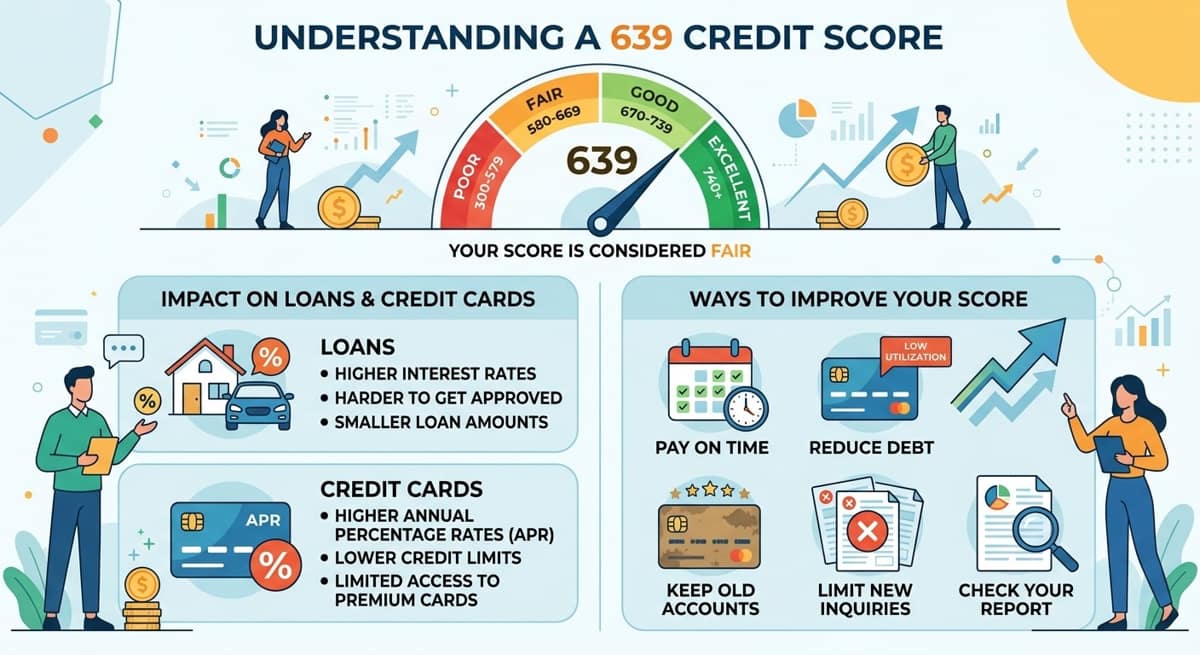
Is 639 A Good Credit Score? How It Affects Loans, Credit Cards And Ways To Improve It
12 min read
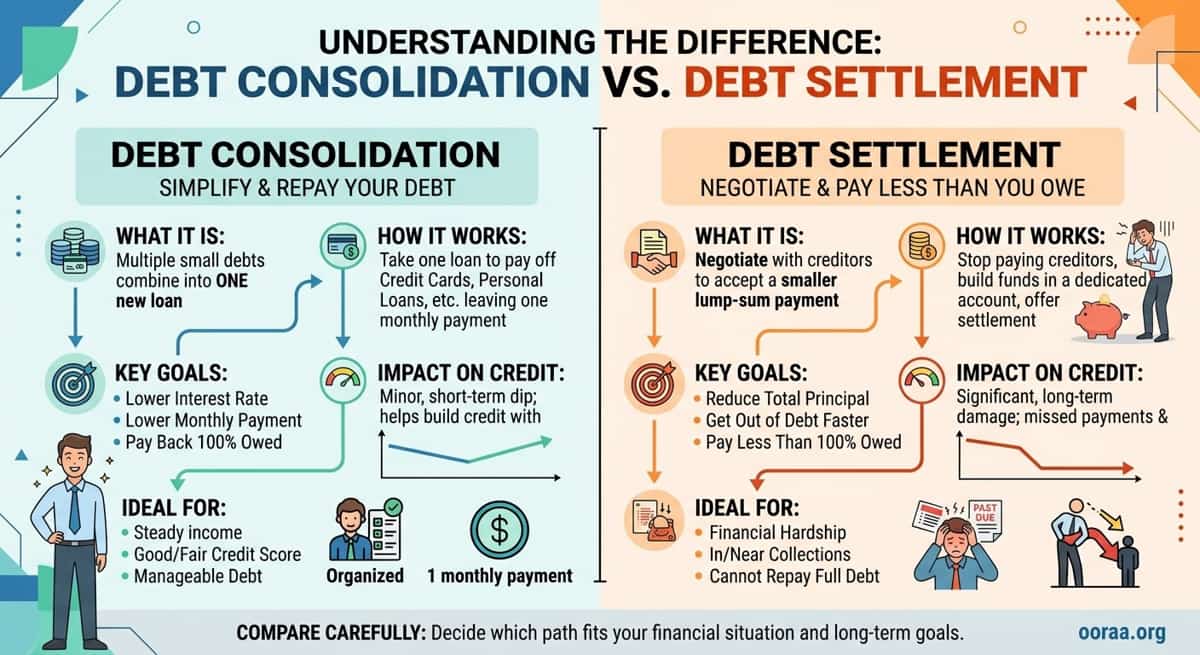
What’s The Difference Between Debt Consolidation And Debt Settlement?
12 min read
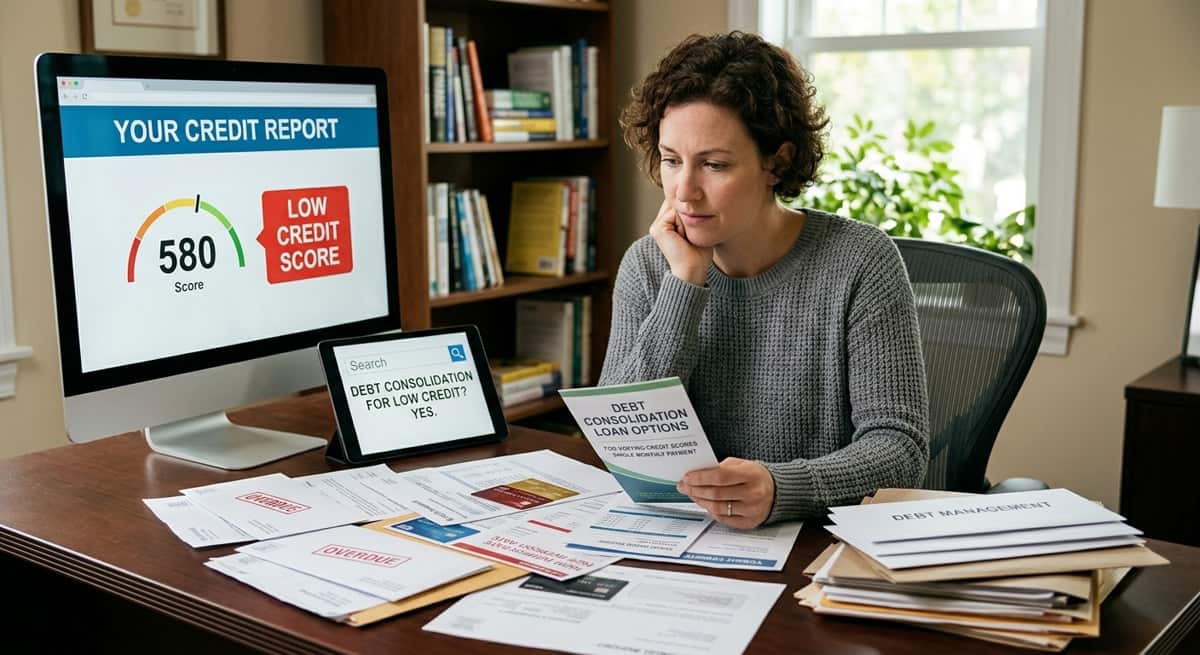
Can You Consolidate Debt With a Low Credit Score?
11 min read
Get Your Free Consultation
Speak with a certified debt consultant to explore your options.
Start NowNo obligation • Free consultation