

What is an IRS Tax Lien and How is it Different from an IRS Levy?
Navigating the world of tax debt can bring up unfamiliar terms, and two of the most confusing are "tax lien" and "tax levy." While they both relate to the government's efforts to collect unpaid taxes, they are fundamentally different actions. Understanding this distinction is the first step toward finding the right solution. Simply put, an IRS tax lien is the government's legal claim on your property. Think of it as a public notice that you owe the government money. It attaches to all your current and future assets, including your home, car, and financial accounts. This claim secures the government's interest in your property and makes it extremely difficult to sell or refinance any of it. The tax lien itself doesn’t take your property, but it does make it clear to the world—from banks to potential buyers—that the government has first rights to your assets should you try to sell them. An IRS tax levy, on the other hand, is the actual seizure of your assets. If you continue to ignore your tax debt, the IRS can move from a claim (a lien) to an action (a levy). A tax levy is when the IRS takes your property or money directly. This can mean garnishing your wages, levying your bank accounts, or seizing your car or other valuable property to sell it and satisfy the tax debt. The key difference is simple: a lien is a claim, while a levy is a collection. One is a legal warning, and the other is a direct, forceful action. Here is a table to help you visualize the difference:| Feature | IRS Tax Lien | IRS Tax Levy |
| Action | A legal claim to your property | Seizure of your property or assets |
| Purpose | Secures the government's interest in your assets | Collects the owed tax debt |
| Effect | Makes it difficult to sell or transfer assets; damages credit | Directly takes money from bank accounts or wages |
How a Tax Lien Affects Your Financial Life and Well-being?
An IRS tax lien isn't just a legal formality; it's a financial red flag that can significantly impact your life. While major credit bureaus no longer list tax liens on credit reports, the information is a matter of public record. This means that lenders, employers, and landlords can still discover the lien through public record searches, and they often do. The most direct impact is on your creditworthiness. When a lender sees a tax lien, you're immediately seen as a high-risk borrower. This can lead to loan and mortgage denials, higher interest rates, or reduced credit limits. It makes it extremely difficult to get approved for major purchases, like a home or a new car. For homeowners, a lien can prevent you from selling or refinancing your property because the government's claim must be satisfied first. Beyond the numbers, the stress of a tax lien can also affect your well-being. For many in the South Asian community, financial stability is closely tied to family honor and public reputation. A tax lien can feel like a private shame that brings fear of judgment from elders or the wider community. It's a heavy burden to carry alone. This is why it's so important to address this challenge discreetly and with the support of a trusted professional, ensuring you can navigate the process with confidence and preserve your family's respect and financial standing.Five Proven Ways to Get Rid of an IRS Tax Lien
Navigating the world of tax debt requires a clear strategy, and the good news is that an IRS tax lien is not a permanent fixture. There are several proven pathways to get it removed. Choosing the right one depends on your financial situation, but with a strategic approach, you can clear the lien and start rebuilding your financial standing. Here are five of the most effective solutions:
1. Pay Off Your Tax Debt in Full
This is the most direct and simplest way to get rid of a tax lien. Once you have paid your tax debt in its entirety—including all penalties and interest—the IRS is legally required to release the lien. After receiving your final payment, the IRS will typically file a Notice of a Federal Tax Lien Release within 30 days. This notice is crucial, as it formally removes the public record of the lien. You should ensure this document is filed with the appropriate county recorder's office where the original lien was filed to officially clear your property's title.2. Settle with an Offer in Compromise (OIC)
3. Establish an Installment Agreement
If you can’t afford to pay off your tax debt all at once, an Installment Agreement allows you to make manageable monthly payments over a period of up to 72 months. While the tax lien will not be released immediately upon entering this agreement, the IRS may withdraw the lien as part of the agreement's terms, particularly if you have a direct debit installment plan and you have a solid history of making payments. An Installment Agreement shows the IRS you are making a good-faith effort to pay your debt, which can be a vital step toward resolving the lien.4. Obtain a Discharge of Property
A discharge of property is a method to remove a specific piece of your property from a tax lien. This is often used when you are trying to sell an asset, such as a home, but a tax lien is preventing the sale. The IRS may agree to discharge the property from the lien if you can show that the proceeds from the sale will be used to pay down the tax debt or if the government's interest in the property is of little or no value. It doesn't remove the entire lien but allows you to complete the sale without the lien attached to that specific asset.5. Request Subordination of a Tax Lien
Subordination is a powerful tool, particularly if you are trying to refinance your home or get a new mortgage. It doesn't remove the tax lien; rather, it changes its priority. By subordinating the lien, you allow a new lender's claim to take priority over the IRS's claim. This makes it possible for you to get the financing you need. In turn, you can use the funds from the loan to pay off your tax debt. This process demonstrates a commitment to resolving the debt and can be a key step in regaining financial flexibility.Seeking Professional Tax Debt Relief: Why It Matters
The process of resolving a tax lien can be complex and daunting, especially when dealing with a powerful entity like the IRS. For many, the legal language, paperwork, and negotiation tactics can feel overwhelming. This is where the expertise and trustworthiness of a professional tax debt relief firm become invaluable. A reputable firm serves as your advocate, acting as a buffer between you and the IRS. They have a team of licensed professionals—including tax attorneys, CPAs, and enrolled agents—with decades of combined experience. These experts understand the intricate details of tax law and are equipped to find the best possible solution for your unique situation, whether it's an Offer in Compromise, an Installment Agreement, or another resolution. They can also represent you in all communications with the IRS, saving you the time and stress of navigating this process alone. We understand that for many within the South Asian community, discussing financial hardships can be a sensitive and private matter. Our firm offers a discreet and confidential way to address your tax debt without the added pressure of social judgment. We are committed to providing a transparent, supportive, and effective path to financial freedom.Conclusion
In short, a tax lien is a serious legal claim on your property, but it is not the end of the road. By understanding your options from paying in full to exploring an Offer in Compromise or an Installment Agreement, you can take control of your financial situation. The most important thing to remember is that you have solutions available to you. You don't have to face this challenge alone. We are here to help you navigate the complexities of tax debt relief with confidence and discretion. Taking the first step is often the hardest, but it's also the most important. If you’re ready to discuss your situation and find a clear path to financial freedom, we invite you to take advantage of a free consultation today.Ready to Get Started?
Get a free consultation with a certified debt consultant to see if debt settlement is right for you.
Get Free ConsultationAbout the Author
Bhupinder Bajwa
Bhupinder Bajwa is a Certified Debt Specialist and Financial Counselor with over 10 years of experience helping families overcome financial challenges. Having worked extensively with the South Asian community in the U.S., he understands the cultural nuances and unique financial hurdles they may face. He is passionate about offering clear, compassionate, and actionable guidance to help individuals and families achieve their goal of becoming debt-free.
Related Articles
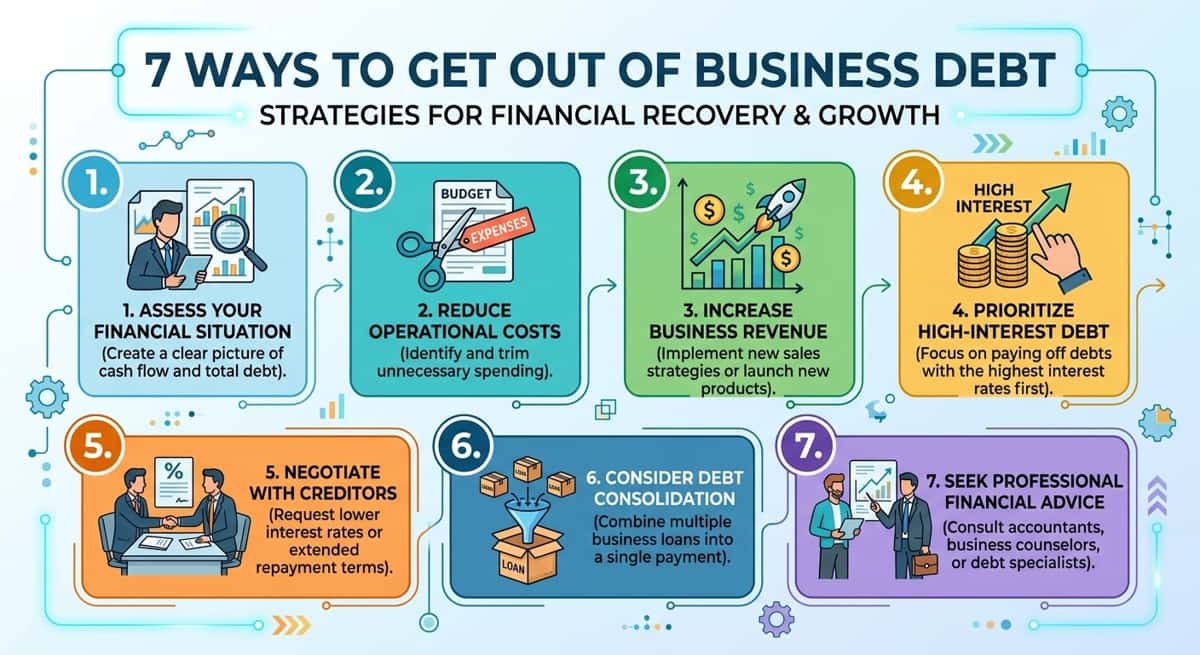
7 Ways To Get Out Of Business Debt
11 min read
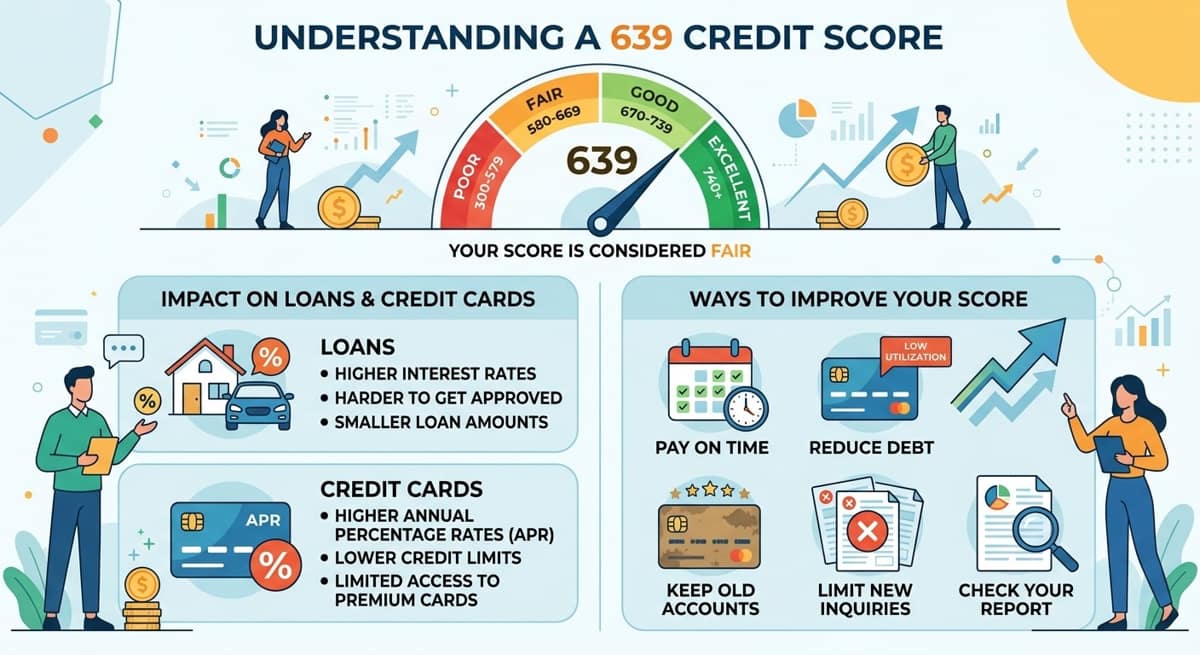
Is 639 A Good Credit Score? How It Affects Loans, Credit Cards And Ways To Improve It
12 min read
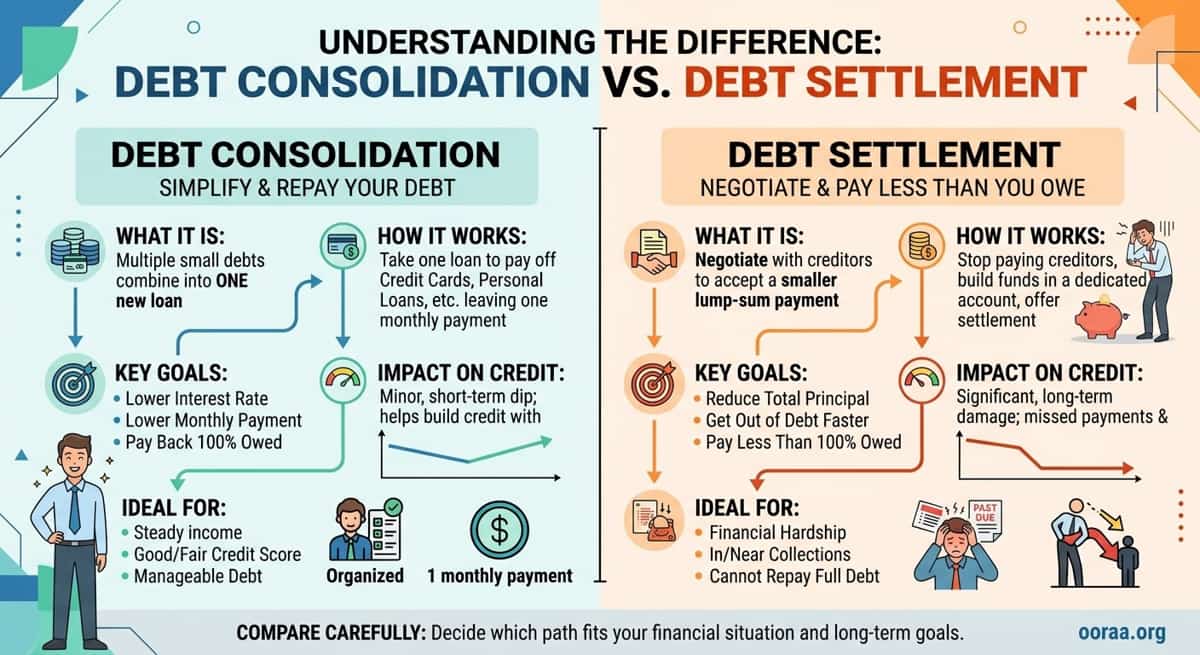
What’s The Difference Between Debt Consolidation And Debt Settlement?
12 min read

Can You Consolidate Debt With a Low Credit Score?
11 min read
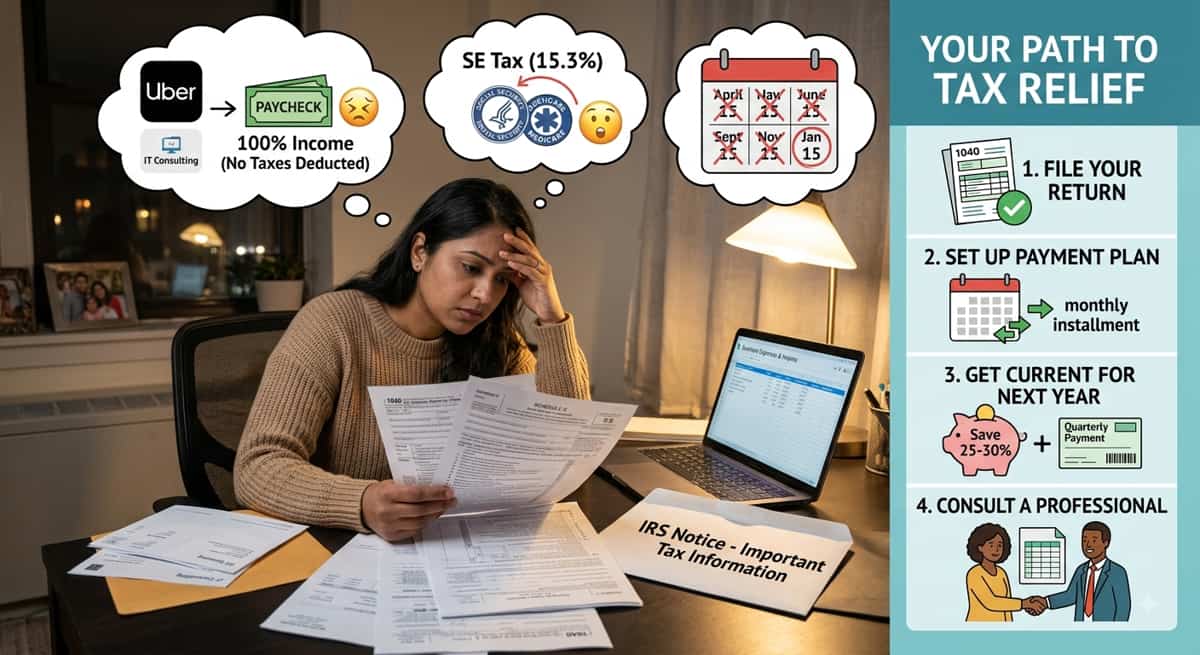
Self-Employed and Owe Taxes? A Guide for 1099 Workers
11 min read
How Much Tax You Pay On Lawsuit Settlements
9 min read
Get Your Free Consultation
Speak with a certified debt consultant to explore your options.
Start NowNo obligation • Free consultation