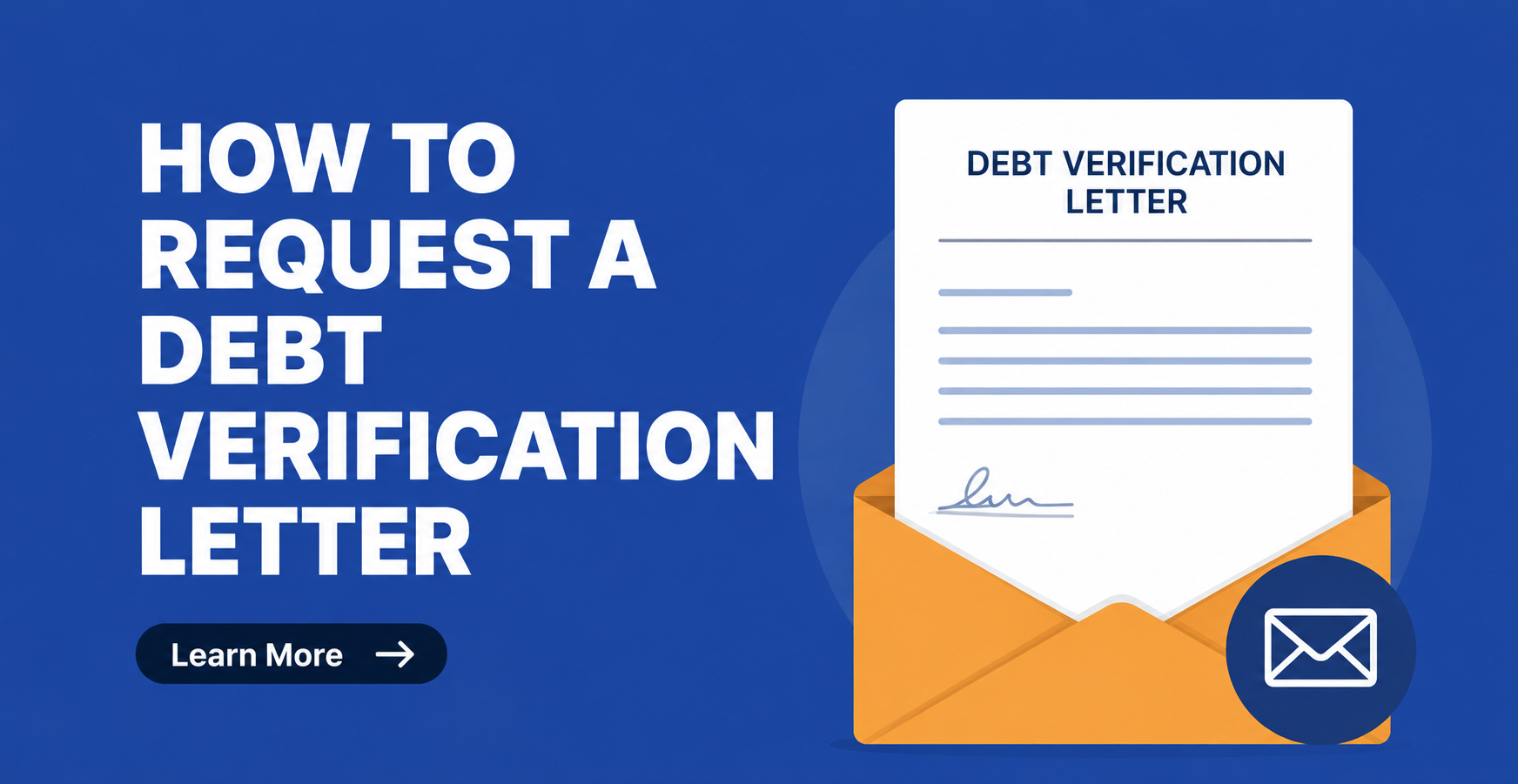
How To Request A Debt Verification Letter
Moving to the US and building a life here is an incredible achievement, but navigating the American financial system can feel like learning a whole new language. One of the most stressful moments you can experience is getting an aggressive phone call or a confusing letter from a US debt collector.
If this happens to you, it is completely normal to feel a sudden wave of panic or worry about your credit score or your legal standing.
However, you should take a deep breath. Under United States federal law, you have the right to say, "Prove it." Before you pay a single dollar or even admit that a debt belongs to you, you have the right to demand a formal Debt Verification Letter. This simple document forces the collection agency to prove that the debt is actually yours, that the amount is correct, and that they have the legal right to collect it. You are in control, and you have the power to challenge these claims safely and legally.
What Is a Debt Verification Letter - And Why Does It Matter?
A debt verification letter is a written request you send to a debt collector asking them to prove the debt is legitimate. You're essentially saying: show me the evidence before I even consider paying.
This is different from a debt dispute letter, which you'd use when you're formally contesting that a debt belongs to you often with a credit bureau. A verification letter comes first. It asks the collector to validate that the debt exists, that they have the right to collect it, and that the numbers are accurate.
Here's the important part: this right is protected by federal law. The Fair Debt Collection Practices Act, a law specifically designed to protect consumers from unfair collection practices, requires that any debt collector provide this information when you ask for it in writing.
I know that for many people who grew up in India, Bangladesh, Pakistan, or other South Asian countries, questioning or pushing back on a financial institution can feel disrespectful or even risky. But in the U.S., this is completely normal. It's not confrontational, it's responsible. Debt collectors expect it. The law requires them to honor it.
Under U.S. federal law, you have the right to request that any debt collector verify the debt before you pay anything. This is not optional for them; they are legally required to respond.
When Should You Request a Debt Verification Letter?
Timing matters here. When a debt collector first contacts you, they are required by law to send you a written notice called a validation notice within five days. That notice starts a 30-day clock. If you send your verification request within those 30 days, the collector must stop all collection activity until they respond.
If you miss that 30-day window, you haven't lost your rights entirely but your position is weaker and the collector is not required to pause their activity while they respond.
You should always send a verification request if any of the following apply:
The debt doesn't look familiar, or the amount seems higher than you remember
You think the debt might be very old (every state has a "statute of limitations" a cutoff after which a collector can no longer sue you to collect)
You suspect someone may have used your identity, or that your file was mixed up with someone else's
The company contacting you is a third-party collection agency not the original creditor
That last point is worth pausing on. South Asian immigrants, particularly those who are newer to the U.S. credit system, are frequently contacted by third-party collectors for old medical bills and utility accounts. Many of these debts have changed hands multiple times. That's exactly when verification matters most because the agency trying to collect may not even have the original paperwork.
What Information Should a Debt Verification Letter Include?
Your letter doesn't need to be long, but it does need to be complete. Here's everything to include:
Your full legal name and current mailing address — use the name that appears on the debt notice
The collector's name and mailing address — copied from their written notice to you
The account number or reference number they provided, if any
A statement citing your rights under the Fair Debt Collection Practices Act — this signals you know your rights and takes the letter out of "casual request" territory
A request for the name and address of the original creditor — so you know who the debt actually started with
A request for a full breakdown of the amount owed — including how the total was calculated, any interest or fees added, and when the account went into default
Proof that the collection agency is licensed to collect debt in your state — yes, they are required to be licensed, and many aren't
A request to stop all collection activity — calls, letters, everything until they provide the verification you've requested
The date and your signature
One important rule: do not include your Social Security Number, bank account details, or any payment information in this letter. A verification request is not an agreement to pay, it is a request for proof.
Sample Debt Verification Letter (Ready to Use)
In the U.S., written documentation carries real legal weight. A phone call no matter how clearly you stated your case offers you almost no protection. A letter sent the right way becomes a paper trail that can protect you if this ever goes further. I've seen clients who called instead of writing end up in much worse positions than those who sent a simple letter.
Copy the template below, fill in your details, and send it via certified mail with a return receipt requested. Keep a copy for yourself both physical and digital.
[Your Full Name] [Your Street Address] [City, State, ZIP Code] [Date]
[Debt Collector's Full Name / Company Name] [Debt Collector's Mailing Address] [City, State, ZIP Code]
Re: Account Number [XXXXXXXX] / Reference Number [XXXXXXXX]
Dear Sir or Madam,
I am writing in response to your recent communication regarding the above-referenced account. I am exercising my rights under the Fair Debt Collection Practices Act (15 U.S.C. § 1692g) to request verification of this debt.
Please provide the following:
The name and mailing address of the original creditor
A complete breakdown of the amount claimed, including principal, interest, and any fees
A copy of the original agreement or documentation showing I am responsible for this debt
Proof that your agency is licensed to collect debts in the state of [Your State]
Until this debt has been properly verified and the documentation above has been provided to me in writing, I request that you cease all collection activity, including phone calls and written correspondence.
This is not a refusal to pay. This is a formal request for verification as provided by federal law.
Sincerely, [Your Signature] [Your Printed Full Name]
How To Send the Letter - The Right Way
How you send this letter is just as important as what it says. Here's the only correct method:
Send it via USPS Certified Mail with Return Receipt Requested. When you go to the post office, ask for Form 3800. You'll receive a tracking number and a signed receipt when the collector receives your letter. That receipt is your legal proof of delivery; the date stamp it creates can matter enormously if this situation ever escalates.
A few things to keep in mind:
Use the mailing address from the collector's written notice not a phone number, not an email address from their website
Do not send via email unless you have confirmed in writing that email delivery is legally recognized in your state for this purpose in most cases, it is not
Do not call instead verbal communication creates no paper trail and offers you no legal protection under the FDCPA
Send within 30 days of receiving the collector's initial written notice to keep your strongest protections in place
Keep copies scan or photograph everything before you mail it, and store the certified mail receipt somewhere safe
What Happens After You Send the Letter?
Once your verification request is received, the debt collector is legally required to stop all collection activity: no calls, no letters, nothing until they respond to you with proper verification.
Here's how it typically plays out:
If they can verify the debt: They'll send you documentation, usually a copy of the original credit agreement, account statements, and confirmation of the original creditor's name and address. At that point, the debt collection process resumes, and you'll need to decide how to respond: negotiate a settlement, set up a payment plan, or consult a credit counselor.
If they cannot verify the debt: They are legally required to stop collecting. In many cases, they must also request that the debt be removed from your credit report. The collection case is essentially closed.
If they ignore your letter and keep contacting you: That is a potential violation of federal law. They can be sued in federal court for continuing to collect without verifying. At this point, I'd strongly recommend reaching out to a consumer rights attorney many handle FDCPA cases on contingency, meaning you pay nothing upfront.
Many of my South Asian clients are genuinely surprised by what happens next. A significant number of third-party collection agencies especially those that have purchased old debt simply stop contact after a proper verification request. Why? Because they no longer have the original documentation. The debt changed hands too many times. A single well-written letter can close a case that's been causing stress for months.
Common Mistakes to Avoid
Even with the best intentions, people make avoidable errors. Here are the ones I see most often:
Calling instead of writing. I cannot say this enough. A phone call is not a legal request. Only a written letter protects you.
Waiting too long. Sending your letter after the 30-day window means the collector is no longer required to pause collection activity while they respond.
Including sensitive personal information. Never put your SSN, bank account numbers, or any payment details in a verification letter.
Paying before verifying. Once you pay even a small amount it can be treated as an acknowledgment of the debt. Always verify first.
Ignoring a court summons. This is critical: a collection call and a court summons are completely different things. If you receive legal paperwork from a court, respond immediately. Ignoring a summons can result in a default judgment against you.
Not keeping records. Every letter, every receipt, every piece of correspondence keeps it all.
I also want to say something directly to readers from South Asian communities: I understand the instinct to just pay and move on. There's often real pressure from within the family, from a sense of obligation, from not wanting conflict to settle a debt quickly and quietly, even if something feels off. But verifying before you pay isn't avoidable. It isn't dishonorable. It is the responsible thing to do, and it is exactly what U.S. law was designed to protect you to do.
You Have More Rights Than You Think - Use Them
The U.S. consumer protection system was built for moments exactly like this when an ordinary person gets a call from a collector and doesn't know where to turn. You don't need to be a lawyer, a financial expert, or a native-born American to use these rights. You just need to know they exist.
Navigating debt in a new country is genuinely hard. The rules are different, the language around money is different, and it's easy to feel like you're at a disadvantage. You're not. A simple, well-written letter sent the right way can stop a collector in their tracks and give you the space to figure out your next step without pressure.
If you'd like free, unbiased help from a certified counsel at Ooraa connects you with nonprofit advisors at little or no cost.
Ready to Get Started?
Get a free consultation with a certified debt consultant to see if debt settlement is right for you.
Get Free ConsultationAbout the Author
Bhupinder Bajwa
.
Related Articles
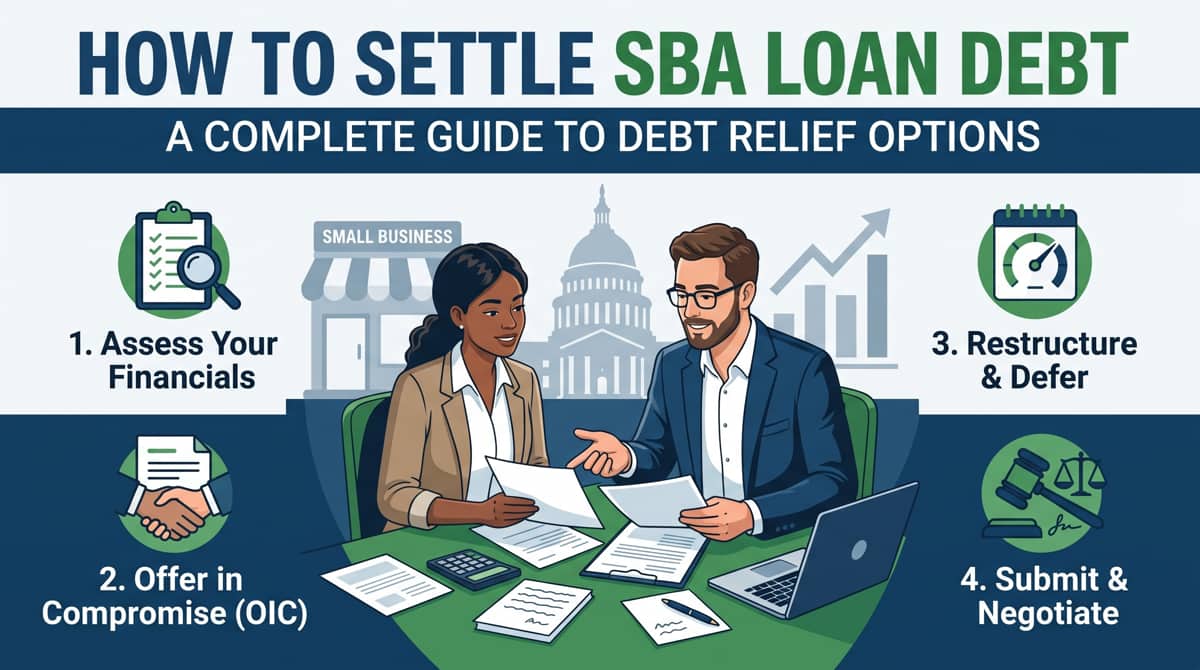
How to Settle SBA Loan Debt: Complete Guide to Debt Relief Options
11 min read
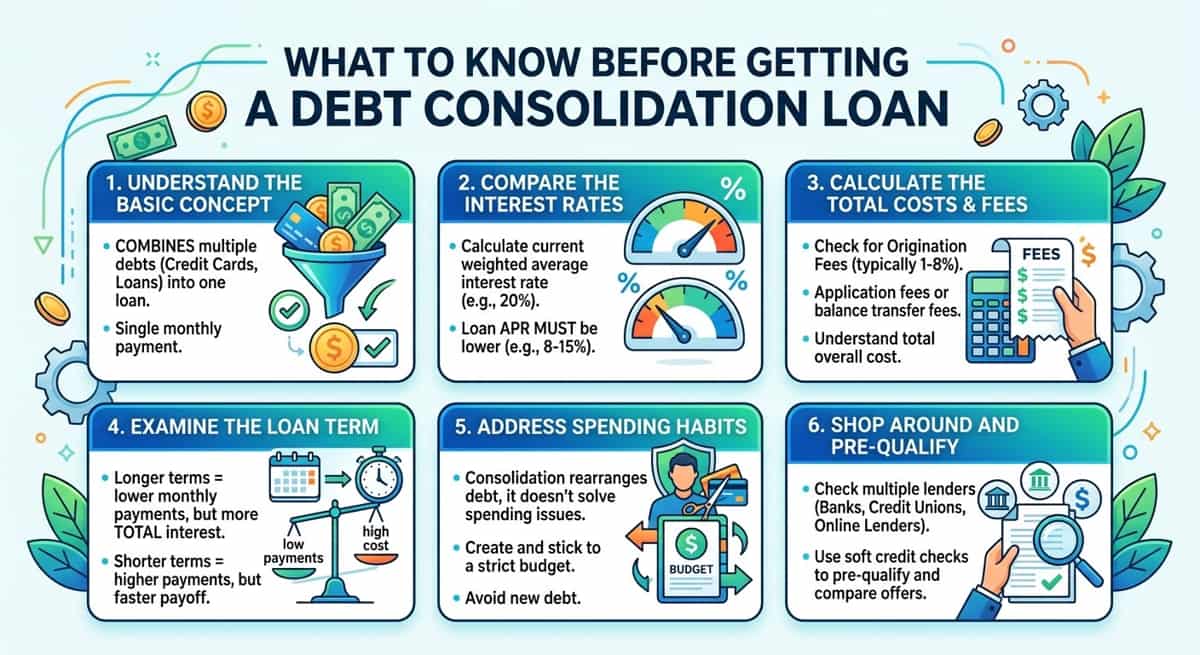
What to Know Before Getting a Debt Consolidation Loan
10 min read
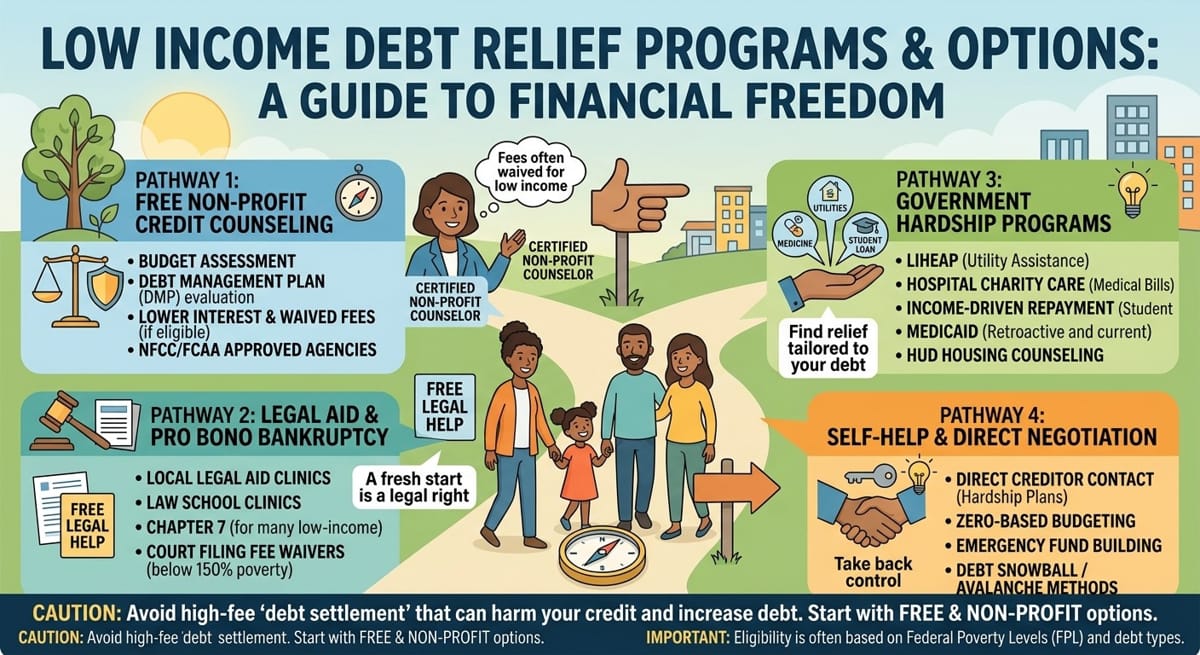
Low Income Debt Relief Programs And Options
14 min read
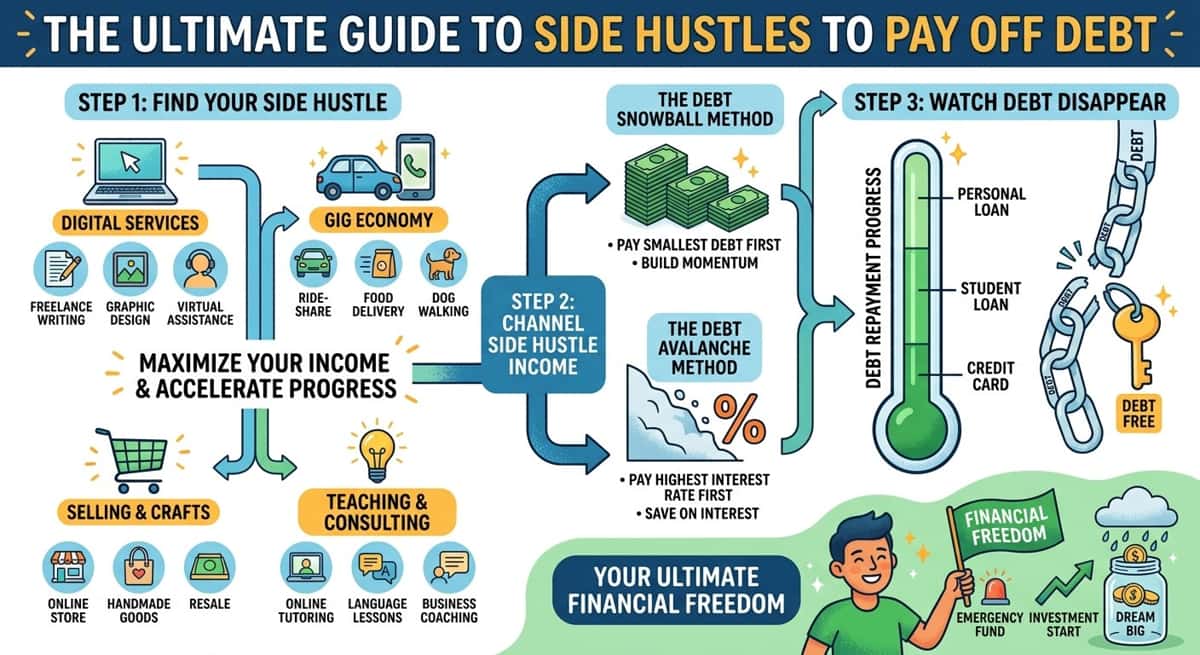
The Ultimate Guide To Side Hustles To Pay Off Debt
12 min read
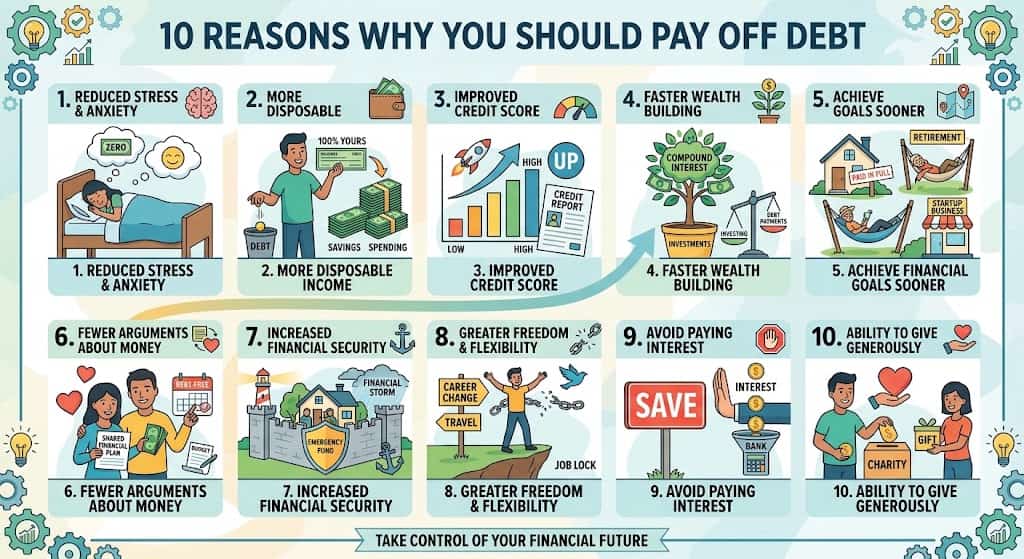
10 Reasons Why You Should Pay Off Debt
9 min read
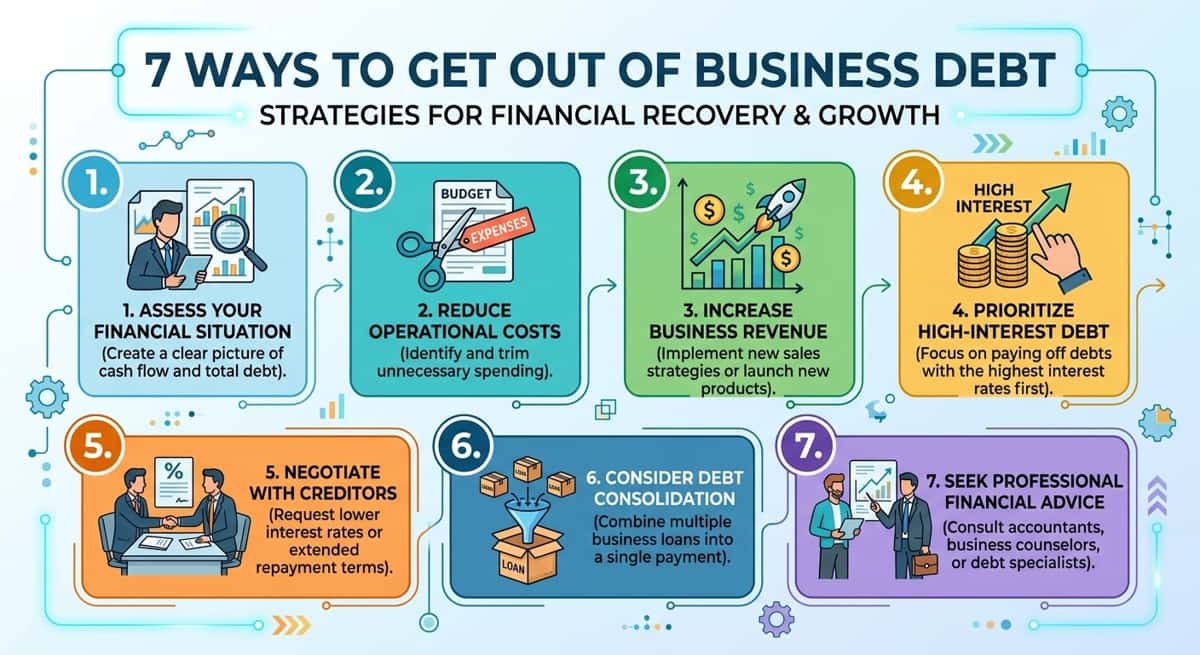
7 Ways To Get Out Of Business Debt
11 min read
Get Your Free Consultation
Speak with a certified debt consultant to explore your options.
Start NowNo obligation • Free consultation