Understanding Debt Settlement Letters
Moving to the United States is often driven by the pursuit of the "American Dream" : securing a high-paying tech job in Silicon Valley, sending support back home to family in India, Pakistan, or Bangladesh, and building a prosperous future. However, the reality of high living costs in major US hubs, combined with the pressure to maintain a certain lifestyle or handle unexpected medical emergencies, can quickly lead to a cycle of high-interest credit card debt.
If you have opened your mailbox to find a debt settlement letter, your first instinct might be fear or a sense of (what will people say). It is important to breathe and realize that this letter is not a failure; it is a communication from a creditor who is ready to negotiate. In the American financial system, debt settlement is a common, legal strategy used to resolve balances for less than what is owed.
Whether you are here on an H-1B visa or are a naturalized citizen, managing your financial health is the key to staying on track. This guide will walk you through exactly what these letters mean, how they affect your future, and how you can negotiate terms that protect your family’s stability. Understanding this document is the first step toward clearing your path and reclaiming the financial peace of mind you worked so hard to achieve.
What is a Debt Settlement Letter?
A debt settlement letter is an official document that outlines an agreement to close out a debt for a one-time payment that is less than the full amount you owe. Once the agreed-upon amount is paid, the creditor considers the debt resolved, and you are no longer required to make payments on that specific account.
At a Glance:
The Goal: To eliminate debt quickly without paying the full balance (often saving 30% to 50%).
Settlement Offer: This is a letter sent by your creditor or a collection agency proposing a specific discount to settle the account.
Settlement Proposal: This is a letter sent by you (or your representative) to the creditor, suggesting an amount you can afford to pay to wipe the slate clean.
The Result: Your account is marked as "Settled" or "Paid in Full," stopping further collection calls and interest charges.
The Anatomy of a Debt Settlement Letter: What to Look For
When you receive a debt settlement letter, it can feel overwhelming to look at all the fine print. However, understanding the specific sections of the document will help you make a calm, informed decision. Here is a breakdown of the most important parts of the letter:
Identifying the Sender
The top of the letter will list who currently owns your debt. It might be your original bank (the creditor) or a third-party collection agency that purchased the debt from the bank. If you don't recognize the name of the company, check the account number listed; it should match your original records. Dealing with an agency is common and simply means the original bank has moved the account off their books.
The Settlement Percentage
This is the "offer" part of the letter. It usually proposes a lump-sum payment that is significantly lower than your total balance. In the US, these offers commonly range between 30% and 50% of what you owe. For example, if you owe $10,000, they might offer to close the account for $4,000.
The Expiration Date
Most letters include a "valid until" date. This is designed to create a sense of urgency. While it is important to pay attention to this date, do not panic if it is close. These dates are often used as a negotiation tactic, and creditors are usually willing to extend the offer or send a new one if you reach out to discuss your situation.
"Paid in Full" vs. "Settled in Full"
This is the most critical distinction in the letter.
Paid in Full: This means you paid every cent you owed. This looks best on a credit report.
Settled in Full: This means the creditor accepted a lower amount and has agreed to consider the debt resolved. While this is better than an unpaid debt, it may slightly lower your credit score for a period because you did not pay the original agreed amount.
Creditor Authorization and Next Steps
The letter should clearly state that once the payment is made, the creditor will "release" you from the remaining balance. This creditor authorization is your legal protection. Before sending any money, ensure the letter explicitly states that no further collection efforts will be made once the payment is received. Finally, keep in mind that settling a debt for a large discount may have tax implications, as the IRS sometimes views the forgiven amount as taxable income. Always keep a copy of this letter for your permanent financial records.
Cultural Nuance: Debt, Credit Scores, and the South Asian Community
In many South Asian households, financial matters are often kept private. There is a deep-seated cultural value placed on being debt-free, and the fear of (What will people say?) can make a debt settlement letter feel like a source of shame. However, in the American financial system, debt is often viewed as a business problem rather than a moral failing. Resolving a debt through settlement is a proactive step toward responsibility, not a sign of defeat.
Immigration and Your Status
A common concern for those on H-1B, L-1, or O-1 visas, as well as those applying for a Green Card, is how debt affects their immigration status. It is important to know that having unpaid credit card debt or entering into a debt settlement agreement typically does not impact your visa status or your path to citizenship.
Debt settlement is a civil matter between you and a private company. Under current US immigration guidelines, credit card debt is not considered part of the "Public Charge" rule, which primarily looks at the use of government-funded public cash assistance. Settling your debt shows that you are taking steps to manage your finances, which is a positive move for your long-term stability in the USA.
The "Sandwich Generation" Pressure
Many South Asian professionals in the US belong to the "sandwich generation" supporting aging parents back home while raising children in an expensive US city. The pressure to send remittances while maintaining a certain standard of living can lead to "lifestyle creep" and eventual debt.
If you have joint accounts with a spouse or a family member, a debt settlement letter addressed to one person can affect the household's collective credit. It is vital to have open conversations with your family about these letters. Ignoring the mail because of cultural stigma only allows interest to grow. By addressing the letter head-on, you protect not just your own credit score, but the financial security of the parents and children who depend on you.
Settling a debt is often the fastest way to stop the "bleeding" of high interest rates, allowing you to redirect those funds toward what truly matters: your family's future and your peace of mind.
Step-by-Step Guide: How to Respond to a Settlement Offer
Receiving a settlement offer is the beginning of a negotiation, not the final word. If you have a letter in hand, follow these five steps to ensure you handle the process correctly and protect your interests.
Step 1: Verify the Debt
Before you acknowledge the debt or send any money, you must ensure the debt is actually yours and the amount is correct. Under the Fair Debt Collection Practices Act (FDCPA), you have the right to request "debt validation." Compare the account number and the balance on the letter with your own bank statements. If the letter is from a collection agency you don't recognize, ask them to provide proof that they own the debt. This prevents you from paying the wrong person or paying a debt that is past the legal time limit for collection.
Step 2: Assess Your Liquidity
To settle a debt, you usually need a lump-sum payment. Look at your finances to see how much cash you can realistically access.
Rainy Day Funds: Using a portion of your emergency savings is often the best move because it stops high-interest growth.
401k or Retirement: Be very cautious here. Withdrawing from a 401k can lead to heavy taxes and penalties.
Calculate a "walk-away" number the maximum amount of cash you can afford to pay right now without compromising your rent or grocery budget.
Step 3: The Counter-Offer Strategy
The first offer in the letter is rarely the lowest the creditor will go. If they offer to settle for 50%, you might respond with a counter-offer of 20% or 25%. Explain your situation honestly: "I am experiencing financial hardship and only have $2,000 available to close this $10,000 account." Be prepared for some back-and-forth. The goal is to meet somewhere in the middle, often around 35% to 45% of the total balance.
Step 4: Getting it in Writing
This is the "Golden Rule" of debt relief: Never pay a cent until you have the agreement in writing. A verbal promise over the phone is not enough. You need a formal letter (physical or digital) that states:
The exact settlement amount.
The payment due date.
A clear statement that once this amount is paid, the remaining balance is forgiven and the account is considered closed.
Step 5: The Payment Execution
Once you have the written agreement, make the payment exactly as specified. It is usually best to pay via a bank wire, a certified check, or a dedicated payment portal provided by the creditor. Avoid giving them direct access to your primary checking account via a debit card if possible. After you pay, keep a copy of your payment confirmation and the original settlement letter for at least seven years. This is your "receipt" that proves you no longer owe that money if it ever reappears on your credit report.
The Tax Trap: Understanding IRS Form 1099-C
One of the most surprising aspects of debt settlement for many South Asian professionals is that the IRS often views "saved money" as "earned money." While it feels like a victory to settle a $10,000 debt for $4,000, the remaining $6,000 is considered canceled debt, which the US government generally treats as taxable income.
The $600 Rule
If a creditor or collection agency forgives $600 or more of your debt, they are legally required to report that amount to the IRS. By early the following year (typically by January 31), you will receive IRS Form 1099-C (Cancellation of Debt) in the mail. The amount listed in Box 2 of this form must be reported on your federal income tax return. Forgetting to include this can result in unexpected tax bills, penalties, or even an audit, which can be particularly stressful for those navigating the US tax system for the first time.
The Insolvency Exception (Form 982)
The good news is that you may not actually have to pay taxes on that forgiven debt if you were "insolvent" at the time the debt was canceled. In simple terms, insolvency means your total liabilities (everything you owe, including debts back home if you are a US tax resident) were greater than the fair market value of all your assets (everything you own, like your car, bank accounts, and jewelry).
To claim this exception, you must file IRS Form 982 along with your tax return.
How it works: If you owed $50,000 in total debt but only owned $30,000 in assets, you were insolvent by $20,000. You could potentially exclude up to $20,000 of canceled debt from your taxable income.
Understanding these tax rules is vital for South Asian families who are often balancing multiple financial responsibilities. Before you finalize a settlement, it is wise to consult with a CPA (Certified Public Accountant) who understands the unique tax situation of resident aliens and expats to ensure you aren't trading one debt for another with the IRS.
Comparing Options: Settlement vs. Consolidation vs. Bankruptcy
When you receive a settlement letter, it’s important to remember that it is just one path toward financial freedom. Depending on your goals such as buying a home in the suburbs or maintaining a high credit score for a future business loan other options might be more suitable.
Comparison at a Glance
Feature | Debt Settlement | Debt Consolidation Loan | Bankruptcy (Ch. 7/13) |
Total Cost | Low (pay 30-50% of debt) | Moderate (full debt + interest) | High (legal fees + loss of assets) |
Credit Impact | Significant short-term drop | Can improve score over time | Severe long-term damage |
Timeframe | 6–24 months | 3–5 years | 4 months to 5 years |
Goal | Get out of debt for less | Simplify into one payment | Legal protection from creditors |
Debt Management Plans (DMP)
For many South Asian families planning to apply for a mortgage in the next two years, a Debt Management Plan through a non-profit agency may be the better choice. Unlike settlement, a DMP usually involves paying back the full amount, but at a much lower interest rate. Because you are paying the full balance, your credit report looks "cleaner" to mortgage lenders than if you settled for a partial amount.
Debt Consolidation Loans
If you still have a decent credit score, you might qualify for a consolidation loan. This allows you to take out one new loan with a lower interest rate to pay off all your high-interest credit cards. This is a "clean" way to manage debt without the negative marks associated with a settlement letter.
When Settlement Isn't Enough: Bankruptcy
If your total debt is more than half of your annual income and you see no way to pay even a settled amount, bankruptcy (Chapter 7 or Chapter 13) may be the final option. However, for those on specific work visas, bankruptcy can be a complex process that requires legal counsel. It is a powerful tool to stop lawsuits and wage garnishments, but it should only be used when all other paths including negotiation and settlement have been exhausted.
Choosing the right path depends on your immediate cash flow and your long-term plans for staying in the United States.
DIY vs. Professional Debt Relief Services
When you have a debt settlement letter in front of you, you must decide whether to handle the negotiation yourself or hire a professional. Both paths have their merits, especially when balancing a busy career and family life.
Negotiating Yourself (DIY)
The biggest advantage of the DIY approach is that it is free. You save on the fees that professional firms charge (which can be 15% to 25% of your total debt). For many South Asian professionals with strong communication skills, calling a creditor directly is manageable. However, it requires time, patience, and a thick skin to deal with persistent collection agents.
Hiring a Professional Firm
A professional debt relief company handles all communication for you. This can be a huge relief if you want to avoid the stress of collection calls.
Pros: They have established relationships with banks and may secure a deeper discount than you could alone.
Cons: They are for-profit businesses. You will have to pay them once your debt is settled.
Scam Alert: How to Stay Safe
Unfortunately, the debt relief industry has many predatory companies that target immigrant communities. To protect your hard-earned money, look for these "green flags":
No Upfront Fees: Under US law, a debt settlement company cannot charge you a fee until they have successfully settled at least one of your debts.
Accreditation: Ensure the company is a member of the American Fair Credit Council (AFCC) or the International Association of Professional Debt Arbitrators (IAPDA). Check their rating on the Better Business Bureau (BBB).
South Asian Community Resources
If you prefer guidance from people who understand your cultural background, look for community-based non-profits. Organizations like the South Asian Council for Social Services (SACSS) or Sapna NYC often provide financial literacy workshops or legal clinics. These non-profits are excellent places to find unbiased advice on navigating the US credit system without the high cost of private firms.
Sample Debt Settlement Negotiation Script (Template)
When you are ready to respond to a debt settlement letter, having a structured script or template can give you the confidence to negotiate effectively. Using specific financial terms ensures the creditor knows you understand your rights in the US.
The "Copy-Paste" Settlement Offer Template
You can send this via certified mail or use the main points during a phone call.
Date: [Current Date]
To: [Creditor or Collection Agency Name]
Account Number: [Your Full Account Number]
Subject: Formal Settlement Offer and Request for Written Agreement
Dear [Contact Person or Department Name],
I am writing regarding the account mentioned above. I would like to resolve this matter but am currently facing financial difficulties that prevent me from paying the full balance.
I am offering a lump-sum payment of $[Enter Amount usually 25-30% of total] as a full and final settlement of this debt.
If you accept this offer, please provide a letter on your company letterhead stating:
This payment constitutes an "Accord and Satisfaction" (a legal agreement where both parties agree the debt is satisfied for a different amount).
The account will be reported to credit bureaus as "Settled in Full" or "Paid in Full."
No further collection attempts will be made, and you will "Cease and Desist" all further communication once payment is cleared.
Once I receive this written confirmation, I will issue payment. Please do not send me a check with a "Restrictive Endorsement" (a note on the back of a check that limits how it can be used) until we have this formal agreement in writing.
Sincerely,
[Your Name]
[Your Phone Number]
Why These Phrases Matter
Accord and Satisfaction: This is a legal term that prevents the creditor from coming back later to ask for the rest of the money.
Cease and Desist: This is your legal way of telling them to stop calling or mailing you once the deal is done.
Restrictive Endorsement: This ensures that the way you pay is documented and cannot be applied to other "hidden" fees.
Conclusion: Reclaiming Your Financial Future
Receiving a debt settlement letter is the first step toward closing a stressful chapter of your life in the United States. While the process can feel intimidating, remember that you are taking an active, responsible role in securing your family's financial stability. By understanding your rights and negotiating clearly, you can clear your path and focus on your long-term goals whether that is homeownership or supporting loved ones.
If you still feel uncertain about the best path forward, consider reaching out to a certified credit counselor. These professionals can provide a personalized roadmap to help you navigate the US financial system with confidence and peace of mind.
Ready to Get Started?
Get a free consultation with a certified debt consultant to see if debt settlement is right for you.
Get Free ConsultationAbout the Author
Bhupinder Bajwa
.
Related Articles
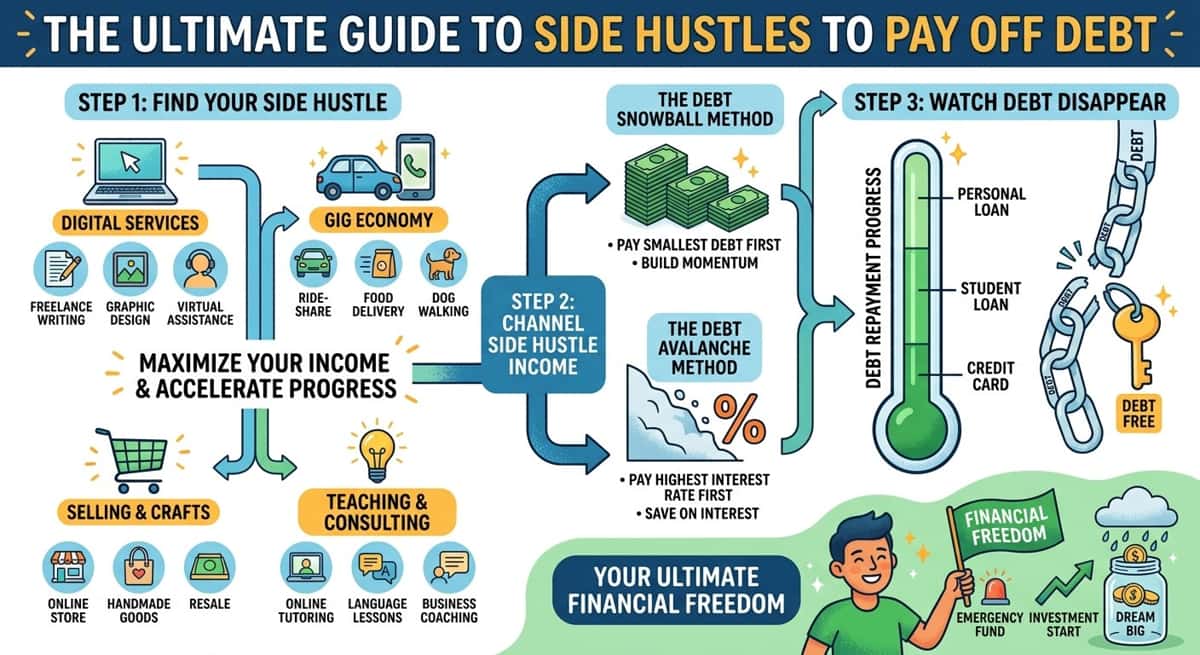
The Ultimate Guide To Side Hustles To Pay Off Debt
12 min read
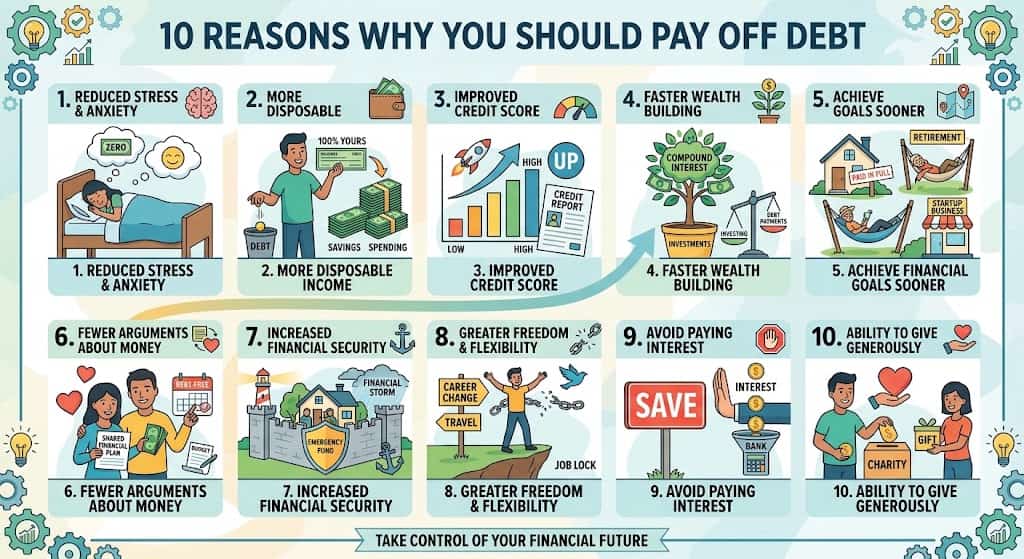
10 Reasons Why You Should Pay Off Debt
9 min read
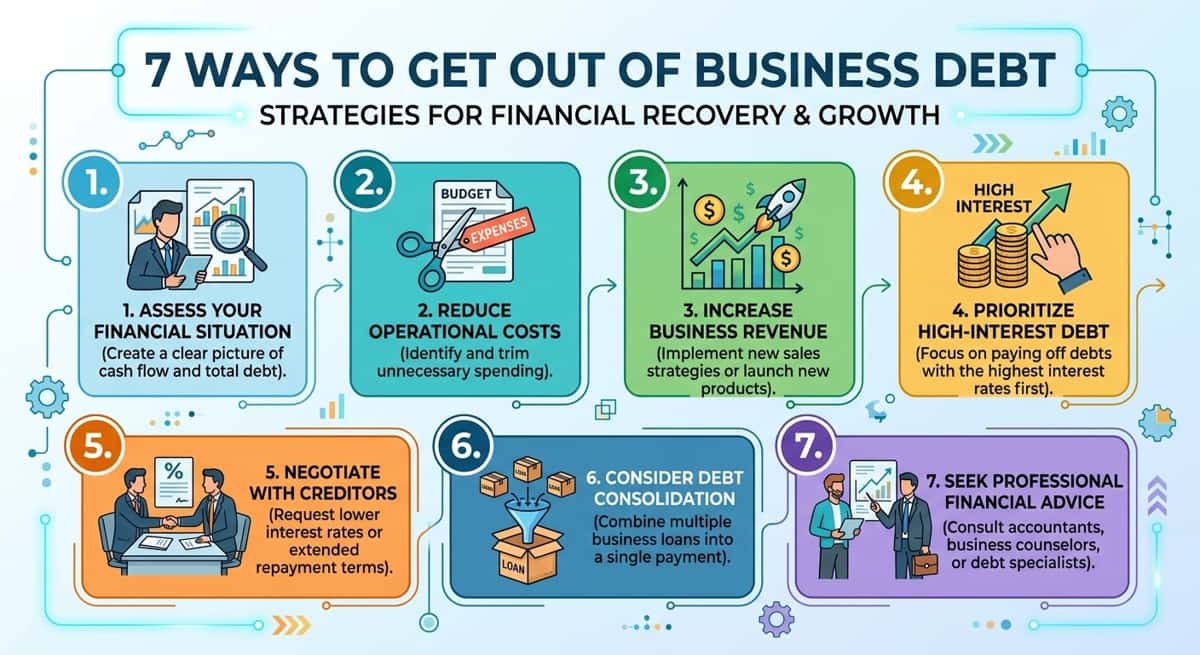
7 Ways To Get Out Of Business Debt
11 min read
What Debts Can Be Included in Debt Relief?
13 min read

Debt Settlement for $20,000 in Credit Card Debt: What to Expect
11 min read
Is 639 A Good Credit Score? How It Affects Loans, Credit Cards And Ways To Improve It
12 min read
Get Your Free Consultation
Speak with a certified debt consultant to explore your options.
Start NowNo obligation • Free consultation
Related Posts
- The Ultimate Guide To Side Hustles To Pay Off Debt
12 min read
- 10 Reasons Why You Should Pay Off Debt
9 min read
- 7 Ways To Get Out Of Business Debt
11 min read
- What Debts Can Be Included in Debt Relief?
13 min read