Debt Management Vs Debt Settlement: What Suits You Best?
Moving to the United States often feels like a fresh start, but for many in the South Asian community, the transition comes with a steep learning curve regarding the American credit system. In our home countries, debt is often viewed through a lens of deep cultural stigma. There is a traditional pride in owning assets outright and a collective pressure to maintain a certain image of success within our social circles. This pressure to "keep up" can sometimes lead to a cycle of high-interest credit card debt that feels impossible to escape.
The dilemma isn't just about the money; it’s about your future in this country. Making the wrong choice in how you handle your debt can have long-lasting ripples. It can lower your credit score to a point where buying a family home or securing a car loan becomes impossible. For those on H-1B or other visas, while debt itself is a civil matter, the extreme financial stress can impact the stability required to navigate the long path to residency.
Understanding the difference between your options is the first step toward financial freedom.
At a Glance: Debt Management vs. Debt Settlement
Debt Management is a structured plan where you work with a counselor to pay back the full amount you owe, but at significantly lower interest rates. It is designed to protect your credit score while making monthly payments more affordable.
Debt Settlement is a negotiation process where you or a company asks creditors to accept a one-time, lump-sum payment that is less than the total balance you owe. While it reduces the total debt amount, it typically causes a significant drop in your credit score.
What is Debt Management? The Disciplined Approach
Debt Management is often described as the "rehabilitation" of your finances. It is a systematic way to pay off your unsecured debts like credit cards and personal loans without taking out new loans or damaging your reputation with lenders. This path is built on the principle of full repayment, meaning you eventually pay back every dollar you borrowed, but under much fairer terms.
How it Works
The process typically begins by partnering with a non-profit credit counseling agency. These organizations act as a bridge between you and your creditors. Instead of you calling every bank individually to negotiate, a certified counselor reviews your income, expenses, and total debt. They then enroll you in a Debt Management Plan (DMP). Once enrolled, you stop paying your creditors directly. Instead, you make one single monthly payment to the counseling agency, which then distributes the funds to your creditors on your behalf.
Key Features
There are three main pillars that make this approach effective for South Asian professionals and families:
Interest Rate Reduction: This is the biggest advantage. While credit cards often charge 20% to 30% interest, a counselor can often negotiate these rates down to 0% to 10%. This ensures more of your money goes toward the principal balance rather than just interest.
Consolidated Monthly Payments: Managing multiple due dates can be overwhelming, especially if you are also managing financial responsibilities back home. A DMP simplifies your life into one monthly bill.
A Clear Timeline: Unlike making "minimum payments" which can keep you in debt for decades, a debt management plan has a fixed end date—usually between 3 and 5 years.
Impact on Credit
Because you are paying back the full amount, lenders view this approach favorably. While your credit score might see a small, temporary dip when you first close your accounts to enter the plan, it is generally considered credit neutral or even credit positive in the long run.
By consistently making on-time payments through the agency, you build a solid history of reliability. For those planning to apply for a mortgage or a business loan in the future, debt management shows that you took responsibility for your obligations. It protects your "financial character" in the eyes of the US credit bureaus, ensuring that your long-term goals of homeownership and stability remain within reach.
What is Debt Settlement? The Aggressive Alternative
If debt management is a steady walk toward financial health, debt settlement is a sharp, often painful shortcut. This strategy focuses on debt forgiveness, where you convince your creditors to accept significantly less than the total amount you owe. While the idea of paying only a fraction of your balance sounds appealing, it is a high-stakes move that requires a clear understanding of the consequences.
How it Works
Debt settlement usually involves stopping your regular monthly payments to your creditors. Instead, you redirect that money into a dedicated savings account. Once you have saved a substantial lump-sum payment, you (or a settlement company) contact the bank to negotiate.
For example, if you owe $20,000, you might offer the bank $10,000 to "settle" the account and close it forever. Creditors often agree to this only when they believe you are at risk of filing for bankruptcy and they might otherwise receive nothing.
The "Catch": What You Need to Know
While you save money on the principal balance, there are three major risks that every family must consider:
Credit Score Impact: Because you must stop making payments to force a negotiation, your credit score will drop significantly. The debt will be reported as "Settled" or "Paid for less than the full amount," which remains on your credit report for seven years. This can make it very difficult to get a car loan or a mortgage in the near future.
Tax Implications (Form 1099-C): In the eyes of the IRS, forgiven debt is often treated as taxable income. If a bank forgives $5,000 of your debt, you may receive a 1099-C form and be required to pay income tax on that $5,000, just as if you had earned it at work.
The Risk of Lawsuits: There is no guarantee a creditor will settle. While you are waiting to save enough money for a lump sum, the bank may lose patience and file a lawsuit or "charge-off" the account to a collection agency, which leads to aggressive phone calls and legal pressure.
Best For
This path is generally reserved for those facing extreme financial hardship—such as long-term unemployment, a serious medical crisis, or a situation where bankruptcy feels like the only other option. It is for individuals who have no way to pay the full balance and are willing to sacrifice their credit standing for several years in exchange for immediate relief from a crushing debt load.
Side-by-Side Comparison: At a Glance
Choosing between management and settlement is a pivotal decision for your financial health in the U.S. To help you decide, it is essential to look at how each path impacts your daily life and your long-term goals.
The following table breaks down the core differences between these two strategies:
Comparison Table: Management vs. Settlement
Feature | Debt Management Plan (DMP) | Debt Settlement |
Total Cost | You pay 100% of the principal but much less interest. | You pay 40%–60% of the balance plus service fees. |
Timeframe | Usually 3 to 5 years. | Can take 2 to 4 years to save and negotiate. |
Credit Impact | Minimal. Often helps your score as you pay down balances. | Severe. Can drop your score by 100+ points and stays for 7 years. |
Stress Level | Lower. Creditor calls stop and payments are organized. | Higher. You must stop payments and risk legal action. |
Tax Impact | None. | Forgiven debt may be taxed as income (IRS Form 1099-C). |
Which Path is "Safer"?
For many South Asian professionals, the ultimate goal is stability—whether that means sponsoring family members, starting a business, or buying a first home. If you plan to apply for a mortgage or a car loan in the next few years, Debt Management is generally the safer and more responsible choice.
Because you are repaying the full amount, you maintain a "clean" financial reputation. Lenders see that you faced a challenge but honored your obligations. Debt Settlement, while effective for ending debt quickly, leaves a mark on your credit report that tells future lenders you did not pay back what you originally promised. This can lead to automatic rejections or extremely high interest rates on future home loans. Always consider your goals for the next five years before choosing the "shorter" path.
Cultural Nuances: Debt in the South Asian American Community
In South Asian households, money is rarely just about the individual; it is a family matter. Navigating debt in the U.S. requires balancing American financial rules with the cultural values and obligations that stay with us, no matter how long we have lived abroad.
Managing Remittances and Family Expectations
One of the hardest parts of debt relief is managing remittances. Many of us send money home monthly to support parents, pay for a sibling’s education, or contribute to family ceremonies. When credit card debt starts to pile up in the U.S., the instinct is often to keep sending money home while only paying the minimum on credit cards.
However, paying 25% interest on a U.S. credit card while sending money abroad can lead to a financial crisis. If you are entering a debt management plan, it is important to have an honest conversation with family. Reducing remittances for just 12 to 24 months to pay off high-interest debt can actually put you in a stronger position to provide much larger support to your family in the long run.
Impact on Immigration Status
A common fear in our community is that having debt or entering a debt relief program will ruin a Green Card application or lead to an H-1B visa revocation. It is vital to understand that in the United States, debt is a civil matter, not a criminal one.
Defaulting on a credit card or settling a debt does not violate the terms of your visa. Immigration officers generally look at "good moral character," which relates to criminal records, not your credit score. While being financially stable is part of being a successful resident, carrying debt will not lead to deportation. The only time debt becomes an immigration issue is if it involves tax evasion or fraud. Dealing with your debt through legitimate management or settlement programs is actually a responsible way to show you are handling your affairs.
The "Gold" Mentality vs. Debt Relief
In South Asian culture, gold and jewelry are seen as the ultimate safety net. When debt becomes overwhelming, many families face a difficult choice: Do we sell the family gold to pay off the debt, or do we use a program like debt settlement?
Selling Assets: Selling gold provides an immediate "reset" without hurting your credit score. However, once the gold is gone, your safety net is gone too.
Debt Programs: Management or settlement programs allow you to keep your physical assets (like jewelry or property) while dealing with the banks directly.
Before selling heirloom jewelry, consider if a 3-year debt management plan could solve the problem while keeping your family's wealth intact. Protecting your credit score is important, but protecting your long-term assets is equally vital for your family's legacy in your new home.
How to Choose: A Step-by-Step Decision Framework
Choosing between debt management and debt settlement isn't just a math problem; it is a life-planning decision. To find the right path, you must look at your current income stability and your goals for the next five years. Use the following scenarios to see where you fit.
Scenario A: The "Steady Income" Professional
You have a stable job and can afford to pay something toward your debt every month, but the high interest rates are keeping you stuck. Every time you make a payment, the interest eats up most of it, and your balance barely moves.
Best Fit: Debt Management. * Why: Since you have a steady paycheck, you can commit to a 3-to-5-year plan. By lowering your interest rates from 25% to 8%, more of your hard-earned money goes toward the principal. You keep your credit score healthy, which is vital if you plan to buy a home or apply for a better job in the future.
Scenario B: The "Emergency" Hardship
You have recently lost your job, or perhaps a family member has a medical crisis that requires your financial attention. You can no longer afford even the minimum payments on your credit cards, and you are worried about accounts going into collections.
Best Fit: Debt Settlement.
Why: When your income is gone or severely reduced, you cannot wait five years to pay off the full balance. Settling for a lump sum—perhaps using a portion of your savings or help from family—allows you to close the debt and move on. While your credit will take a hit, it stops the mounting interest and the threat of long-term legal action.
The 50% Rule: A Quick Reality Check
A simple way to gauge your situation is the 50% Rule. Take your total unsecured debt (credit cards, personal loans) and compare it to your annual take-home income.
If your debt is less than 50% of your income: Debt Management is usually the most effective path. You can likely pay it off in full with the help of lower interest rates without destroying your credit.
If your debt is more than 50% of your income: You are in a "red zone." At this level, even with lower interest, it may take too long to pay back the full amount. Debt settlement or even bankruptcy might provide the faster relief you need to start over.
Before you decide, sit down with your latest bank statements and a calculator. Ask yourself: "Can I realistically commit to a monthly payment for 48 months, or do I need a total reset right now?" Being honest with your numbers today will prevent a financial crisis tomorrow.
Expert Tips for South Asian Professionals
Successfully navigating debt relief in the U.S. is as much about the "aftercare" as it is about the initial decision. For South Asian professionals, this involves technical planning to protect your hard-earned assets and specific steps to rebuild your financial reputation.
Strategic Tax Planning
If you choose debt settlement, you must prepare for the "hidden cost" of tax season. The IRS generally considers any forgiven debt over $600 as taxable income. If a creditor forgives $10,000, they will send you a Form 1099-C.
However, there is a professional strategy called the Insolvency Exclusion. If your total debts (including mortgages and loans) were greater than the value of your total assets (jewelry, savings, cars) at the time the debt was settled, you might not have to pay taxes on that amount. Always consult a tax professional to file IRS Form 982, which can potentially save you thousands in taxes.
Building Back: The Secured Credit Card Strategy
Once your debt plan is complete or your settlements are paid, your credit score will need a "reboot." The most effective way to do this without falling back into debt is through a secured credit card.
How it works: You provide a refundable deposit (e.g., $500), which becomes your credit limit.
The Goal: Use the card only for small, recurring bills—like your phone or internet—and pay it off in full every single month.
The Result: Banks like Capital One or Bank of America report these on-time payments to the credit bureaus. After 6–12 months of responsible use, most banks will return your deposit and "graduate" you to a standard, unsecured credit card.
Community & Professional Resources
You do not have to navigate this journey alone. Several organizations provide culturally nuanced financial support:
NFCC (National Foundation for Credit Counseling): The gold standard for finding non-profit counselors who understand the U.S. system.
South Asian Professional Networks: Groups like SABA (South Asian Bar Association) or local community centers often host workshops on consumer rights and financial literacy.
Local Non-Profits: Organizations like the Southeast Asian Development Center (SEADC) or regional "India/Pakistan House" centers often provide service navigation to help families access legitimate financial workshops and credit building tools.
By combining these professional tactics with the discipline already present in our community, you can turn a period of financial stress into a foundation for permanent wealth.
Conclusion: Taking Control of Your Financial Future
Dealing with debt is a heavy burden, but it does not define your worth or your success in the United States. Prioritizing your mental health is just as important as balancing your checkbook; remember that financial transparency with your family can turn a secret struggle into a shared goal. Whether you choose the steady path of management or the quick reset of settlement, the most important step is moving forward with a plan. Take the first step today by reaching out to a certified credit counselor to discuss which path fits your family's future.
Ready to Get Started?
Get a free consultation with a certified debt consultant to see if debt settlement is right for you.
Get Free ConsultationAbout the Author
Bhupinder Bajwa
.
Related Articles
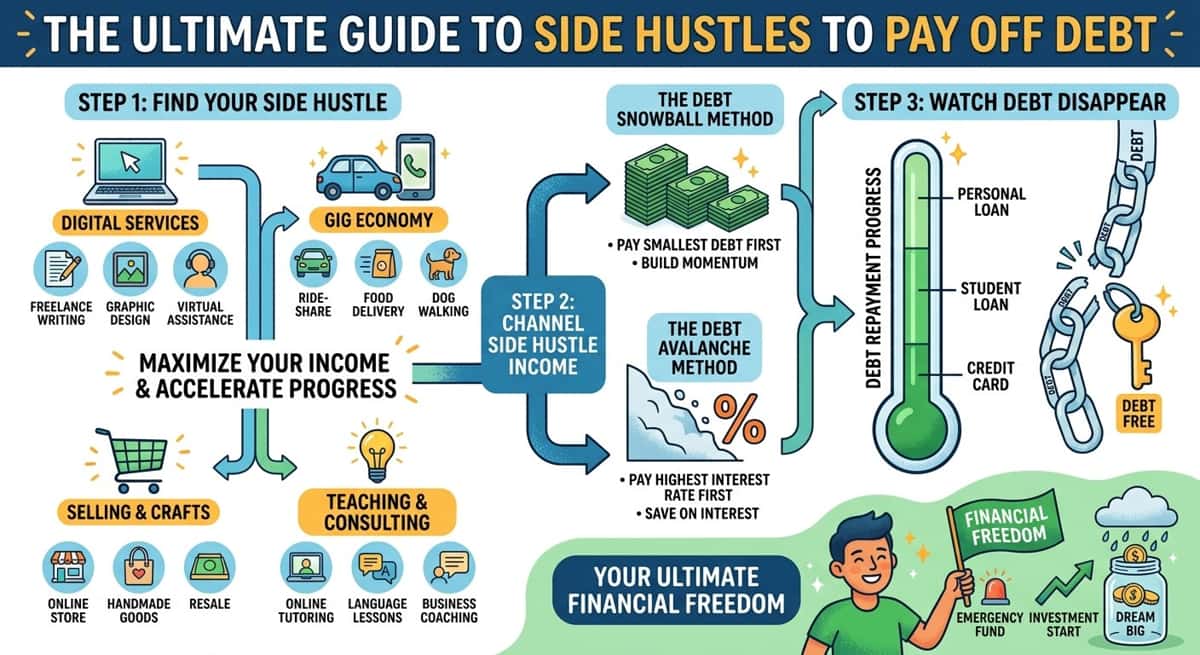
The Ultimate Guide To Side Hustles To Pay Off Debt
12 min read
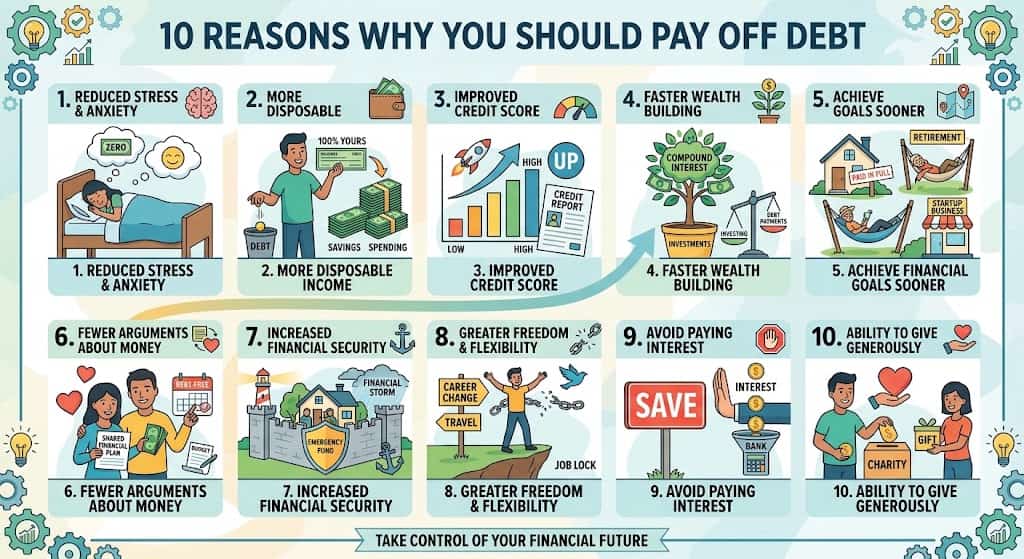
10 Reasons Why You Should Pay Off Debt
9 min read
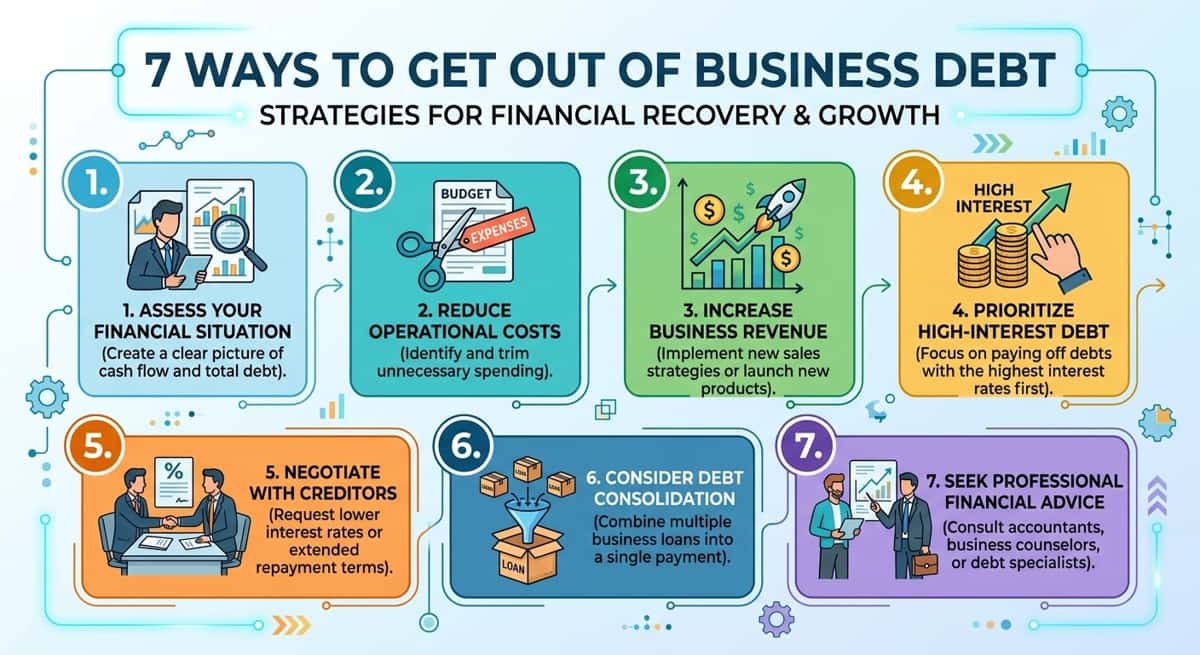
7 Ways To Get Out Of Business Debt
11 min read
What Debts Can Be Included in Debt Relief?
13 min read

Debt Settlement for $20,000 in Credit Card Debt: What to Expect
11 min read
Is 639 A Good Credit Score? How It Affects Loans, Credit Cards And Ways To Improve It
12 min read
Get Your Free Consultation
Speak with a certified debt consultant to explore your options.
Start NowNo obligation • Free consultation
Related Posts
- The Ultimate Guide To Side Hustles To Pay Off Debt
12 min read
- 10 Reasons Why You Should Pay Off Debt
9 min read
- 7 Ways To Get Out Of Business Debt
11 min read
- What Debts Can Be Included in Debt Relief?
13 min read