
Tax Evasion Vs. Tax Avoidance: Key Differences And How To Stay Compliant

Every diligent business owner and taxpayer shares a common, legitimate goal: to minimize their tax burden. Strategic financial planning is a cornerstone of wealth preservation and business growth.1 However, there exists a critical, often misunderstood line between smart tax reduction and severe legal risk. Crossing this line—even unintentionally—can lead to devastating civil penalties, criminal prosecution, and the complete destruction of a business and personal legacy.
As a professional financial management and compliance expert, I specialize in navigating the intricate world of US tax law, particularly for business owners and high-net-worth individuals who require specialized knowledge. My expertise is rooted in ensuring strict adherence to compliance standards while utilizing every legal advantage the tax code provides.
For the South Asian community in the USA, managing this risk is especially critical. Many entrepreneurs in this community oversee complex personal and business structures, often involving non-US assets and cross-border financial activity. This complexity dramatically elevates the potential for inadvertent non-compliance, making absolute clarity on US tax compliance rules and reporting—such as FBAR—absolutely critical to protect your reputation and financial standing.
The core of secure wealth management lies in understanding the distinct and unmovable boundary between Tax Avoidance and Tax Evasion.2 This guide introduces the core difference between these two concepts and underscores why professional guidance is not a luxury, but a necessity to ensure absolute legality and peace of mind.
Why This Distinction Matters to US Residents with Cross-Border Ties
For US residents, particularly those who maintain global financial assets or family ties abroad—a common reality for the South Asian community—the distinction between tax avoidance and evasion takes on heightened significance. The United States follows a citizenship-based tax system, meaning US tax residency triggers reporting requirements on worldwide income, regardless of where it's earned.1 This is a complex compliance burden that many business owners in this community underestimate.
A critical risk area is foreign income reporting and the requirement to file the FBAR (Foreign Bank and Financial Accounts Report) if the aggregate value of foreign financial accounts exceeds $10,000 at any point during the year. 2Failure to correctly file this—even due to a simple oversight—can carry massive civil penalties, and if deemed willful, it can lead to criminal charges associated with evasion. 3The complexity surrounding inherited assets, remittances, and overseas business ventures places these taxpayers under increased IRS scrutiny. Understanding the line between legal planning and illegal concealment is the essential first step in safeguarding not only your finances but also your valuable personal and business reputation within the community.
Pillar 1: Tax Avoidance – Legal and Strategic Optimization
Tax Avoidance is the practice of legally using the framework of the tax code to minimize your overall tax liability.1 It is the result of effective tax planning and involves taking advantage of provisions Congress enacted, such as deductions, exemptions, and tax credits.2 This strategy is completely lawful and is a fundamental component of sound financial management. Tax avoidance is achieved by strategically arranging your financial affairs and business transactions in a way that generates the lowest possible tax obligation. The key difference is that no information is concealed or misrepresented; you are simply structuring your transactions to incur less tax under the law.3
Strategy A: Utilizing Deductions and Credits
One of the most straightforward and effective methods of legal tax avoidance is maximizing your use of available deductions and credits.4 A deduction reduces the amount of income subject to tax, while a tax credit reduces the tax bill dollar-for-dollar, making credits generally more valuable.5
For example, contributing to retirement accounts, such as a 401(k) or IRA, is a powerful deduction strategy, as contributions are often made with pre-tax dollars, lowering your taxable income for the year.6 Business owners can legally utilize business expense write-offs for operating costs, vehicle use, and travel.7 Furthermore, individuals can claim education credits (like the American Opportunity Tax Credit) or various energy credits, all of which are explicitly encouraged by the government to influence economic behavior.8 The goal is diligent tracking and claiming of every entitlement.
Strategy B: Timing and Investment Choices
Strategic timing is another potent tool in legal tax avoidance. Since the US tax system operates on an annual basis, shifting income or expenses between years can provide significant benefits.
Capital gains harvesting is a common technique where investors intentionally sell assets that have lost value to offset the gains realized from profitable sales, thereby reducing the net taxable gain.9 For business inventory management, choosing methods like LIFO (Last-In, First-Out) over FIFO (First-In, First-Out) during inflationary periods can shift costs and reduce immediate profits.10 Businesses can also utilize accelerated depreciation schedules for equipment purchases, allowing larger deductions to be claimed sooner, effectively deferring tax liability to future years.11 These choices are perfectly legal and are core to sophisticated tax planning.
The Ethical Line: Navigating Aggressive Tax Avoidance
While tax avoidance is legal, a critical discussion point is the concept of "aggressive tax avoidance." This refers to transactions structured primarily to exploit highly technical or ambiguous loopholes, often involving complex financial instruments or multi-jurisdictional arrangements with little or no economic purpose outside of tax reduction.
Though these complex structures may technically remain within the letter of the law, the Internal Revenue Service (IRS) and the courts constantly scrutinize them, particularly those marketed as "tax shelters."12 If a court determines that the transaction lacked economic substance and was designed purely to avoid tax, the strategy may be disallowed under doctrines like the Economic Substance Doctrine.
For a business owner, seeking aggressive avoidance strategies carries a high risk of lengthy and costly IRS audits. It is essential to work with ethical counsel who prioritize strategies that are clearly supported by the law, possess genuine economic substance, and would withstand serious professional scrutiny. Responsible tax avoidance is rooted in transparency and robust documentation, not complex concealment.
Pillar 2: Tax Evasion – Illegal Acts and Serious Consequences
Tax Evasion is fundamentally different from tax avoidance; it is the deliberate, illegal misrepresentation or concealment of income and assets to avoid paying the tax legally owed. This act constitutes tax fraud and is a serious federal crime punishable by the US government. Evasion involves a conscious and willful effort to deceive the Internal Revenue Service (IRS). Unlike avoidance, which relies on legal provisions, evasion involves breaking the law through intentional deceit, such as filing false returns or concealing assets. The goal is not strategic planning, but outright cheating the government out of its lawful revenue.
Common Examples of Evasion
Tax evasion schemes are varied, but they share the common element of intentional dishonesty. Common examples include:
Concealing Income: Failing to report income, especially cash receipts or payments received in non-traditional formats. This is often seen in service industries through underreporting sales.
Falsifying Deductions: Knowingly claiming inflated or entirely fabricated business expenses, or claiming deductions for personal expenses disguised as business costs, often without proper documentation.
Hiding Assets: Using complicated structures, trusts, or anonymous offshore shell companies to hold income or assets, specifically to evade US reporting requirements. This often intersects with money laundering schemes.
Altering Records: Intentionally destroying or falsifying books and records to mislead auditors and substantiate a fraudulent tax return.
The Penalties: Civil vs. Criminal
The consequences of tax evasion are severe and multi-tiered, impacting every aspect of a person’s life.
Civil Penalties: These are imposed by the IRS and include massive monetary fines. Penalties can be assessed on top of the original tax due and interest. The civil fraud penalty, for example, can be up to 75% of the underpayment resulting from the fraud.
Criminal Penalties: When the IRS proves the evasion was willful (intentional), the case is referred to the Department of Justice for criminal prosecution. Convictions for evasion can result in substantial fines (often up to $100,000 for an individual) and up to five years in jail time per count.
Reputational Damage: Beyond the legal and financial penalties, a conviction for tax fraud permanently ruins one's professional standing and personal reputation, especially within tight-knit communities like the South Asian business sector, where integrity and trust are paramount.
IRS Audit & Enforcement (100 words)
The IRS’s ability to detect and prosecute tax evasion has grown significantly due to technological advancements. The agency now utilizes sophisticated data analytics and machine learning to flag inconsistencies and suspicious patterns, especially in returns reporting high incomes or complex international activity. With greater global banking transparency and international agreements, it is increasingly difficult to utilize foreign banks and assets—even through opaque structures—to conceal income without triggering immediate IRS scrutiny. Attempting to evade taxes today carries a significantly higher risk of detection than ever before.
Key Differences Summarized: Intent, Legality, and Risk
The most crucial step in navigating US tax law is recognizing the fundamental distinctions between Tax Avoidance and Tax Evasion. The key differences boil down to three inseparable factors: intent, legality, and risk.
Tax avoidance is characterized by legal reduction—the strategic use of allowable provisions in the tax code to pay less tax. It is a lawful practice, and the risk involved generally centers on the possibility of a costly audit or the IRS disallowing aggressive claims.
In contrast, Tax evasion is defined by illegal concealment and intentional deceit. It is an unlawful and criminal act. The risk is catastrophic: evasion exposes the taxpayer to massive civil fines, criminal prosecution, potential prison time, and the complete ruin of their business and personal reputation.
The factor of intent is paramount and serves as the ultimate dividing line between a successful tax defense and a criminal charge. Tax law states that for an action to be classified as evasion, the taxpayer must have acted willfully—meaning they voluntarily and intentionally violated a known legal duty. If you honestly, though perhaps mistakenly, believed you were following the law (i.e., you lacked the criminal intent to defraud), you may face civil penalties but likely not criminal prosecution. Consulting with a professional ensures your actions always reflect a legal intent.
The Compliance Roadmap: How to Protect Your Business and Family
Moving from understanding the risks to achieving absolute security requires a proactive, professional roadmap centered on ironclad compliance. This is the surest way to shield your business, personal assets, and family reputation from IRS scrutiny.
Step 1: Document Everything
The bedrock of a successful defense against any tax challenge is meticulous record-keeping. For every deduction, credit, and transaction you claim, you must have corresponding documentation: receipts, invoices, cancelled checks, and contracts. For business owners, this means rigorously separating personal and business expenses. The onus of proof rests entirely on the taxpayer. Strong documentation does more than support your claims; it demonstrates that your intent was always legal, a vital defense against any accusation of fraud.
Step 2: Engage an Expert
Given the complexity of US tax law, especially regarding international assets and business structures common in the South Asian community, engaging a specialized professional is non-negotiable. Hire a licensed CPA or tax attorney who possesses proven expertise in international taxation and compliance. This expert will not only identify all permissible tax avoidance strategies but will also ensure that all critical forms, such as the FBAR, are filed correctly and on time, thereby mitigating the highest risk areas of your financial profile.
Step 3: Correct Past Mistakes
If you suspect you may have made errors in past filings—whether due to oversight or misinformation—do not wait for an audit. The IRS often provides mechanisms to allow taxpayers to come forward voluntarily. Options such as filing amended returns (Form 1040-X) or utilizing the Voluntary Disclosure Program can significantly reduce or eliminate severe penalties and prevent criminal prosecution, provided the disclosure is made before the IRS initiates an examination. Taking proactive steps to correct non-compliance is the most effective way to close your risk exposure and secure peace of mind.
Important Disclaimer
This content is provided for informational and educational purposes only. It is intended to offer professional insight into Tax Avoidance and Tax Evasion within the context of the US legal and financial system. This information does not constitute formal legal, tax, or specific financial advice. Given the complexity and high-stakes nature of tax law and IRS enforcement, readers must consult with a qualified, licensed attorney, a certified public accountant (CPA), and a professional financial advisor specializing in international taxation and compliance within the United States before making any decisions related to their business's or personal tax matters. Reliance on this information alone without professional consultation is strongly advised against.
Ready to Get Started?
Get a free consultation with a certified debt consultant to see if debt settlement is right for you.
Get Free ConsultationAbout the Author
Bhupinder Bajwa
Bhupinder Bajwa is a Certified Debt Specialist and Financial Counselor with over 10 years of experience helping families overcome financial challenges. Having worked extensively with the South Asian community in the U.S., he understands the cultural nuances and unique financial hurdles they may face. He is passionate about offering clear, compassionate, and actionable guidance to help individuals and families achieve their goal of becoming debt-free.
Related Articles
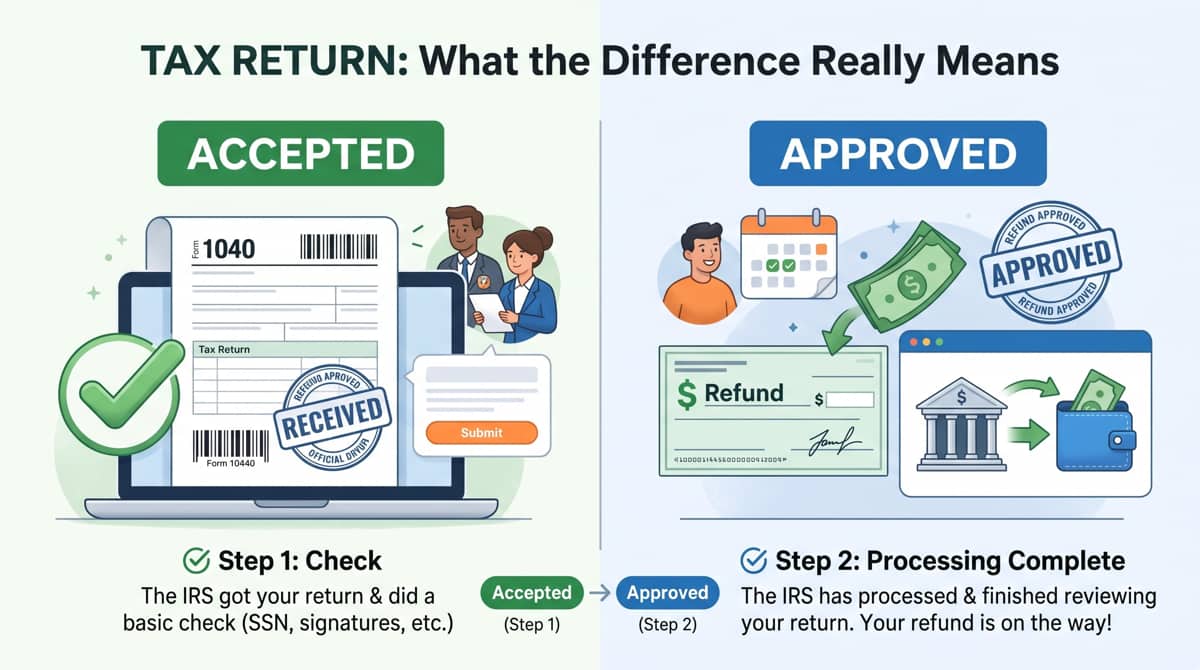
Tax Return Accepted vs Approved: What the Difference Really Means
9 min read
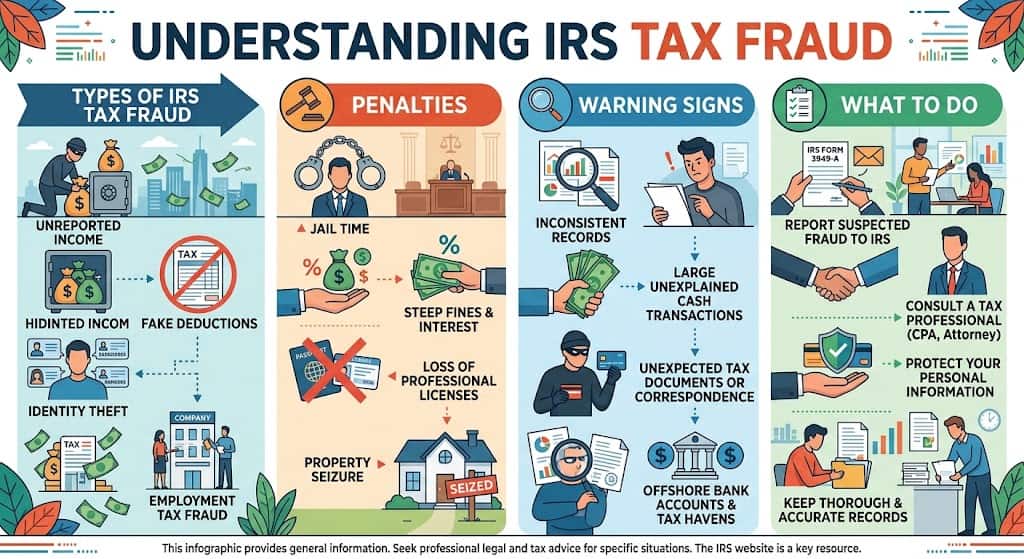
IRS Tax Fraud: Types, Penalties, Warning Signs, and What to Do
11 min read
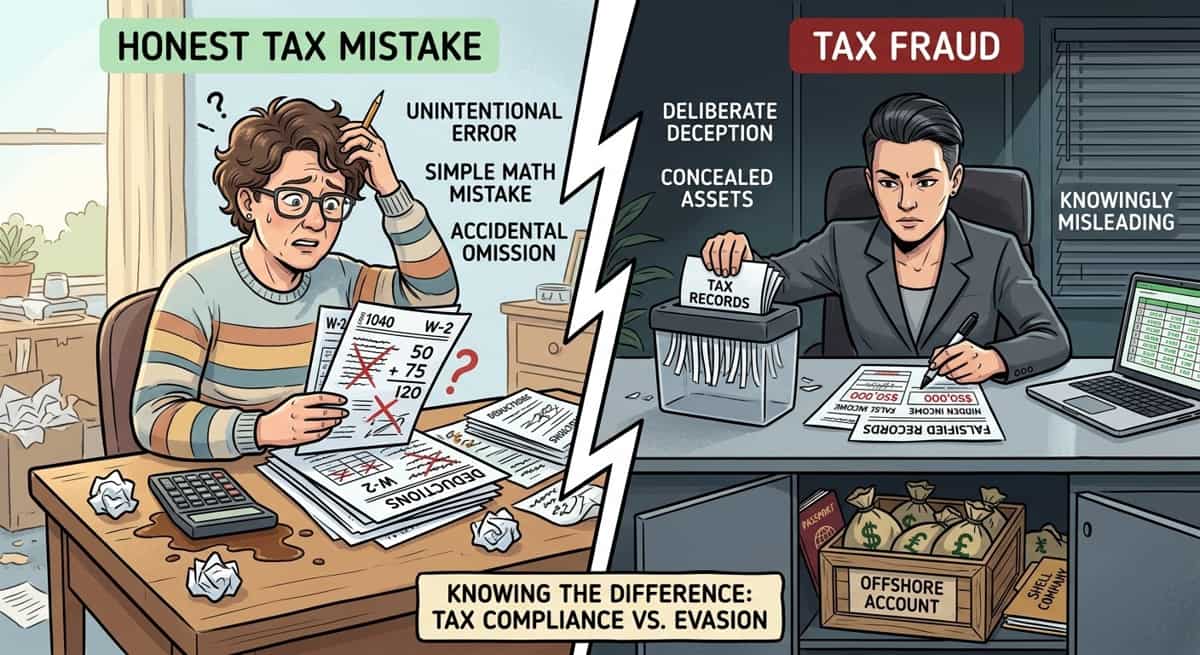
What Is the Difference Between Tax Fraud and an Honest Tax Mistake?
11 min read

Can You Be Charged With Tax Fraud for Not Filing Taxes?
10 min read
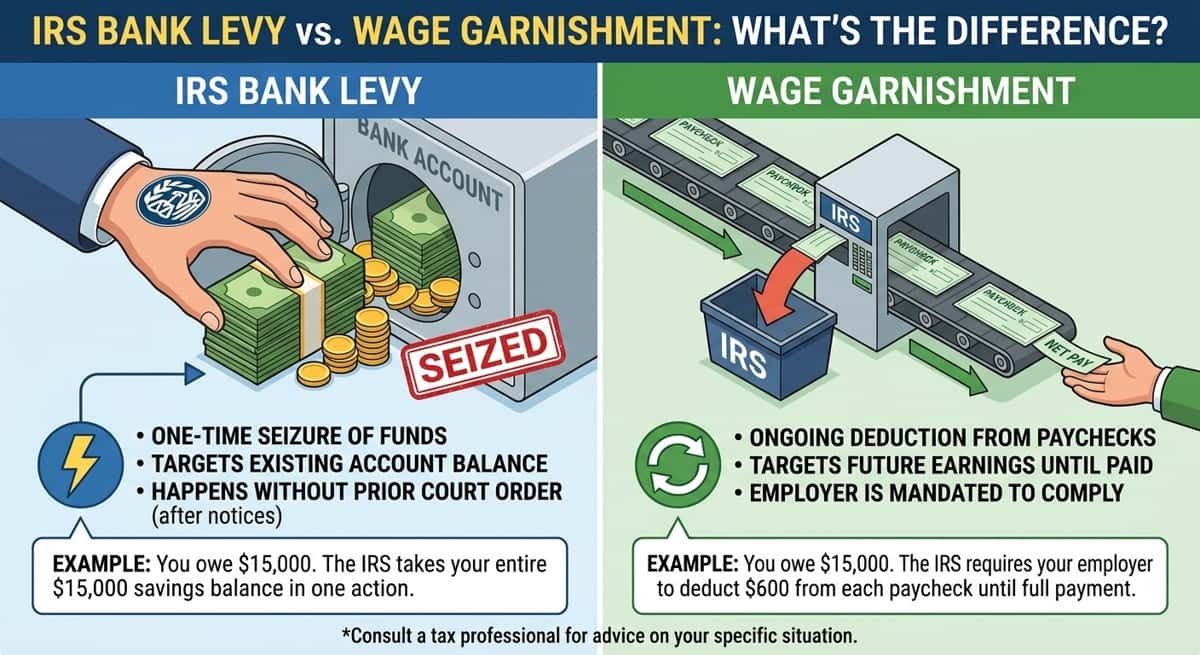
IRS Bank Levy vs. Wage Garnishment: What's the Difference?
11 min read

Self-Employed and Owe Taxes? A Guide for 1099 Workers
11 min read
Get Your Free Consultation
Speak with a certified debt consultant to explore your options.
Start NowNo obligation • Free consultation